

WOTTON HOUSE THE 'BEST OF BRITISH' COUNTRY ESTATE HOTELS
The trend of staycations and exploring closer to home was certainly relevant when Ramy James Salameh visited Wotton House in Dorking, Surrey.
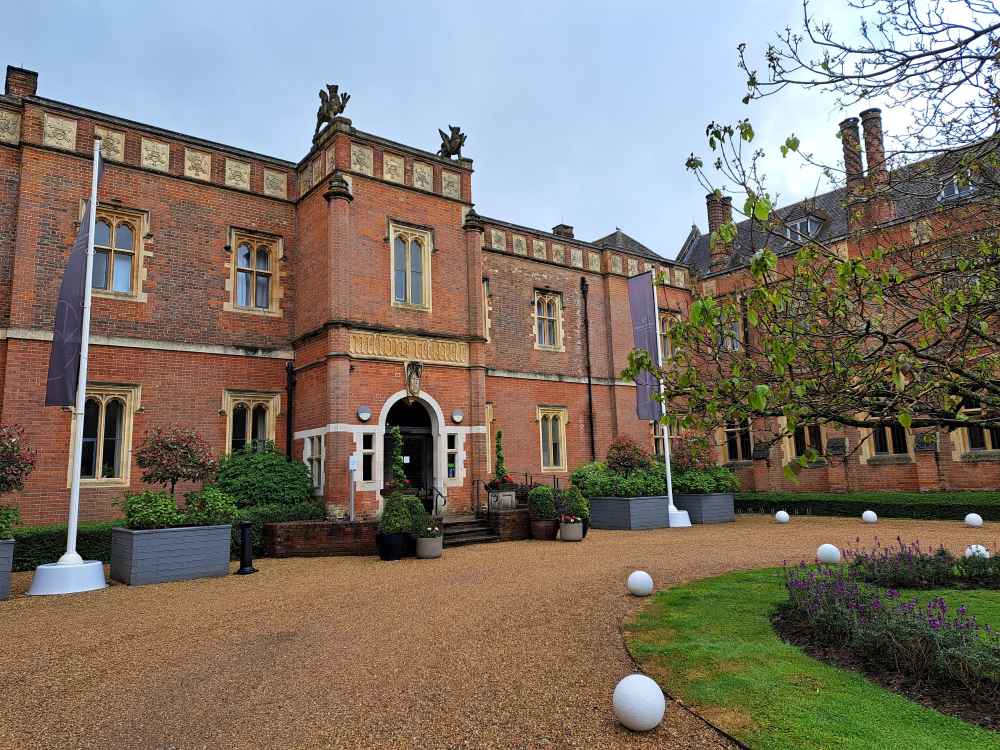
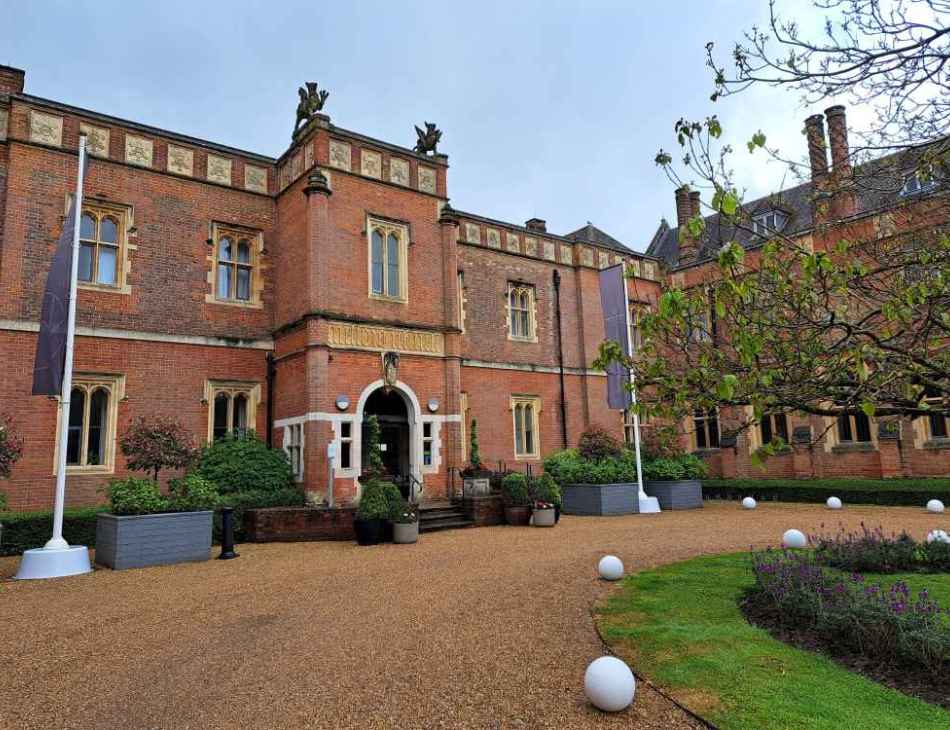
Wotton House Country Estate Hotel
It could be straight out of Jane Austen novel – the winding treelined drive, the crunch of gravel under foot as one navigates the carriage circle in front of a stately façade. The architecture blends 17th century Jacobean and Victorian Gothic features of red brickwork, octagonal turrets and finished-off by a duo of mythical stone griffons perched on the roof.
This was the sight that greeted me, as I arrived at Wotton House Country Estate Hotel, nestled in the Surrey Hills and just a short journey from London. It is a quintessentially British setting, which is the backdrop and getaway for wedding parties, conference delegates and weekenders like me, ready to become a tiny part of its long lineage, whilst indulging in its heritage and hospitality.
Stepping into the entrance vestibule, one will instantly gauge what to expect of your stay. Hunter wellies and umbrellas ready for guest use on one side, with a settle and box of dog sticks (this is a dog-friendly hotel) on the other. A clear hint that Wotton is as much about the outside as it is the inside.
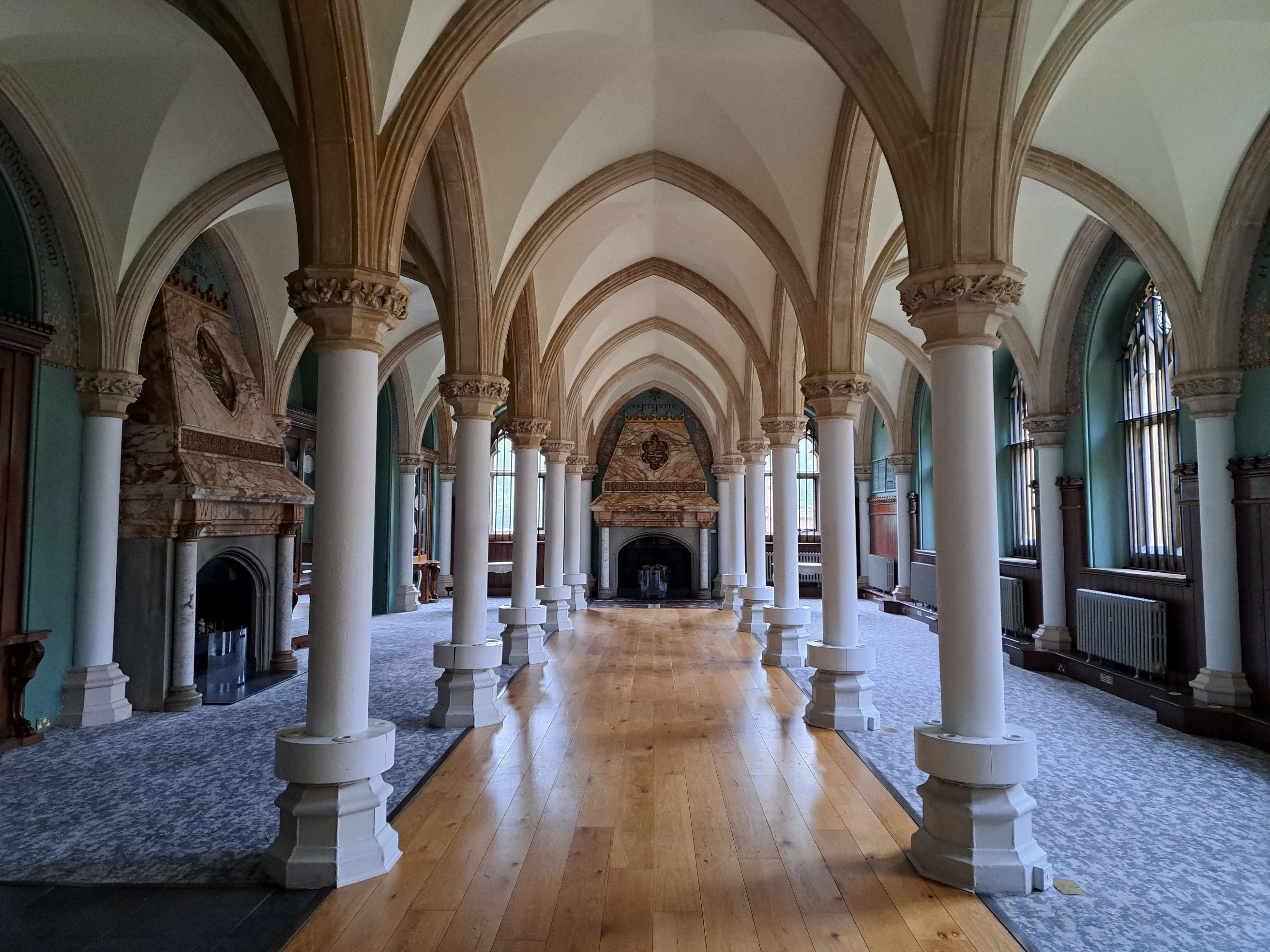
Friendly reception staff, soon have you walking the hallowed halls towards rooms. Along the westerly wing of the hotel, we passed the creaking wood staircase above which, hang ancient portraits of former residents who peer down upon you. A step further and the ‘Old Library’ with its vaulted ceiling, pillars, neo-gothic windows and original fireplaces bring many a period drama to mind.
Cosy Guest Rooms
An unusual touch found in the corridors are the ancient hand-forged wrought-iron keys framed beside each door with the room number - a charming vestige of the estate’s former life. Our room was modern, comfortable and well-appointed with the usual amenities one expects of four-star country estate hotel.
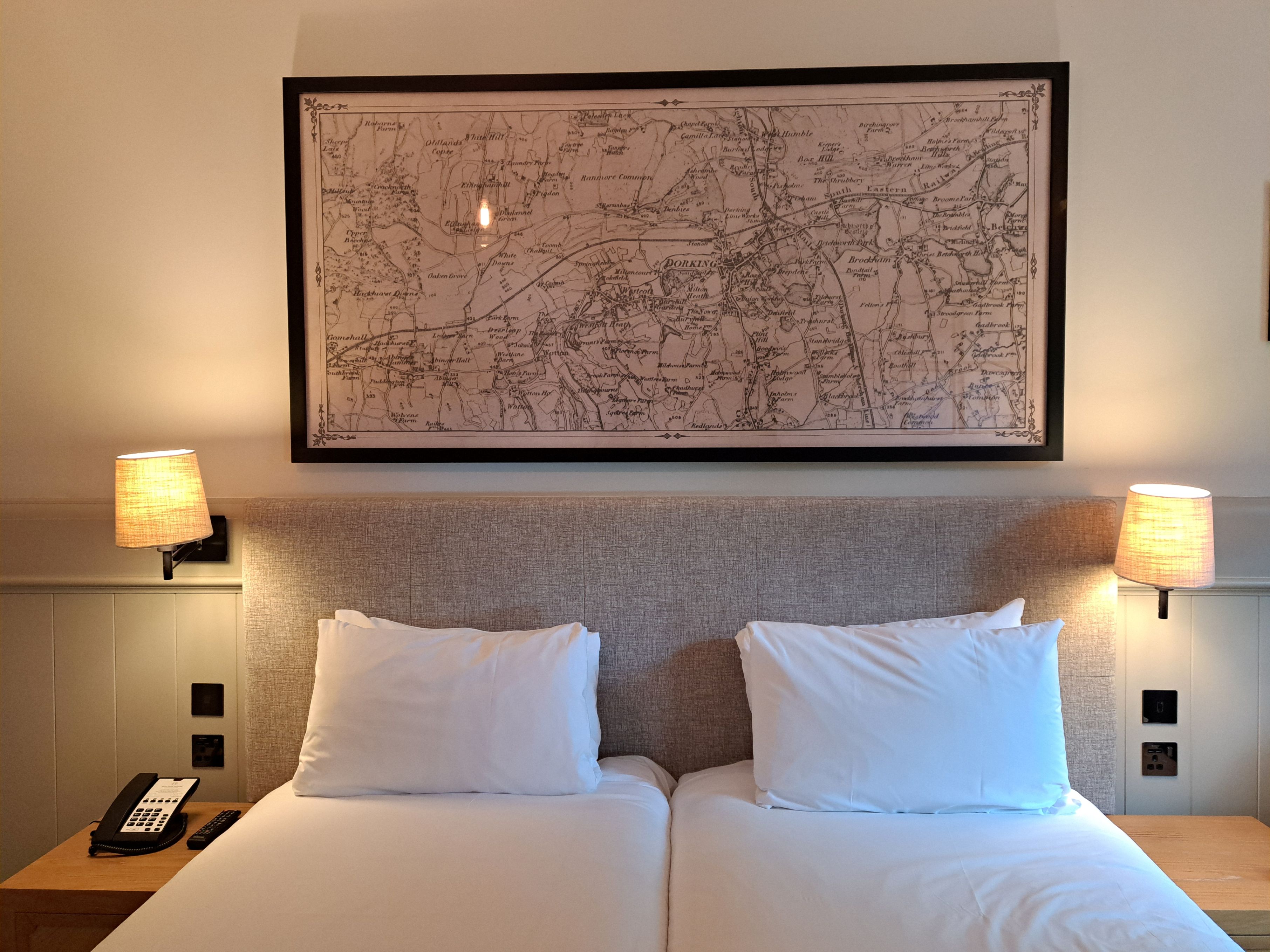
The long tartan-style curtains, armchair and soft lighting adds a cosiness when sliding between the plush linen. An ‘olde worlde’ map of Dorking is the featured artwork above the bed, and a good reminder to visit the pleasant market town nearby, peppered with cafes and the odd antique shop. Also, on the doorstep is Denbies wine estate, open for tours and tastings.
So storied is the history of Wotton House, that guests find a booklet in each bedroom stating that they are spending the night on an estate “first listed in the Domesday book in 1086” and which truly flourished after George Evelyn purchased it from Sir David Owen in 1579.
It has been in the Evelyn family ever since, with John Evelyn – diarist, botanist and landscape garden designer – the star turn of Wotton House, bringing the estate and England its first ever Italianate style garden. From our bedroom window, I glimpsed one of the estates’ colonnaded follies, secreted between the branches of evergreens.
The first Italian-style Gardens in England
Staying at Wotton House means losing an hour (or two) in the Grade II–listed Italian gardens. On the same day others queued for the Chelsea Flower Show, I’d already had breakfast and slipped past the terrace to wander the lawns, digest and unwind.
In smart hunter wellies, I followed the parterres’ neat symmetry toward a Romanesque temple, facing a circular water feature. The estate balances formal beds and clipped hedges with wilder meadowy glades and woodlands, all clearly inspired by 17th‑century Italian Renaissance gardens that influenced John Evelyn.
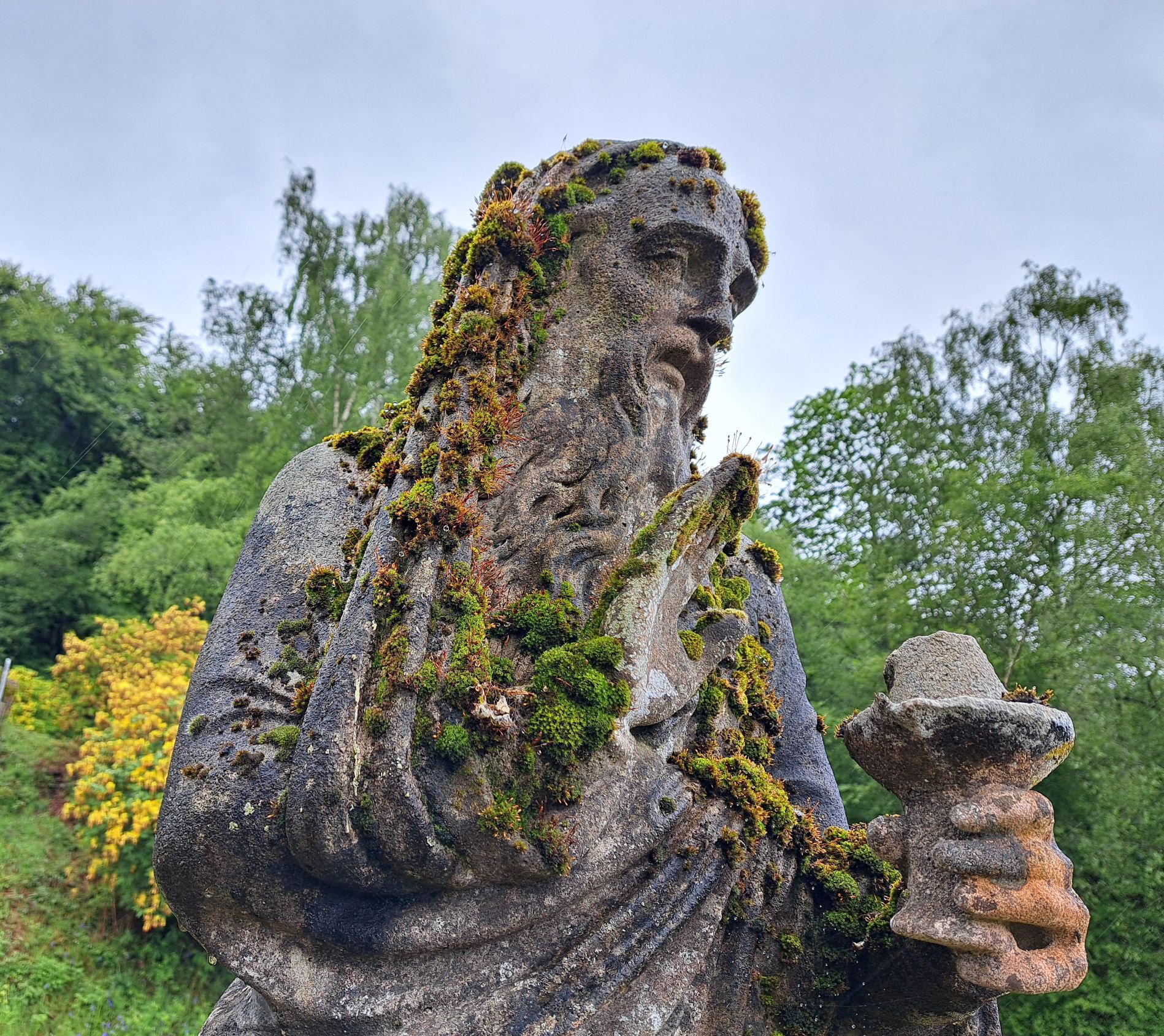
The temple is built into the terraced hillside, which can be climbed to pause beside mossy, weathered and classical statues and look back upon scenery, largely unchanged for centuries. If time had allowed, I would have headed under the forested canopy, along the many trails, including one which heads to Leith Hill and tower, the highest point in southeast England.
I did have time to meander around the herb garden, spot the beehives that produce Wotton’s honey and find two historic grottos. I also spotted a tennis court, archery target and fire pit showing the eclectic mix of activities.
From Spa to Restaurant
Although, Wotton House and estate would make a fabulous National Trust property, it has remained privately owned by the Evelyn Family since 1579. The fact that it now serves as a luxury hotel, means one can really immerse themselves in every detail of the property; from understanding the lives of the family through well curated illustrations and quotes on the walls, to dipping into the hotel’s swimming pool, sauna and jacuzzi.
Another example of balancing heritage and elegance is The 1877 Restaurant & Bar. The centrepiece of the dining room is an ancient-style olive tree, sprouting from the midst of a circular banquette and radiating rustic tones of greens and yellows, further softened by parquet flooring.
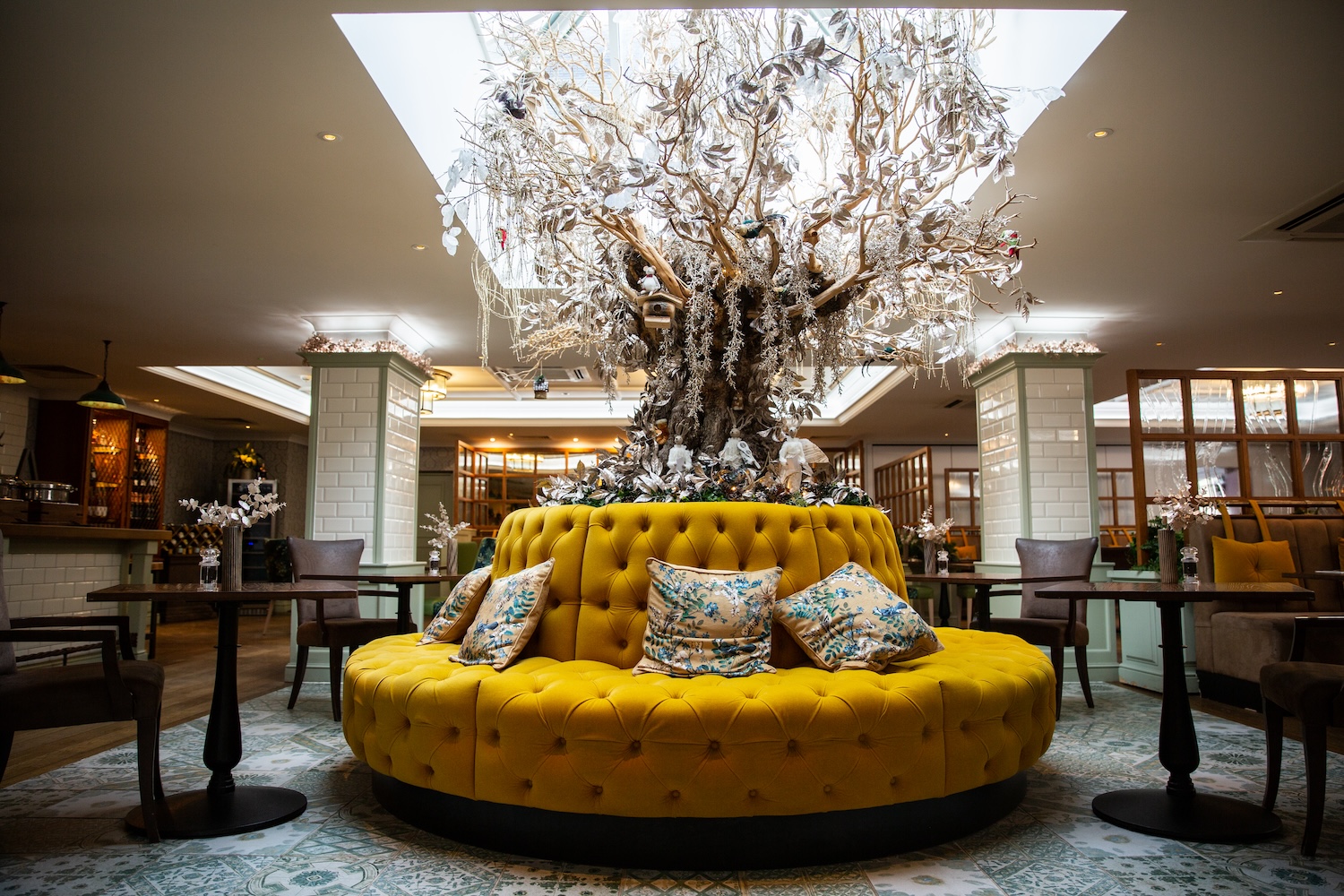
Whilst, this is one of several prime spots to be seated, all diners are treated to a menu of classic British dishes, which are well prepared and beautifully plated, showing the chef’s culinary flair. The ‘All the Cauliflower’ starter was pickled, marinated, roasted and pureed, giving a medley of tastes. Even the peas, alongside our fish and chips were tossed with butter and freshly chopped mint (no doubt from the herb garden) another traditional English pairing.
Moving to the lounge bar for a final digestif before bed, more than encapsulated our whole stay at Wotton House; the high-ceilings, grand arches, decorative stucco plasterwork, brought all the historic grandeur to the fore, whilst the high-backed armchairs and the Victorian-style mahogany bar top offered the cosy, familiar comforts. This is certainly the place to come to switch off in classical elegance and nature’s tranquillity.