

Villa Nai 3.3 Croatia: Where Unsurpassable Luxury Meets the Adriatic Soul
A Love Letter to Croatia's Most Beautiful Secret: Villa Nai 3.3 on the Island of Dugi Otok.
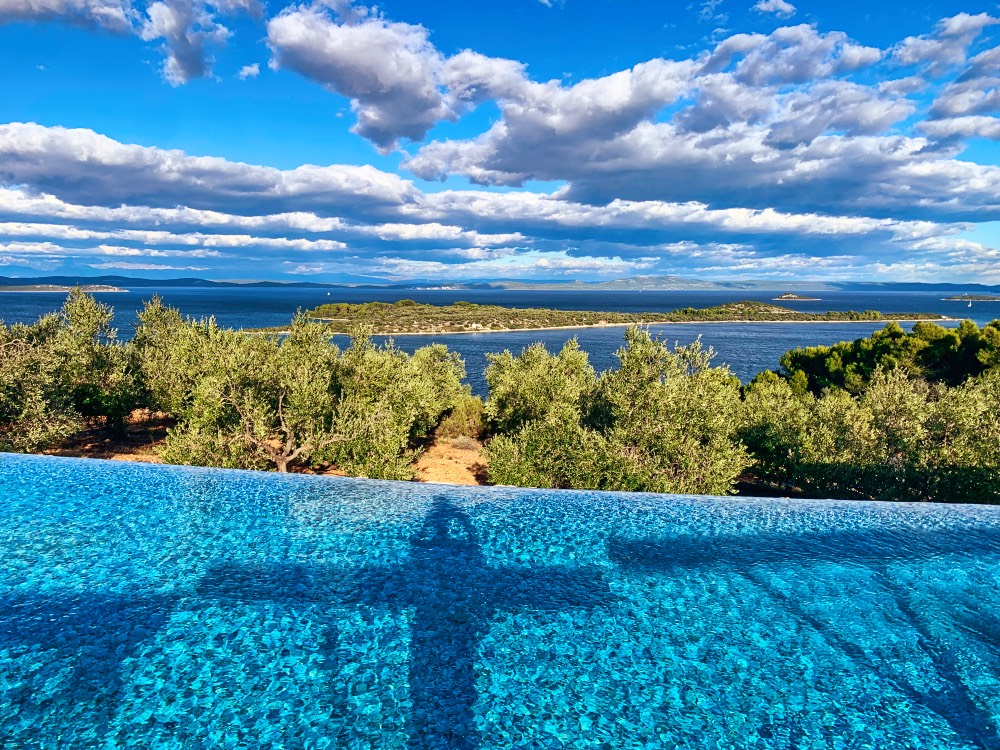
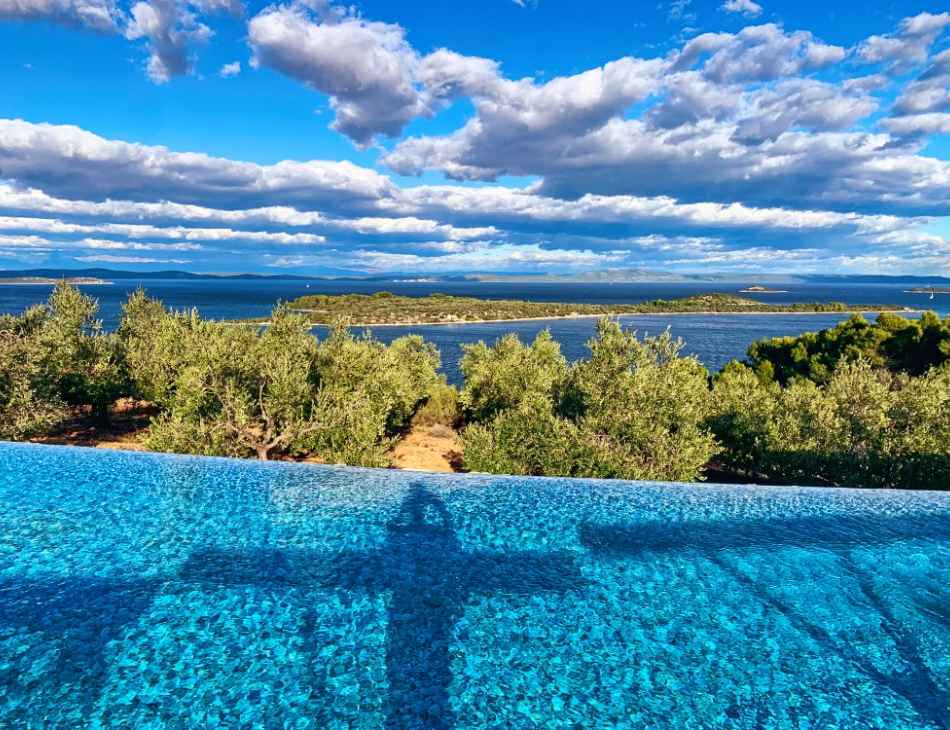
Villa Nai 3.3 Croatia
Luxury takes many forms, yet Villa Nai 3.3 reshapes the very idea of indulgence until it feels impossibly richer, deeper, and more intoxicating than you imagined. Perched on the edge of Dugi Otok like a superbly hidden hobbit house of luxury, tucked into the hills with secret terraces, sun-drenched stone, and olive groves that seem to whisper ancient secrets, it offers a view so arresting even the most discerning Middle-earth residents might consider relocating. It is a masterclass in sustainable architecture, as though Tolkien himself had paused mid-story to scribble design notes while sipping a robust glass of Croatian wine.
For me, travel has always been about three things: the people, the aesthetics and the adventure. Get those right and everything else is mere logistics. Villa Nai 3.3 is quite possibly one of the most beautiful places on earth, and the people are sublime because they're utterly natural. The hospitality isn't performed, it's genuine, bred in the bone of the islanders and inherent in the very rocks of the hills. When you have a population of just 1,500 souls on Dugi Otok, mostly concentrated in the villages of Božava and Sali, warmth isn't a business strategy, it's simply who they are.
Getting There Is Half the Pleasure
Villa Nai sits on the island of Dugi Otok, a mere 27 miles from Zadar. Take the Jadrolinija ferry which sails two to three times daily, or if you're feeling particularly flush, arrange a private boat and sail through crystal clear waters to paradise in roughly an hour. They also have a helipad perched above the hotel if you're in a terrible hurry, though really, you should never rush things here. The journey is gorgeous and worth savouring like a fine wine or a particularly scandalous piece of gossip.
For those unfamiliar with Croatia, think of it as the love child of Italy and Greece, but unspoilt, even more beautiful, more adventurous and gloriously undiscovered. The best time to visit is out of season when the weather remains stubbornly amazing and you get the entire country virtually to yourself. Croatia is simply infinite natural and untouched coastline, the sort of place that makes you wonder why anyone bothers with the French Riviera anymore.
Dugi Otok, whose name literally means ‘long island,’ stretches 45 kilometres and is known for its vineyards and orchards, the stunning and deserted Saharun Beach, which is so untouched it practically blushes when you arrive, and Telašćica Nature Park blanketing the southern reaches. Driving along the Velebit Mountains en route to our catamaran at Sali, the landscape revealed itself like strips of mountain tops surrounded by sea, resembling the claw marks of a particularly ambitious lion scratched into the ancient earth.
A Hotel Born From Stone and Vision
Nai means 'snow' in Croatian. The 3.3 references the olive oil production here, specifically the optimum 3.3 days of snow required to produce the perfect olive oil. The owner, Goran (alongside his wife Nieves), comes from a family that has owned this land for 500 years. He teamed up with the famous architect Nikola Bašić, the man who designed the extraordinary and celebrated Sea Organ in Zadar that plays music to the movement of the waves. Together, they created something rather miraculous between 2020 and 2021.
"Born in nature, made in nature" isn't just a tagline here, it's architectural gospel. Villa Nai is built directly into the cliff landscape, topped with natural garden roofs and surrounded by the excavated stone and the sea. With five suites and three rooms (eight accommodations total), it's the second smallest hotel in the world. Think of it less as a hotel and more as a palace by the sea, with utterly bespoke service and personal staff who treat you like visiting royalty who happens to be quite good fun at dinner parties.
Part of the Leading Hotels of the World collection, Villa Nai has recently added another feather to its already well-plumed cap: three Michelin Keys for accommodation, the only hotel in Europe to be nominated for the Michelin Design and Architecture Award. Only 54 hotels worldwide have achieved three keys, which means you're staying somewhere genuinely exceptional rather than just expensive.
First Impressions: When Architecture Speaks Poetry
We were greeted at Villa Nai with lemon and olive iced tea, which sounds simple until you taste it and realise it's possibly the most refreshing thing ever to grace your palate. Simon, the general manager who speaks ten languages and is the sort of excellent company you'd want on a long journey, immediately set the tone. The vibe is super VIP treatment, but just for you, never showy, always personal.
The lobby is stunningly designed with gorgeous Giorgetti furniture (the Italians do know how to make a chair that looks like art). Hanging modern copper and glass chandeliers catch the Mediterranean light and throw it around like confetti. The walls are all granite in shades of pink and cream stone. Large, airy spaces with highly unusual lines and angles make everything feel even larger and impossibly light, as though the architect convinced gravity to be slightly less aggressive here.
A marble bar sits opposite the terrace, plus an inner courtyard framed by the pink-cream granite sandstone cliff face, with lovely tables on marble floors, olive trees in huge clay pots, and two large fire ovens sunk into a side wall like ancient portals to deliciousness.
Suite 303: My Temporary Palace
My Suite 303 proved superb beyond reasonable expectation. A large double bedroom features a hanging muslin-draped four-poster that makes you feel like a particularly pampered sultan, a living room with a centrepiece fireplace, and a terrace overlooking the outdoor pool, olive grove and the sea beyond. Cream marble floors flow throughout. The bathroom deserves its own postal code: a super-long bath, a power shower designed for three (optimistic, but appreciated), twin black marble sinks, and grey slate and cream marble walls with gold edging that somehow manages to be opulent without being ostentatious.
Everything is sublime natural stone, all dug from the very mountain into which the hotel is carved. Even the cement is traditional, created by crushing local stone into powder and mixing it using ancient methods to create something of great beauty that will outlast us all. It's the sort of attention to detail that makes you want to weep or propose marriage to a building.
The Olive Oil: Liquid Gold, Literally
The olive oil here isn't just a condiment, it's a religion, and like all religions, it requires utter devotion and proper ritual. The olives are hand-picked to maintain the trees in perfect condition, rather than shaking branches with machines that disturb the natural order of things. This meticulous care results in oil with an acidity level of 0.2, when 0.8 qualifies as extra virgin. This is the olive oil equivalent of being the valedictorian of an Ivy League school whilst also being captain of the cricket team.
We visited the olive processing area where the olives are hand-picked and selected, then pressed using centrifuges, then cleaned using water to separate the oil and impurities. This mixture is passed through baking paper to clean it further until you're left with cold-pressed perfection. The oil is used in everything: the spa treatments, the soap, the food, the bread, the cooking. At breakfast, we had a triple olive oil tasting with homemade bread. The more polyphenols it contains, the better it is for you, which you can identify by the peppery, slightly bitter taste. All three varieties were manna on the tongue, with a delightful bitterness and creamy smooth texture. It felt like supping the elixir of eternal youth, if eternal youth tasted magnificently peppery and came from a 500-year-old olive grove currently being harvested as I write this in mid-October.
Nieves, who does all the decorating at Villa Nai, has an eye that could make a bare cave look chic (which is rather appropriate given the hotel's cave-inspired dining).
Two Dining Experiences, Both Magnificent
Villa Nai offers two distinct dining experiences, and both are essential. Grotta 11000 Restaurant (Michelin Star) is named in honour of the ancient Dalmatian caveman Šime, who lived in the caves on Dugi Otok 11,000 years ago. The restaurant uses fire and naked flame to cook food as our ancestors did millennia ago, employing charcoal and ingredients cultivated under the Mediterranean sun, watered with desalinated water and sourced from family farms. There's something primal and utterly right about this approach.
The 3.3 gourmet experience offers exquisite dining courses with meticulously paired wines, accompanied by a captivating view over the olive grove and sea. It's fine dining with a view that could make you believe in a benevolent universe.
Grotta 11000 Restaurant: A Masterclass in Flavour
After a swim in the outdoor pool, I changed for dinner and started with the speciality olive oil cocktail (also available as a mocktail for those who enjoy virtue). They boil olive leaves, add lemon and honey, then your booze of choice over ice. It's delicious in a way that makes you immediately want the recipe and also want to never actually make it yourself because it surely wouldn't taste this good when you attempt it at home in your pyjamas. The Prosecco, Sorelle Bronca, was crisp enough to make your cheeks pay attention.
Then the obligatory (but glorious) triple olive oil tasting with homemade bread, followed by a Malvazija Dubovacka white wine with a smooth velvet body and strong notes of grape and melon. It's the sort of robust white that could hold its own at any table in Burgundy, though it would probably prefer to stay in Croatia where the weather's better.
The meal unfolded like a very delicious poem. Fish carpaccio so fresh it had been swimming during cocktail hour, green squid tender enough to make you weep, lemon sorbet that reset your palate like rebooting a computer, and then the main event: Octopus Peka. This traditional Croatian method involves trapping food under an iron bell with burning wood on top, which sounds like something from a medieval siege but results in octopus so succulent it practically dissolves on your tongue. The finale, Nai Cream with caramelised pecans and kumquat, arrived with a dessert wine (Vallis Rabiosa) full of buttery caramelised raisins. It's the sort of pudding that makes you seriously contemplate whether you have room for seconds, which you absolutely don't, but the contemplation itself is rather enjoyable.
Villa Nai 3.3 Breakfast: The Fluffiest Thing Since Clouds Were Invented
Breakfast by the pool began with the fluffiest, flakiest pistachio croissant known to humanity. This croissant was fluffier than a Old English Sheepdog puppy having a fluff attack, with a side order of flake. Each bite released approximately seven thousand delicate layers. The chef, Santos Yadav, came out to say hello (super chap, justifiably proud of his natural garden and chickens). The food is so fresh it practically walks to the table under its own power, possibly stopping to admire the view on the way. Then followed every healthy option ever conceived, all green, vibrant, and naturally sourced from just a few steps away in the garden.
Gone Fishing: The Kornati Islands Adventure
After breakfast, we headed to the village and nature reserve at Sali where our boat awaited. Historically, locals built their houses up on the mountains to protect against invaders, whilst keeping their businesses down in town: fishing, restaurants, sailing and various maritime activities. Our vessel was the Merry Fisher, a Jeanneau from Nantes, and within minutes, my friend had caught a bonito fish two feet long. Not to be outdone, I caught a tiny albacore about a foot long. After catching four fish, we headed over to the Kornati Islands for lunch on the boat, then a swim in the lee of the wind.
The water is so clear it's genuinely hard to gauge depth. We're floating in ten or more metres of crystalline Adriatic, surrounded by hundreds of fish who swim up and bump into us with the casual confidence of creatures who've never learnt to fear humans. This coastline is so unspoilt that the fish treat you like a slightly odd piece of driftwood that might be interesting.
The landscape is magnificent: golds, greens and grey slate punctuated by reds and pinks in the stone. This is all protected, privately owned land, a nature reserve where you cannot build anything, preserving it in fabulous beauty. It's one magnificent vista after another. Red cliffs give way to gold-green rolling hills, each blending into the next as islands roll past our yacht. Stone walls mark boundaries and keep animals from wandering too far. The light is like liquid gold or honey flowing over the scenery, illuminating the cerulean sky and navy blue sea. I've never seen light quite like this, as though someone's adjusted the saturation on reality.
The Villa Nai 3.3 Spa: Medieval Torture Optional
The spa is exactly right for such an exclusive place. Discreetly tucked away below the cliff, it features a sauna, small indoor pool cum jacuzzi, a lovely outdoor gymnasium and two treatment rooms. The hour-long massage is head-to-toe, front and back, deeply relaxing without the pain some spas donate freely as "wellness," though you can have it as mediaeval as you like if that's your preference.
Luh, my lovely massage therapist, is an expert in relaxation and skin rejuvenation, so you emerge looking refreshed rather than creased like an old Louis Vuitton crocodile leather handbag that's seen too many transcontinental flights. She has the sort of hands that could probably persuade your skeleton to relax.
The Ten-Course Triumph: Cooking Your Own Catch
Then came the ten-course tasting menu, which also starred the four fish we'd caught earlier that day. Yes, you catch it, and Chef Santos will prepare it however you fancy, though do take his advice because the man's a genius and you're on holiday. He even whipped up sashimi from our fish because I mentioned loving sushi in passing, which is the sort of attentive service that makes you want to move in permanently.
The parade of plates began with a Pošip white wine that tasted like summer had been liquified, all melon and lime. First up: caviar cornet with our fresh-caught fish in olive oil pastry cups, so recent from the sea they practically had maritime stories to tell. The island fish tartare sang a little harmony of lemon, feta, apple and parsley. Then salmorejo (posh tomato soup) with Drobnica ice cream, because putting ice cream in hot soup is exactly the sort of bonkers brilliance that separates good chefs from great ones.
Course four brought olive wood grilled lobster at its absolute zenith, followed by brudet (Dalmatian fish stew promoted to aristocracy), then wild grouper with vegetables so fresh they were still photosynthesising. The first dessert arrived on a full-sized frozen hand, because subtlety is overrated and drama is delicious. A chocolate sailboat followed, because Chef Santos is apparently part chocolatier, part maritime sculptor. Two more tiny desserts materialised because at this point, why show restraint? Each was a miniature sugar masterpiece you photograph before inhaling in two bites.
Exploring Dugi Otok: Mountains, Salt Lakes and Lighthouses
The next day, we toured up to Grpašćak Fortress for mountain views that made you understand why people write poetry about landscapes. Then onwards to Mir (meaning 'peace'), a salt lake enclosed between the hills and the sea. The cliff views behind the salt lake are genuinely epic, the sort of scenery that would make a perfectly good photograph look like a mediocre postcard because reality is almost too beautiful to capture.
We visited the Dugi Otok lighthouse, surrounded by beaches and tiny villages perched on mountain tops with white stone walls and red-tiled roofs. These villages are always built in the lee of the hill, hidden from the coast to protect against invaders who were apparently quite rude about just showing up uninvited. The island stretches 44 kilometres of this magnificence.
Later, I swam across from the hotel beach to the opposite island, keeping a leisurely pace and one eye out for boats. It's the sort of swim where you feel like you're in a particularly well-filmed holiday advertisement, except it's real and happening to you. A memory I will treasure.
Another Dining Experience, Another Triumph
By the third dinner, I'd stopped being surprised by excellence and simply surrendered to it. The Plavac red wine was full-bodied and bursting with plums and cherries, the sort of wine that makes you want to solve world peace over several glasses (you won't, but the attempt would be pleasant).
The tuna tartare was impossibly fresh, the baby goat ragout was peasant food that had been knighted, and the tuna kebab was seared to that perfect pink middle that makes you believe in a caring universe. Between courses, kumquat sorbet cleansed the palate because even your taste buds deserve a breather. The fillet steak arrived with an Istrian truffled egg and potato mousseline so smooth it might have been whipped by angels with particularly good whisks. The finale of lemon curd with vanilla crumb was tart, sweet, creamy, crunchy and cold all at once. Essentially perfect, like the rest of the meal, and indeed, the rest of Villa Nai.
The Final Morning: One Last Swim
On the last day, a friend and I swam across to the island, a kilometre each way, at full tilt. It felt like the appropriate way to bid farewell to this extraordinary place, with slightly burning arms and saltwater-stung eyes, but hearts full of the sort of contentment that comes from discovering somewhere truly special.
The Journey Back: Zadar and Its Wonders
The boat to Zadar was smooth, and we had lunch at a great hotel Al Mayer restaurant, where the owner, Elena, was such a wonderful character you wanted to bottle her energy and take it home. Thinks Mrs Merton meets Monty Python. Our guide in Zadar, Vlatka, chirped away knowledgeably with stories delivered like Willy Wonka with vast infectious passion. She showed us the solar panel sun installation and the Sea Organ with its 35 pipes where the sea plays the sounds. It's exactly as magical as it sounds. She also showed us the best ice cream shop in Zadar, they're all fabulous, but this one was particularly excellent.
Why Villa Nai 3.3 Matters: Because it is Exceptional
Villa Nai 3.3 is an extraordinarily peaceful place on a peaceful island on a tranquil coast. It's bliss on a stick. Honestly, one of the most unspoilt beauty spots still left in the world. The service is exceptional without being stuffy (that delicate balance so many luxury hotels get catastrophically wrong). The locals are hospitality personified, welcoming you not as tourists but as guests in their home. The hotel is at the pinnacle of luxury anywhere in the world, and you will never find such tranquillity anywhere else. The island of Dugi Otok is paradise, plain and simple. Villa Nai 3.3 is exquisite, expansive, and quietly celebratory of every element that makes life pleasurable: sea, sun, food, wine, stone, and an ever-present sense that you have stumbled into somewhere very, very special.
Lastly, and perhaps most enticingly, you can rent the entire place for friends and family as a private villa with the staff, bar, chauffeur and restaurant. Pretty much your whole island to yourself. That's the way to do it, as Mr Punch used to say.
Villa Nai 3.3 Dugi Otok: https://villanai.com
Vlatka Peher Zadar Guide: https://zadarguides.com/en/guides/vlatka-pehar/23
Al Mayer Hotel Zadar: https://www.almayer.hr/en