

The Negroni: How Vermouth Defines an Icon
Vermouth from around the world, tried and tested
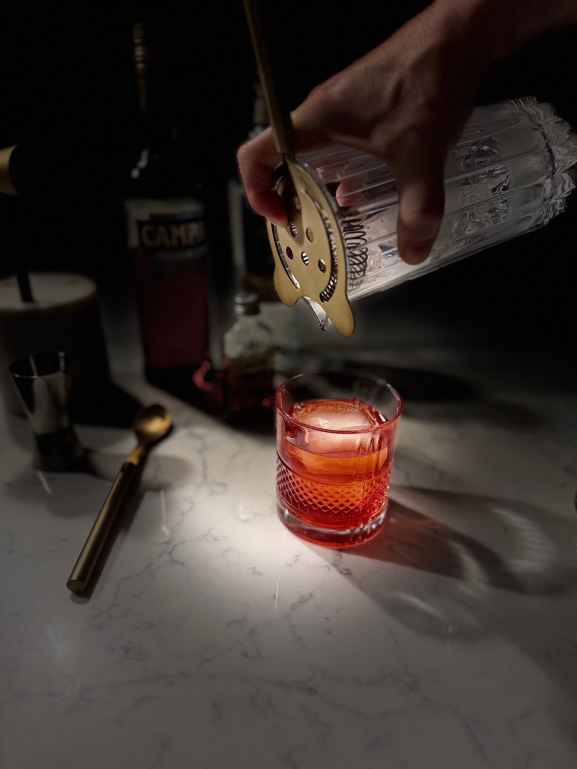
The Negroni
The Negroni is often described as a drink of absolutes. Equal parts gin, Campari and sweet vermouth; stirred, never shaken; garnished with orange. Yet beneath its rigid structure lies extraordinary flexibility. Change one ingredient — particularly the vermouth — and the drink’s personality shifts entirely.
Created in Florence in 1919, the Negroni owes its existence to Count Camillo Negroni, who asked his bartender, Fosco Scarselli, to fortify his Americano by replacing soda water with gin. The bartender obliged, swapping lemon for orange peel to signal something more serious. Over a century later, the Negroni remains one of the few cocktails to transcend fashion, equally at home in grand hotel bars and neighbourhood cafés.
Why Vermouth Matters Most
Gin brings aromatic lift. Campari delivers bitterness and bite. Vermouth, however, is the negotiator — softening edges, providing sweetness, layering herbs, spices and oxidation, and giving the cocktail length.
Historically, vermouth was once the dominant ingredient in many classic cocktails. Today, it is often treated as an afterthought. In a Negroni, that is a mistake. Vermouth accounts for a full third of the drink, and its provenance, base wine, sugar level and botanical recipe shape the final result more than any other element.
To explore this, I prepared a series of Negronis using Tanqueray Gin and Campari, changing only the vermouth. What followed was less a tasting and more a lesson in identity.
The Producers and Their Influence
Cocchi Vermouth di Torino Rosso – Italy (£17.50 Majestic Wine)
Founded in 1891 in Asti, Giulio Cocchi remains one of Piedmont’s most respected aperitivo houses. Their Vermouth di Torino Rosso is built on a Moscato wine base, with a complex blend of cocoa, citrus peel, rhubarb and wormwood.
In the Negroni, Cocchi sets the benchmark: rich without heaviness, bitter-sweet in perfect proportion, and seamless from first sip to finish. Everything feels integrated. It is no surprise this remains the reference point for bartenders worldwide.
Verdict: Classic, authoritative, faultless
Dr Ulrich Vermouth Rosso – Germany (£25 The Wine Society)
Produced by Weingut Dr Ulrich, a historic estate in the Mosel, this vermouth brings a distinctly European, wine-first approach. Built with restraint rather than sweetness, it favours herbal tension, bitterness and savoury complexity.
In the glass, it produces a drier, more gastronomic Negroni — less plush, more structured. This is a style for those who enjoy bitterness taking the lead, with the vermouth acting as a frame rather than a cushion.
Verdict: Elegant, savoury, cerebral
Denbies Orange Vermouth – England (£18 Denbies)
A standout surprise and truly unique. Denbies Wine Estate, best known for English still and sparkling wines, has applied vineyard-led thinking to vermouth production. Their Orange Vermouth is lighter in body, citrus-driven and refreshingly modern. It has been made in part using pressings from the award-winning Orange Solaris.
In a Negroni, it lifts rather than anchors. Orange oils are amplified, bitterness softened and the drink becomes brighter and more approachable — without losing its identity.
Verdict: Fresh, modern, unexpectedly successful
Martini Rosso – Italy (£10.50 Waitrose)
No vermouth tasting is complete without Martini. Founded in 1863 in Turin, Martini Rosso is the most recognisable vermouth in the world.
Its profile is sweeter, softer and less complex than many craft counterparts, but familiarity has its place. The resulting Negroni is rounded and comforting, though lacking the depth of more characterful producers.
Verdict: Reliable, familiar, entry-level classic
Regal Rogue Vermouth – Australia (£19 Majestic Wine)
Regal Rogue takes a contemporary approach, focusing on native botanicals and fruit expression. In the Negroni, this results in a softer, fruit-forward profile, with reduced bitterness and a rounder finish.
Pleasant and accessible, though it shifts the drink away from its traditional tension.
Verdict: Approachable, fruit-led, modern
Asterley Bros Estate English Vermouth – England £25.95 Asterley Bros, London
Crafted by the Asterley Brothers, pioneers of the English aperitivo movement, this estate vermouth leans heavily into botanicals and structure. Made in the Italian ‘rosso’ style by infusing 31 botanicals with English pinot noir. Expect notes of orange, cacao, rosemary and wormwood combine to form a full-bodied vermouth.
In the Negroni, it creates an intellectual, herbaceous interpretation — less indulgent, more contemplative. While impressive, it slightly distances the cocktail from its Italian roots. They also produce a British Aperitvo, “with a unique botanical profile. Balanced and elegant. Not too sweet. Not too bitter. We use raw botanicals and natural extracts, blended with British grain spirit to create this Aperitivo”. It beautifully enhances the negroni when adding a small measure.
Verdict: Thought-provoking, structured, niche
Lustau Vermut Rojo – Spain (£13 Waitrose)
Produced by the famed Lustau Sherry house, this vermouth is built on an Amontillado and Pedro Ximénez base, bringing oxidative, nutty depth.
In the Negroni, it adds weight and savoury richness, though it can dominate the balance if not carefully managed.
Verdict: Rich, oxidative, powerful
La Fuerza Rojo – Argentina (£23.50 Latitude Wines)
La Fuerza is bold by design, using high altitude wines (Malbec based) and 30 assertive botanicals from Mendoaz and the Andes. However, in a Negroni, this confidence becomes a drawback. The vermouth overwhelms rather than complements, pulling the cocktail out of harmony.
Verdict: Too dominant, unbalanced. However, I think it would work if a Navy Strength Gin was used instead. Alternatively enjoy with sparkling water and a slice of orange.
Final Thoughts
The Negroni endures not because it is simple, but because it is honest. There is nowhere to hide. Each ingredient must earn its place, and vermouth — long overlooked — is the drink’s true architect.
If you want to understand the Negroni, start with the vermouth. Change it, and you don’t just alter the flavour — you rewrite the cocktail’s identity.
The Top performers were Cocchi, Dr Ulrich with the unexpected highlight being Denbies.