Gastein Valley: First Lifts, Fondue Nights and Thermal Waters
From pristine pistes at first light to historic thermal springs, mountain dining and after-dark adventures, Gastein Valley offers far more than the average ski escape.
Großvenediger
If some ski resorts are about efficiency, Gastein is about atmosphere. The skiing is excellent, but what stays with you is the feeling of the place. Steam rising from thermal water, steep-sided mountains closing in around you, and a valley that leans as much into restoration as it does into adrenaline.
Set in SalzburgerLand, the Gastein Valley stretches for around 40 kilometres, linking Bad Hofgastein, Bad Gastein and Dorfgastein. It sits within the Hohe Tauern National Park, and the scenery reflects that; bigger, wilder and more dramatic than many Austrian resorts. There is also a long-standing spa culture here, shaped by thermal springs that have drawn visitors for generations. You feel that balance straight away. This is somewhere you ski hard, then properly switch off.
The skiing itself is seriously good. Around 200 kilometres of pistes are spread across four ski areas, with Schlossalm, Angertal and Stubnerkogel linking together to create long, continuous runs that feel properly expansive. It is the kind of terrain that lets you settle into a rhythm rather than constantly navigating short, broken sections. Dorfgastein’s Fulseck adds sunnier, more relaxed cruising, while Sportgastein, higher and more exposed, brings a wilder, high-alpine feel and a reassuring level of snow reliability.
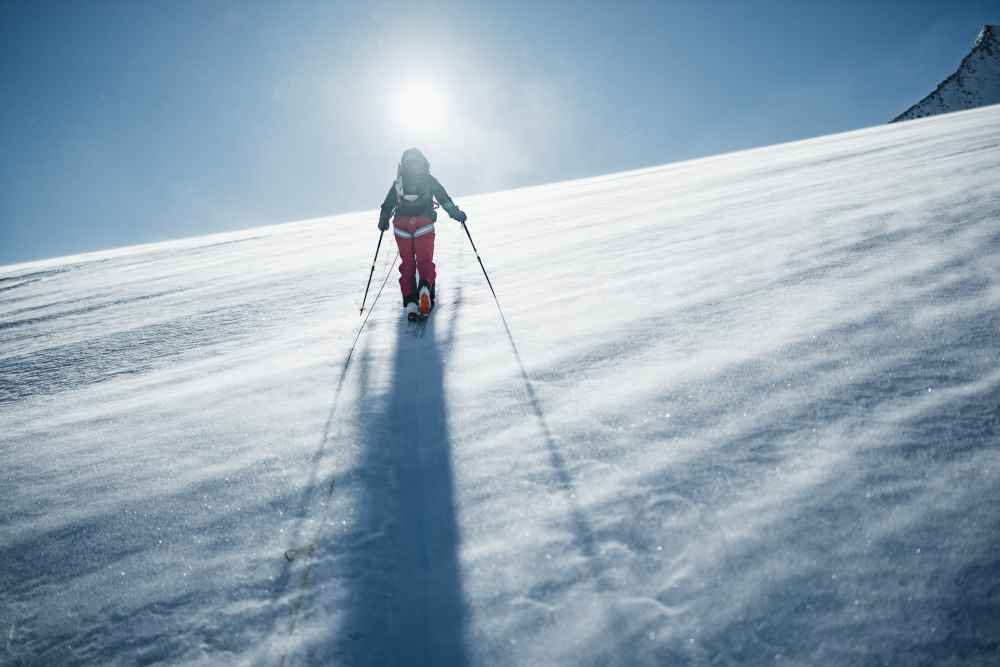
The standout moment came early, literally. Early morning skiing on Schlossalm is exactly what you want it to be. You are on the first lift, ahead of the crowds, with freshly groomed pistes and that quiet, slightly surreal stillness before the day properly begins. The light shifts as you ski, the valley slowly waking below, and for a while it feels like you have the mountain to yourself. It is easily the best way to experience Gastein. Afterwards, breakfast at Weitmoser Schlossalm, around 2,000 metres up, feels less like a break and more like part of the ritual, and certainly well-deserved after an intense few hours of uninterrupted skiing.
Lunch at Hirsch & Maus, one of the newer mountain restaurants, keeps things at a high standard. It is modern, well-designed and far more polished than your average ski stop, with wide views that make it very easy to linger. It sets the tone for the rest of the trip. Gastein does not treat food as an afterthought, even on the mountain.
Bad Gastein itself is one of the most distinctive ski towns in the Alps. It is steep, theatrical and slightly eccentric, with Belle Époque buildings stacked into the hillside above a powerful waterfall that cuts through the centre. There is a faded grandeur to it, but in a way that feels atmospheric rather than neglected. It looks and feels completely different from the purpose-built resorts you find elsewhere.
One evening was spent there, starting with a walk through the town before heading up to Bellevue Alm. Getting there is half the experience. A single chairlift takes you up the mountain after dark, which already puts it in a different category to most ski dinners. At the top, Bellevue Alm leans fully into alpine warmth without tipping into cliché. Timber interiors, open fire, a sense of history, and then fondue. Both meat and cheese versions are worth the trip, and the whole evening feels like a proper mountain experience rather than just another dinner reservation. The descent back down by toboggan, under lights, is exactly as fun as it sounds.
The following morning brought something completely different. Early mountainkarting in Dorfgastein sounds slightly ridiculous on paper, racing downhill on a three-wheeled cart before the ski day begins, but in reality it is one of the most unexpectedly good parts of the trip. It is fast, slightly chaotic and very scenic, dropping you through the mountain landscape in a way that feels far more immersive than sitting on a lift. The general consensus was that it was akin to real-life Mario Kart. It also reinforces that Gastein is not just about skiing. There is a willingness here to offer something a bit different.
Back on skis, Fulseck delivered a more relaxed contrast to the previous day. Wide, sunny slopes, a slightly slower pace, and a sense that you can take things as seriously or as casually as you like. Lunch at Wenger Alm continued the theme of strong mountain dining, simple done well, with the kind of setting that makes it impossible to rush. The Kaiserschmarrn here was particularly good, as was their home-smoked wild boar sausage.
Gastein’s thermal water is the thread that runs through everything. The valley’s springs produce millions of litres of hot, mineral-rich water each day, feeding the region’s baths and wellness spaces. After long days on the mountain, that shift from cold air and physical exertion to heat and stillness makes complete sense. There are a number of options across the valley, from the more dramatic, rock-built Felsentherme in Bad Gastein to larger spa complexes like Alpentherme in Bad Hofgastein.
Dinner at Restaurant Aiche brought things back into a more refined setting. Contemporary, well executed and a reminder that Gastein is not just about rustic mountain huts and traditional fare. There is a more polished side to the food scene here as well, and it sits comfortably alongside the more classic alpine experiences.
What makes Gastein stand out is not just the skiing, although that is reason enough to come. It is the contrast. Early mornings on empty pistes, followed by long lunches, thermal water, dramatic towns and slightly unexpected experiences like night sledging or mountaincarting. It feels layered in a way that many ski destinations do not.
You come for the mountains, but you stay for everything around them.
SalzburgerLand region: www.salzburgerLand.com
Gastein : www.gastein.com
The Guest Mobility Ticket gives free public transport throughout the region