
Beyond Tradition: How Rhône Crus Are Shaping the Next Chapter
From the granite precision of Crozes-Hermitage to the sunlit generosity of Vacqueyras, a new generation of Rhône winemakers is redefining legacy through sustainability, authenticity, and a modern palate.
Crozes Hermitage
Introduction
The Rhône Valley is a study in contrasts—a mosaic of terroirs stretching from the steep granite slopes of the north to the sun-soaked plains of the south. Here, Syrah whispers of precision and purity in Crozes-Hermitage, while Grenache and its companions sing of warmth and generosity in Vacqueyras. Yet beneath these differences lies a shared challenge: how to honor centuries of tradition while responding to the realities of climate change, sustainability, and a modern palate that prizes elegance and authenticity.
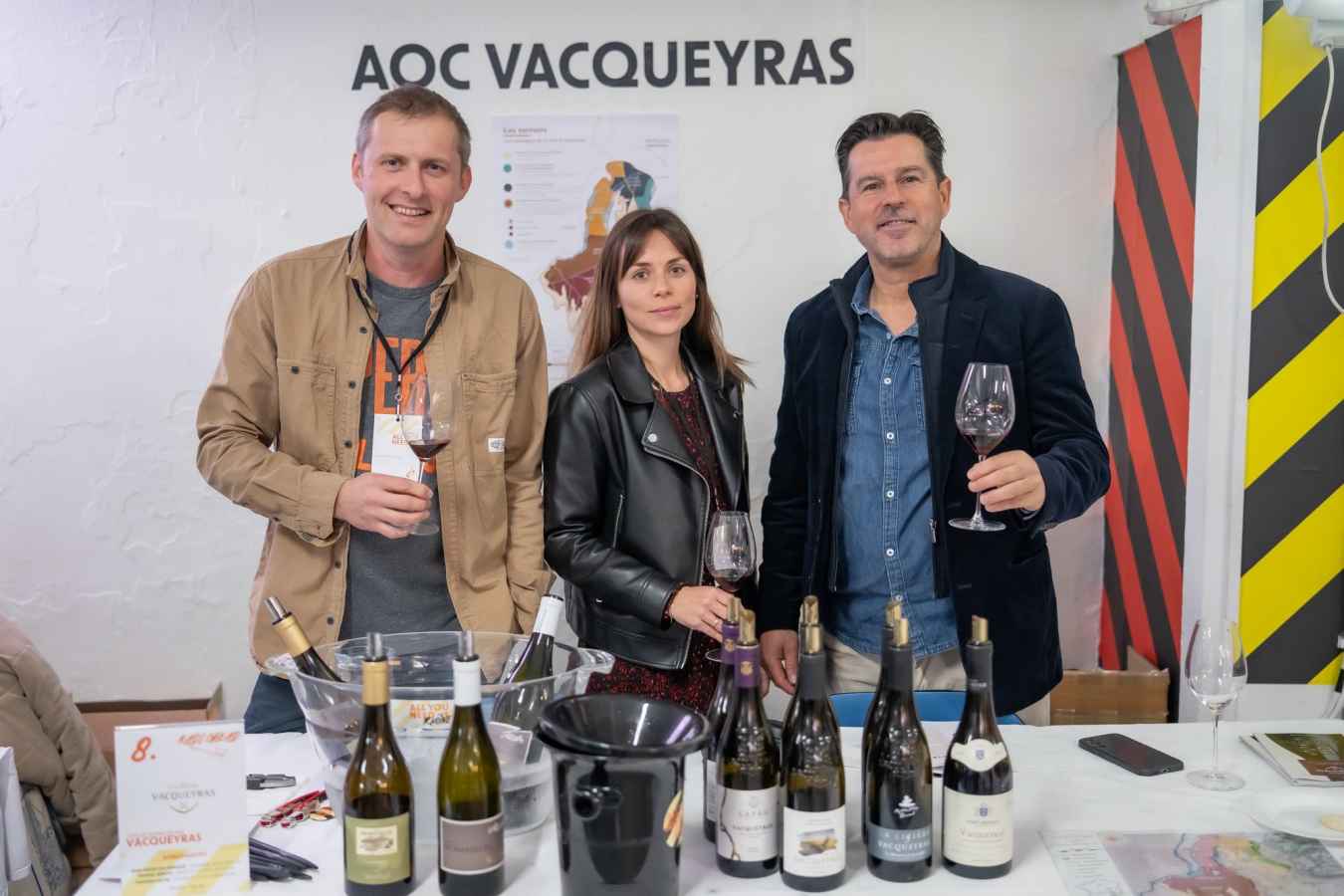
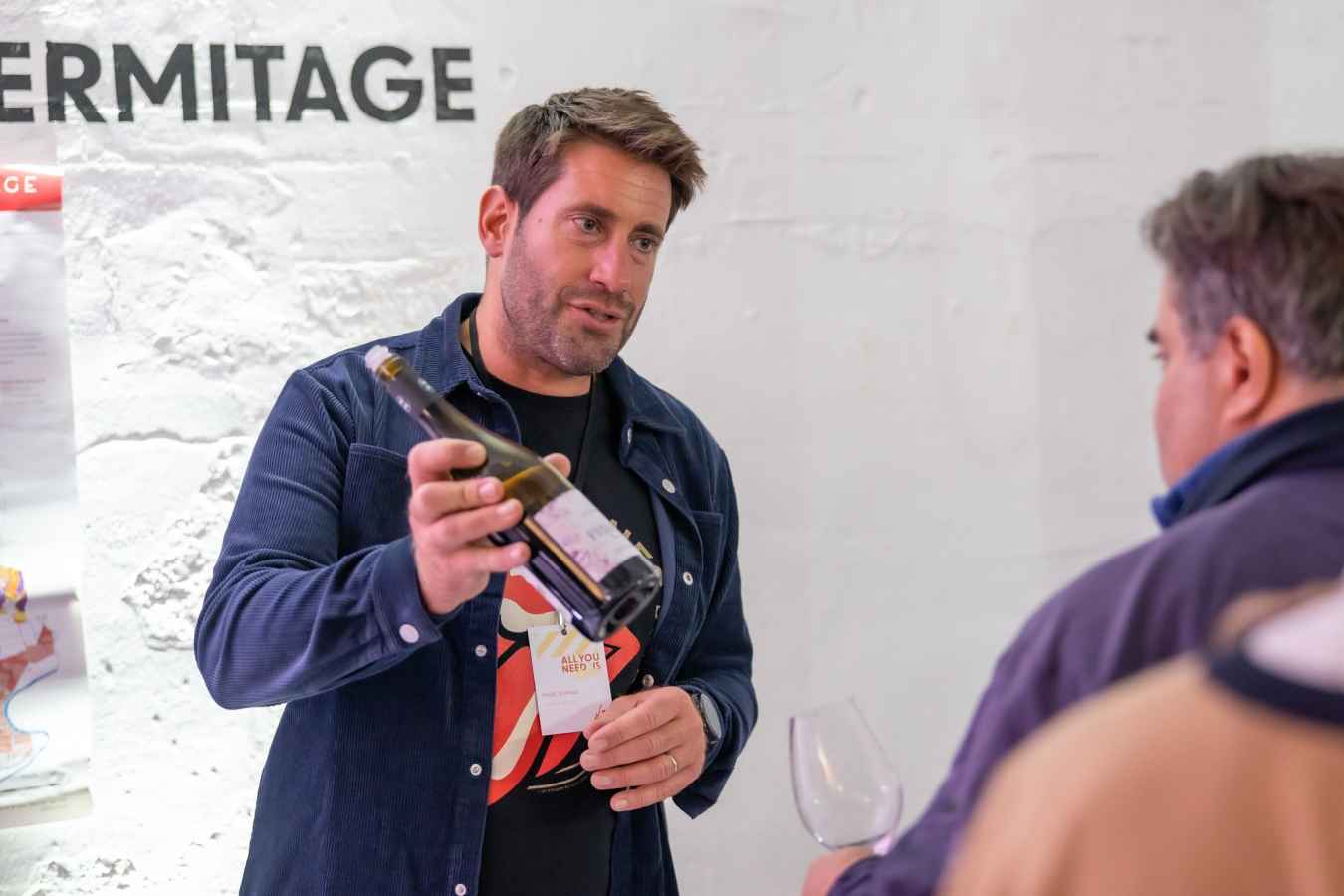
At the recent Rhône Crus tasting, two voices from opposite ends of the valley—Mark Romak of Domaine Melody and Damien Vache Co-President of AOC Vacqueyras and winemaker at Domaine de la Monardiere—offered a glimpse into this transformation. Their stories reveal a generation of winemakers redefining what it means to be Rhône: balancing legacy with innovation, terroir with transparency, and resilience with restraint.
Northern Rhône: Precision Under Pressure
Crozes-Hermitage: An Everyday Luxury
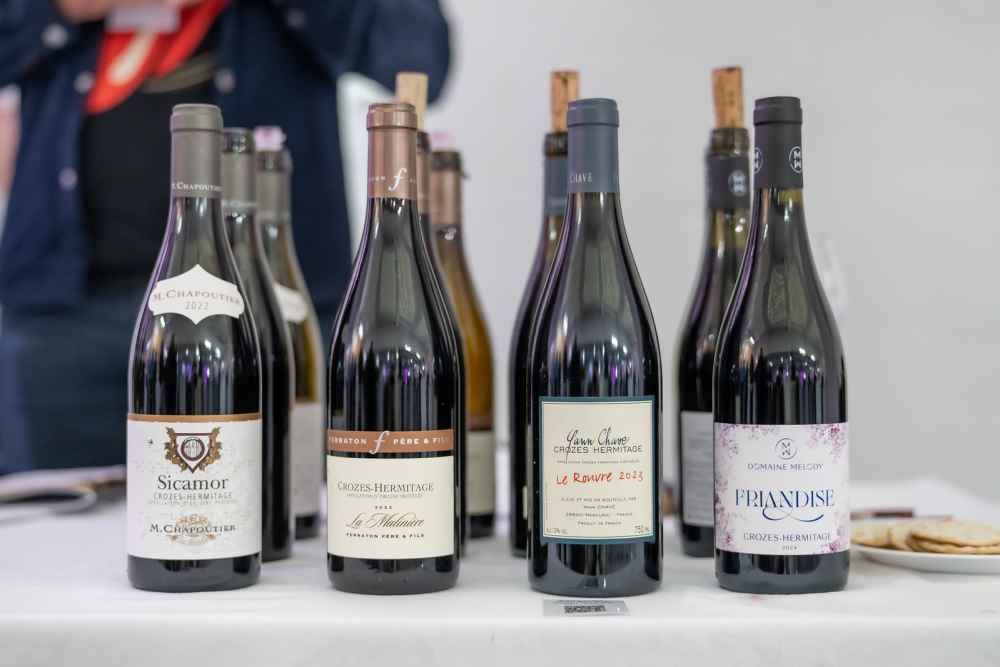
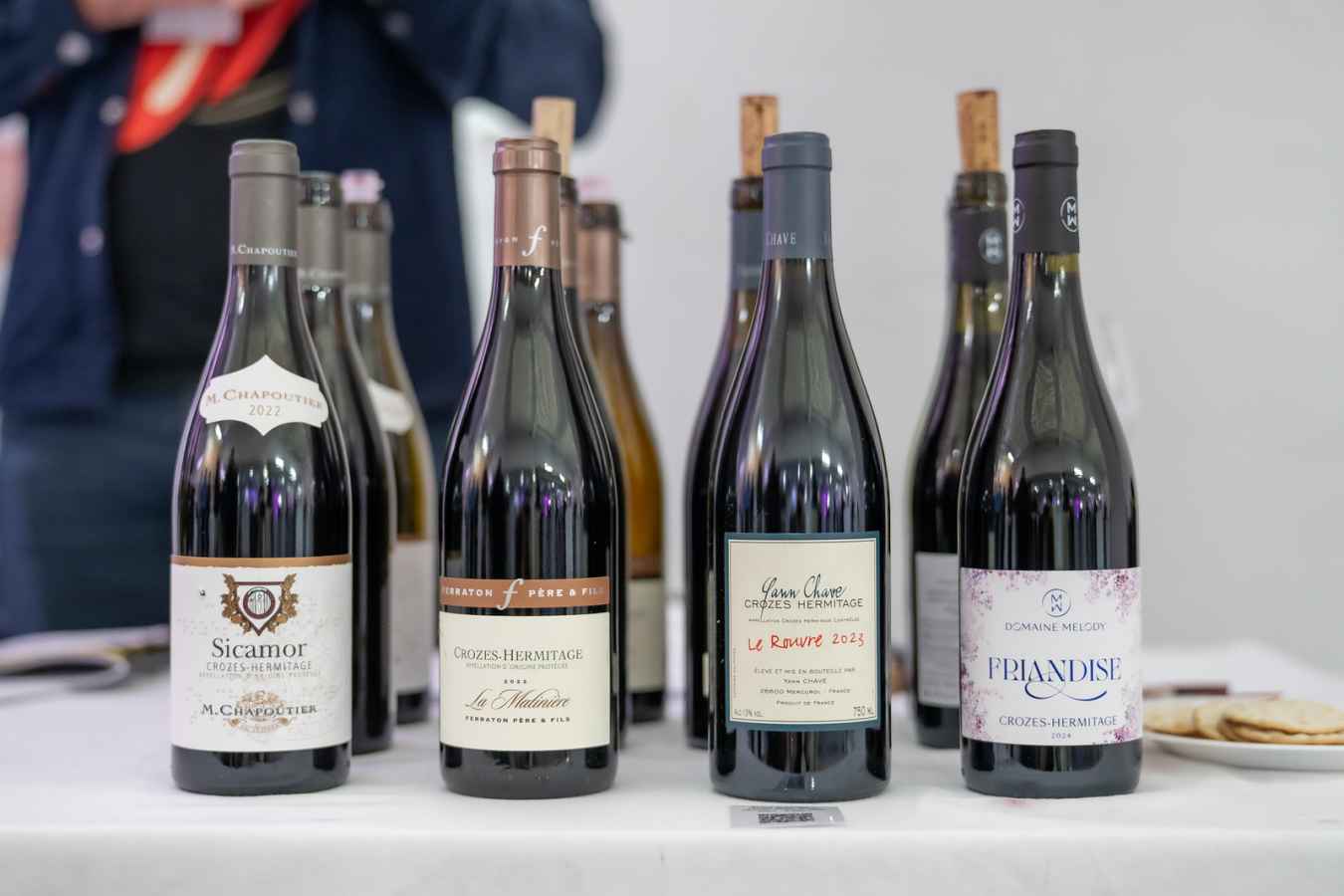
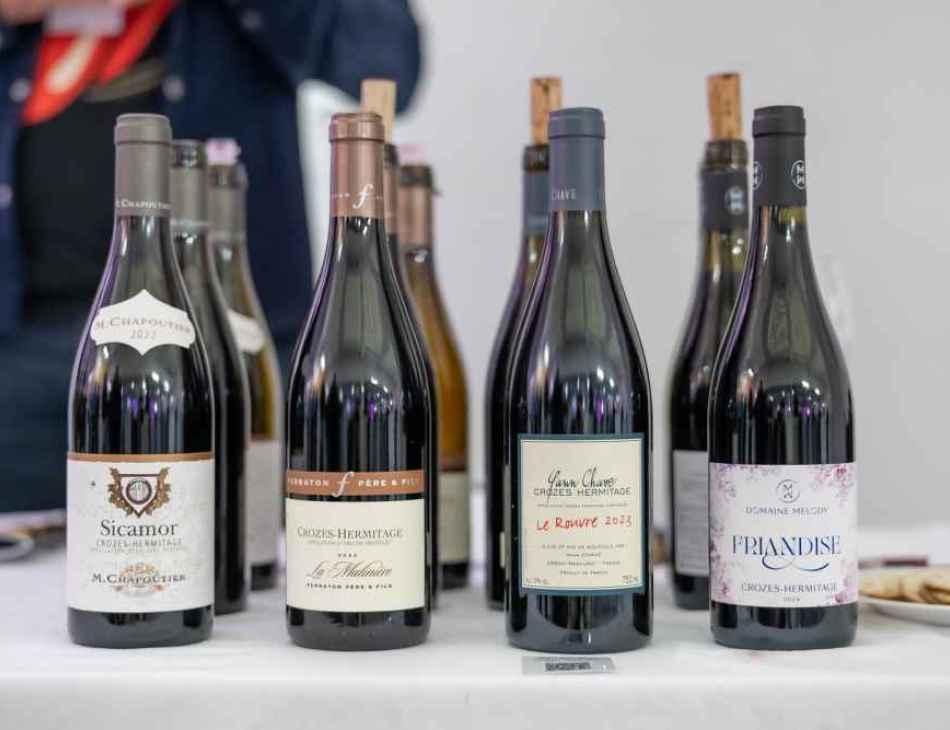
Located on the 45th parallel along the left bank of the Rhône, Crozes-Hermitage is the largest northern appellation, spanning 11 communes in the Drôme. Known for its approachable elegance, the wines include reds (Syrah) and whites (Marsanne and Roussanne). Reds are celebrated for their balance and easy-drinking style.
A Brief History
Viticulture here dates back to the late 18th century, when vineyards were established near Hermitage Hill. The appellation was officially recognized in 1937, initially limited to the village of Crozes. In 1952, it expanded to include 10 surrounding communes, transforming orchards and wild lands into thriving vineyards that continue to produce prestigious wines today.
Crozes-Hermitage has long been celebrated for its purity and definition, hallmarks now challenged by warming vintages. “Harvest now often starts at the end of August instead of mid-September,” says Mark Romak of Domaine Melody. “We need to be ready very quickly and taste berries often in August.” Extreme conditions demand agility—adjusting canopy management, fermentation temperatures, and extraction to preserve freshness.
Stylistically, Romak sees a shift: “Consumers are waiting for elegance and restraint.” While power and depth remain possible in certain soils, Domaine Melody focuses on crafting wines that balance heritage with modern drinkability. For Romak, this is not just technical—it’s philosophical: “We keep the respect of the grape varieties and the soil, but adapt for climate change and evolving tastes.”
Generational continuity shapes this approach. Romak emphasizes preserving the wisdom of his grandparents while innovating for the future: “The first thing is to preserve the area where we are, the power of the soil and the respect of the grape varieties—but we need to change something in the vineyard to be ready for climate change.” Sustainability underpins this mindset. Beyond organic certification, Romak stresses long-term stewardship: “We think about our children who will be here in a few years.”
Southern Rhône: Diversity as Strength
Vacqueyras: Power and Finesse
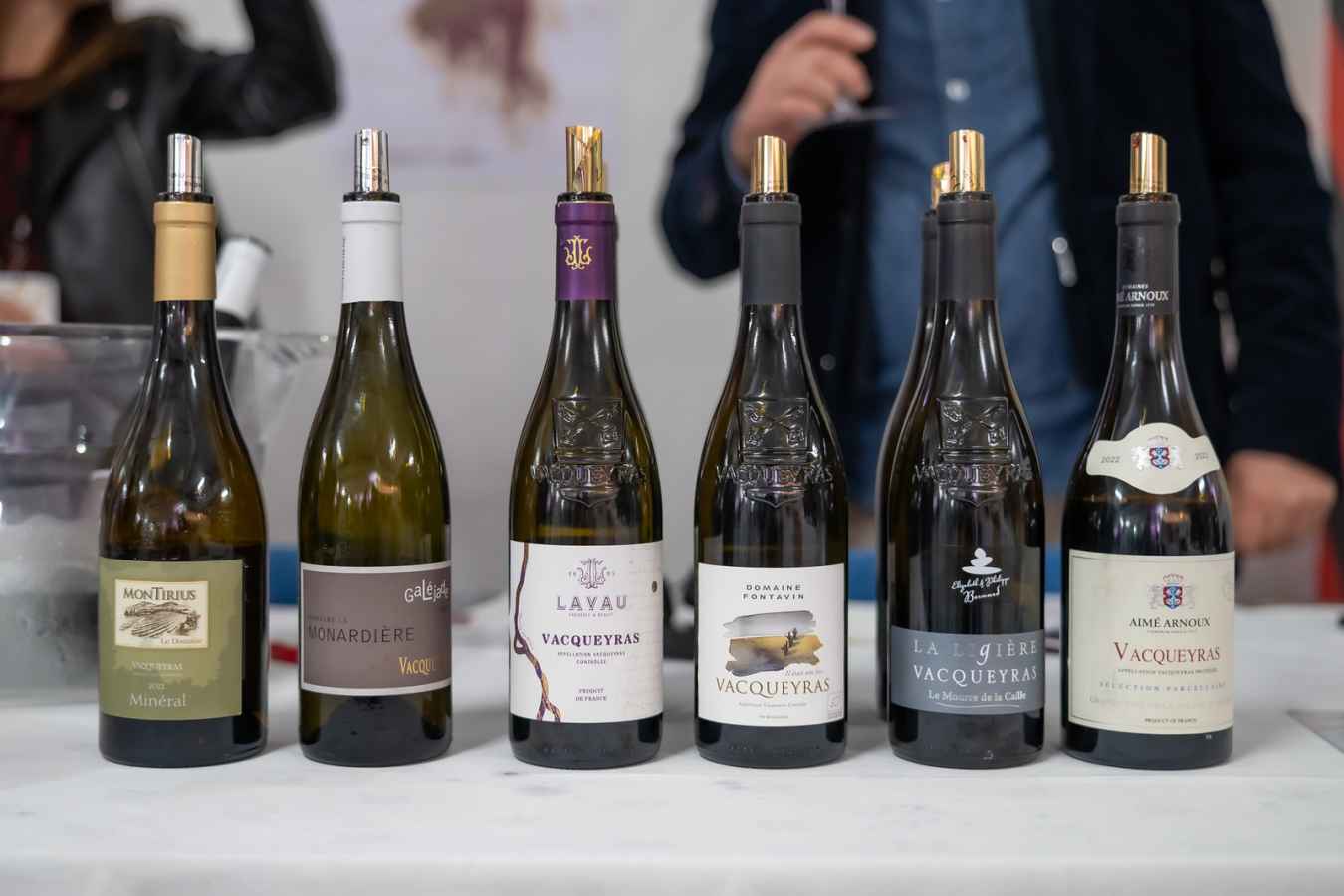
Steep terraced vineyards, garrigue scrubland, and woodland plains define the unique terroirs of Vacqueyras. This diversity of soils gives its wines a remarkable range of aromas and flavors. Available in red, white, and rosé, Vacqueyras wines are powerful yet fresh, full of character and finesse. Their reputation for quality is well established—since 1998, they have been the official wines of the Avignon Festival, earning international acclaim.
A Brief History
Winegrowing here dates back to Roman times, with archaeological remains confirming early viticulture. Written records appear in the Middle Ages, noting vineyards and taxes on grape harvests. After the French Revolution, Vacqueyras became part of France in 1791. Initially classified under Côtes du Rhône in 1937, it progressed through Côtes du Rhône Villages status before achieving its own appellation on August 15, 1990, marking the pinnacle of its recognition.
In Vacqueyras, resilience lies in diversity. “We are lucky—our deep soils hold water, and our old grape varieties give us flexibility,” explains Damien Vache. Grenache remains the cornerstone, but Vache anticipates a gradual rebalancing: “We’ll add 10–15% of Cinsault, Counoise, Carignan—varieties that bring freshness and lower alcohol.”
Rather than importing new grapes, Vache looks to history: “Our grandparents planted these grapes. We just need to multiply them.” This return to tradition extends beyond wine to polyculture—reviving olives, lavender, and almonds to strengthen biodiversity. “In the ’70s and ’80s, people wanted to focus on one very specific production,” he reflects. “Today we go back to different agriculture, because diversity strengthens resilience.”
Modern viticultural knowledge complements this approach, with canopy management and water stress monitoring ensuring balance in increasingly hot summers. For Vache, identity is non-negotiable: “With all these differences, we create specificity.” Vacqueyras’ complexity—its mosaic of soils and varietals—becomes a shield against homogenization, preserving character while meeting the demands of a warming world.
Unity in Authenticity
Despite their contrasts—north’s precision versus south’s generosity—Romak and Vache share a common ethos: authenticity, transparency, and continuity. Both champion storytelling, provenance, and sustainability as pillars of Rhône’s future. For them, legacy is not a static inheritance but a living dialogue—between past and present, terroir and technique, tradition and innovation.
As Romak puts it: “We keep the respect of the grape varieties and the soil, but adapt for climate change and evolving tastes.” Vache echoes this sentiment: “Our grandparents planted these grapes. We just need to multiply them.”
If the Rhône has always been a story of contrasts, today it is also a story of unity: a region reimagining itself for a world that demands both character and conscience.