
De Panne - An Overlooked Jewel Of Belgium
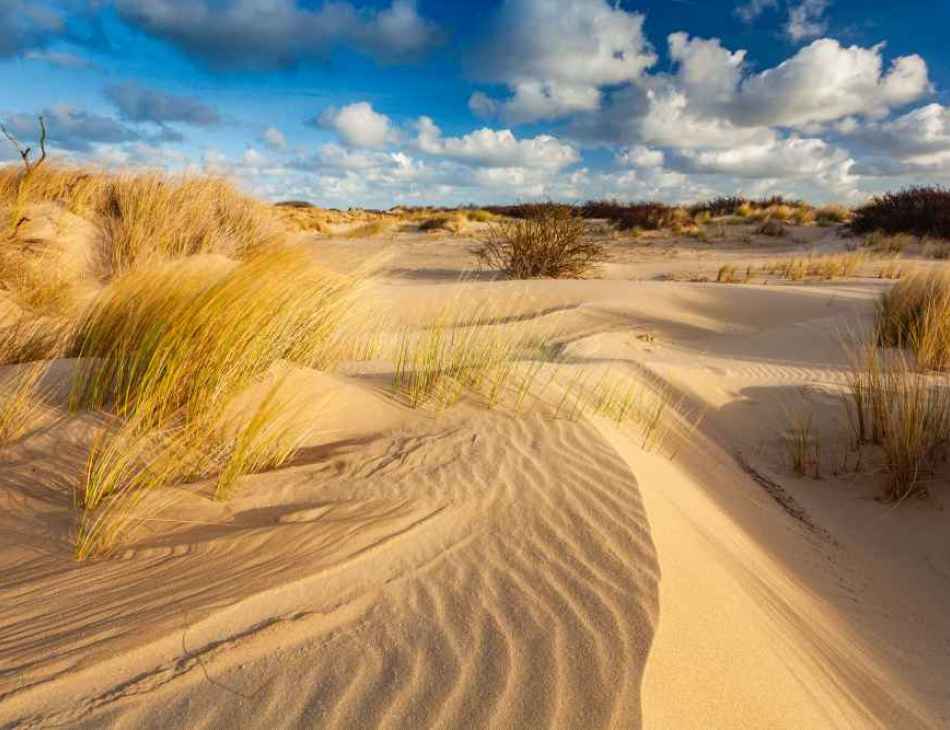
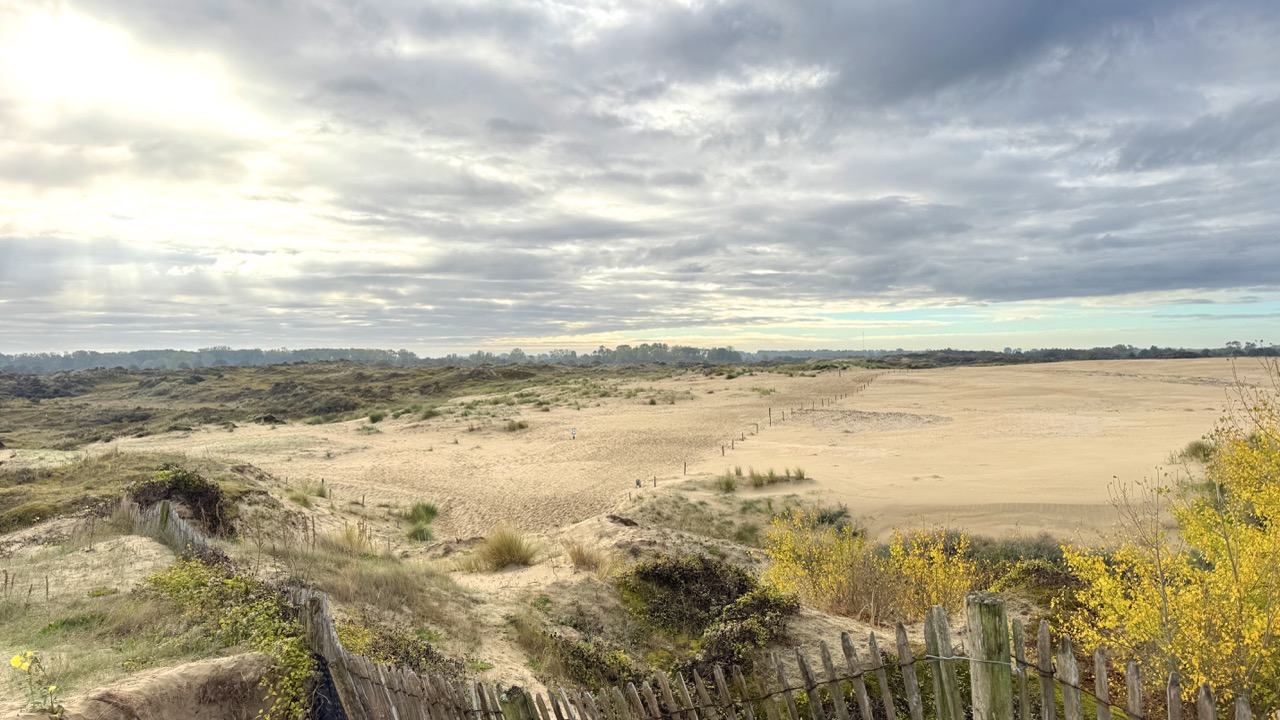
Westhoek Nature Reserve
British travellers often overlook the Belgian coastline in favour of the medieval centres of Bruges or Ghent nearby. This is a habitual oversight. While the inland cities offer history and canals, the westernmost point of the country provides an environment defined by expansive natural spaces and a specific history. De Panne sits directly on the border with France. It is the location where King Leopold I first entered the country in 1831 to claim the Belgian throne. Today, the town provides a functional and spacious alternative to the more crowded resorts found further east.
Reaching De Panne from the United Kingdom is straight forward, and with reports of jet fuel being in short supply, the perfect place to visit by car. The drive from the Eurotunnel terminal in Calais takes approximately forty minutes. For those using rail services, the route through Lille provides a direct connection. While the town is accessible enough for a single day, the scale of the natural landscape suggests a longer stay is more appropriate.
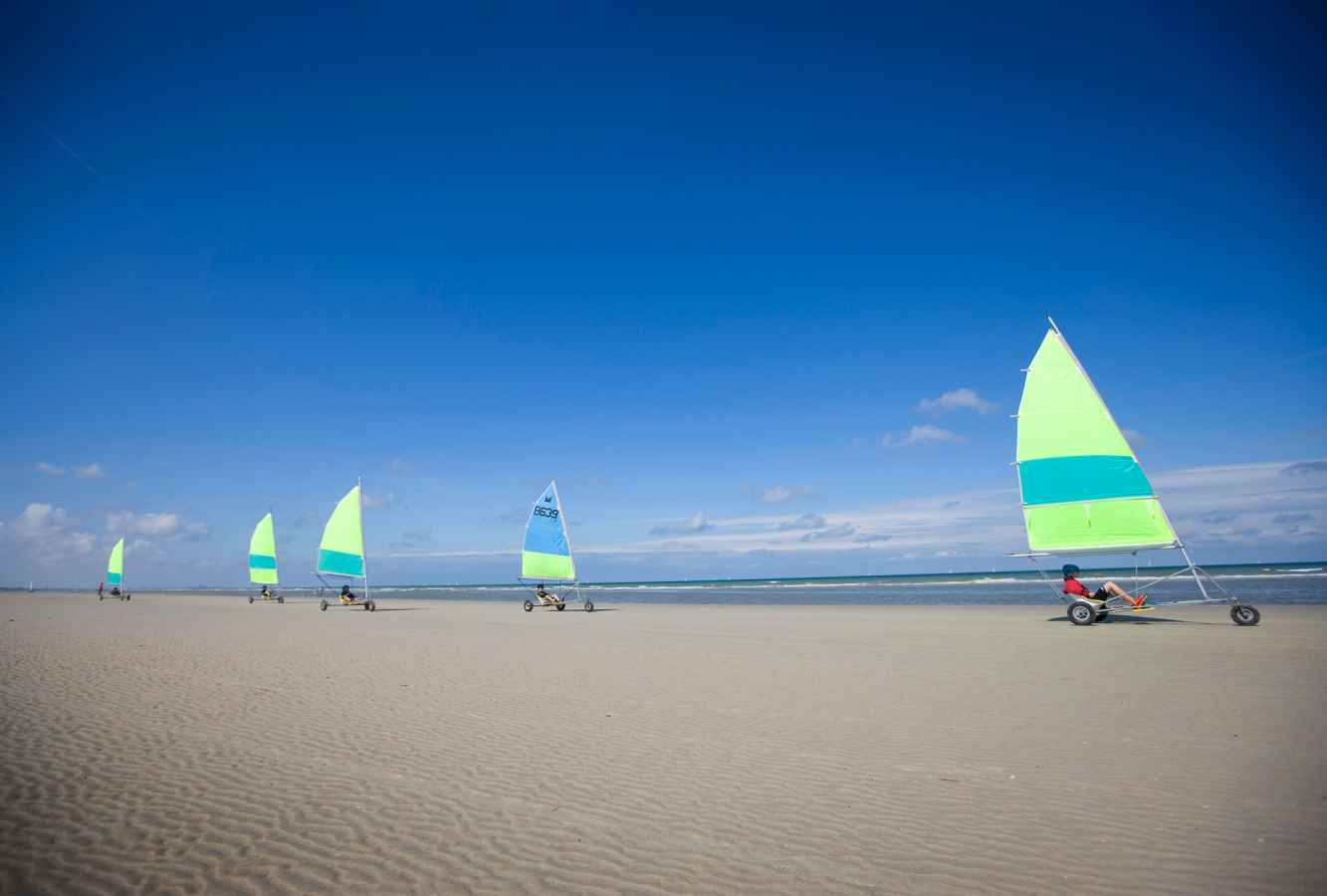
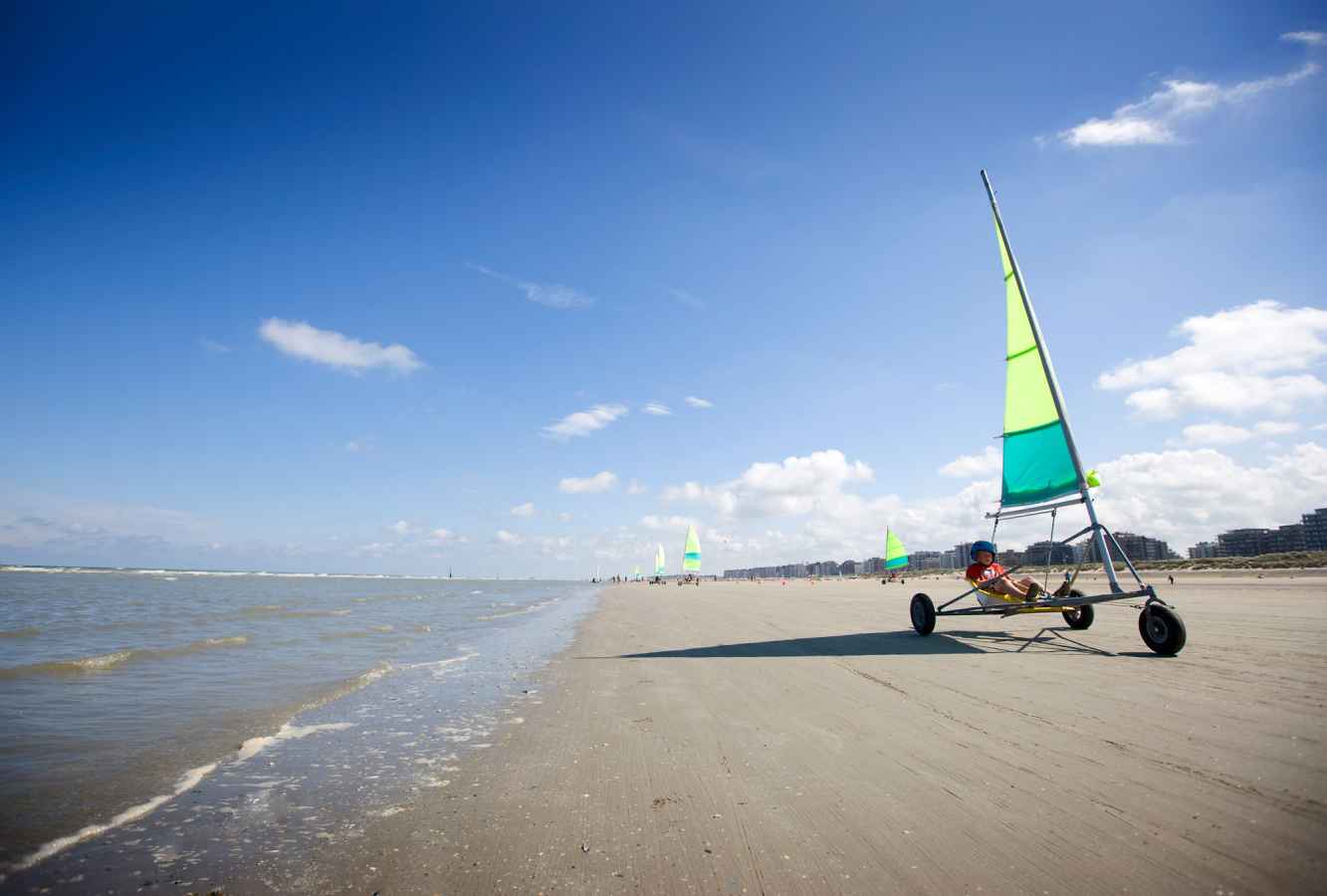
The primary feature of De Panne is its beach. At low tide, the water recedes to reveal a wide plain of firm, flat sand, whilst retaining soft sand nearer the land. This specific geography allowed for the development of sand yachting, a sport that started here with the Dumont family in 1898.
During my session (which I found exhilarating) I learned the mechanics of the sport. A sand yacht consists of a three wheeled frame with a seat positioned very close to the ground. You steer the front wheel using your feet and control the sail with a rope. There is no motor. The speed depends entirely on the angle of the sail relative to the wind.
My instructor (from Royal Sandyachting Club De Panne - https://www.rsyc.be/index.php) directed me to follow a virtual oval course. This required a precise technique to maintain momentum. To turn, you must adjust the sail to catch the wind from a new direction without losing speed. As I became more proficient, the instructor increased the size of the circuit. The physical sensation is intense. You feel every vibration from the sand through the frame. The wind creates a loud, constant noise as it passes the sail. By the end of the lesson, my forearms were tired from holding the tension of the rope, which is always a good sign. Maintaining a consistent speed while navigating the widening oval laps requires focus, but is immensely enjoyable. My mind did start to wander in the world of possibilities if I purchased my one sand yacht.. It really was that much fun!
The beach is particularly suitable for children due to its physical characteristics. It is the widest beach in Belgium and lacks the stone wave breakers found in other coastal towns, which reduces hazards for younger visitors. The sand slopes very gradually into the North Sea, creating a large area of shallow water that is appropriate for paddling and supervised swimming.
Safety is managed through practical measures. Large orientation poles topped with recognisable icons, such as a boat or a ball, are placed along the sand to help children identify their location. The town also provides enclosed play areas directly on the sand, such as the Arizona beach playground, which contains climbing equipment and trampolines. For older children, renting a billekarre, or pedal powered go kart, is a local tradition. These can be driven along the wide pedestrian promenade, known as the Zeedijk, which has designated lanes for this purpose.
Should the weather be unsuitable for the beach, the Plopsaland theme park and the Plopsaqua water park are located on the outskirts of the town in Adinkerke. These facilities provide various attractions and slides that cater specifically to families.
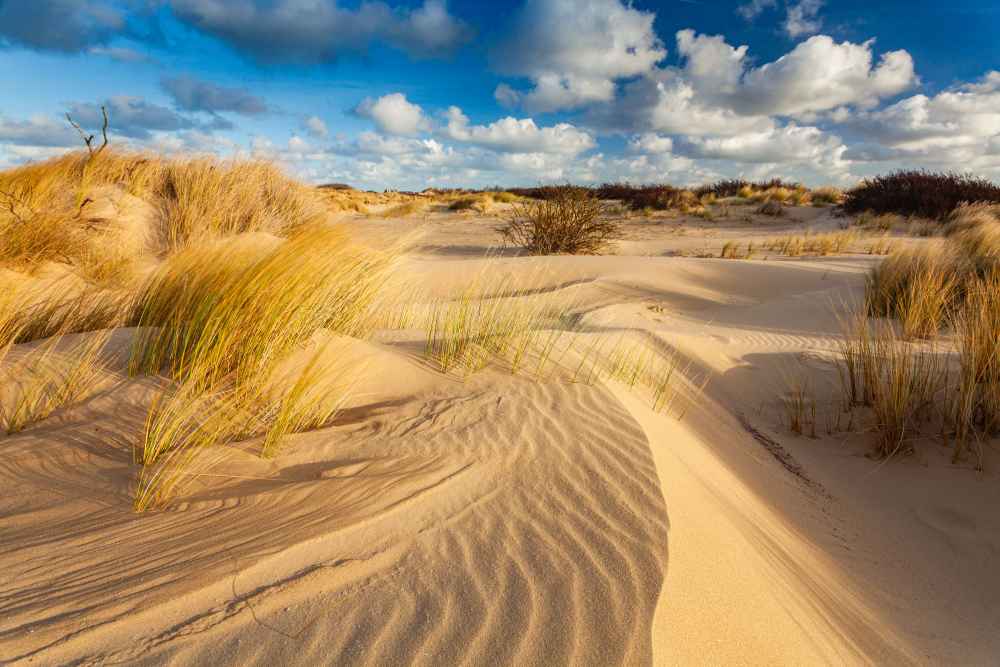
Behind the beach lies the Westhoek Nature Reserve. This is the oldest nature reserve in Flanders, covering 340 hectares. It contains a complex system of dunes that are divided into three distinct types. There are the older fossil dunes situated further inland which are stable and covered in forest. Then there are the parabolic dunes, which have a horseshoe shape created by the wind. Finally, there are the mobile dunes, which are devoid of vegetation and can move several metres every year.
The ecological diversity of the Westhoek is significant. In the wet slacks, which are the low areas between dunes that collect fresh water, you can find rare plants like the grass of Parnassus and the marsh helleborine. These areas also provide a habitat for the natterjack toad. To manage the landscape and prevent the dunes from becoming overgrown with scrub, the reserve uses large grazing animals. You will likely see Konik horses and Highland cattle within the fenced areas. These animals eat the invasive vegetation, allowing the sand to remain part of a dynamic system.
For walkers, the reserve is a primary attraction. The trails are clearly marked and vary in length. One can follow the peripheral path which covers approximately ten kilometres and offers a view of every terrain type (www.visitwestvlaanderen.be/en/westhoek-walking-route). Because the reserve borders France, it is possible to walk directly into the French Dunes du Perroquet without any physical barrier. The dunes block the sound of the sea and the town, creating a quiet environment.
The food in De Panne is heavily influenced by the North Sea and its proximity to France. The grey shrimp is the most important local ingredient. These are caught by traditional boat and have a wonderful flavour. In local restaurants, you will find these served in several ways.
The garnaalkroket, or shrimp croquette, is a standard item on almost every menu. A high quality version contains a large amount of whole shrimps in a thick sauce, encased in a thin coating of breadcrumbs. It is typically served with fried parsley and a slice of lemon (which is exactly what I had at the superb Restaurant Benelux). Another common dish is tomate crevettes. This consists of a fresh tomato stuffed with shrimps mixed with a light mayonnaise. This is a cold dish and is often consumed as a lunch item.
Main courses frequently feature fresh fish. Sole meunière is a popular choice, where the fish is lightly floured and fried in butter. During the autumn and winter, mussels are the primary attraction. They are served in large individual pots, usually cooked with celery, onions, and white wine. It is standard practice to eat these with thick cut fries and a specific mustard based sauce.
The beverage options reflect the local culture. Picon vin blanc is the traditional aperitif of the region. It is a bitter orange based liqueur mixed with white wine. For beer enthusiasts, the Saint Idesbald brand is brewed locally and offers several varieties, including a blonde and a double. The town also has many shops selling freshly made waffles. These are often purchased on the promenade and eaten while walking.
The town contains the Dumont Quarter. This area was built at the end of the nineteenth century and features villas designed by architect Albert Dumont. The buildings were constructed to fit the natural slope of the dunes using local brick and timber. This area has been protected to prevent the construction of the concrete high rise buildings that are common in other Belgian seaside towns.
Transportation along the coast is managed by the Kusttram. This is the longest tram line in the world, running sixty seven kilometres from De Panne to Knokke Heist. It allows visitors to visit other coastal towns without using a car.
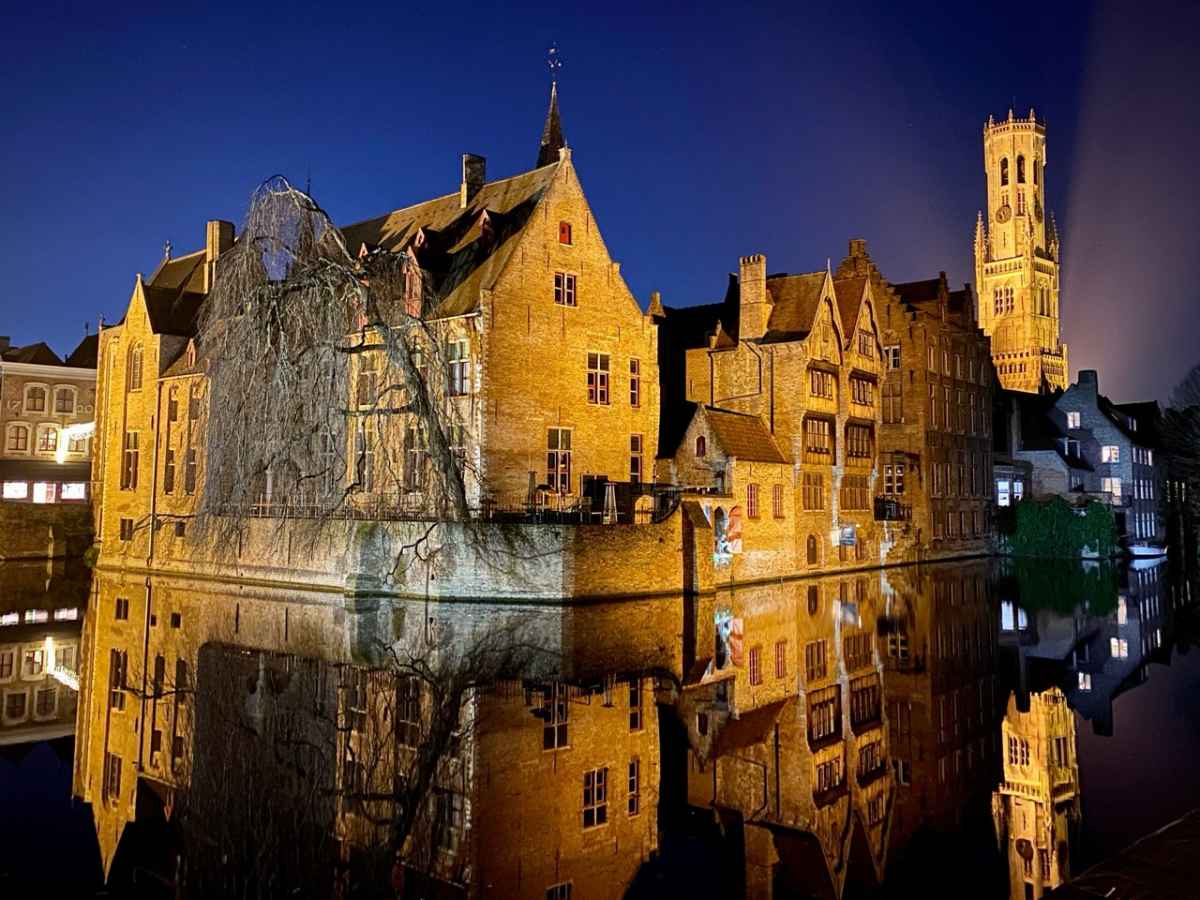
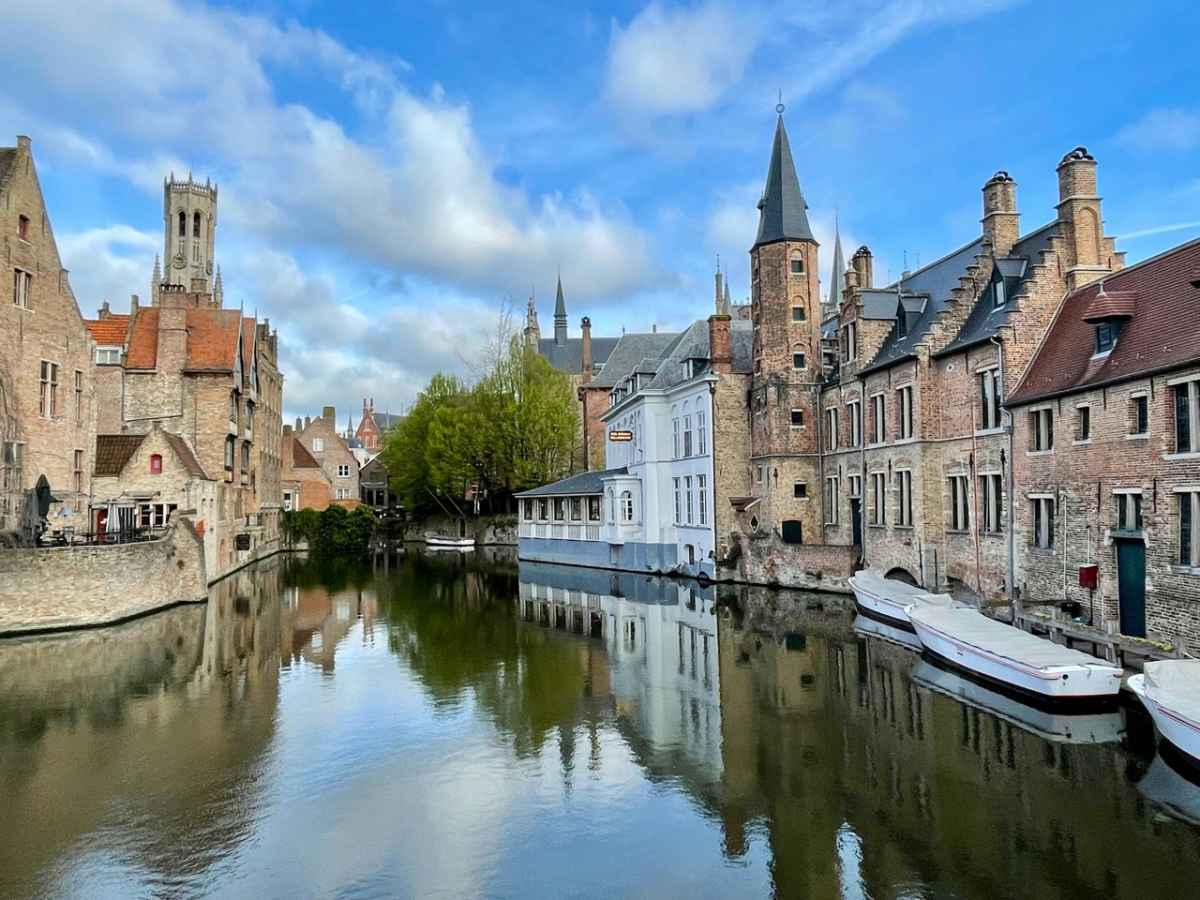
For those who wish to see the more traditional tourist sites, Bruges is very close. It is approximately a fifty minute drive via the E40 motorway. Alternatively, the train from De Panne station takes just over an hour and requires a single change. This makes it feasible to stay in the quieter, more natural environment of De Panne while still visiting the historic centre of Bruges for a day trip.
De Panne is an appropriate choice for those who prefer physical activity and quiet natural spaces. It is a town defined by the wind and the sea, offering a clear contrast to the urban tourist routes of central Belgium.
While the lure of a medieval belfry remains strong, there is much to be gained from following the coastline to its furthest edge. De Panne offers a rare combination of expansive wilderness and quiet sophistication, providing a necessary palate cleanser to the dense crowds of the inland cities. Whether one is wrestling with a sail on the sand or simply enjoying the quietude of the dunes, the town serves as a reminder that the best travel experiences often lie just beyond the familiar path. For the British visitor, it is an accessible escape that rewards the curious with a sense of space that is increasingly hard to find elsewhere. It may well be time to trade the cobblestones for the shore.
I stayed at the Continental Hotel in De Panne, which is superbly situated very close to the sea front and main shopping area. You can find further information at www.visitflanders.com or www.belgiancoast.be.