
EAST TIROL, AUSTRIA'S SUNNY SECRET
East Tirol is a hidden gem for winter holidaymakers due to its breathtaking alpine scenery, uncrowded ski slopes, and authentic Tirolean charm that offers an unparalleled escape from the bustling tourist hotspots. Ramy James Salameh discovered the regional capital of Lienz with its mediterannean influences, discovered Austria's first winter hiking village and reaped the benefits of bathing in an icy lake.
Rising Above Lienz
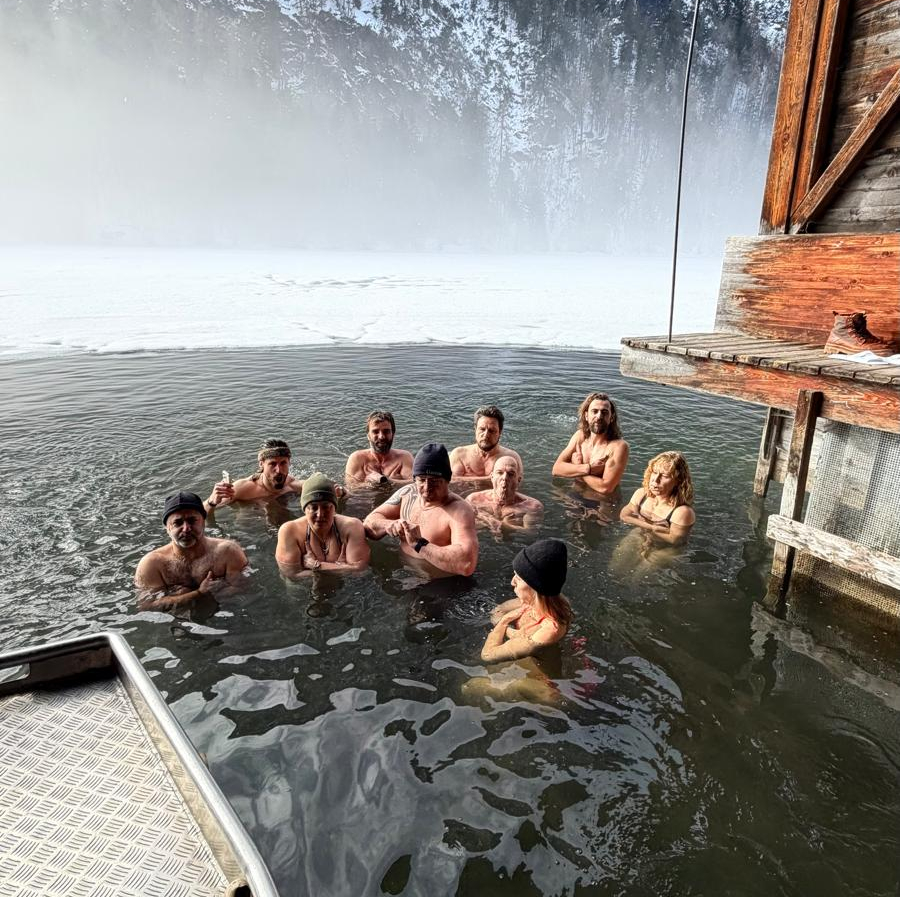
“Focus on a point at the other side of the lake and step-in, you can do it” boomed Philipp Steiner, a cold-water therapist and former ski-racer, who was already submerged in the icy lake, waiting for his new recruits to join him.
Ripples of near-freezing water radiated-out from around the ancient timber boat station, our entry point to the only pocket of water not frozen over by thick ice.
Our setting was Lake Tristach, which has been wooing bathers since the 1850’s, long before the nearby Tyrolean Parkhotel Tristachersee was inviting guests through the door.
Frozen in time
The Boat House's heavy timber beams framed the wintery scene, as I descended the semi-submerged wooden steps into the lake. Striding purposely into waters of such low temperatures instantly sent my breathing into rapid staccato rhythms, until I heard the words "Breath slowly, slowly, slowly"! Having tuned back into Philipp's voice, my breathing normalised, and I could start to take-in the alpine flora and fauna, whilst watching everyone else's reaction to our extreme activity, made trendy by Wim Hof.
3-minutes and 20-seconds later, I was standing back on the timber decking – the aged wood seemed to instantly warm my body, before I fully embraced the benefits of this cold water therapy; having shocked and constricted my blood vessels, they now dilated and rose to the skins surface, pumping warm blood through my veins, known as the ‘Post Plunge Flush’. My body buzzed and tingled, alongside an invigorating rush of endorphins, which lasted across the rest of the day, and set me up for the rest of my stay.
Lake Tristach is just 5km from the charming medieval town of Lienz, sitting in a sunny basin 673m asl., and surrounded by the Lienzer Dolomites and Hohe Tauern Mountains. Here, Austrian charm collides with mediterranean flair, being so close to the Italian border. So much so, that during summer the main square (Hauptplatz) is furnished with the ‘Palm Trees’ of Lienz, such is the balmy climate in summer.
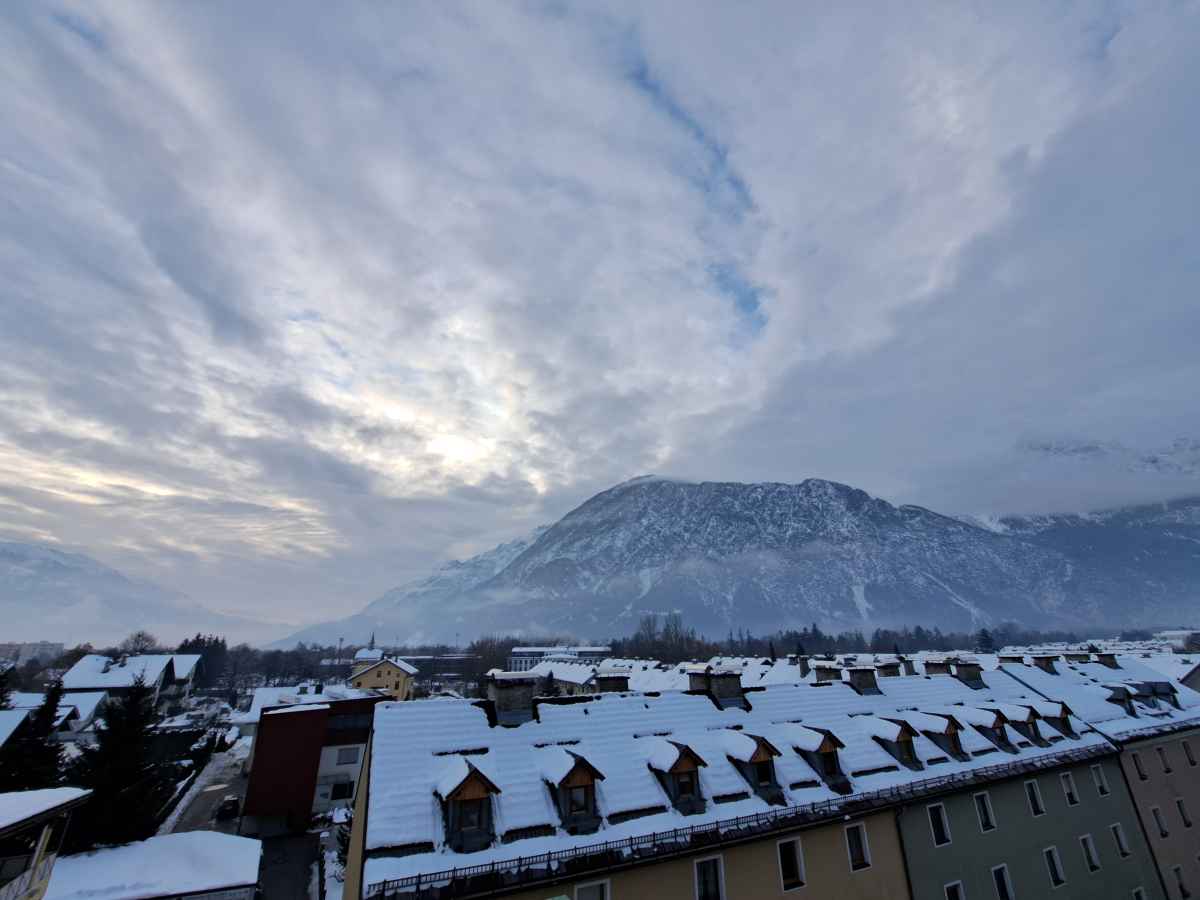
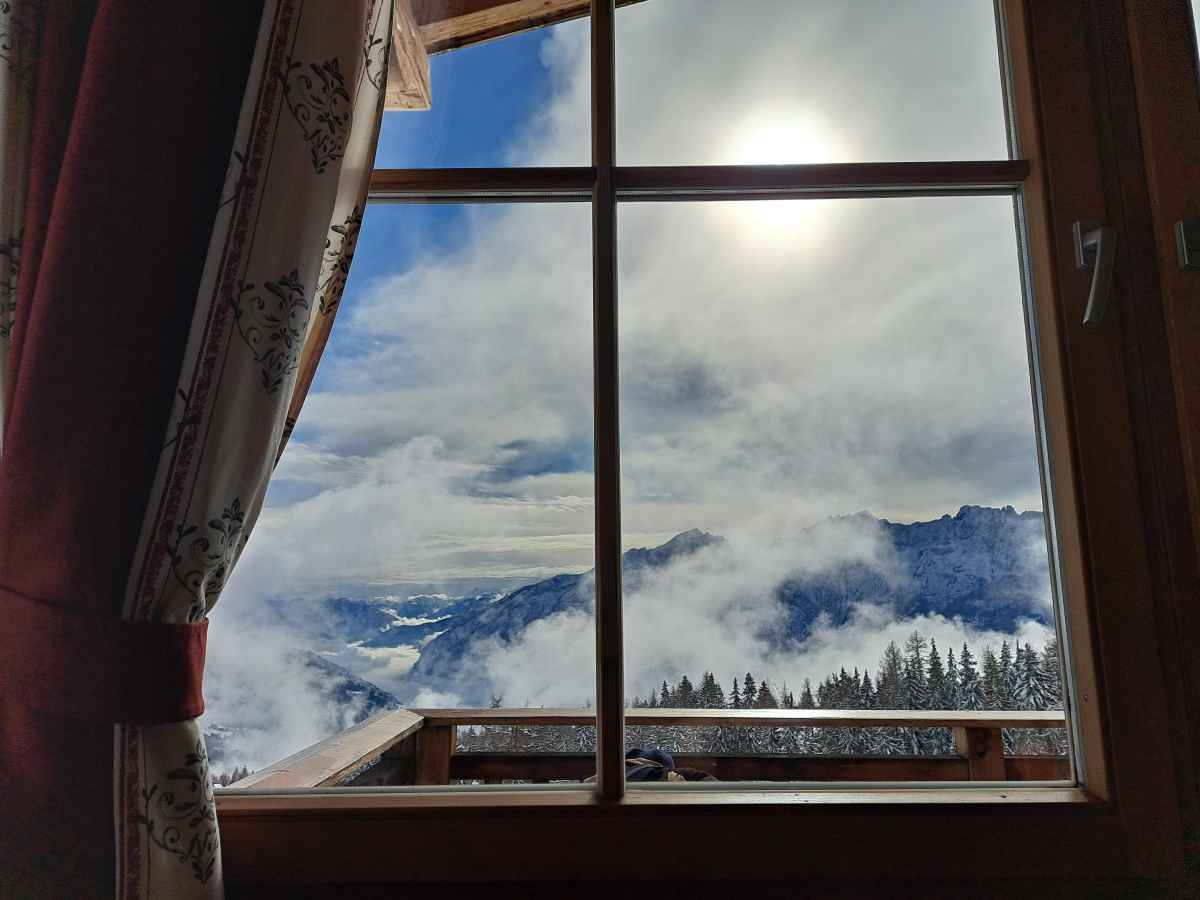
East Tirol is on the sunny side of the Alps, bringing a relaxed atmosphere to this part of Austria. We stayed at Harry’s Home, a modern hotel just moments from the old town and offering a 4th-floor 'Reception' cum ‘Living Room’ commanding striking views of the Lienzer Dolomites, which were either veiled in cloud or bathed in glorious sunlight highlighting every ridge and crevice thrusting-out from its snowy covering.
Guided by the night watchman
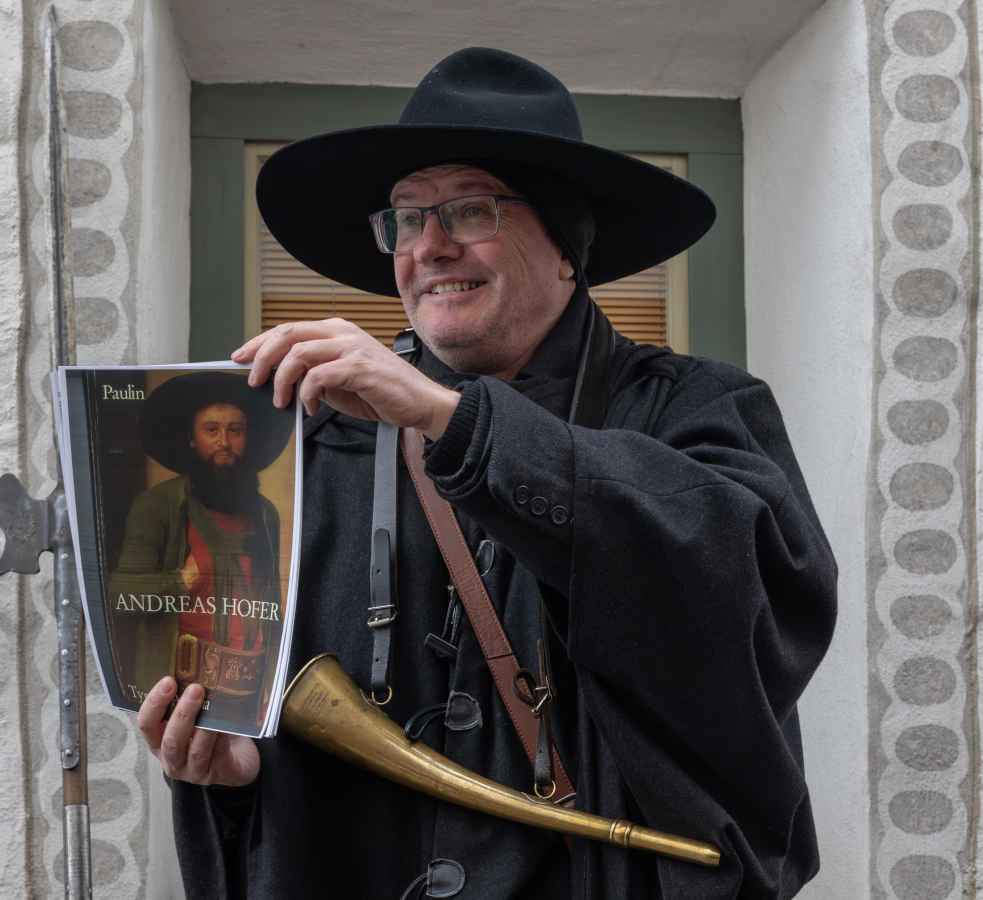
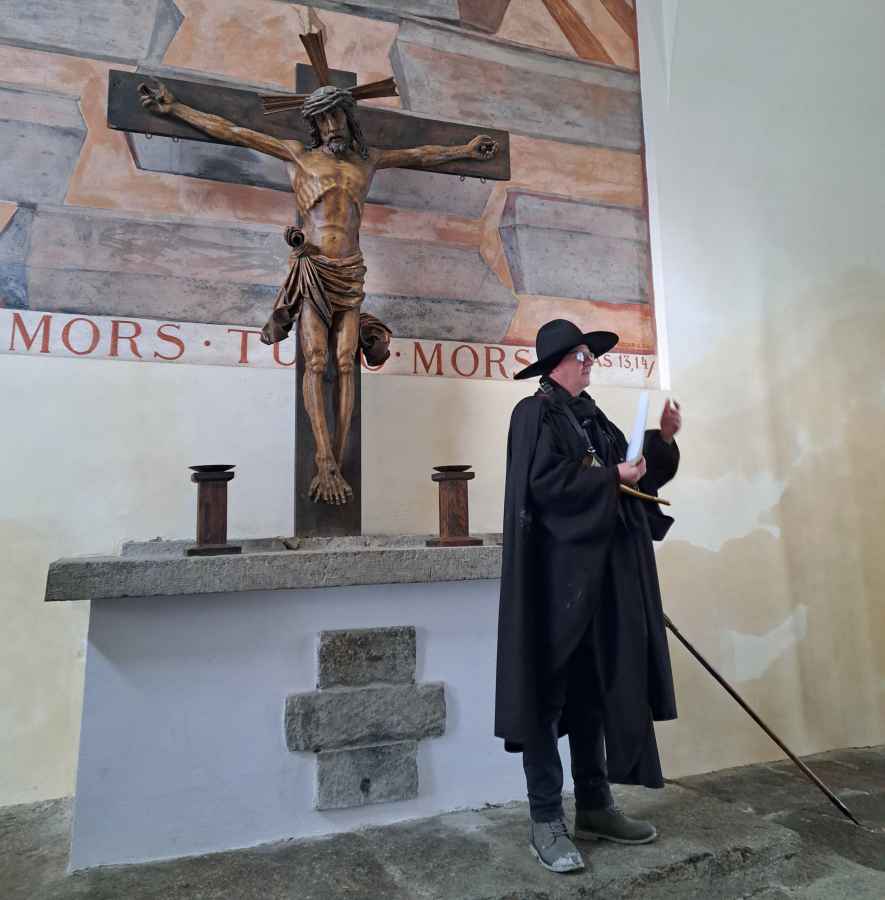
An atmospheric way to explore the compact old town is to be guided by the town’s ‘Night Watchman’. Outside of the historic centre, he looks incongruous in traditional dress of wide-brimmed hat and cloak, with a Bugel in one hand and gripping the iconic Halberd in the other, but as soon as we reach Lienz’s main square standing in front of the 17th Century Liebburg Castle, things start to make sense.
Our guide removes from his satchel laminated images, the first is of Andreas Hofer, the victorious leader of the Tyrolean freedom-fighters who defeated Napoleon's French troops, at a site in Innsbruck in 1809. Others follow, as we trail the cobblestone streets which covet boutique stores, cafes and vibrant market stalls, which bustle with energy, echoing the region’s unique dialect to announce the sale of produce like ‘Pregler’ a regional Schnapps made from apples, pears and plums.
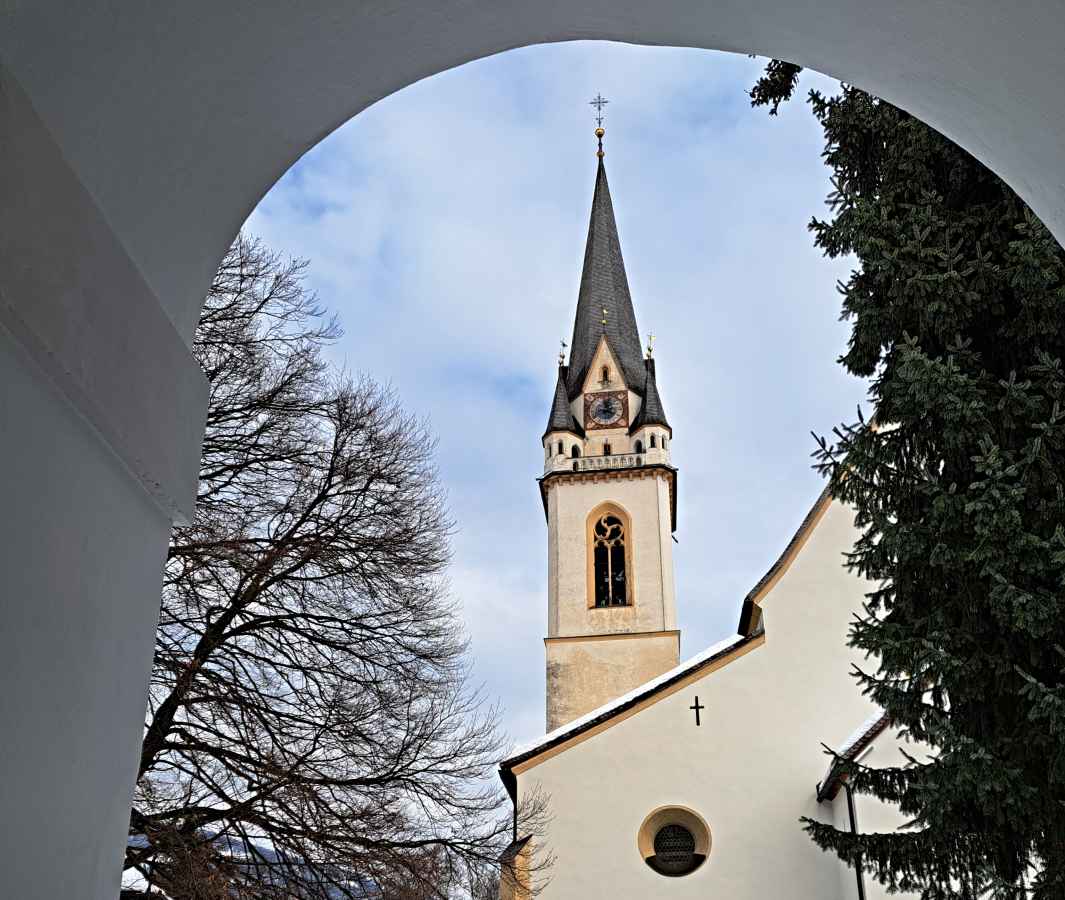
Sounding his Bugel, our guide pointed into the distance of the late gothic tower of St. Andrä Parish Church. Crossing the River Isel to reach it, we followed in the wake of the watchman’s cloak to find Lienz's oldest sacred site. Tracing its origins back to the 5th century, it is the resting place of notable figures, but just as importantly, are the frescoes from the 1300’s which vividly depict biblical scenes in striking detail.
Within the grounds, the church also houses a unique memorial chapel, displaying the only frescoes created by the celebrated artist Albin Egger-Lienz, who captured themes of war and religion and who is also buried within.
If the church warden happens to be around, he might agree to open and ascend the church tower with you. Our group spiralled its way to the belfry, to stand beside the huge bells cast by the renowned Grassmyer Bell Foundry from Innsbruck, the oldest family-owned foundry in Austria dating back some 400 years.
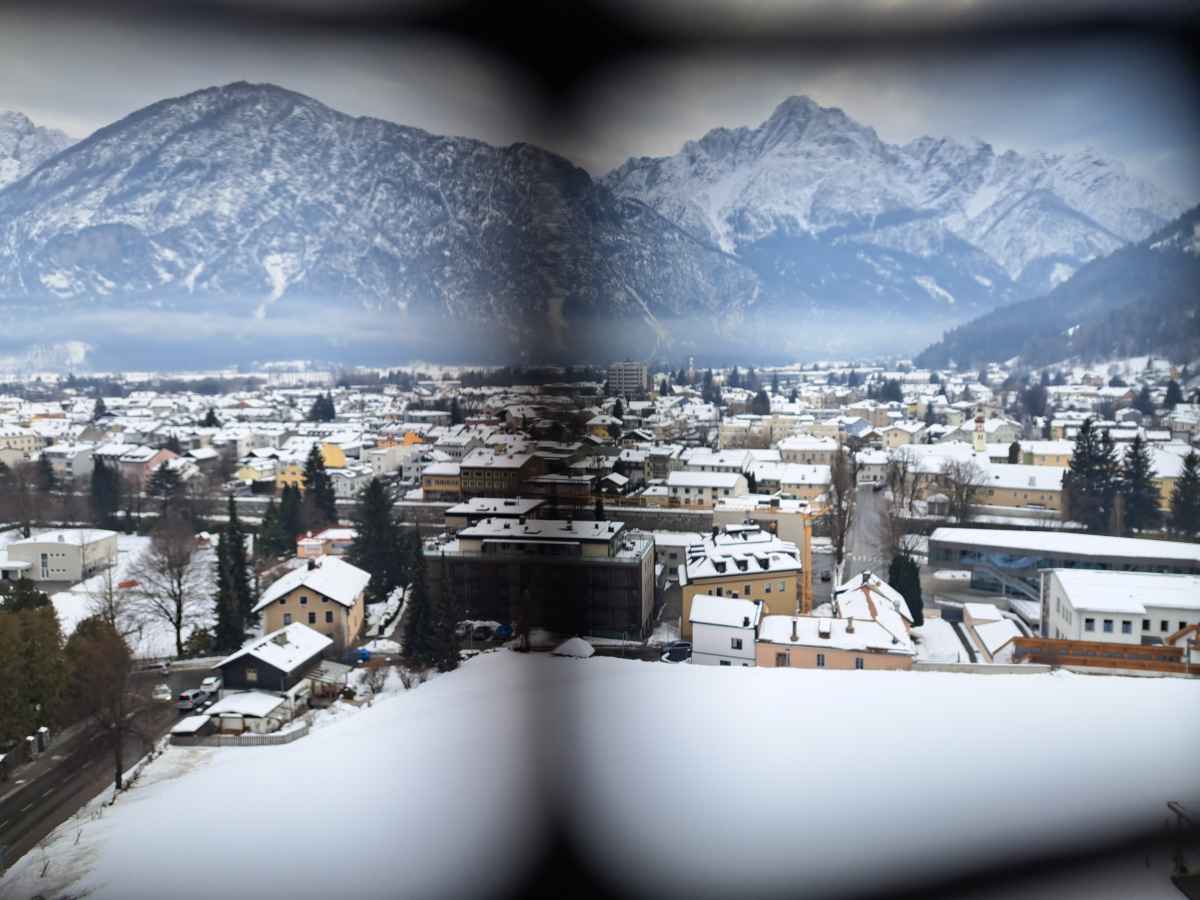
For those with a head for heights, a further ferrata-style ladder climb to the viewing balcony, was rewarded with the type of views that created a magnetizing pull towards Hohe Tauern mountain range in the north and the Lienzer Dolomites to the south.
Sky-high skiing and meditative hiking trails
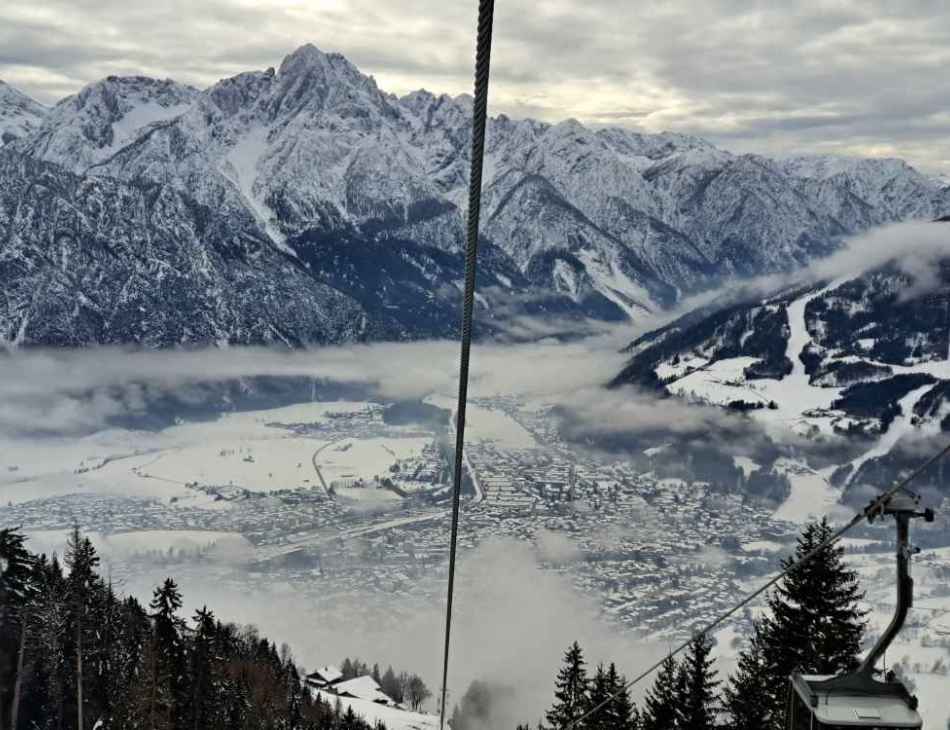
With the region dressed for winter, that pull towards the mountains was too great an urge to miss. I, soon found myself heading up towards the Zettersfeld Ski Resort, another of East Tirol’s hidden gems. As our gondola rose above the town, cutting-through the thinnest of cloud cover, I shared the journey with a Berliner, who had driven his car some 800km to vacation with his family: “we come every year as a family, I and the kids ski, my wife shops and everything fits in the car – and just look around us, it’s beautiful and quiet, both on and off the pistes, so why would we go anywhere else”.
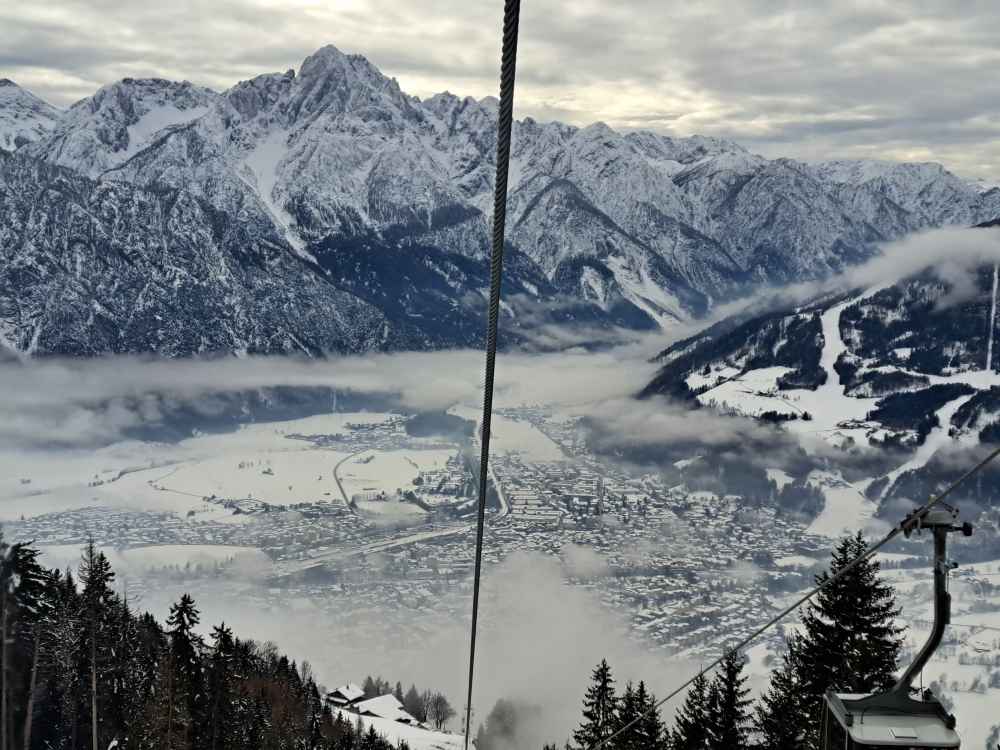
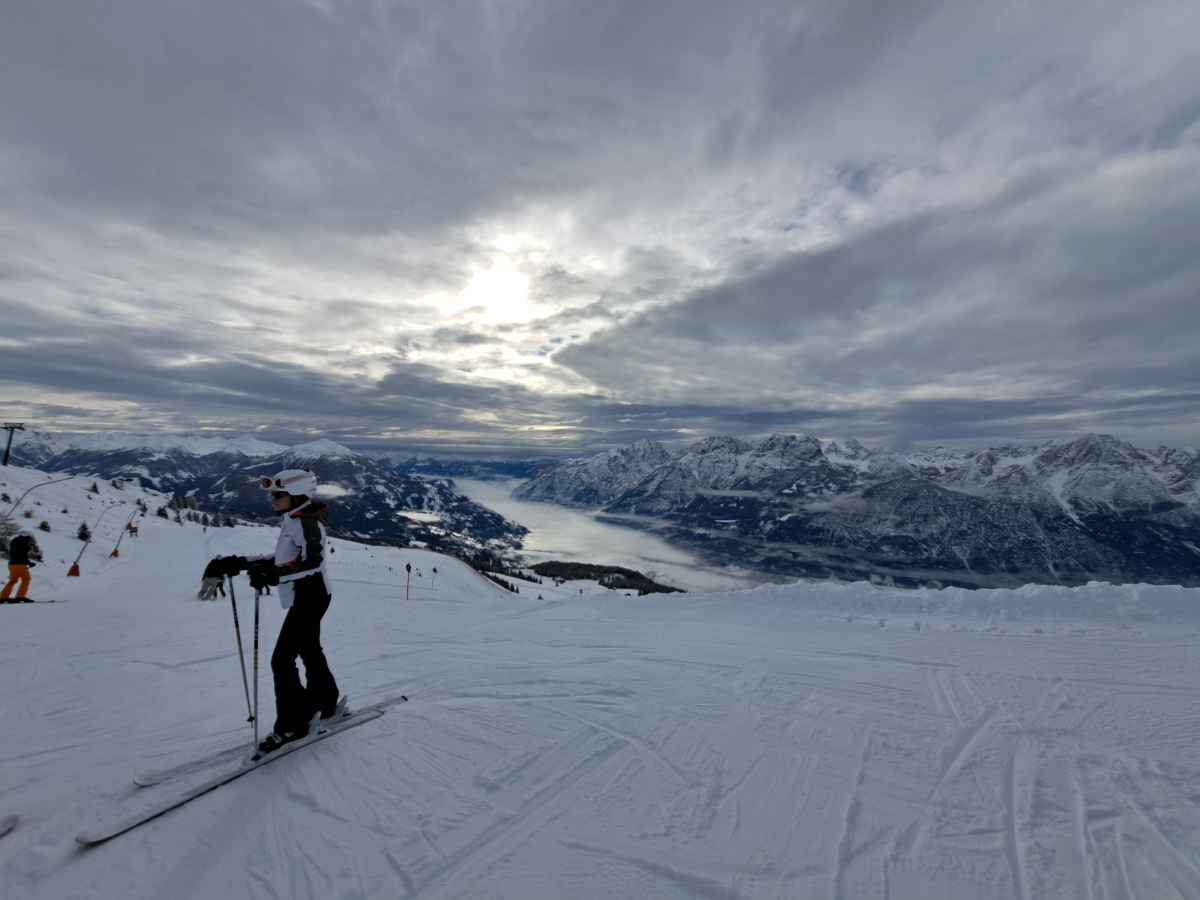
Zettersfeld sits on a sunny plateau, with 21km of ski trails, it is perfect for families and those wanting, like me, plenty of challenging blue runs, allowing me to improve but get all the atmosphere of being at high altitude. At just over 2000m, I, and my ski guide took regular breaks beside the edge of the piste to let our eyes feast on the rugged silhouettes of the Lienzer Dolomites rising majestically, whilst framing the Drau Valley and the elegant town of Lienz nestled at its feet, before continuing our leisurely descent.
East Tirol still had one more secret gem to harness health and wellness for mind and body. Whilst the ice-bathing had surged my body with endorphins, the mood-boosting serotonin now took over, in the mountain village of Kartitsch, just 30-minutes from Lienz.
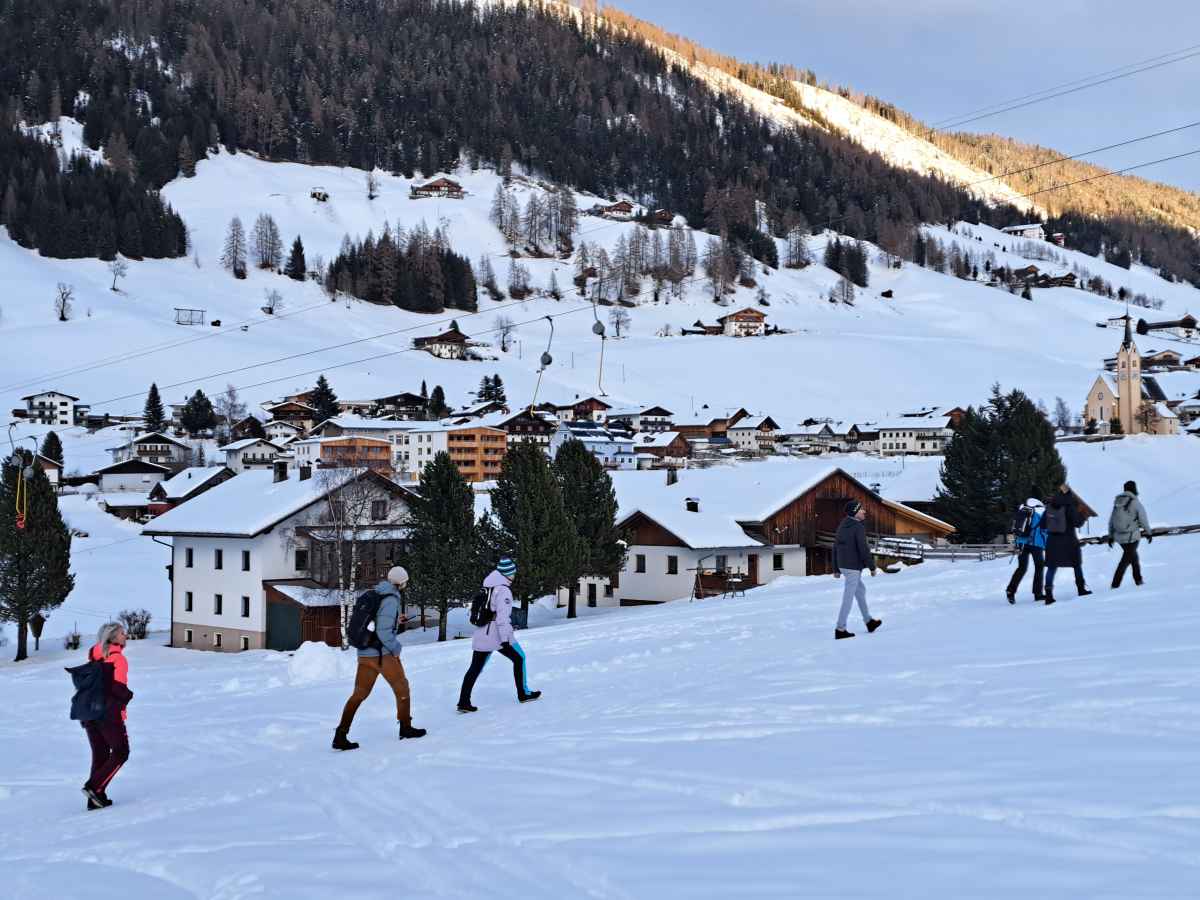
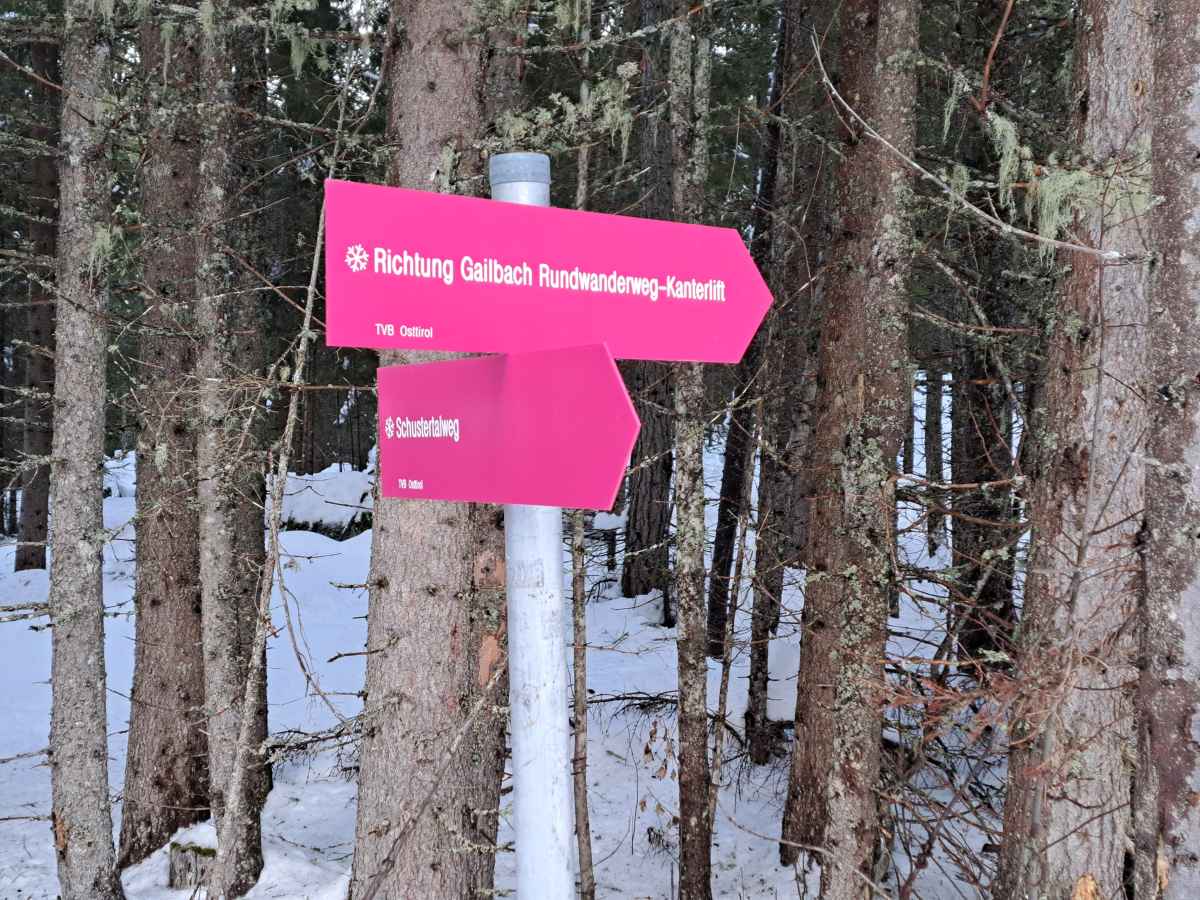
Since becoming Austria's first winter hiking village in 2018, it has embraced the magic of winter's tranquility. It’s quaint cluster of cow barns and Tyrolean chalets sit peacefully in the landscape at 1,356m asl., and yet is dwarfed by the scenery around it, making it the ideal start and end point from which to follow the magenta-coloured signs pointing to one of nine designated hiking trails.
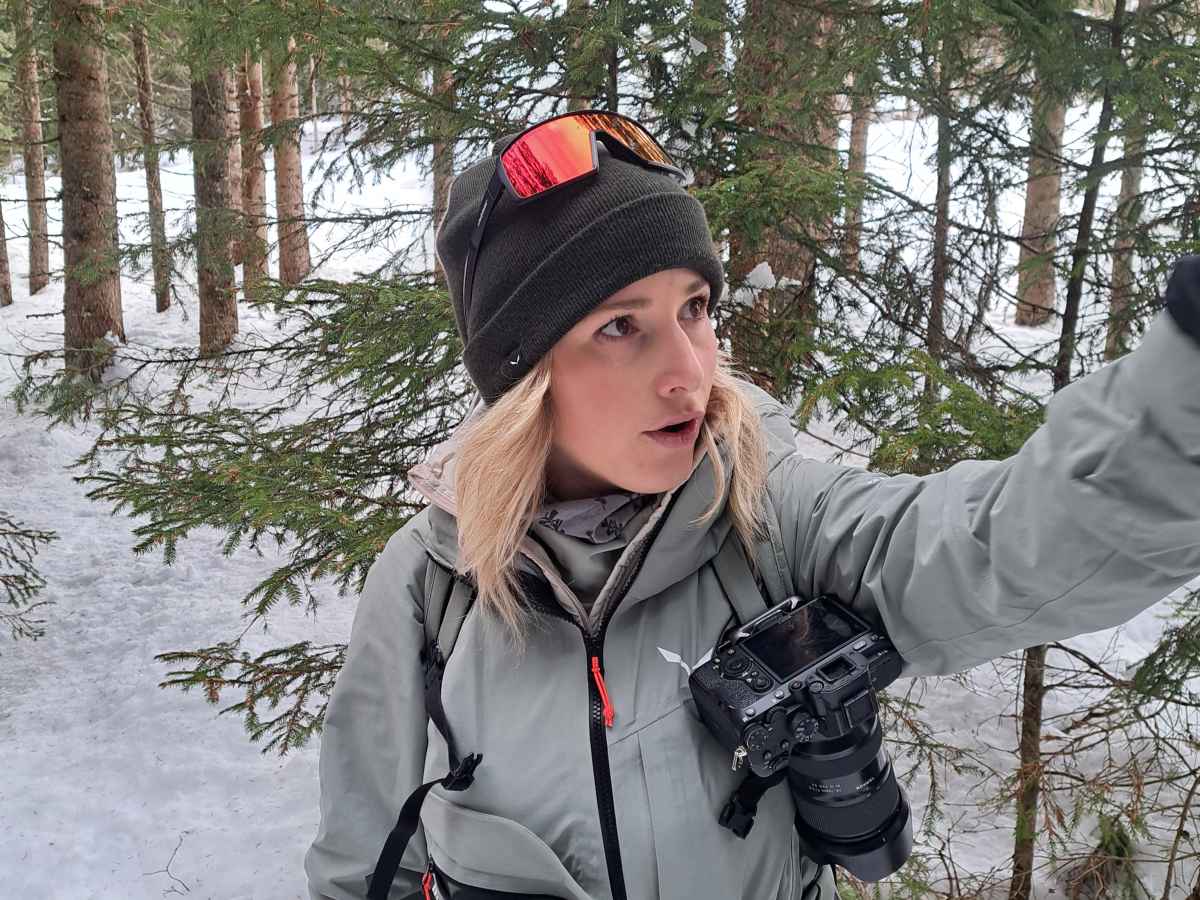
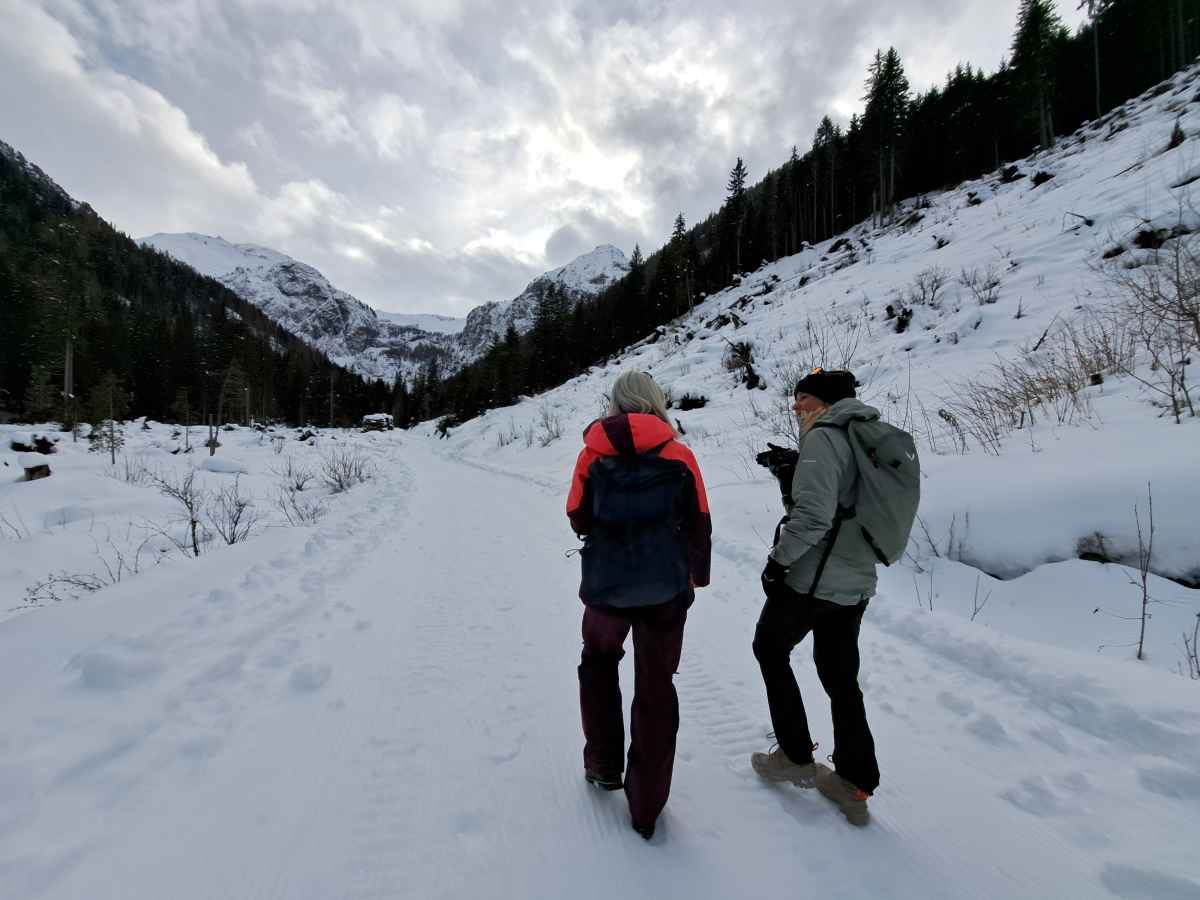
Trekking along the Schustertal winter hiking path with mountain hiking guide Lena Sulzenbacher, we meandered through the pine forests breathing in the crisp, fresh air, while the gentle crunch of snow beneath our boots created a soothing melody. Our senses heightened by the sounds and sights of a changing landscape, even following a route with a gentle elevation. From identifying paw prints in the snow to gazing at statuesque boulders stemming from the last ice age, emerging above the snowline, all contributed to a zen-like calm and a feeling of contentedness.
East Tirol had left me feeling refreshed and rejuvenated, it was time to move on. The only question I had to answer was do I head southwest to Cortina d'Ampezzo for the Winter Olympics, just a 1.5hr drive from Lienz or southeast to Ljubljana a 2.5hr drive into Slovenia? The answer was simple, I had to do both!