
New Audi RS 5: The Sensible 630 bhp Estate
Introducing the first Hybris RS Model from Ingolstadt
New Audi RS 5
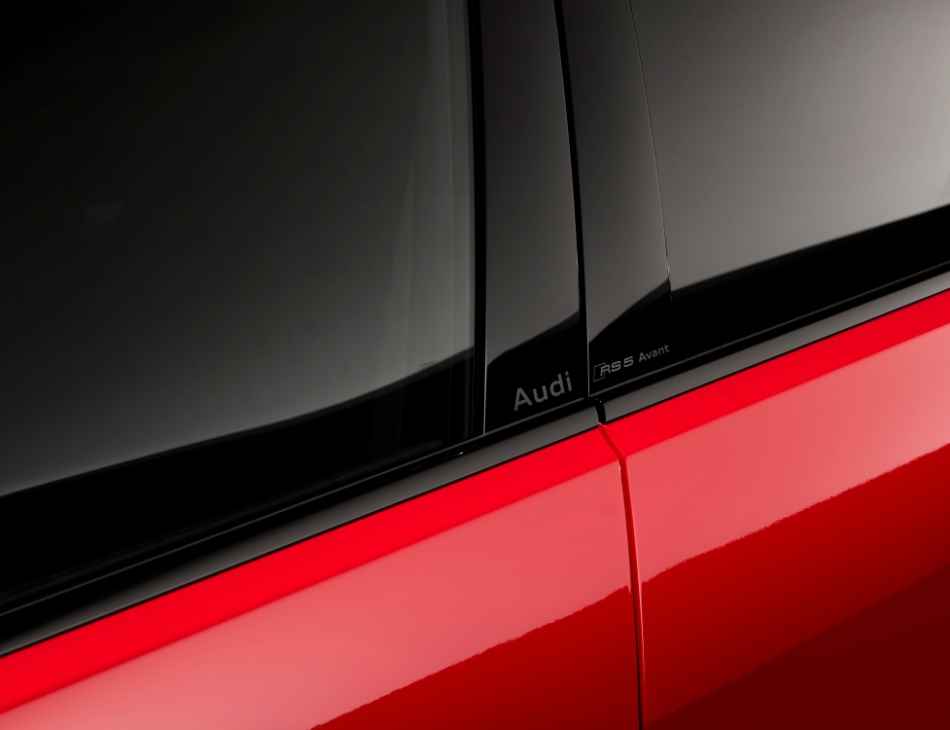
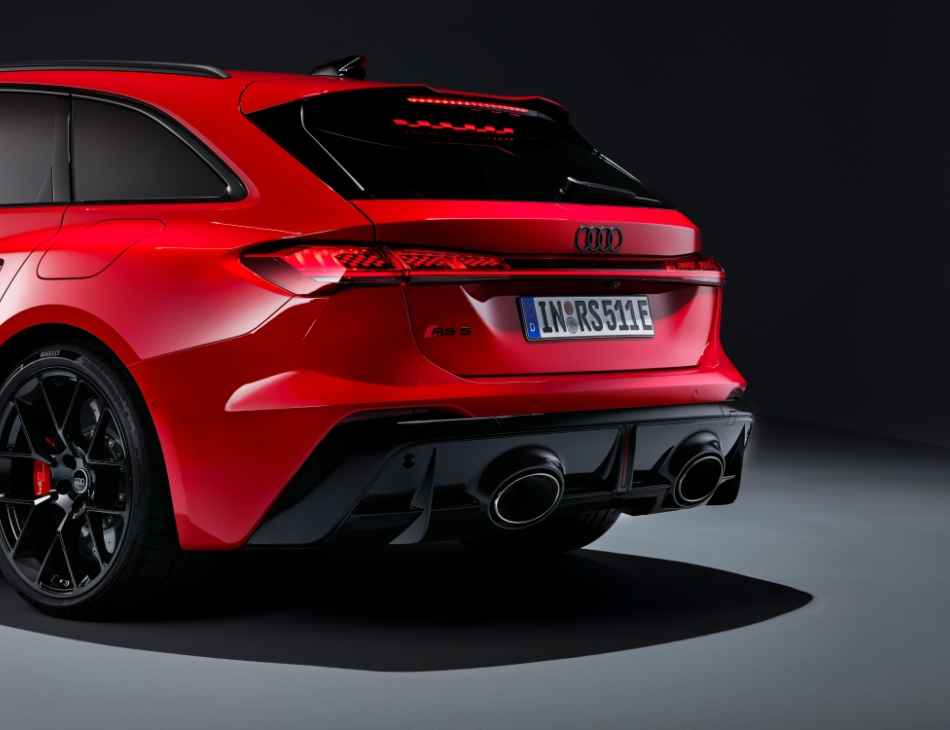
There was a time when an Audi RS model announced itself with little more than a swollen set of wheel arches and the faint whiff of mischief. Now it arrives armed with a charging cable, a 400-volt electrical system and enough computing power to run a modest space programme.
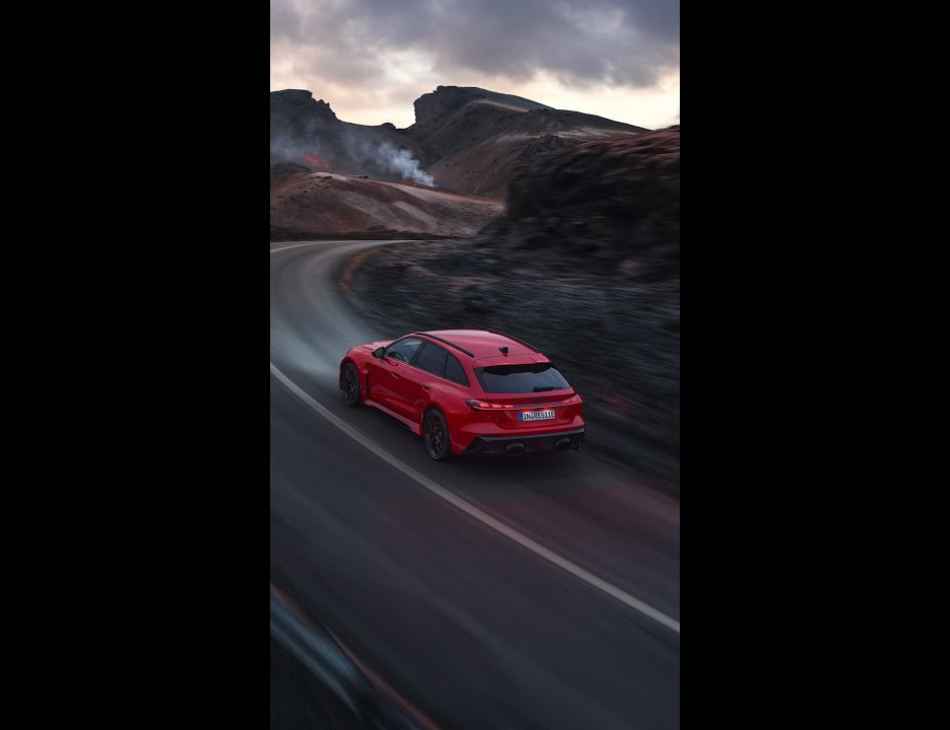
This is the new Audi RS 5, Audi Sport’s first high-performance plug-in hybrid and it produces a faintly ridiculous 470 kW, or 630 bhp in old money. Which is to say, quite a lot.
At its heart sits a 2.9-litre twin-turbo V6 producing over 500 bhp. To this, Audi has bolted a 130 kW electric motor integrated into the eight-speed transmission. Together they generate 825 Nm of torque and dispatch 0–62mph in just 3.6 seconds. Top speed? 155mph as standard, 177mph if you tick the right box and have a suitably long runway.
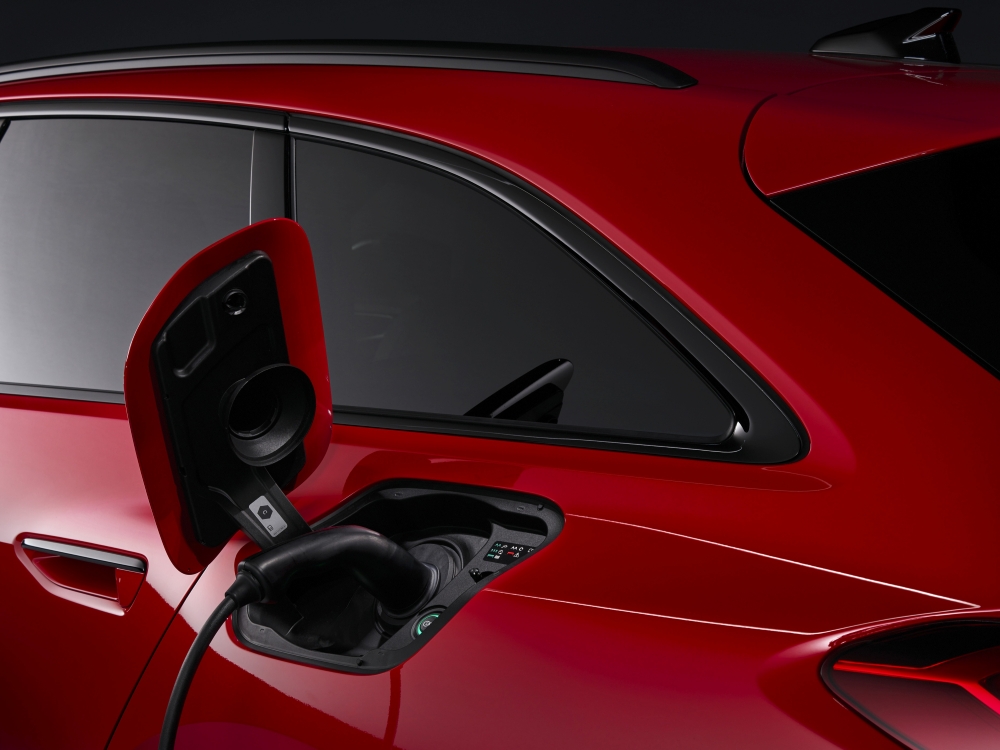
And yet, as is the way these days, it will also potter about on electric power alone. The 25.9 kWh battery allows genuine EV driving for the school run, the supermarket or that gentle crawl through Surrey villages where 630 bhp would feel socially excessive.
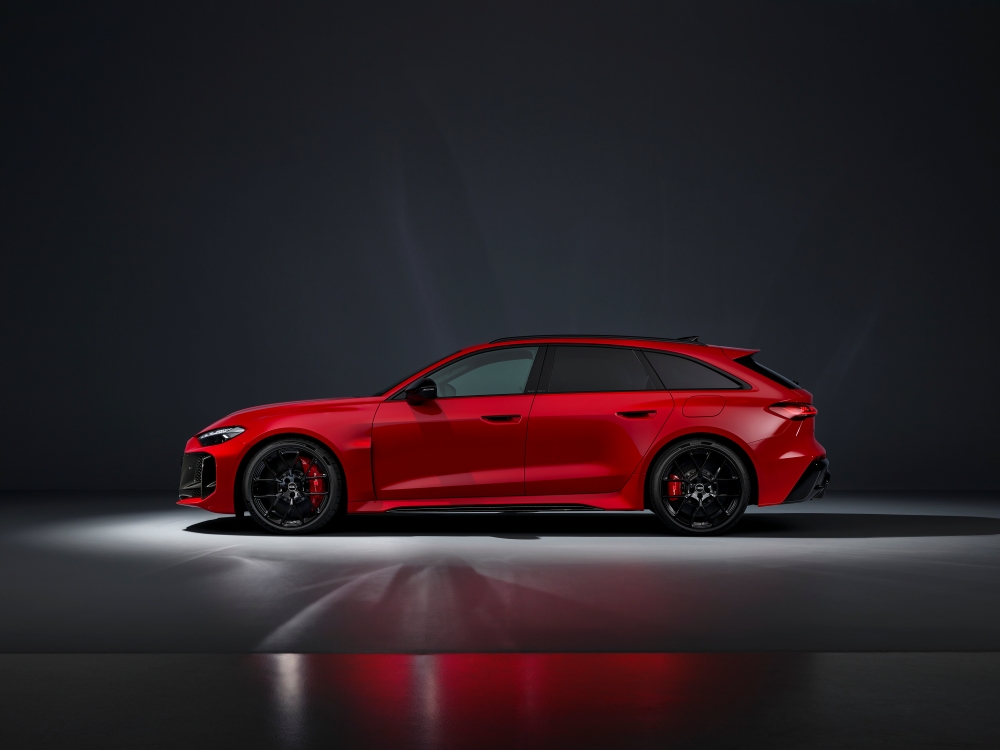
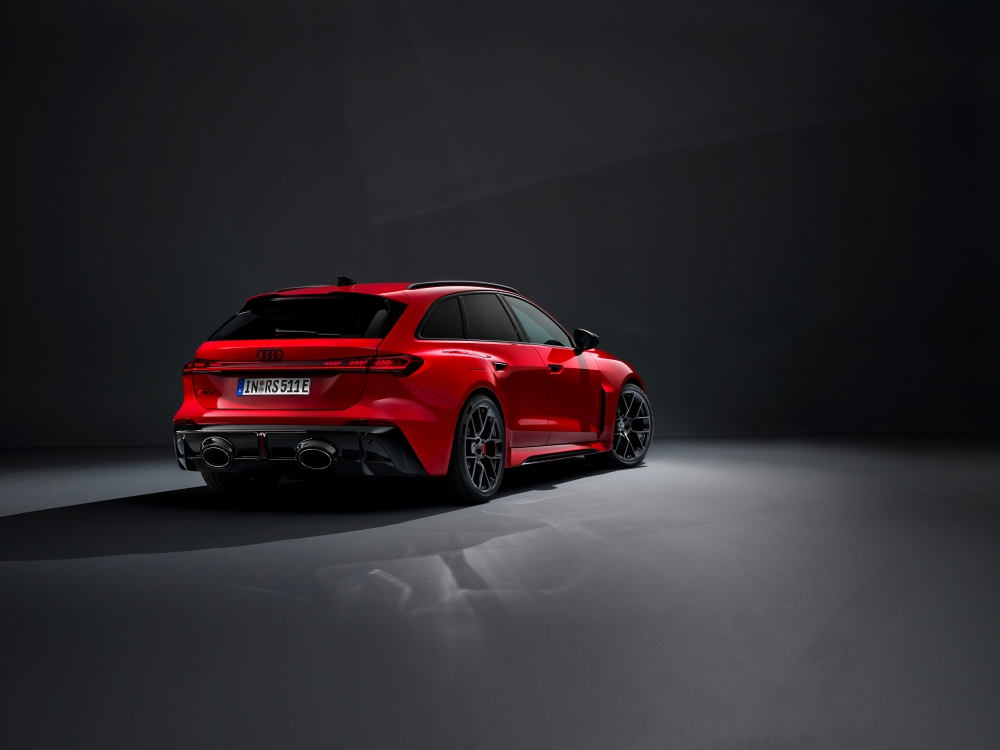
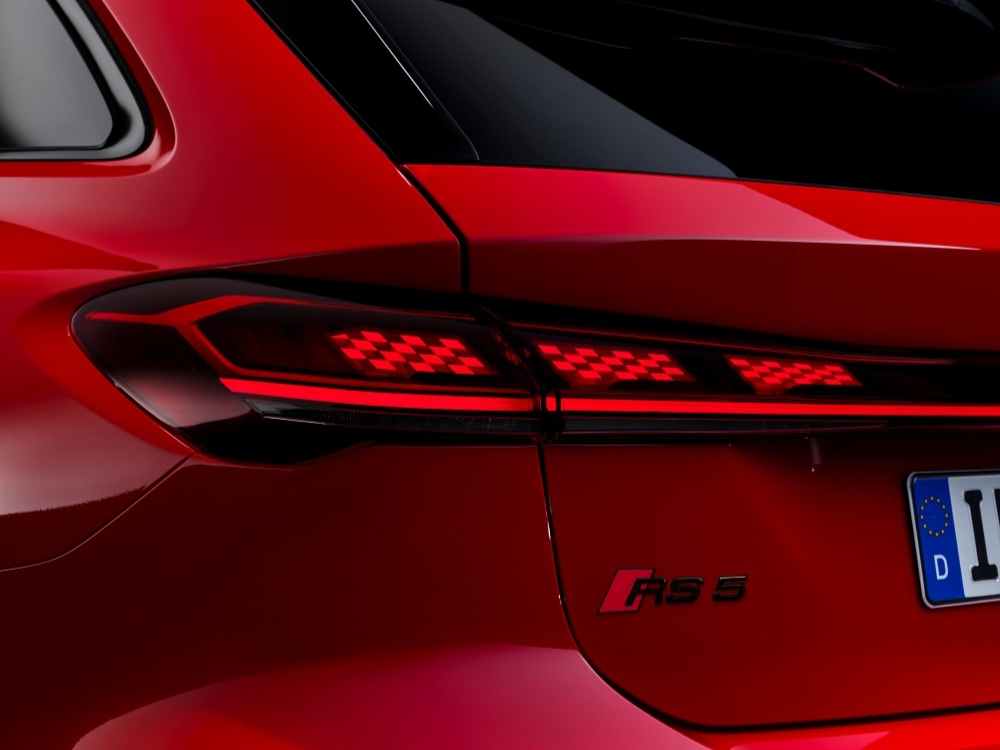
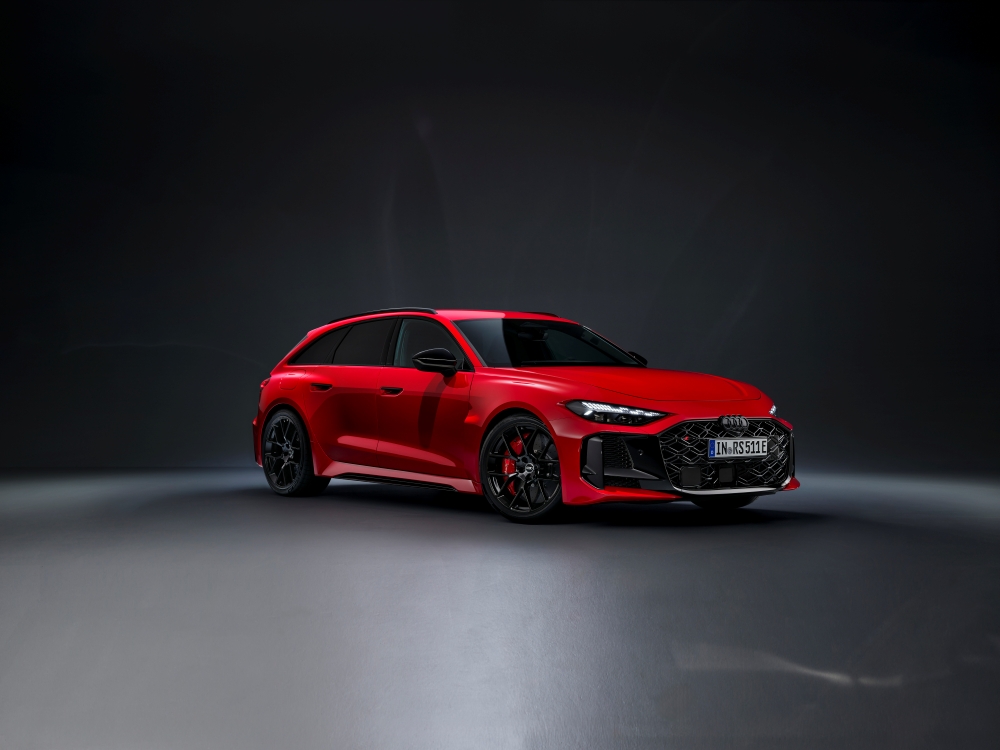
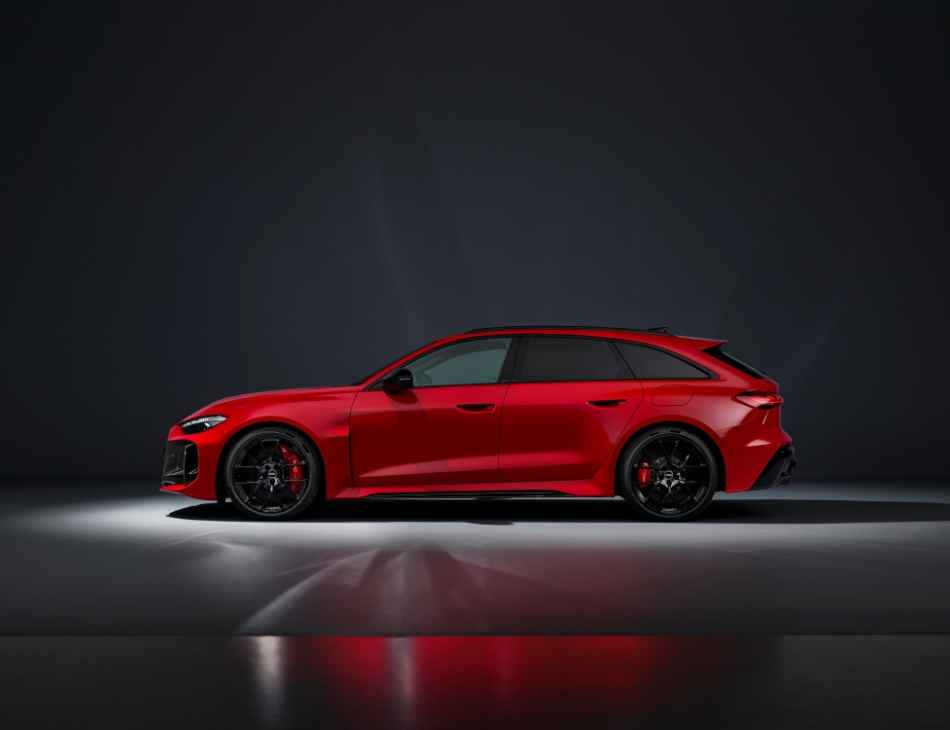
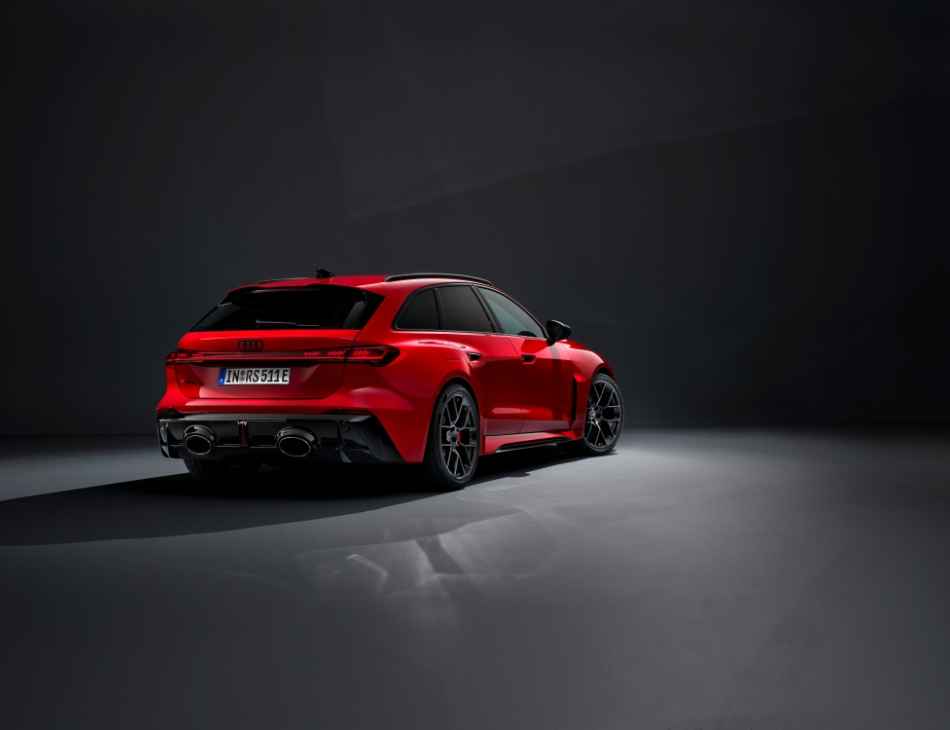
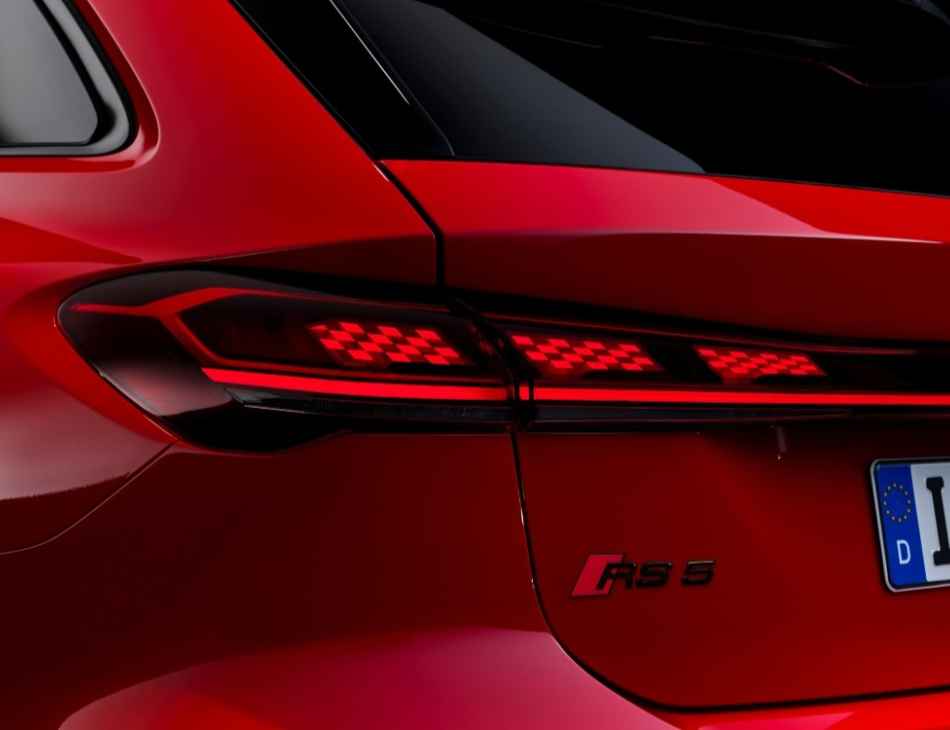
Visually, Audi hasn’t gone soft. The RS 5 sits around 90mm wider than the standard A5, with flared arches that nod knowingly to the original Quattro. The honeycomb Single-frame grille dominates the nose, flanked by darkened Matrix LED headlights with a chequered-flag light signature, subtle, in the same way a cathedral organ is subtle.
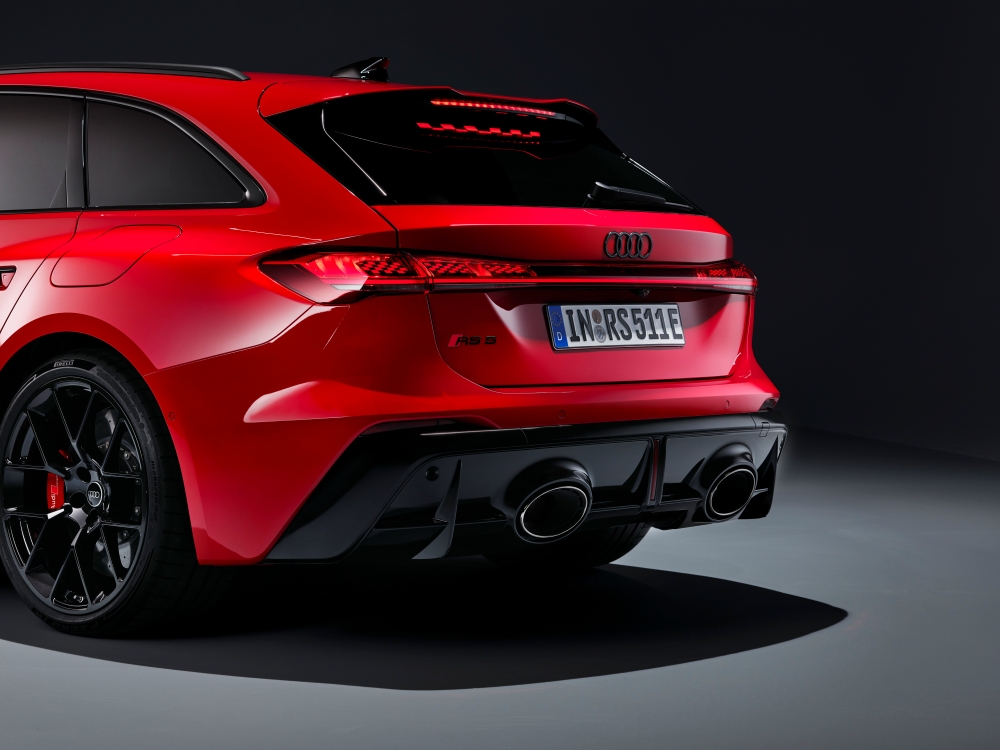
At the rear, those oval matte exhaust tips sit proudly within a sculpted diffuser. The car may be electrified but the messaging here is very clear.
Wheel choices range from 20 to 21 inches, with ceramic brakes available and for the first time in this class, ceramics at the rear as well. An RS 5 on ceramics will stop from 62mph in 30.6 metres, which is reassuring given its inflated kerb weight.
Audi is particularly proud of what happens at the back axle because the new RS 5 debuts a world-first electro-mechanical torque vectoring system within the rear transaxle. In plain English, there’s an electrically actuated differential capable of shifting torque between the rear wheels in 15 milliseconds by recalculating distribution every five milliseconds. Apparently. it can deploy torque differences of 2 Nm across the rear axle.
The centre differential is now preloaded and always partially locked, which improves turn-in and throttle response. Combined with the new torque vectoring system, the RS 5 promises sharper agility, better rotation on corner exit and greater stability under braking. In short, it should feel less like a fast all-wheel-drive saloon and more like something genuinely adjustable from the rear.
There is even an RS Torque Rear mode, designed specifically for controlled oversteer on closed courses. Audi has, quite sensibly, made it clear that this is not for demonstrating outside Waitrose.
Audi hasn’t simply added electric power for the sake of CO₂ figures. The battery is actively managed to support performance. In RS Sport and RS Torque Rear modes, it maintains a 90 per cent state of charge to ensure maximum electric assistance is always available. Even in Dynamic mode, it won’t drop below 20 per cent so that the 10-second “Boost” function remains ready. Press the boost button and you get the full orchestral experience: maximum hybrid deployment, downshift, exhaust valves open.
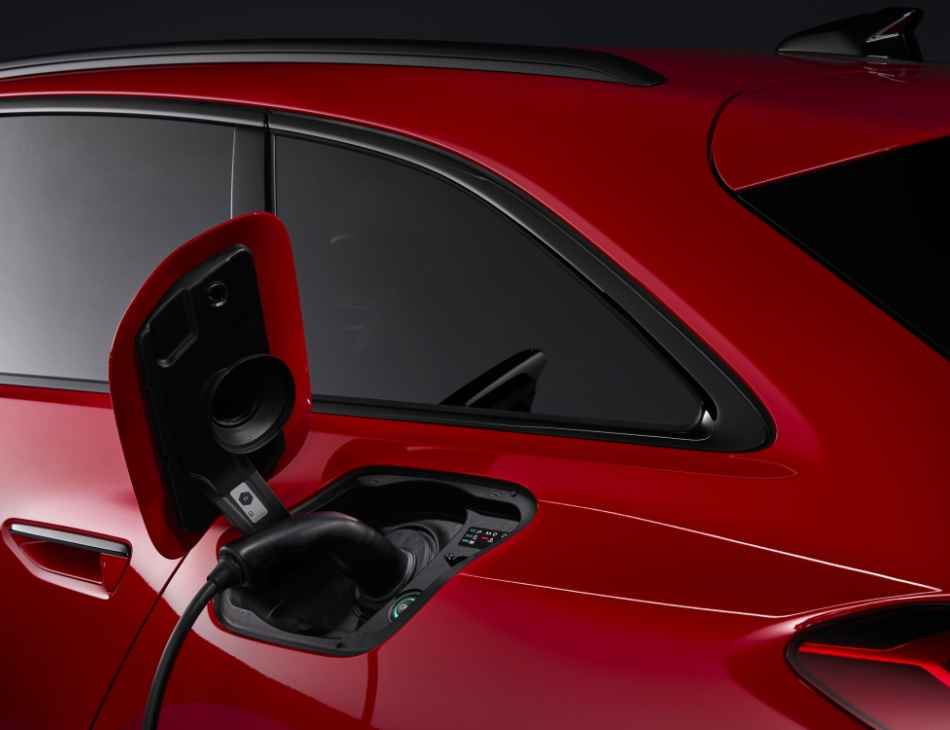
Charging is via AC at up to 11 kW, taking around 2.5 hours for a full charge. Not outrageously fast, but entirely manageable for overnight replenishment. The real trick is that the electric motor isn’t just there for efficiency. It sharpens throttle response and fills any torque gaps from the V6. Electrification here is not an apology, it’s an amplifier.
To manage its considerable heft, the RS 5 gains a stiffer body shell (10 per cent over the standard A5), five-link suspension front and rear and RS sport suspension with twin-valve dampers.
These allow independent control of compression and rebound, meaning the car can be both genuinely comfortable and unreasonably firm depending on mood. Audi claims reduced pitch and roll, faster damper response and improved composure under load. Steering is quicker too and brake-by-wire allows blended regenerative and friction braking.
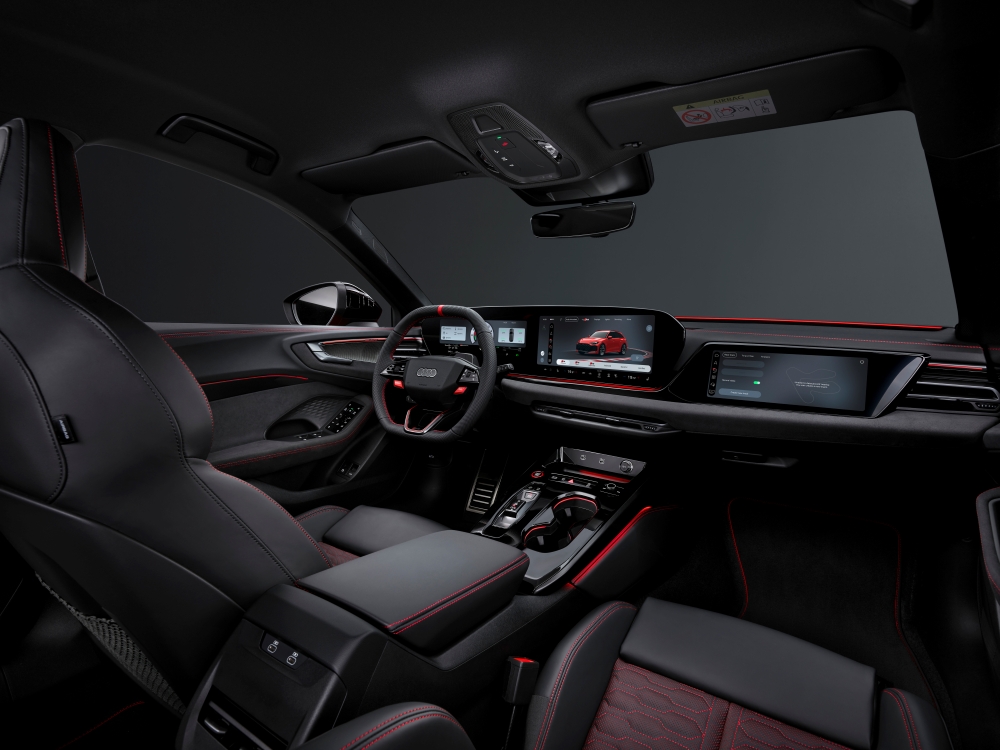
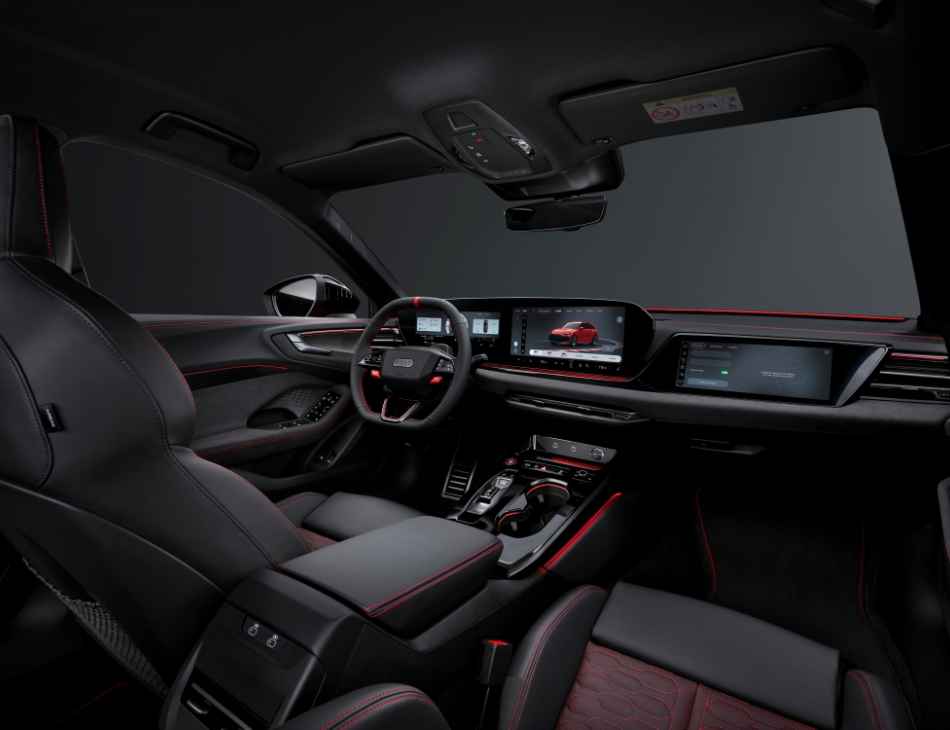
Inside, the RS 5 retains Audi’s usual digital precision. A curved OLED display houses the 11.9-inch virtual cockpit and 14.5-inch central screen, with a passenger display as standard. Performance data is abundant: G-forces, lap times, tyre temperatures, energy flows.
There’s even an Audi Driving Experience function capable of recording lap and sector times, analysing drift angles and, if you specify the dashcam, an option to capture your heroic efforts for later review.
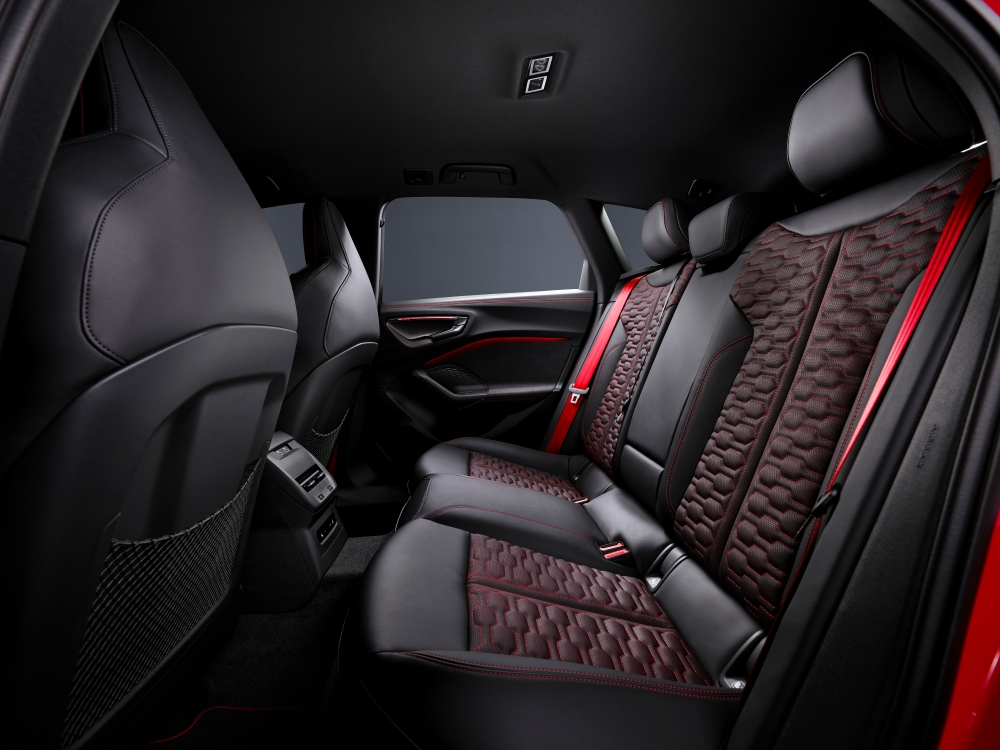
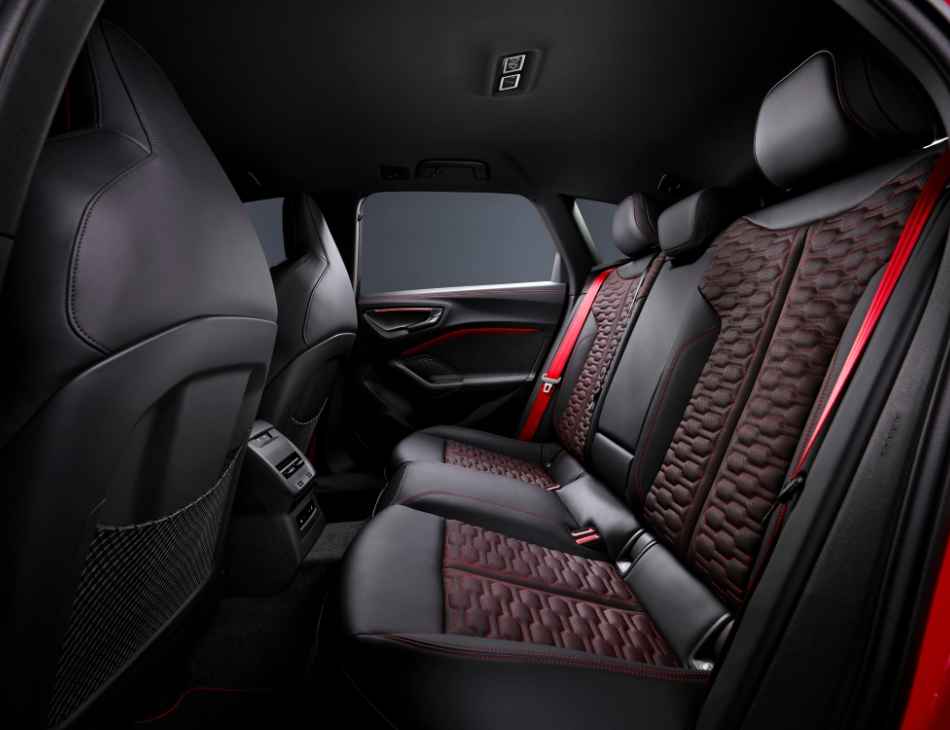
Seats are predictably excellent, finished with honeycomb quilting and optional Serpentine green stitching if you choose the Audi Sport package. The steering wheel is flat-bottomed, perforated Nappa leather, with satellite controls for RS modes and boost.
The new RS 5 marks a turning point for Audi Sport. This is the beginning of electrified RS models, and crucially, it doesn’t feel like a compromise. On paper, it is faster, more powerful and more technically advanced than its predecessor. It is also capable of silent, electric commuting and improved efficiency under load thanks to a revised Miller cycle V6.
This is not an RS model going quietly hybrid for regulatory reasons. It is an RS model using hybridisation to go harder, corner faster and deploy torque more intelligently than ever before. UK sales begin mid-2026, with pricing to follow. Expect it to sit firmly in the £80,000-plus bracket once fully specified and considerably north of that with ceramics, carbon and the Audi Sport package.
On paper the new RS 5 appears to do something rather clever. It retains the muscular presence, technical depth and four-wheel-drive confidence that define Audi RS cars, while adding genuine electric usability and a new layer of rear-axle playfulness.
If it drives as cohesively as the engineering suggests, this could be the most complete RS 5 yet, one that manages to be devastatingly quick, impressively clever and when required, almost civilised.