
Owning Paradise: In Conversation With Marco Bonino
Maldives ownership
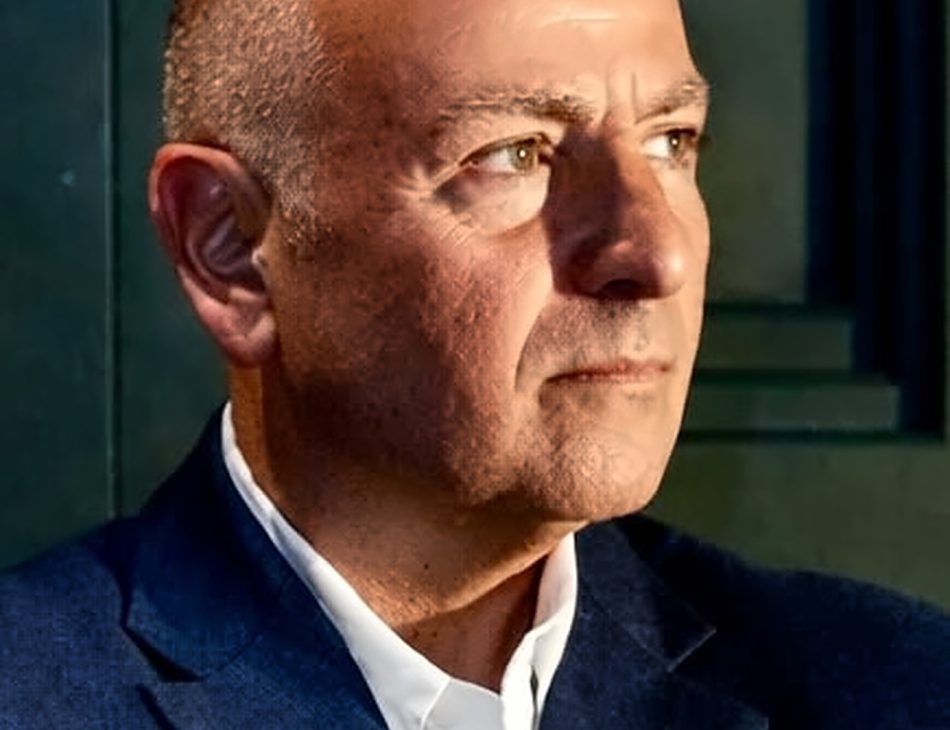
Marco Bonini
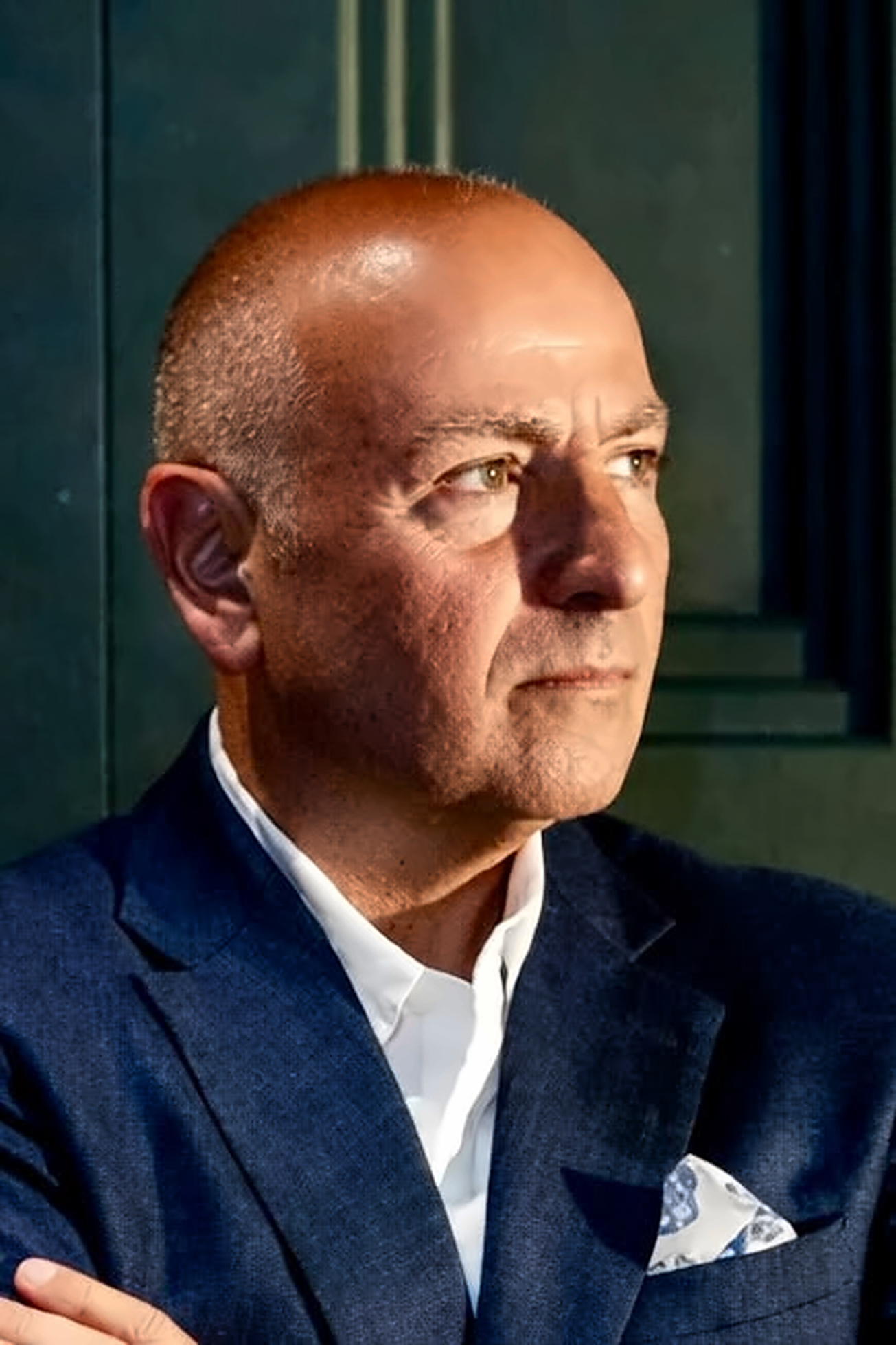
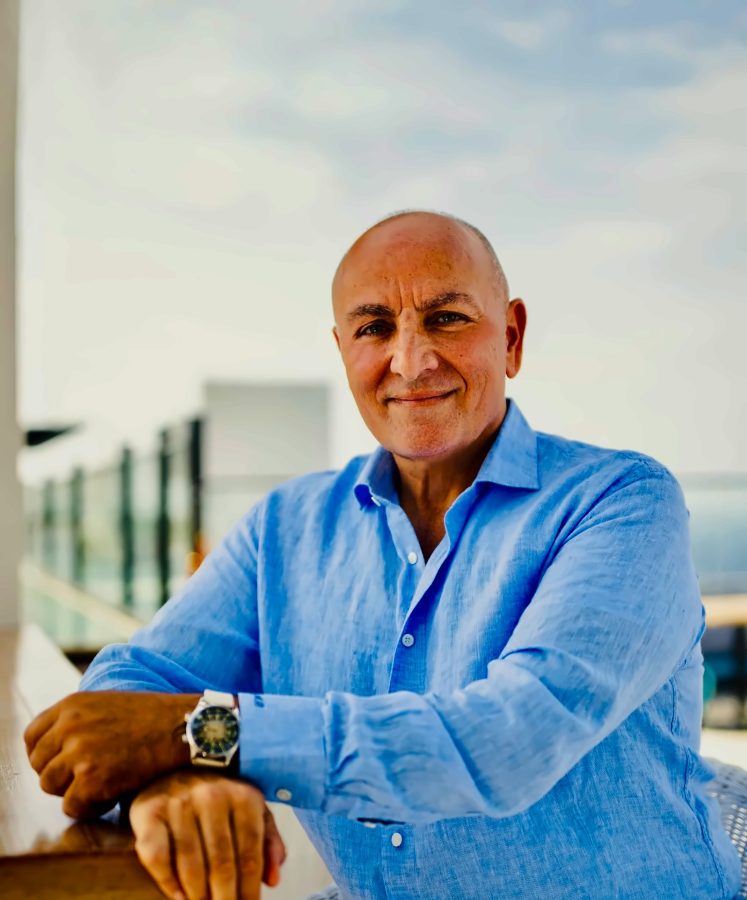
The Maldives was synonymous with fleeting, bucket-list escapes, though a quiet shift has turned its turquoise lagoons into a coveted frontier for permanent luxury ownership. At the forefront of this evolution is Marco Bonini, Managing Director of Sales at Christie’s International Real Estate Maldives and Director of Private Residences for Six & Six Private Islands. In an exclusive Q&A for International Excellence, luxury lifestyle journalist Raj Gill spoke with Bonini about why ultra-high-net-worth travellers are trading five-star hotel check-ins for private island keys and how branded residences are reshaping Indian Ocean real estate.
RG: For decades, the Maldives has been the ultimate romantic getaway, a bucket-list destination where people come to unwind for a week or two and leave. You’ve said that narrative is changing. From a hospitality perspective, what specific touchpoints turned this from a place people visit into a market where buyers want a permanent stake?
MB: The Maldives has long been recognised as an exceptional holiday destination, but the relationship people have with it is evolving. In 2025, the country welcomed approximately 2.25 million international visitors, representing 9.8% growth over the previous year. This reinforces the destination's enduring international appeal.
From a hospitality perspective, the transition towards ownership is influenced by the consistency of the experience. Personalised service, privacy, familiarity and the freedom to enjoy the destination at one's own pace create a sense of belonging that extends beyond a traditional holiday.
Residential ownership takes that relationship further. It offers individuals and families the opportunity to establish a lasting connection with the Maldives, supported by the convenience and expertise of professional hospitality management. It is a natural progression for the “repeaters” who visit the Maldives several times per year.
RG: Our readers at International Excellence value both lifestyle and smart investment. With buyers dropping six figures a year on accommodations, how do you structure the rental yield program to ensure a villa feels like a personal sanctuary when they are there, but performs like a high-yielding asset when they are not?
MB: I think many of our buyers are not choosing between lifestyle and investment, they expect both. The key is that ownership always comes first. Your villa is your private sanctuary whenever you wish to use it, with personalised furnishings, owner storage, dedicated personal service and the ability to arrive to a home that feels unmistakably yours.
When you're not in residence, the villa becomes part of a professionally managed rental programme operated to global luxury hotel standards. Rather than owners having to source guests, manage staff or oversee maintenance, the resort handles everything from marketing and reservations to guest services and asset care.
The result is a highly efficient model that can generate attractive income while preserving the long-term quality of the asset. Owners benefit from the strength of a globally recognised hospitality brand, access to an international customer base and the premium rates that luxury resorts in the Maldives command. For many buyers already spending significant amounts on visiting more than once a year, the ability to offset ownership costs while retaining unrestricted enjoyment of a world-class home is an extremely compelling proposition.
Ultimately, it's about transforming a luxury expense into a lifestyle investment: a villa that works for you when you're there and works for you financially when you're not.
Our approach is to ensure prospective owners understand the broader ownership proposition, including the lifestyle benefits, management considerations and potential rental opportunities.
RG:The Maldivian experience relies heavily on hyper-personalised service, knowing a guest's exact coffee preference or tailor-making private island excursions. When a buyer transitions from a resort guest to a residential owner, how do you elevate that hospitality level, so it feels genuinely like 'coming home' rather than just checking into a villa?
MB: The distinction lies in the relationship we establish with an owner. Exceptional hospitality is about understanding individual preferences, but residential ownership allows that understanding to develop over time.
It becomes less about anticipating the needs of a guest during a particular stay and more about creating an environment that reflects the routines, preferences and lifestyle of the people who call it home.
For us, the objective is to combine the familiarity and privacy of a personal residence with the convenience of exceptional hospitality.
Owners should feel comfortable enjoying their time entirely on their own terms, knowing that their experience is supported by a team that understands the importance of discretion, consistency and personal attention.
RG: Looking at your initial portfolio, eg RAH GILI with its Maldivian cultural inspiration, design plays a massive role in luxury appeal. How critical is authentic local architectural narrative in driving buying decisions, compared to the sleek, ultra-modern branding buyers see in Europe or Dubai?
MB: We believe architecture should reflect the character of its destination rather than simply follow international design trends. The Maldives has a distinctive cultural and natural identity, and that should be reflected in the residential experience.
At RAH GILI, Maldivian influences contribute to a design narrative that connects the residences with their surroundings while maintaining the contemporary comfort and sophistication expected by international buyers.
For us, meaningful luxury is not defined by appearance alone. It is also about authenticity, thoughtful craftsmanship and the way a home responds to its environment.
When those elements come together, architecture becomes more than a visual statement. It creates a sense of place that gives a residence its own identity and lasting appeal.
RG: Starting at approximately $2 million for two-bedroom overwater residences at RAH GILI, where do you see the sweet spot for entry-level UHNW buyers? What are the non-negotiable amenities they demand before signing at that price point?
MB:At this level of the market, buyers are looking at the complete ownership proposition rather than simply comparing residences by size or individual amenities.
Privacy, architectural quality, generous living spaces, the dining options, the kids clubs, personalised service and professional management are important considerations. Equally significant is the confidence buyers have in the brand, the people behind the brand and the experience that will be delivered over the longer term.
However, expectations are highly individual. Some buyers prioritise family living and flexibility, while others are drawn to design, exclusivity or the ability to personalise their residence. Other buyers prefer to stay out of season in order to achieve a better yield by allowing their villa to be rented during the peak seasons.
Our focus is on ensuring that the residential offering delivers a distinctive sense of place, supported by the quality and service standards expected in the international luxury market.
RG: Historically, European buyers from the UK, Italy, and Germany have dominated this space, but you’re seeing an influx of interest from Asia, particularly Singapore and Hong Kong. Are these younger, multi-generational Asian buyers looking for something fundamentally different in an island residence than traditional European clientele?
MB: The international residential market is becoming increasingly diverse, bringing a wider range of expectations and ownership priorities.
While preferences naturally differ between individuals, we see common themes around privacy, flexibility, family living and the reassurance of professional property management.
Multi-generational use is particularly interesting because a residence can become a place where families gather and establish traditions over time. Other buyers may be more focused on personal retreats, design or the ability to enjoy the destination for extended periods.
Rather than approaching these preferences purely by nationality, we believe the most important consideration is understanding the lifestyle and long-term intentions of each buyer. This allows us to present a residential proposition that feels genuinely relevant to them.
RG: Intimacy and absolute discretion are major selling points for high-net-worth individuals, especially ultra-luxury developments like DON MAAGA with just 56 residences. How do you design both the physical security and the service culture to offer total anonymity in a resort setting?
MB: Privacy is one of the defining considerations for our residential clientele, and we believe it should be reflected in both the physical environment and the service philosophy.
From a design perspective, this means creating residential spaces that provide a genuine sense of seclusion while allowing owners to enjoy the wider island experience comfortably.
Equally important is the culture of discretion. Exceptional service should feel intuitive and personal without becoming intrusive.
At DON MAAGA, our intention is to create an environment where privacy, architectural individuality and personalised hospitality work together. Ultimately, luxury is also about having the freedom to enjoy one's home without unnecessary attention or interruption.
RG: Christie’s International Real Estate brings an entire ecosystem—not just high-end real estate, but fine art, jewelry, and luxury collectibles through the auction house. How are you leveraging that cross-category relationship to connect with art collectors who might want to curate bespoke art pieces inside their Maldivian villas?
MB: Our relationship with Christie's International Real Estate Maldives provides an important connection to the international luxury property market and an audience that appreciates exceptional homes, design and craftsmanship. It is also a reflection of the growing interest in this relatively young real estate market and will help drive interest from a truly global audience.
We also recognise the natural relationship between residential ownership and artistic expression. For many buyers, a home is deeply personal, and the opportunity to introduce individual artistic elements can contribute significantly to its character.
RG: Looking ahead toward DON MAAGA’s opening in 2027 and beyond, where do you see the Maldivian luxury property market in five to ten years? Is the supply of private atolls sustainable, or are we witnessing a limited-time land rush for true island ownership?
MB: I believe the Maldives has considerable potential to establish itself as an internationally recognised luxury residential destination over the coming decade but still remain a niche market with low inventory at the highest level.
Savills' latest global research forecasts a 24% expansion in the branded-residences sector in 2026, reflecting the growing prominence of this segment internationally. Knight Frank's research also highlights the increasing development of branded residences in coastal, island and resort destinations.
For the Maldives, however, the opportunity is not simply about following global growth. Its long-term appeal depends on thoughtful development that respects the natural environment while delivering architectural quality, privacy and professional management.
Rather than viewing this as a short-term land rush, we believe the future should be defined by the quality, integrity and lasting relevance of the residential experiences being created.
Our ambition is to create homes that allow owners to express their individuality while maintaining a strong connection to the destination and the design philosophy of each development.
In real estate, value is driven by scarcity, and few places on Earth are scarcer than the Maldives. There is a finite number of islands, an even smaller number suitable for ultra-luxury development, and only a handful that will ever carry globally recognised branded residences. That's why we see Maldives real estate not only as a lifestyle investment, but as an opportunity to own a genuinely irreplaceable and coveted asset.
RG: SIX & SIX PRIVATE ISLANDS is rolling out six distinct island concepts across the Maldives, each with its own character. For our readers contemplating an acquisition, what is the single defining element that sets the SIX & SIX portfolio apart from the established luxury players in the region?
MB: What distinguishes SIX & SIX is our commitment to developing individual island identities rather than replicating a single concept across multiple destinations.
Each island offers a different setting, architectural character and residential experience, allowing prospective owners to find a home that reflects their own preferences and lifestyle.
While the individuality of each destination is important, the underlying commitment remains consistent: thoughtful design, privacy, personalised hospitality and a strong sense of place.
We believe the value of a private residence lies not only in the property itself, but also in the connection an owner develops with it over time. That is the philosophy guiding our residential portfolio.
RG: SIX & SIX is building these private residences with an eye toward EarthCheck sustainability standards and generational longevity. When you look at the ultra-high-net-worth buyers investing today, how much of this decision is about immediate lifestyle enjoyment versus leaving a pristine, legacy sanctuary for the next generation?
MB: I believe immediate enjoyment and long-term legacy are closely connected. For many buyers, residential ownership is not simply about acquiring a beautiful property, but about establishing a place that can hold meaning for their family over time.
That perspective also brings responsibility. In an environment as distinctive and sensitive as the Maldives, thoughtful development and long-term environmental considerations are essential.
Our approach is to consider how architectural quality, responsible resource management and professional operations can contribute to the lasting appeal of each destination.
Ultimately, the ambition is to create residences that offer exceptional experiences today while respecting the environment and preserving the qualities that make the Maldives meaningful for future generations.
RG: And finally, Marco, what is the one question you wish a journalist would ask you, and what is the answer to the question?
MB: The question I would welcome is: How simple is it for an international buyer to own a private residence in the Maldives?
I believe one of the biggest misconceptions is that owning a residence in the Maldives must be a complicated process, particularly for international buyers.
Overseas buyers can legally acquire residences in the Maldives through established ownership frameworks. With clear information and expert support throughout, buying is considerably more straightforward than most people assume.
At SIX & SIX Private Residences, our ambition is to make that journey as seamless and transparent as possible, from the initial enquiry and understanding of the ownership structure through to the experience of having a home in the Maldives.
Ultimately, we want people to recognise that the Maldives is not simply somewhere extraordinary to visit. It is also somewhere they can consider calling their own.