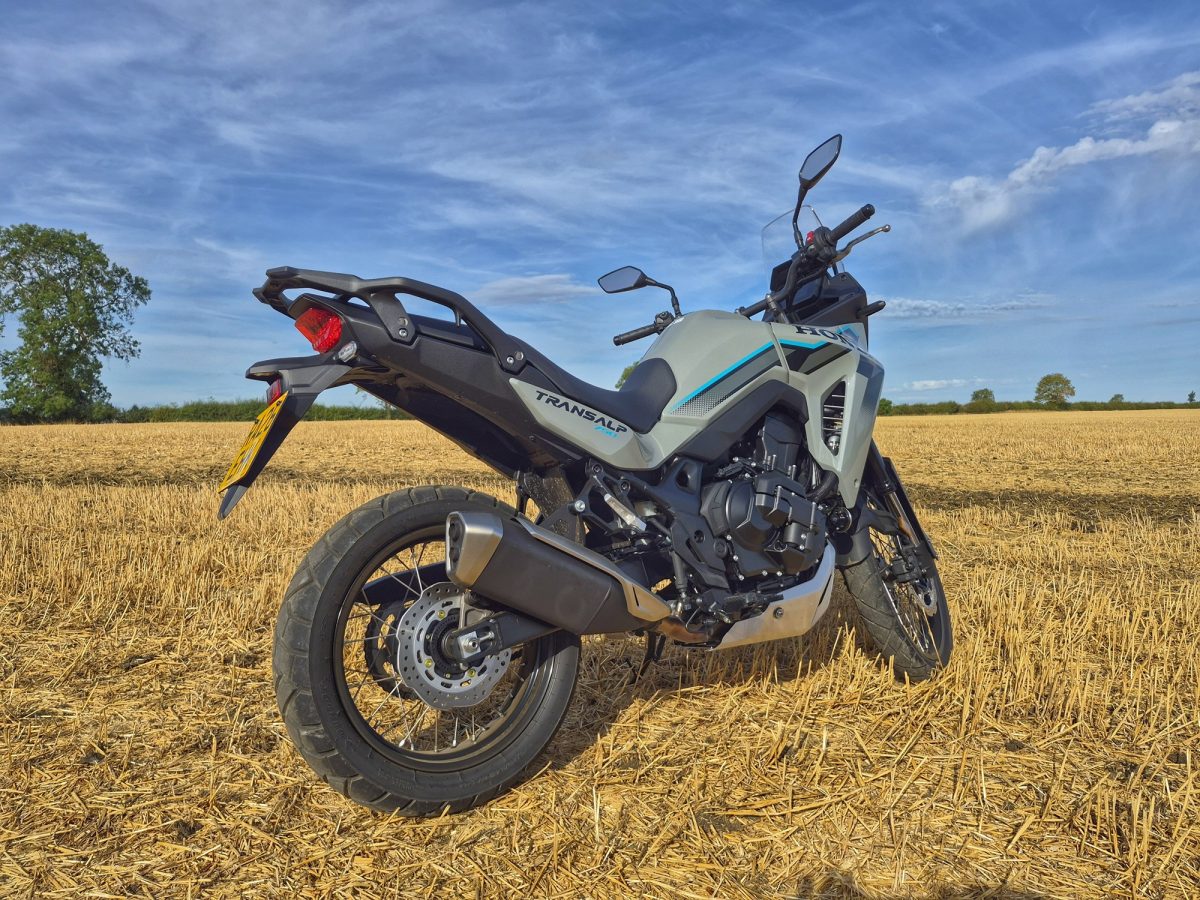
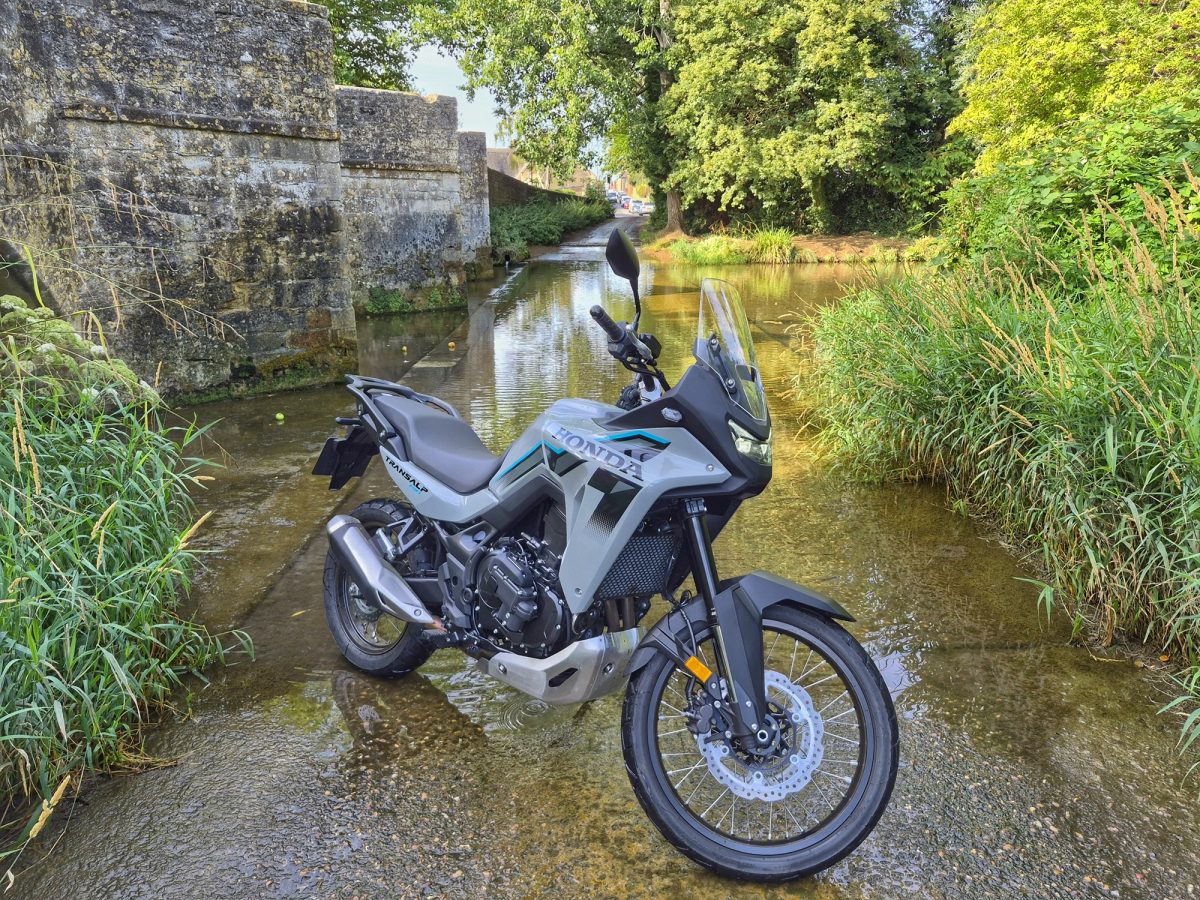
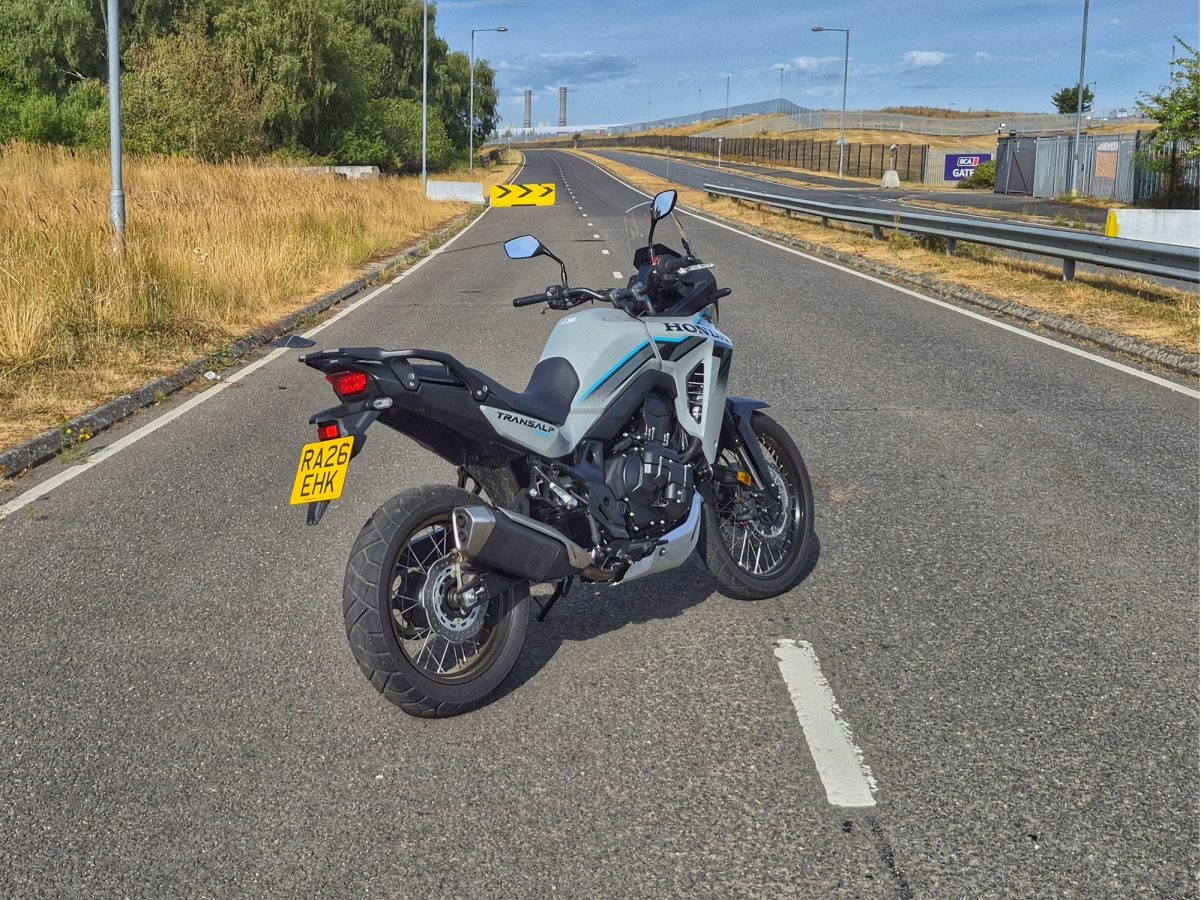
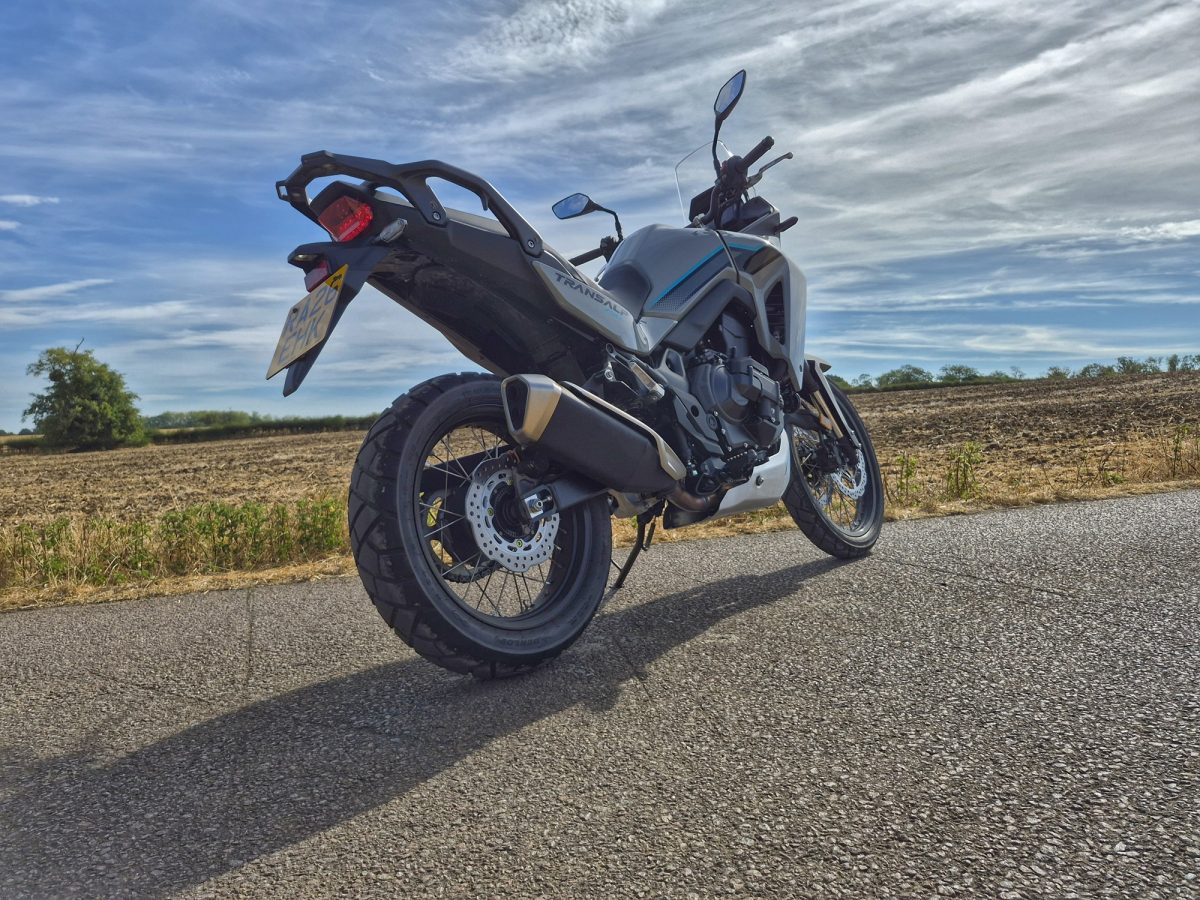
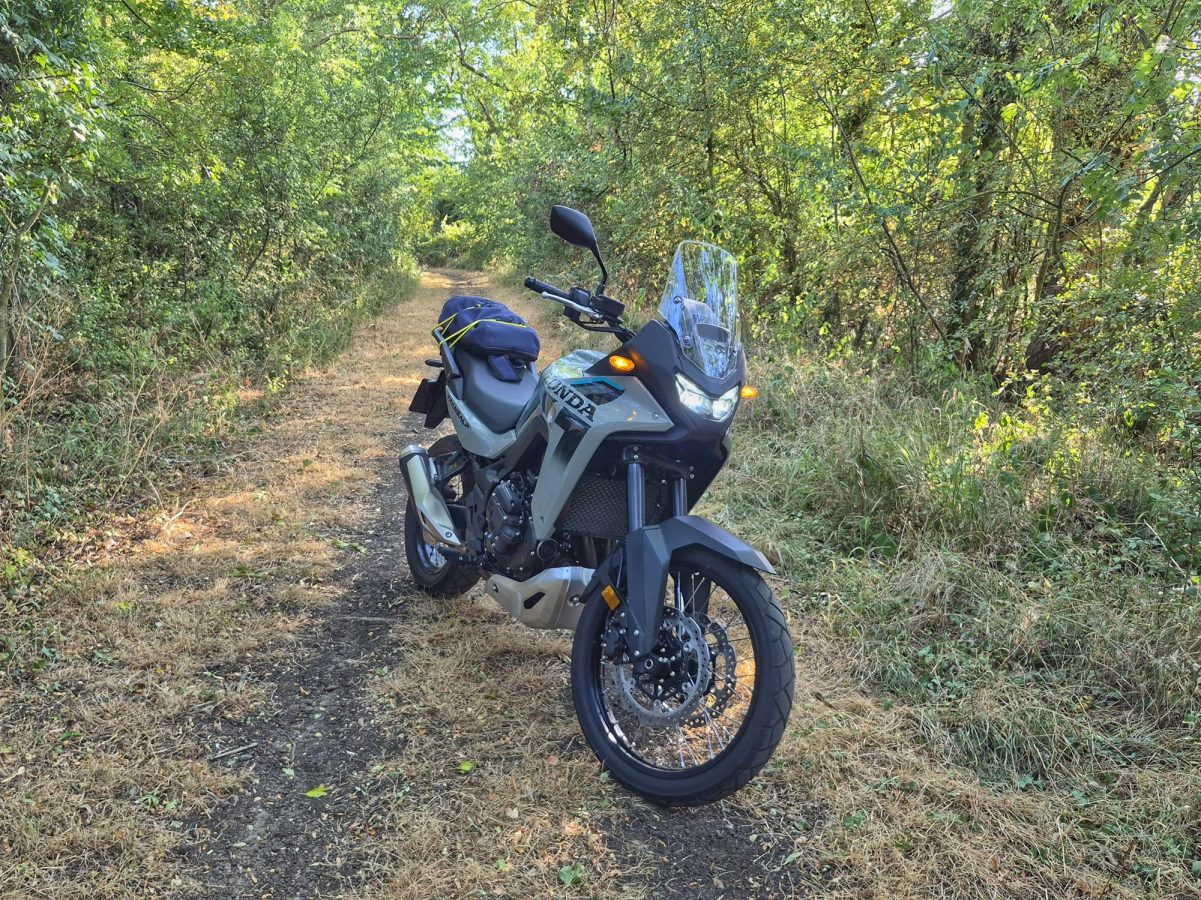

2026 Honda XL750 Transalp E-Clutch – Effortless Versatility
.
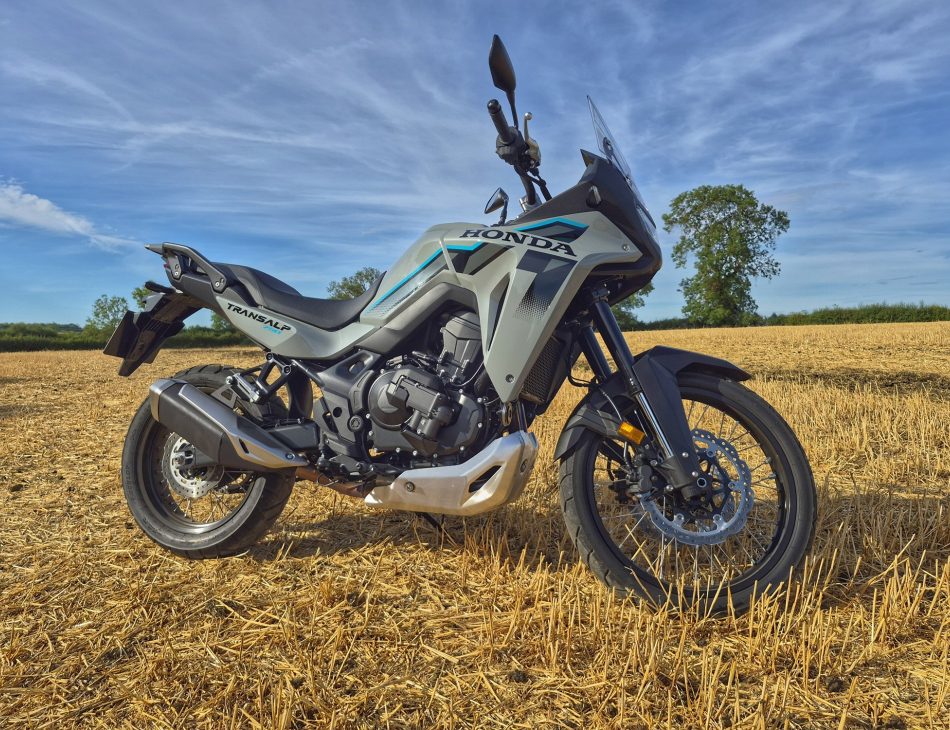
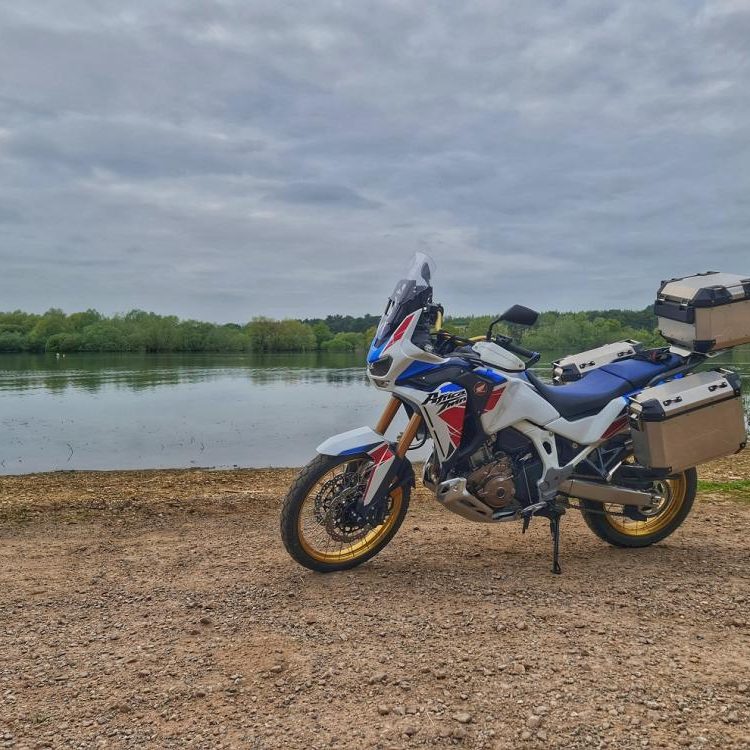
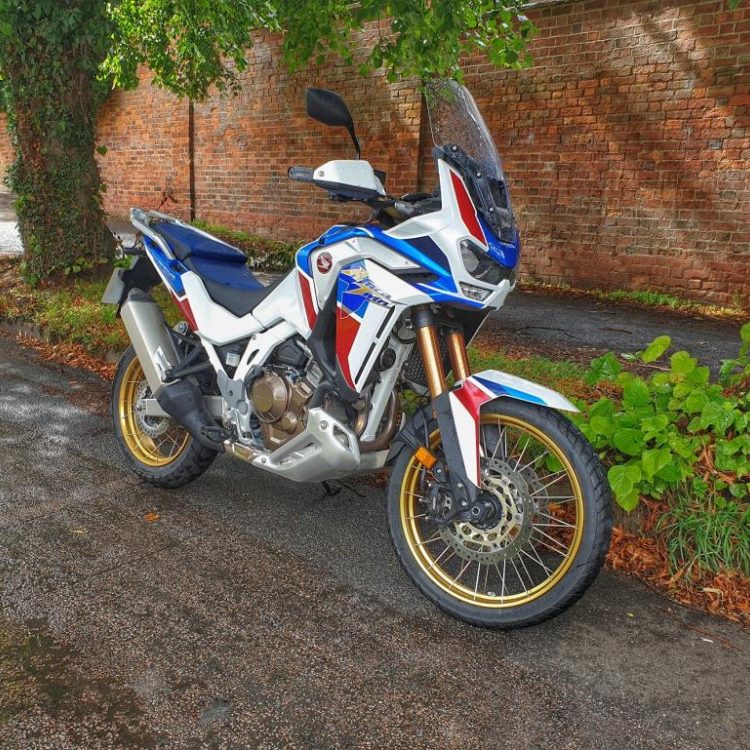
Honda Transalp e-clutch 2026
If ever there was a segment that pulls riders in a dozen different directions at once, it is the middleweight adventure class. Some riders want a tall, narrow dirt weapon built to conquer rough trails; others want a comfortable, easy-going all-rounder that eats up A-roads, handles the daily commute, and still lets them explore gravel tracks without needing a giant 250 kg+ tourer.
For 2026, Honda has brought its E-Clutch technology to the XL750 Transalp as standard across the UK lineup at £9,999, alongside revised Showa suspension damping and a thicker 2.5mm aluminium bash plate shaped to protect the external E-Clutch actuator housing. Rather than turning the Transalp into a scooter or saddling it with the weight and complexity of a full Dual Clutch Transmission (DCT), Honda keeps a conventional six-speed manual gearbox and a physical clutch lever on the left bar, letting twin servo motors take care of clutch actuation during pull-aways, stops, and shifts. It takes a minute to get used to, but it is an effective system.
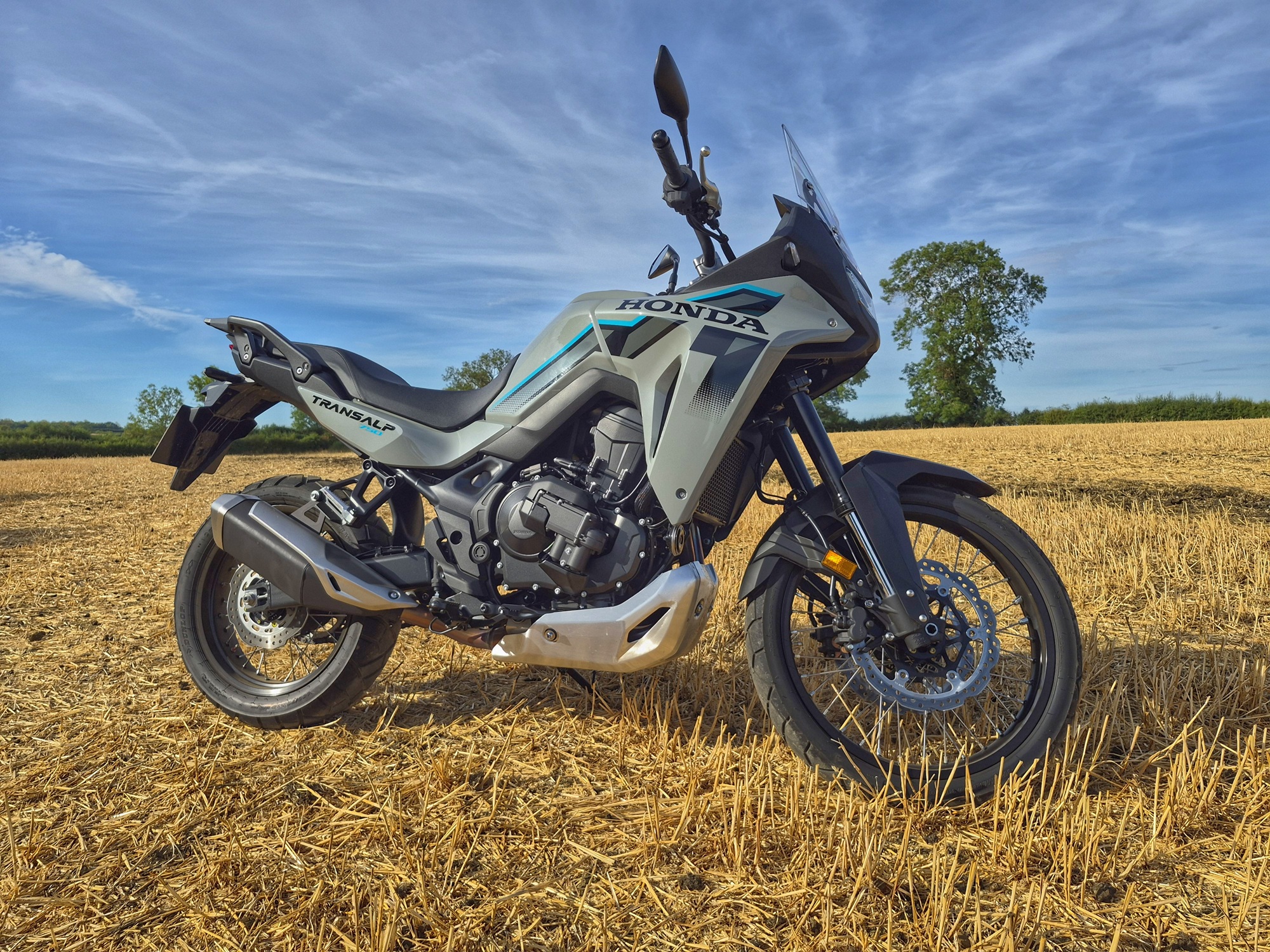
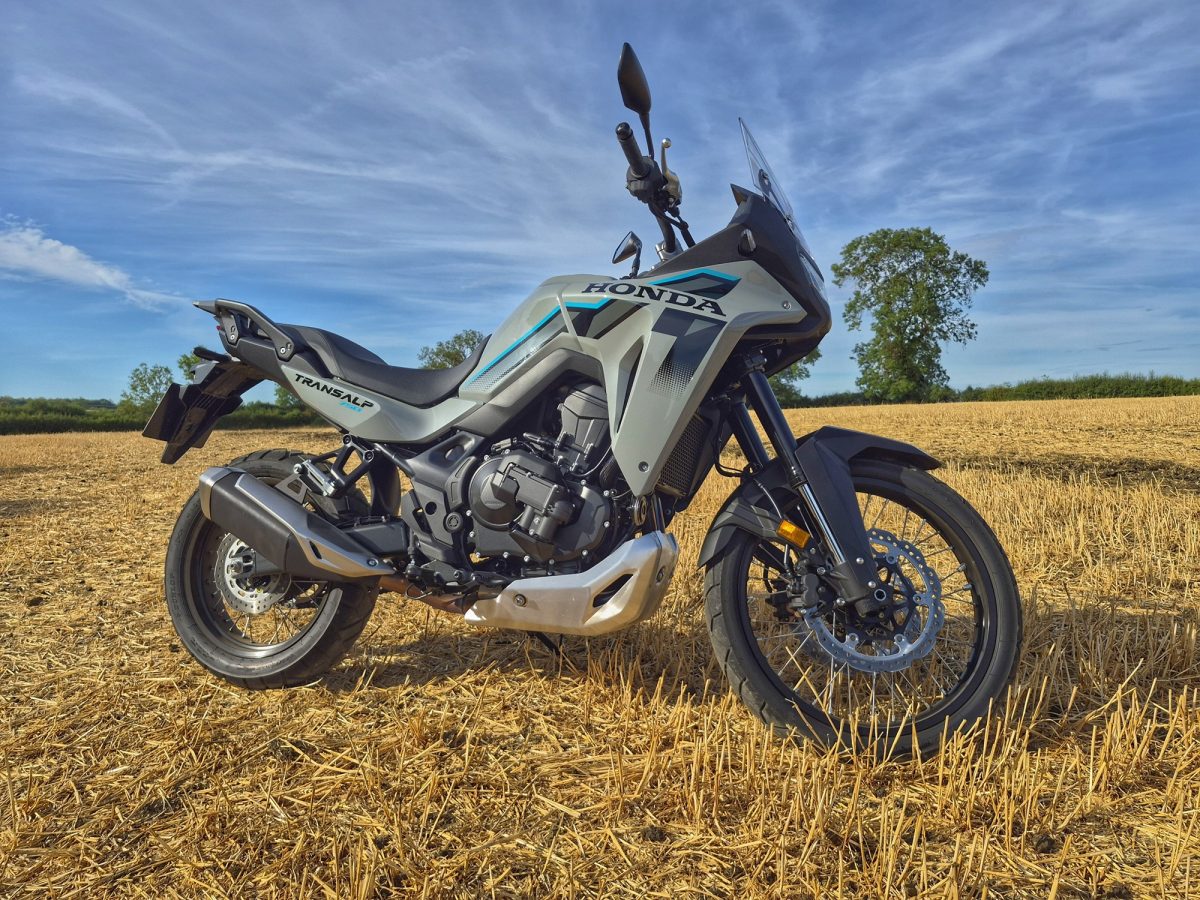
It is a clever, approachable bike. Despite wearing a 21-inch front wheel, the Transalp is engineered primarily as a tarmac-biased adventure tourer rather than a hard-edged dirt bike—and for a lot of riders, that is the exact sweet spot. A tall-roader with some off-road ability.
Engine
At the heart of the XL750 sits Honda's 755cc liquid-cooled, 270-degree parallel-twin engine, producing 90.5 bhp at 9,500 rpm and 55.3 lb-ft (75 Nm) of torque at 7,250 rpm (with a 47 bhp A2-restricted option available). It’s the same engine, making the same power, that you’ll find in the Hornet 750. Both use Throttle-by-Wire, but Honda tuned their maps for different jobs. The Transalp softens initial throttle pickup for loose surfaces and includes a dedicated gravel mode alongside Sport, Standard, Rain, and User. The Hornet has sharper, more immediate response out of corners, and out on the road, obviously tuned specifically for road use.
What makes this engine so easy to live with is its split personality. If you want to short-shift lazily through town or cruise along a sweeping A-road, it pulls cleanly from low revs without feeling snatchy. If you wind it out toward the 9,500 rpm redline, it wakes up with plenty of top-end urgency and a crisp, raspy exhaust note, giving it significantly more top-end power than rivals like the Yamaha Ténéré 700 (72 bhp) or Suzuki V-Strom 800DE (83 bhp), which lean more toward low-down grunt for technical terrain.
With 90 bhp, you’re not left wanting. Even with Kate on the back, it was fun to ride, with a decent turn of acceleration.
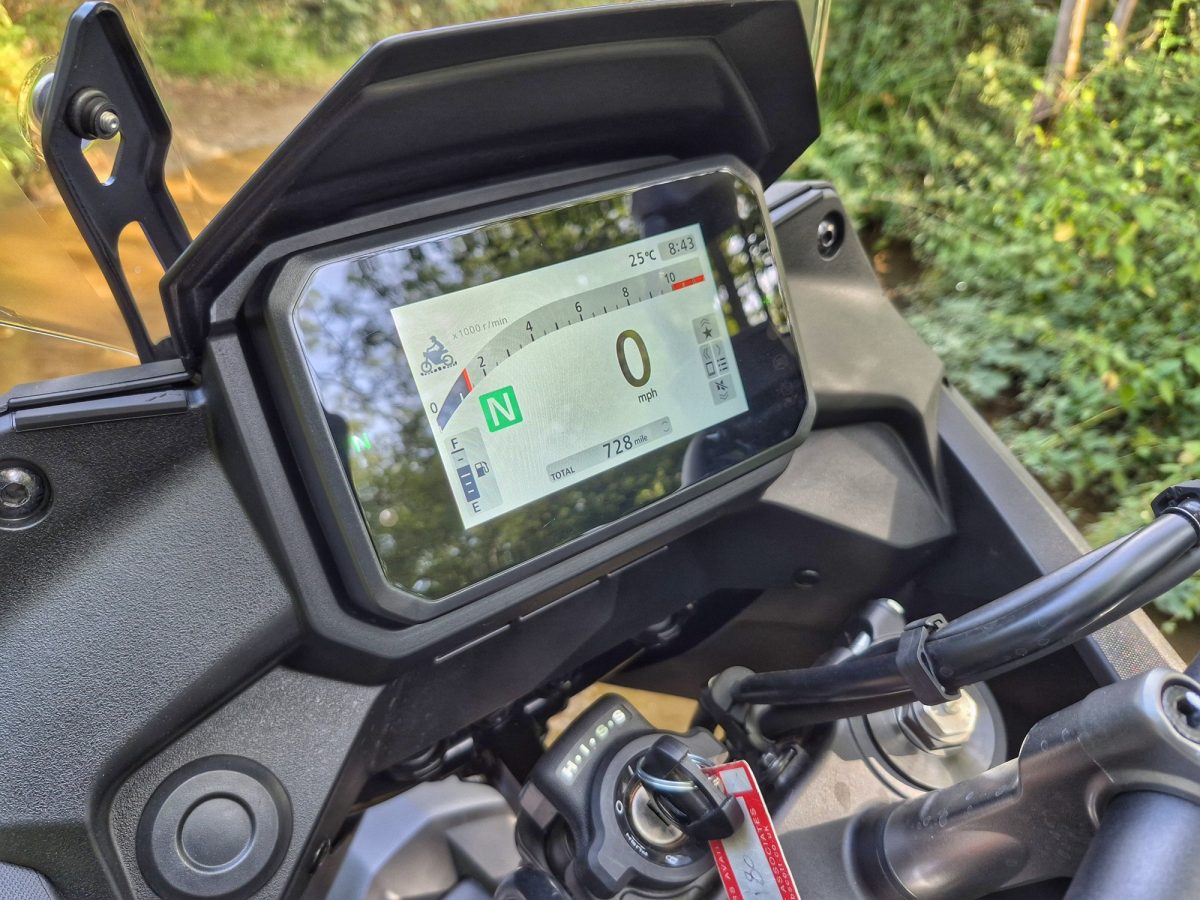
As you would expect from a bike of this calibre, there are a host of rider aids; Throttle By Wire, (Supports smooth throttle response and works with the E-Clutch and riding modes), Honda Selectable Torque Control (HSTC) (Traction control system with adjustable levels and an off option), 2-Channel ABS, (Anti-lock braking system with adjustable settings and rear ABS deactivation for off-road or gravel riding), Riding Modes, (Four preset modes - Sport, Standard, Rain, Gravel, plus a User mode to tailor power, engine braking, traction, and ABS settings), Emergency Stop Signal (ESS) & Auto-Cancelling Indicators, (Flashes hazard lights under hard braking and automatically cancels turn signals), 5-Inch TFT Display & Honda RoadSync, (Color instrument screen with smartphone connectivity).
Most of this works silently in the background, and it doesn’t feel intrusive. It’s not like some modern bikes that take a while to set up before you ride off; this feels fairly analogue, by today's standards.
Suspension and Chassis
Earlier versions of the revived Transalp could feel a bit soft and vague when pushed hard over bumpy asphalt. For 2026, Honda revised the damping on the 43mm Showa SFF-CA inverted fork (200mm travel) and Pro-Link rear monoshock (190mm travel), bringing noticeably better composure when the pace picks up.
Showa SFF-CA (Separate Function Fork – Cartridge): Instead of splitting spring and damping duties across opposite legs like standard SFF units, SFF-CA forks use a cartridge-style damper setup designed to balance on-road stability with off-road bump compliance.
The Transalp still runs softer, road-compliant damping, less travel, and 210mm of ground clearance compared with more dirt-focused peers like the Aprilia Tuareg 660 or Suzuki V-Strom 800DE. On broken UK tarmac, that road bias pays off; it soaks up bumps smoothly and keeps steering linear and predictable through corners despite the 21-inch front wheel. Hit big, fast off-road ruts or jumps, though, and you will find its limits sooner than on a dedicated trail bike.
E-Clutch in the Real World
The big headline for 2026 is the E-Clutch, which adds roughly 6 kg over earlier manual models.
Unlike a DCT setup, you still have a foot pedal and a physical clutch lever. Twin servo motors manage clutch engagement smoothly when pulling away from a stop, coming to a halt in gear without stalling, or shifting up and down the box. Working alongside the throttle-by-wire system, it also blips on downshifts and applies controlled "half-clutch" slip if it detects rear-wheel hop under hard deceleration on loose surfaces. You can even adjust gear-pedal resistance across three settings (Hard, Medium, Soft) on the 5-inch colour TFT display.
In stop-start traffic, taking the left-hand clutch work out of the equation is a genuine relief, yet if you are doing a tight U-turn or filtering in close quarters, pulling the physical lever overrides the system immediately and hands back traditional feathering control before the servos resume shortly after you let go. You can turn E-Clutch off completely in the menu if you prefer.
Standing on the pegs along gravel tracks is another place where it shines. Not having to cover the clutch lever on every shift lets you keep a firm four-finger grip on the bars and focus on line choice and balance, and pulling away on a steep, loose incline in gravel mode is remarkably calm. For big technical steps or lofting the front wheel over obstacles, the lever is still right there whenever you want manual control.
Touring, Comfort and Practicality
Sit aboard the 2026 Transalp and the riding position feels natural and upright, more relaxed and roomy than many crossovers, and easier to manage than tall rally-style machines. The standard 850mm seat height (with an 820mm low-seat option) is friendly enough at junctions while leaving good legroom, and vibration stays well in check at motorway speeds. I was more or less flat-footing the Transalp at a standstill.
Up front, the compact, non-adjustable Durabio screen (plastics made primarily from plant-derived isosorbide sourced from starch/glucose) uses a central intake duct to equalise air pressure and keep airflow clean around the helmet, even for taller riders, though winter commuters or big-mile tourers might still look at Honda's optional 75mm taller screen and knuckle guards. For me, the screen was good, but i’d opt for the taller screen.
A standard rear luggage carrier, an under-seat USB-C socket, Honda RoadSync smartphone connectivity on the 5-inch TFT dash, and a 16.9-litre tank (with a claimed 65.7 mpg / ~220–240-mile real-world range) cover the practical bases well.
Compromises
There are a couple of compromises to keep in mind. There is no cruise control, and for some reason, the spoked wheels still run tube-type tyres rather than tubeless rims, which makes roadside puncture fixes more involved. Against the Yamaha Ténéré 700, the Transalp is better suited to road miles, top-end pace, and everyday ease; against the Suzuki V-Strom 800DE, it is 14 kg lighter and livelier at high revs, while the Suzuki brings a larger tank, longer travel, and more low-end punch.
Pillion
There’s a spacious, flat one-piece seat, sensibly placed passenger pegs with decent legroom, and oversized integrated grab rails on the standard rear carrier. Kate is only 5’2” with short legs, but didn’t struggle with peg position. After a couple of hours, she was ready for a break, so all day rides would be doable, but you’d need a few breaks.
Early Transalps suffered from a soft rear shock that squatted under two-up weight. For 2026, Honda firmed up the Pro-Link rear shock and added compression and rebound damping adjustment, making it noticeably more composed with a passenger and luggage. I found that cranking up the rear spring preload with Kate on the back helped. She’s only petite, but I’m not; though the adjuster lacks a convenient remote hydraulic knob, instead you have to use the pin spanner and extension bar from the under-seat tool kit to turn the 7-position stepped collar at the top of the rear shock absorber. It’s a bit of a faff and a bit budget for a 2026 bike.
Verdict
At £9,999, the 2026 Honda XL750 Transalp E-Clutch takes a bike that already did plenty right and makes it sharper on the road and much easier in the rough and tumble of daily riding. With revised Showa damping and E-Clutch technology that helps out without locking you out of manual control, it is an easy, capable middleweight all-rounder for riders who want one bike to handle commuting, weekend B-roads, light trails, and longer trips without fuss.
Specification - 2026 Honda XL750 Transalp E-Clutch
UK Price - £9,999
Engine - 755cc liquid-cooled, SOHC 8-valve parallel-twin, 270° crank
Max Power - 90.5 bhp (67.5 kW) @ 9,500 rpm (47 bhp A2 option available)
Max Torque - 55.3 lb-ft (75 Nm) @ 7,250 rpm
Transmission - 6-speed manual with assist/slipper clutch & Honda E-Clutch
Frame - Steel diamond frame
Front Suspension - 43mm Showa SFF-CA USD fork, 200mm travel
Rear Suspension - Showa monoshock with Pro-Link swingarm, 190mm travel
Brakes - Dual 310mm front discs, 2-piston callipers; 256mm rear disc (switchable rear ABS)
Wheels & Tyres - Spoked aluminium rims (tube-type); 90/90-21 front, 150/70-R18 rear
Seat Height - Standard height: 850 mm (accessory seats: 820 mm low seat / 870 mm tall seat)
Weight - 216 kg wet
Fuel & Economy - 16.9-litre tank; claimed 65.7 mpg (4.3 L/100km)