
Eagle Rare 30 Year Old Launches at Bonhams
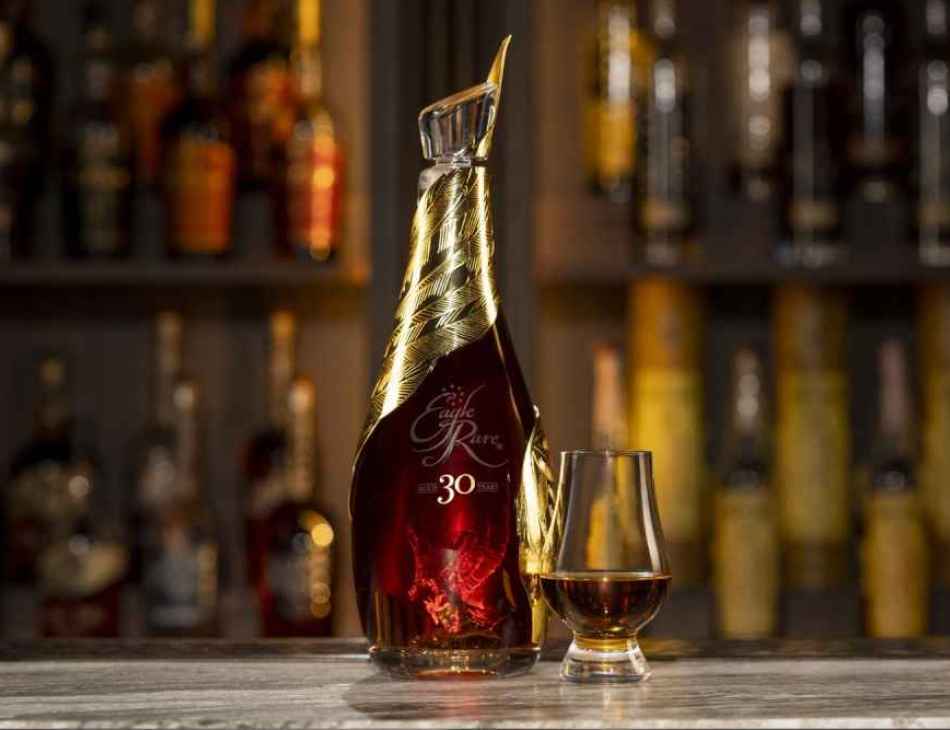
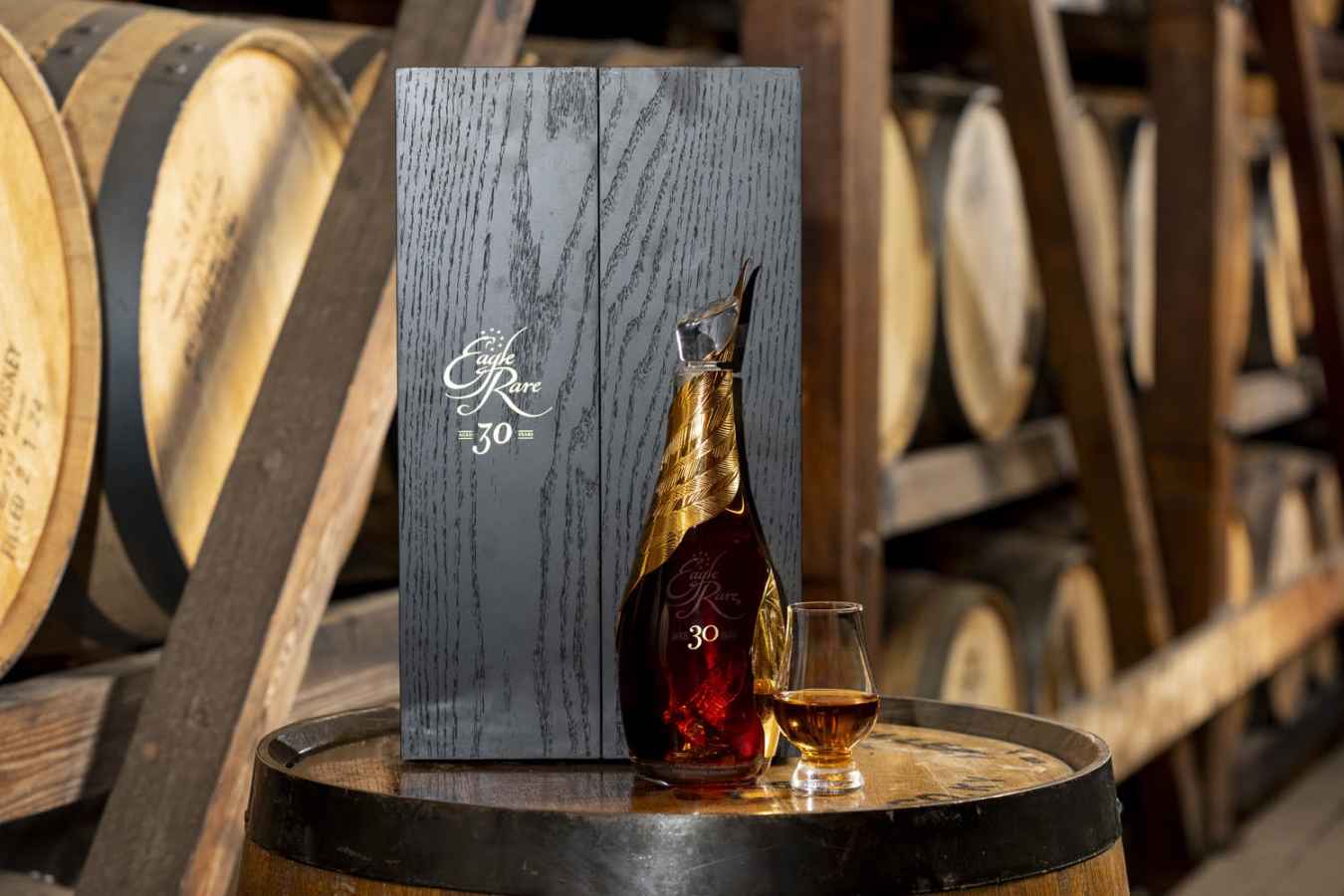
Eagle Rare 30
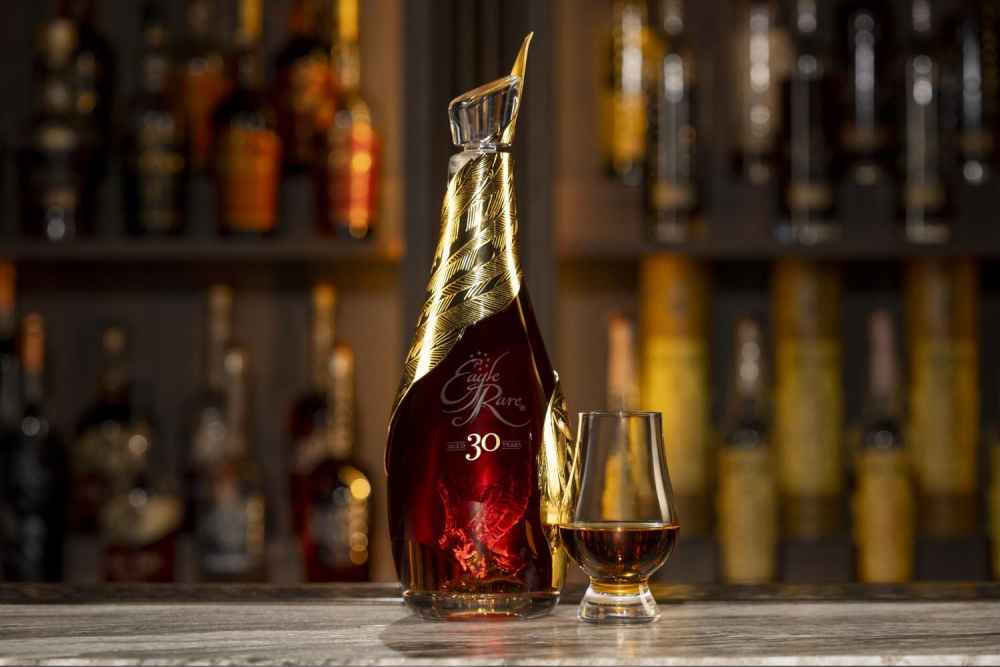
I was recently among a small group invited to the hallowed rooms of Bonhams in London to taste the new Eagle Rare 30 Year Old. This represents the oldest age stated bourbon ever released by the Buffalo Trace Distillery. More significantly, it is a release that challenges the long held perception of exactly how long a Kentucky bourbon can remain in barrel before it loses its soul.
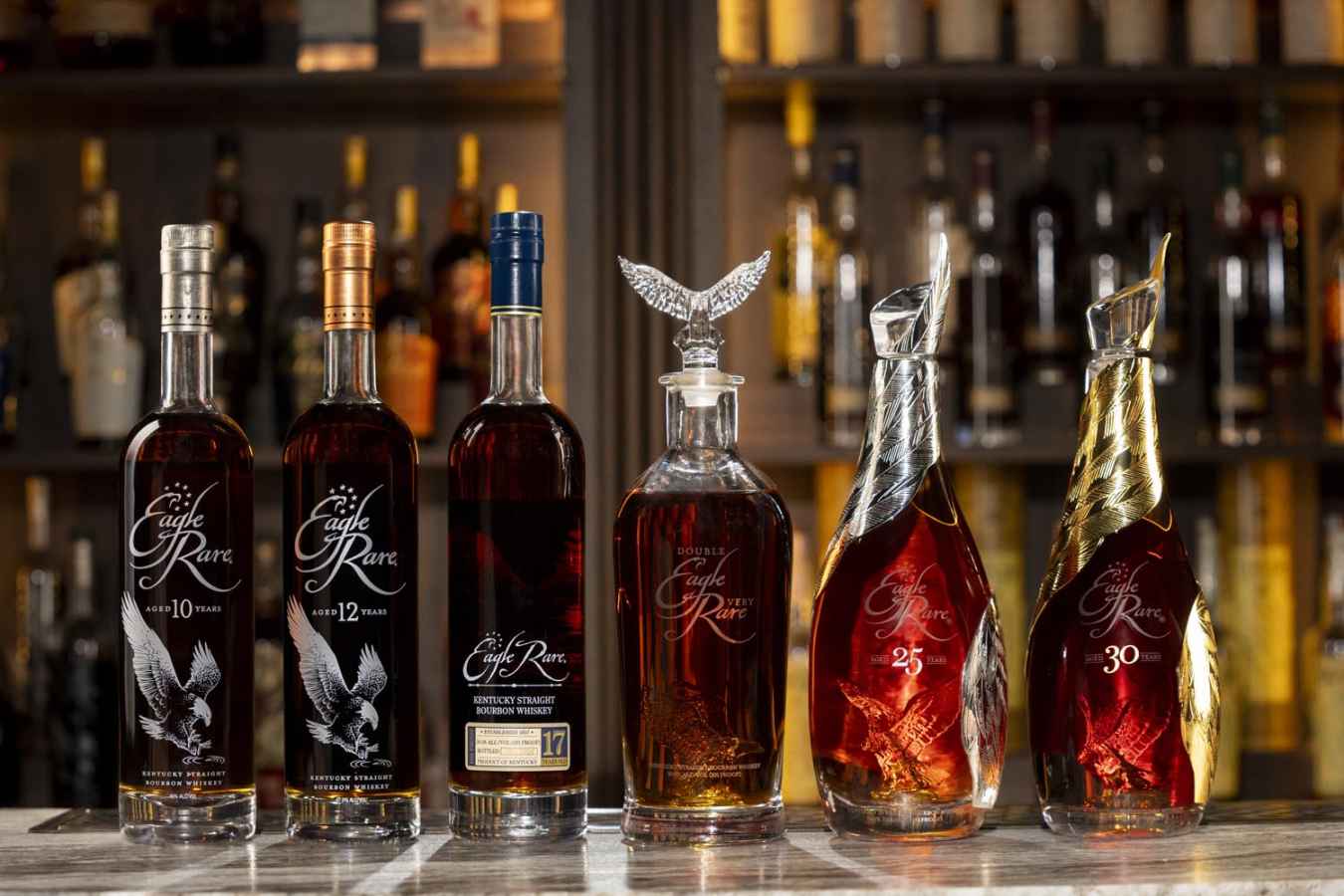
The tasting was arranged as a flight across the Eagle Rare range: ten, twelve, seventeen, twenty, twenty five, and finally, the thirty. It offered a rare opportunity to follow a single mash bill across decades of maturation and, crucially, across two very different philosophies of ageing.
Eagle Rare has always occupied a distinct position within the Buffalo Trace portfolio. It shares a mash bill with Buffalo Trace bourbon but serves as a vehicle to explore age statements in a category that historically has not relied on them. While bourbon matured beyond four years does not require an age statement, the distillery chose early on to make age a defining feature of the brand. The ten year old remains a reference point for value and accessibility in the UK, even as it remains elusive in the American market.
That consistency is the result of rigorous monitoring. Every expression is blended to a defined profile, checked via both sensory tasting and chemical analysis. The climate variation in Kentucky is large. Temperature swings and humidity levels mean that without intervention, whiskey produced years apart would drift stylistically. The objective is to maintain continuity within these environmental constraints.
The challenge grows as the years pass. Kentucky is not Scotland; evaporation rates are aggressive and the interaction between spirit and oak is accelerated. At ten years, roughly half the liquid is already lost through evaporation. By twenty years, the balance becomes precarious. Oak extraction often dominates, leading to a dryness that can overwhelm the underlying spirit.
The Eagle Rare 20, tasted mid flight, sits at the absolute edge of what traditional Kentucky maturation can sustain. It is impressive, with significant structure, but there is a noticeable grip from the wood. It feels like a logical endpoint for conventional ageing.
The Warehouse P Evolution
The shift occurs with the introduction of Warehouse P. Buffalo Trace has long invested in controlled experimentation, moving from small scale trials in their micro distillery to Warehouse X, a facility designed to isolate variables like airflow and sunlight. Warehouse P is the culmination of this research: a fully controlled environment where temperature and humidity are moderated to influence how a whiskey evolves.
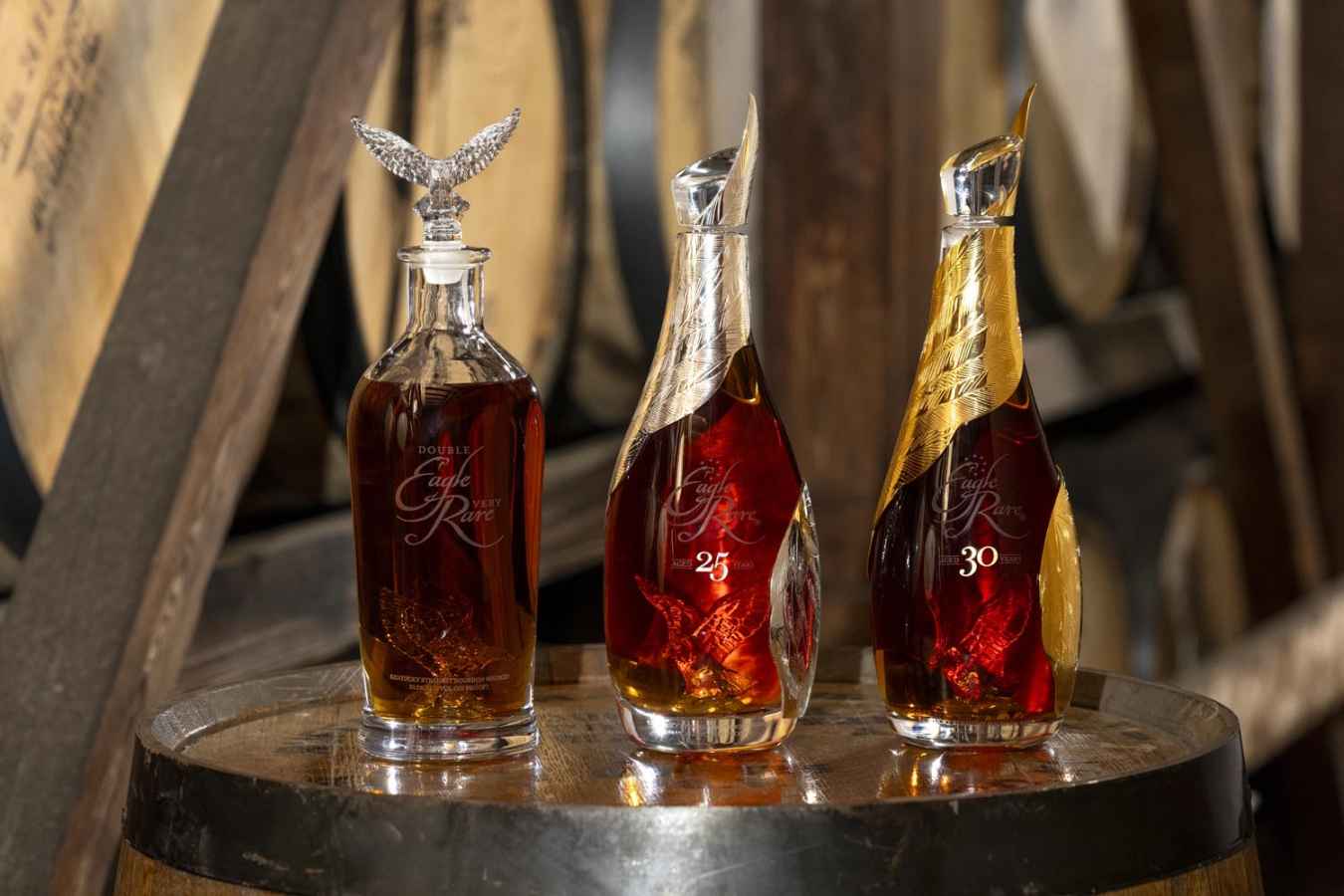
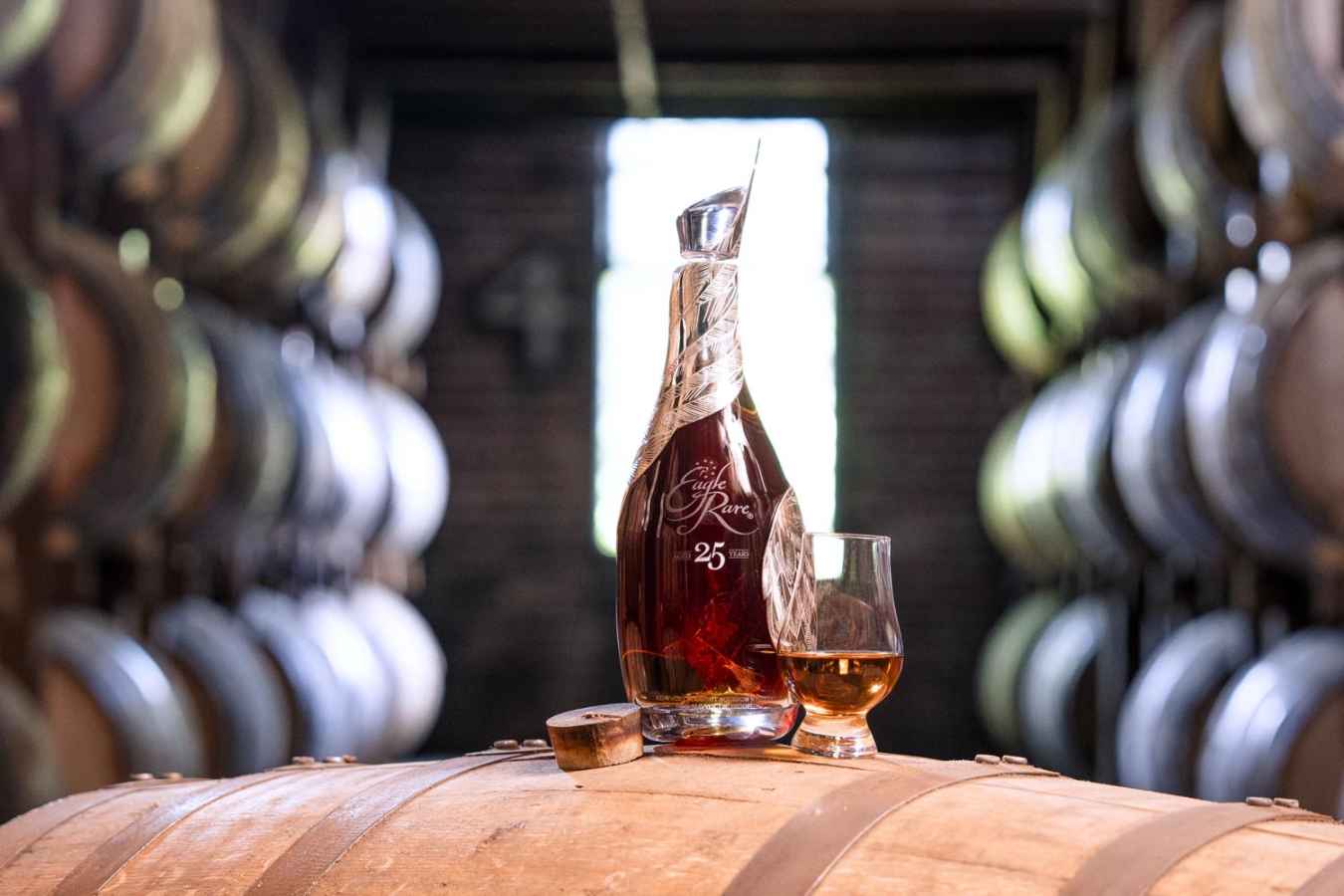
Unlike traditional rickhouses, where the location of a barrel can create wild variation, Warehouse P allows the distillery to negate the extremes of the Kentucky climate. Eagle Rare 25 was the first major output from this system, and the 30 Year Old builds on that foundation.
The difference is immediate. Moving from the twenty to the twenty five, the oak influence recedes in favour of balance. The thirty takes this further. The astringency one expects at this age is absent. Instead, there is an integration that is unusual for such a mature bourbon. The profile is defined by apricot tart and crème anglaise, with a lift of spice and a long, controlled finish. It presents with more freshness than the twenty five tasted alongside it.
During the tasting, a guest suggested that moving beyond the twenty year mark under controlled conditions could be viewed as artificial. The response from the distillery was pragmatic. Intervention is not new; heating warehouses in winter to keep maturation active dates back to the nineteenth century. The difference now is simply the degree of precision.
The intent is not to accelerate maturation but to extend it. Without this intervention, a thirty year old Kentucky bourbon is rarely commercially viable; the wood would simply render it undrinkable. The question is whether preserving drinkability at this age is an evolution or a compromise.
From a technical standpoint, it is an evolution. Philosophically, it depends on what one values. If age is a marker of time alone, the method may be questioned. If age is viewed in conjunction with quality, the outcome justifies the process. As Master Distiller Harlen Wheatley has noted, the goal is to understand what time reveals, which requires both respect for heritage and a willingness to move beyond it.
There is, of course, a commercial layer. Consumers associate age with prestige. Whether that association is always justified is debatable, but it remains a powerful market force. Limited releases like the 30 Year Old respond to that demand while showcasing a genuine technical achievement.
Scale remains extremely limited. The first two bottles of Eagle Rare 30 will be auctioned through Bonhams as part of a global sale running from 24 April to 8 May, alongside older expressions and distillery experiences. This global campaign reflects the soaring international interest in American whiskey and the role these halo releases play in shaping the narrative of the category.
Comprising 15 lots in total, highlights of the auction include:
Lot #1: The first bottle ever produced of Eagle Rare 30 Year Old, in addition to a private tasting experience featuring up to five Buffalo Trace bourbons hosted at either Buffalo Trace Distillery in Frankfort, KY or Buffalo Trace Distillery London, its tasting room located in Covent Garden. Estimate: £7,500-10,000.
Lot #2: One bottle each from the entire Eagle Rare collection: 10, 12, 17-Year-Old (700ml bottles) as Double Eagle Very Rare, 25 and the second bottle produced of 30-Year-Old (750ml bottles presented in their signature display cases). Estimate: £20,000-30,000.
Lot #3: One 700ml bottle each of Eagle Rare 17-, 12- and 10-Year-Old as well as an Eagle Rare 10 single barrel pick experience hosted at either Buffalo Trace Distillery in Frankfort, KY or Buffalo Trace Distillery London. Estimate: £7,000-10,000.
Lot #4 - #5: One 700ml bottle of Eagle Rare 17-Year-Old from the 2025 Buffalo Trace Antique Collection. Estimate: £800-1,300.
Lots #6 - #10: Each offering a six-bottle case of Eagle Rare 12-Year-Old (6 x 700ml, bottles). Estimate: £700-1,000.
Lots #11- #15: Each offering a six-bottle case of Eagle Rare 10-Year-Old (6 x 700ml, bottles). Estimate: £200-400.
You can view the auction at Bonhams