
Harley-Davidson Heritage Classic - Hydra-Glide Nostalgia
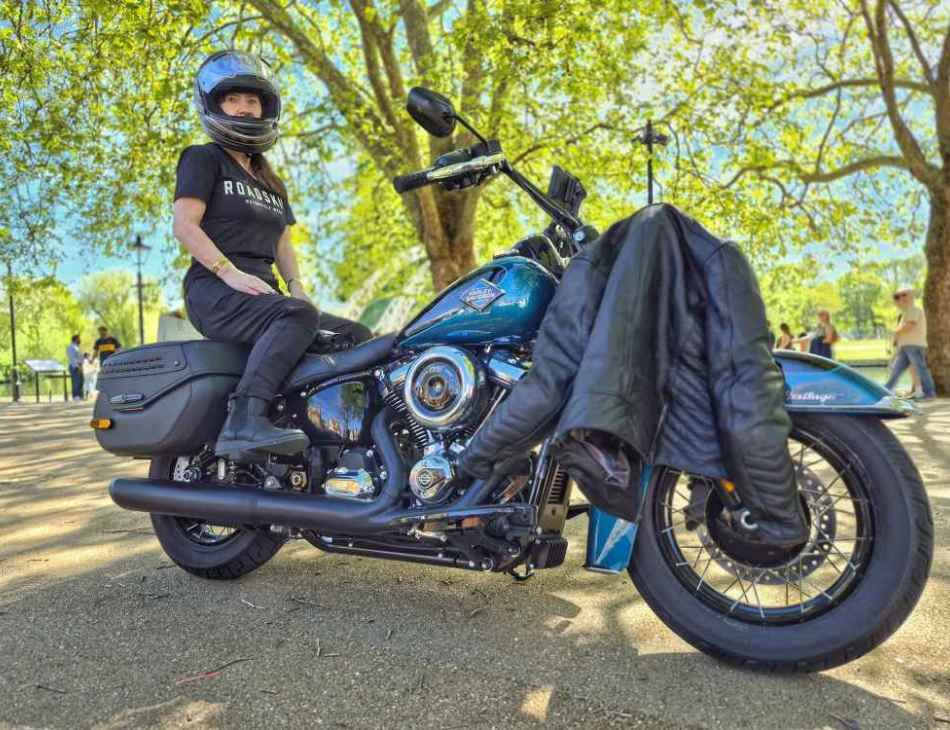
Harley-Davidson Heritage Classic
Harley-Davidson's Heritage Classic is a light-touring cruiser that offers a direct visual link to 1950s rock-and-roll-era America, while hiding highly capable modern technology beneath its traditional styling.
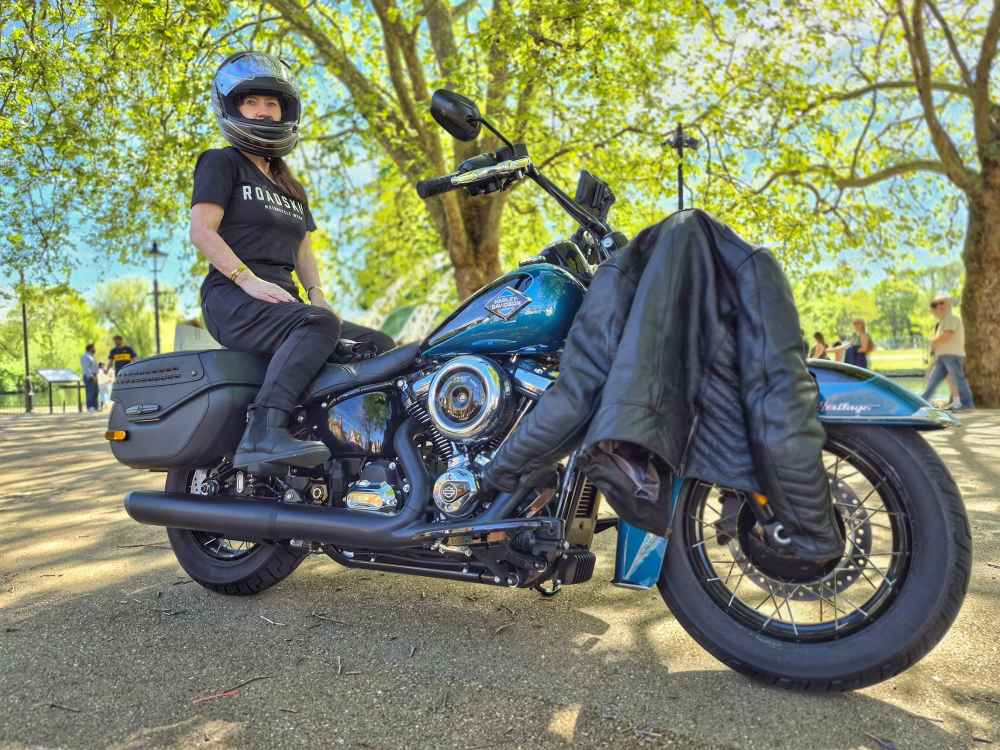
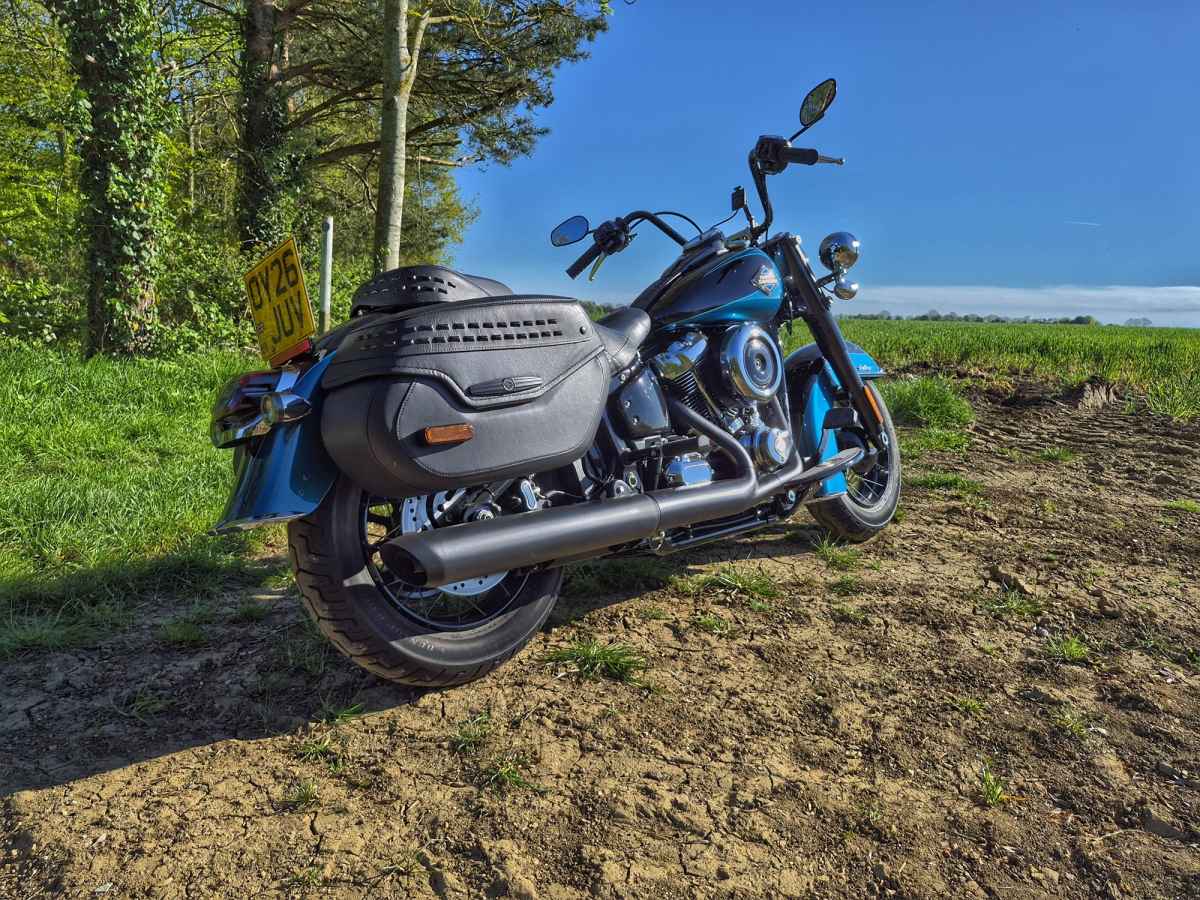
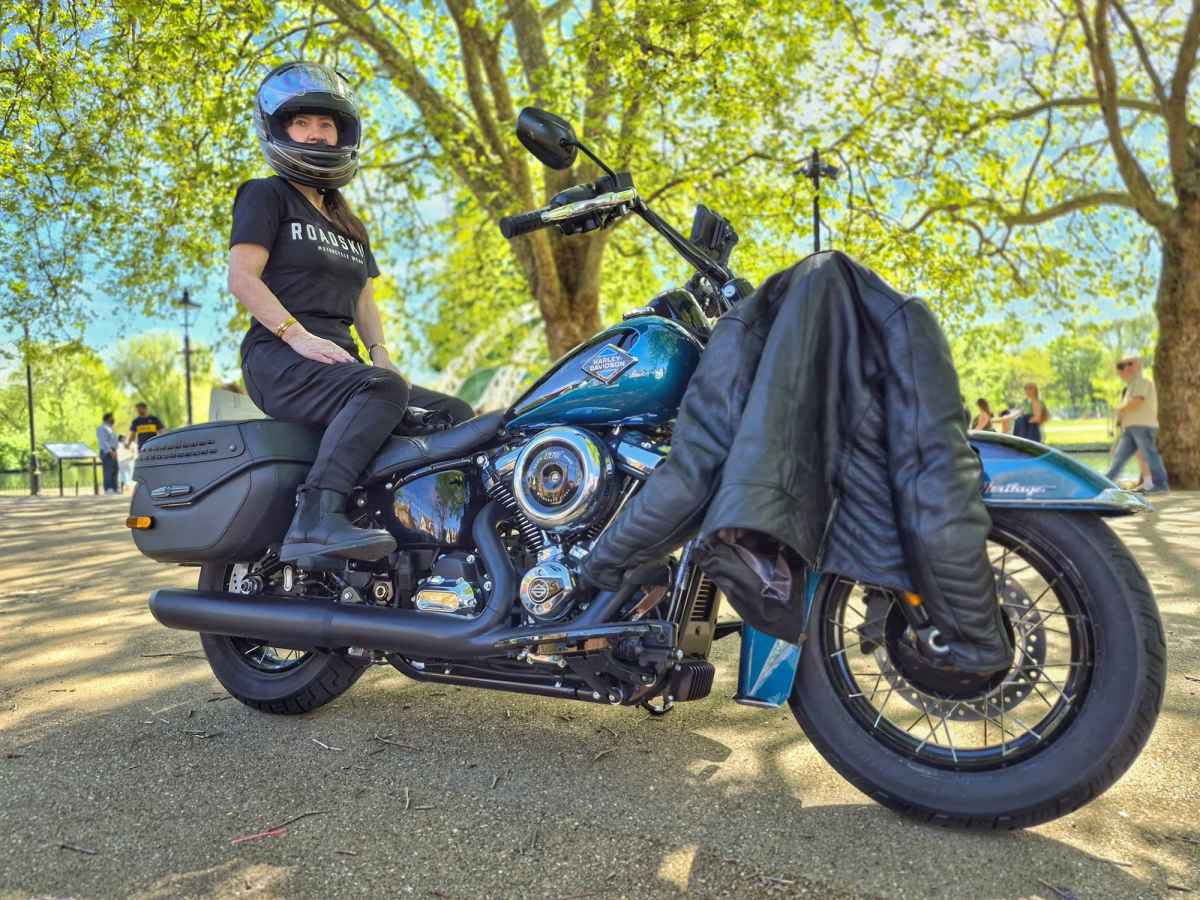
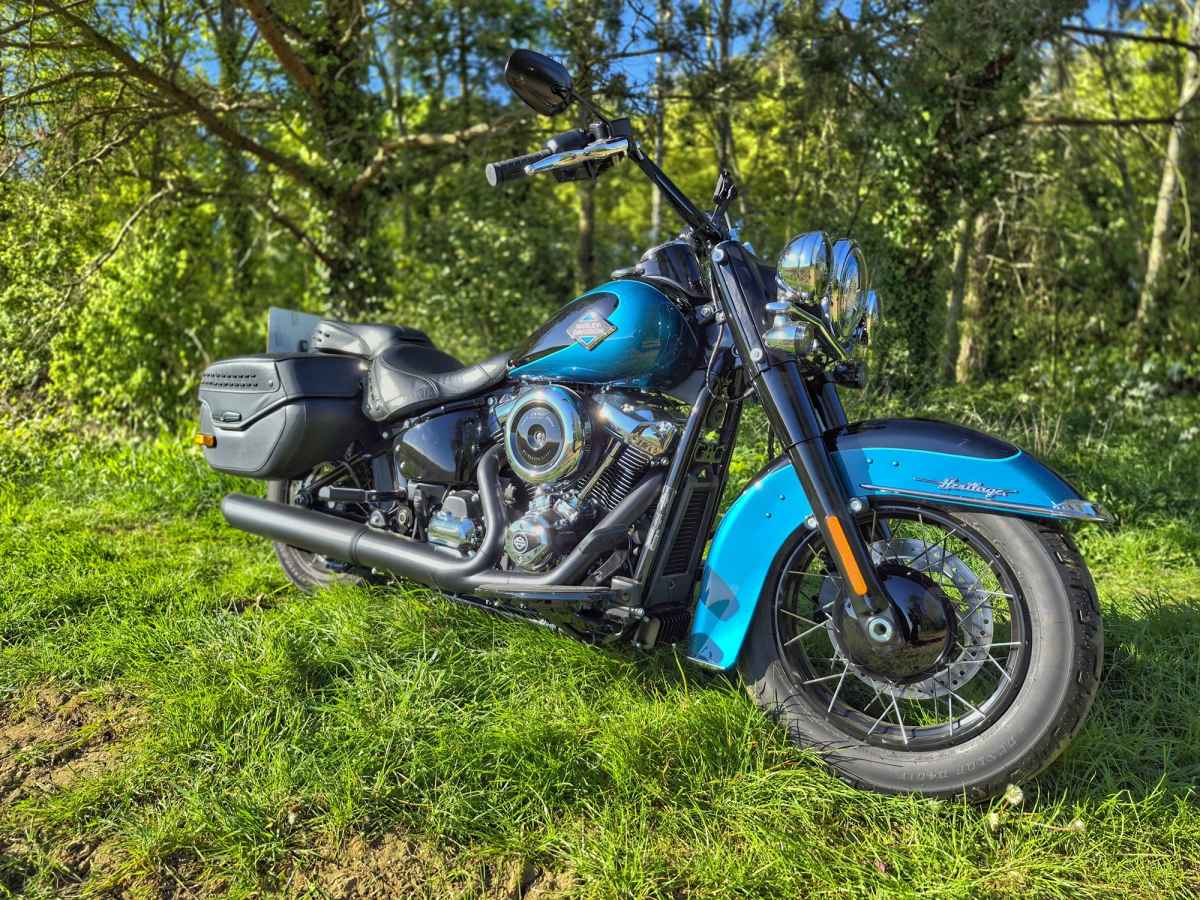
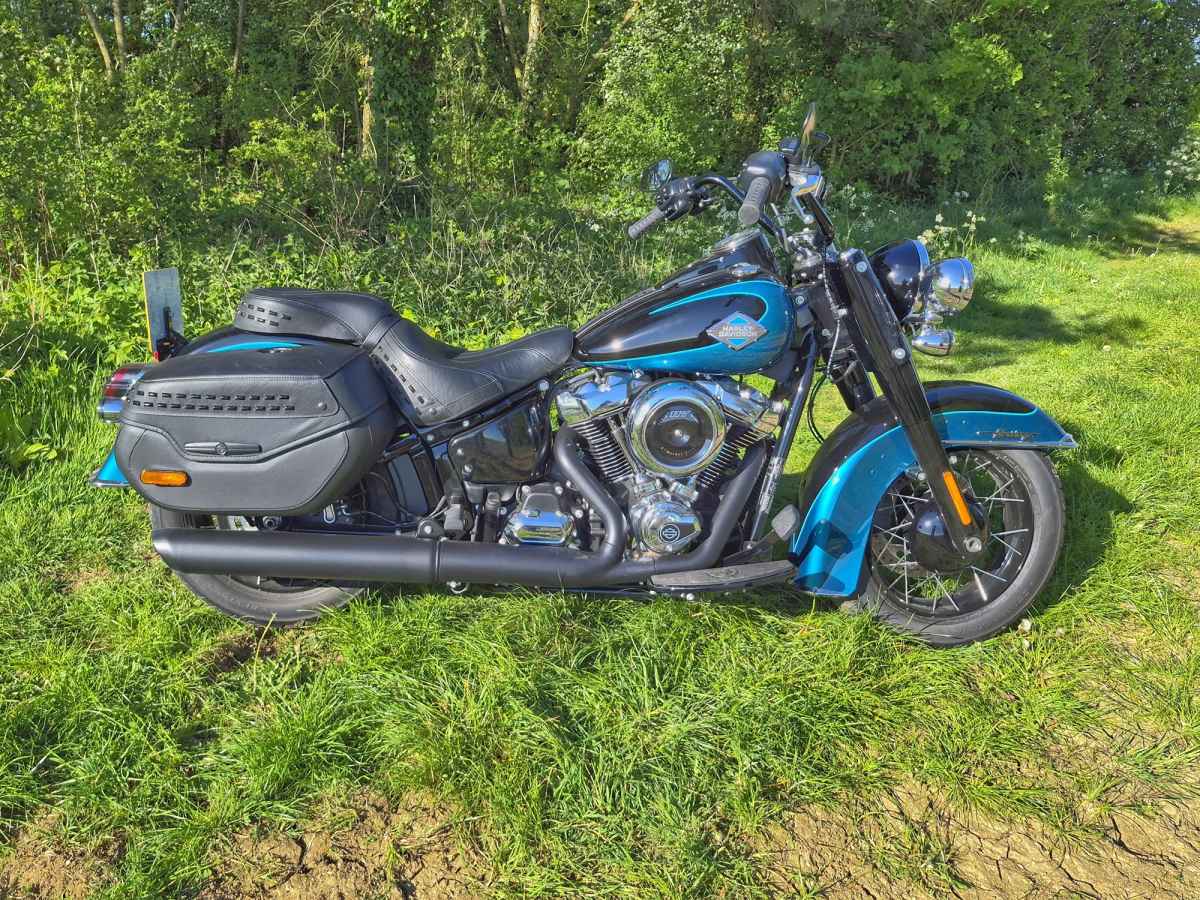
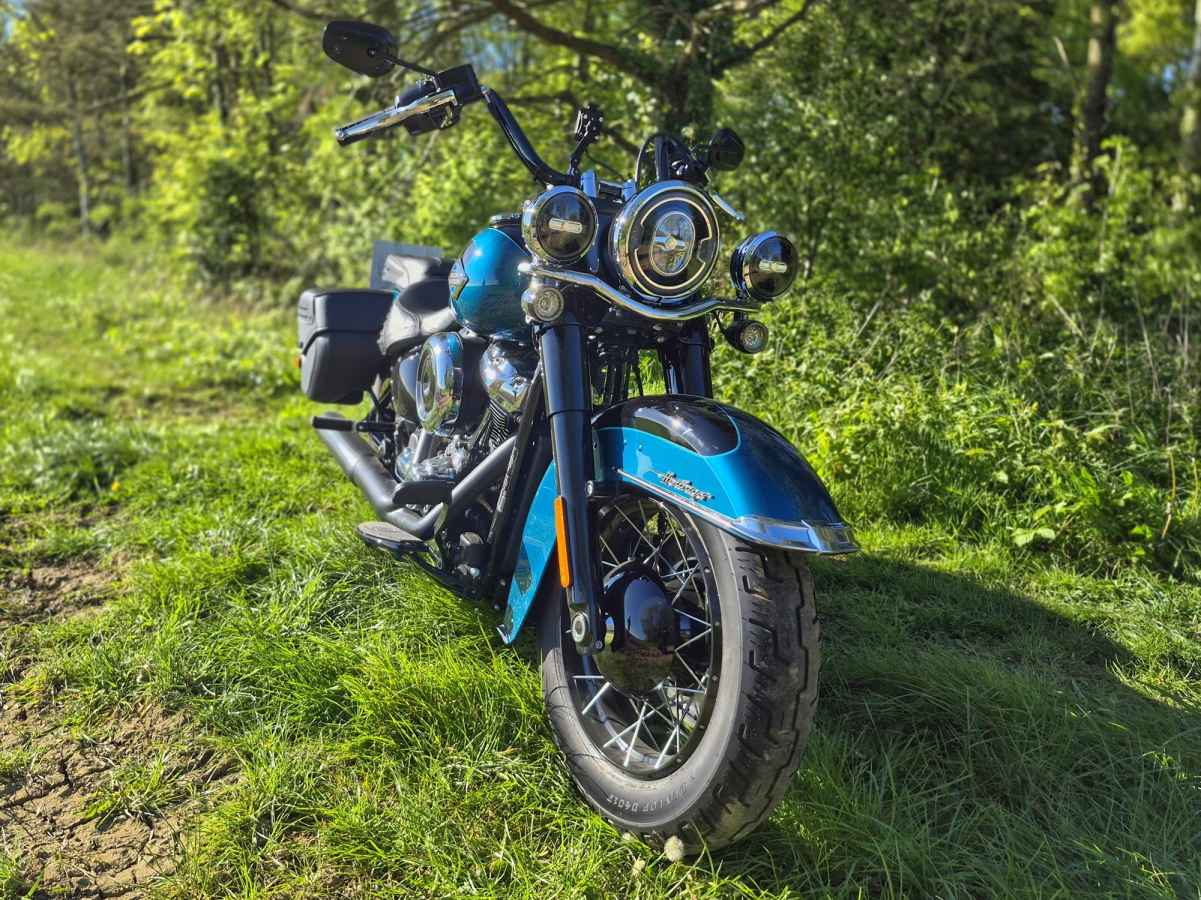
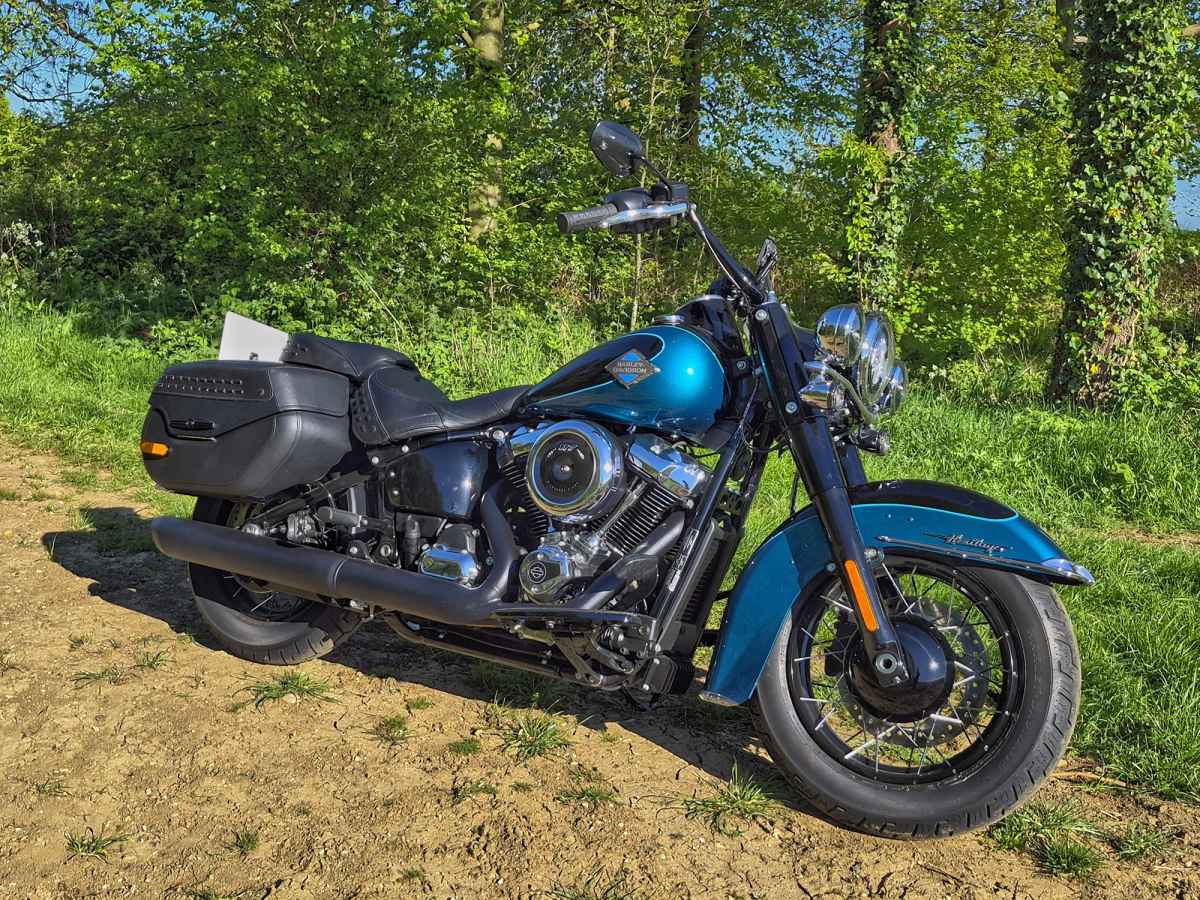
It's a beautifully evocative motorcycle, a pastiche of a bygone era, playfully imitating and borrowing from distinct stylistic elements of the past. It’s a thoroughly modern bike, however, wrapped in 1950s Hydra-Glide nostalgia. It looks like an authentic, heavy vintage machine that Elvis Presley or Chuck Berry would have ridden, complete with a massive detached windscreen, studded leather-style saddlebags, spoked wheels, and deep valanced mudguards. We fell in love with its charm, character and its ability as a genuine all-rounder.
Harley-Davidson gave the Heritage Classic its massive, ground-up overhaul for the 2025 model year. The updates were significant; for example, the Milwaukee-Eight 114 (1,868 cc) engine was replaced by the Milwaukee-Eight 117 (1,923 cc) V-Twin. The 117 pushes out roughly 105 hp and a massive 168 Nm (124 ft-lb) of torque at just 3,500 rpm.
The Milwaukee-Eight 117 V-Twin is Harley-Davidson’s powerhouse. Introduced as the big-inch engine for premium models, it represents the pinnacle of their traditional air/oil-cooled engineering, before you step into the radical liquid-cooled Revolution Max territory.
The Eight in the name refers to the eight valves (four per cylinder), which was a massive departure from Harley's classic two-valve designs when the engine family debuted.
I don’t mind admitting, I used to think of these Harley-Davidson engines as archaic, heavy, old technology, air-cooled, pushrod engines, but I completely missed the point. This engine is a beautiful thing. It has character and charm, pulls cleanly from as low as 1400 rpm all the way to the rev limit, makes a wonderful, distinctive sound and makes good power too. On paper it’s only 105 bhp, but with 168 Nm (124 ft-lb) of torque, it’s no slouch, and can hustle when you want it to.
If you are overtaking a lorry or accelerating out of a bend, you don't even need to downshift. You just twist the throttle, and the bike lunges forward effortlessly. If you do want to let it rev, you are rewarded with strong acceleration and a glorious soundtrack.
It retains that distinct, rhythmic potato-potato idle, but under acceleration, it transforms into a deep, booming bark. Thanks to the four-valve heads, the engine feels incredibly smooth and eager to rev compared to older Harleys, pulling hard all the way up to its 5,500 rpm redline.
This engine also boasts dual spark plugs, dual counterbalancers and ride-by-wire throttle; it’s no old relic.
The 2025 bike had staggered shorty dual exhaust (Left & Right). The new bike utilises a performance-tuned 2-into-1 right-side exhaust and a high-flow intake to keep air moving efficiently and make a lovely sound. The 2025 bike also had basic Cruise Control, ABS and analogue gauges, whereas the new bike is more advanced, with Selectable Ride Modes (Sport, Road, Rain), Cornering ABS & Traction Control, plus analogue gauges with an LCD display and a USB-C charging port. It’s all very subtle, no big screens or crowded switchgear. It’s everything you need, in a nice, clean, retro package.
I was surprised just how versatile the bike is. With the screen on and bags loaded, it’s a highly capable, plush touring machine that can comfortably cruise for hours. The screen height is fixed, and at motorway speeds, I found the wind being deflected over the top of the screen hit me just wrong, causing some turbulence. However, the windscreen features quick-release mounts, so you can easily pop it off in a couple of minutes. I found it was much more pleasant with the screen removed. The headlight and frontal area must deflect the wind in such a way that it was nice and comfortable. I think the shape of my helmet must have had an influence. I prefer the look of it without the screen, too.
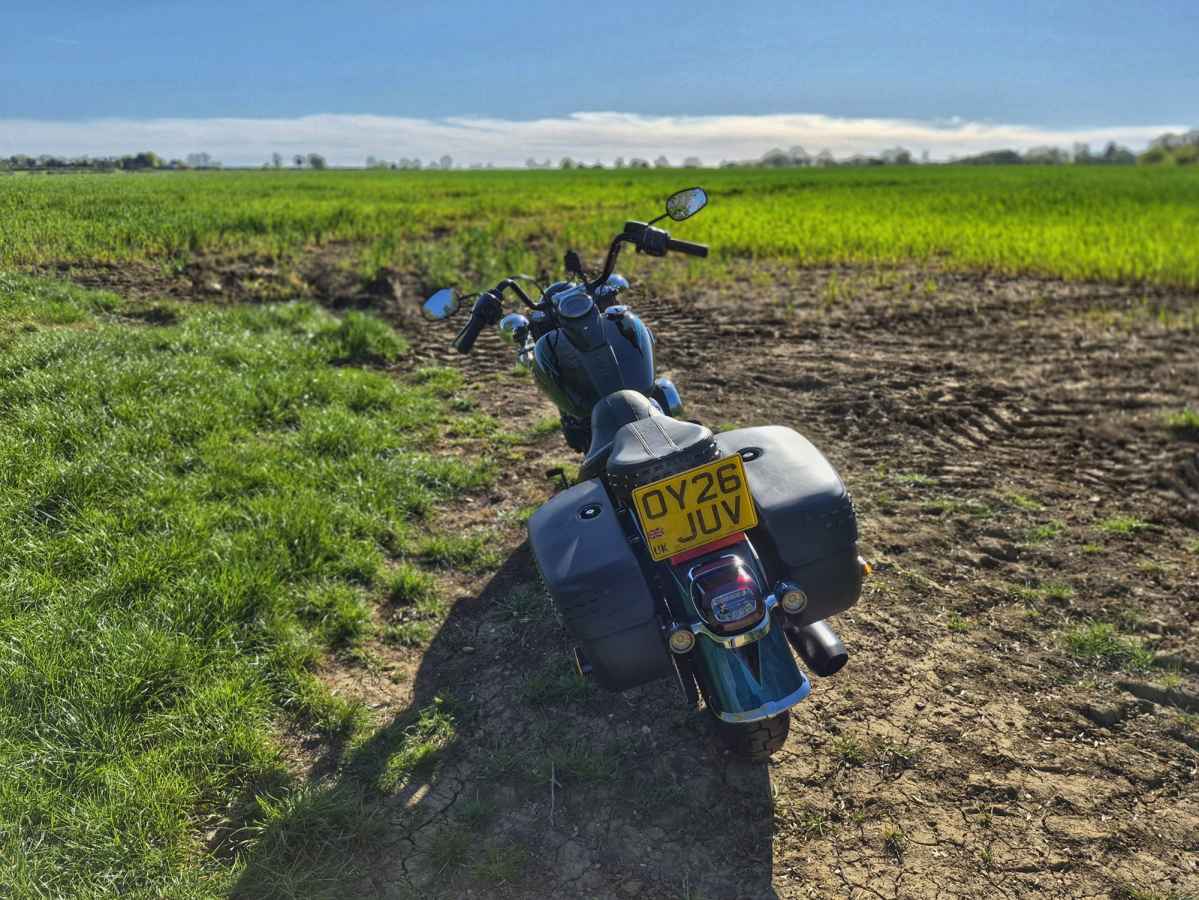
The versatility of the designs means you can also remove the bags, and you instantly have a low, mean, mechanical custom cruiser ready for bike nights or city streets.
Comfort isn't just a feature of this bike; it’s the defining characteristic. While its performance is impressive, the bike’s true superpower is its relentless, fatigue-crushing comfort. For me, it just worked. I’m average height, overweight and the wrong side of 50, but the bar height, the slightly forward footboards and the plush seat made this an absolute pleasure to ride.
Pillion comfort is amazing too. My partner, Kate, is short, and sometimes struggles with rear peg positioning, but the Heritage Classic offers fantastic pillion ergonomics, with a beautiful plush rear seat. We spent several hours on the bike at a time, and always got off the bike feeling fresh and relaxed.
The Heritage Classic occupies a very specific, sweet spot in the motorcycle world. There are plenty of riders who love the idea of touring, eating up motorway miles, and having luggage space, but they don’t want a massive 400+ kg Harley Grand American Touring bike, like the Road Glide Limited, with a giant front fairing, infotainment screens, and speakers. Because the Heritage is built on the lighter Softail frame, it weighs roughly 40 to 50 kg less than the big touring rigs, which makes a big difference when manoeuvring.
The Heritage Classic gives you 80% of the long-distance comfort and storage capacity, but it is vastly easier to paddle around a tight petrol station or manage at slow speeds.
This bike is for the rider who values classic motorcycle aesthetics, with practicality and comfort as a bonus. They want the chrome or blacked-out vintage finish, they want the sweeping lines of a classic hardtail, and they want the timeless rumble of a big V-twin. They don't want a futuristic-looking adventure bike or a sharp sports-tourer; they want a machine that looks like a proper, historic motorcycle. The Heritage-Classic pulls this off with aplomb.
In the UK especially, this bike appeals to riders who want a premium cruiser but actually intend to use it on real-world roads. Thanks to the upright rider triangle, with neutral handlebars, forward floorboards, and an incredibly plush seat, it is vastly more comfortable on rough British tarmac than aggressive, stretched-out custom choppers. The inclusion of modern cornering electronics means it appeals to safety-conscious riders who want classic style but demand 21st-century braking and traction safety when weather conditions turn sour.
The suspension setup on the current (2025/2026) Heritage Classic is where Harley-Davidson subtly did some of its best engineering work during the recent overhaul.
Visually, the Heritage Classic mimics the clean, rigid lines of a vintage 1950s hardtail frame. In reality, it uses a highly modern Softail chassis with the shock absorber completely hidden away beneath the seat.
Up front, Harley uses 49 mm telescopic forks featuring Showá Dual Bending Valve (SDBV) technology.
Traditionally, standard motorcycle conventional front forks (called "damping rod" forks) use fixed holes to regulate oil flow. If you hit a bump slowly, the oil flows fine. But if you hit a sharp bump at high speed, the oil can't force its way through those fixed holes fast enough. The fork locks up temporarily, transferring a harsh spike of energy straight to your wrists.
Instead of oil simply flowing through a fixed, open hole, SDBV utilises a specialised piston equipped with two distinct, flexible valve plates (one for compression when the fork pushes in, and one for rebound when it extends back out). This means that when the front tyre strikes a bump, the sudden surge of oil pressure pushes against the flexible valve plates. The plates bend open like a reed, instantly creating a much larger opening for the oil to flow through. This prevents the shock from travelling straight up into your wrists and shoulders; instead, it provides plush cushioning on rough urban roads.
Hidden out of sight under the saddle is a single, nitrogen-charged free-piston mono-shock with a 43 mm stroke, providing 86 mm of actual rear wheel travel. The recent 2025 overhaul brought a switch from progressive-rate springs to straight-wound springs, resulting in a spring with firmer, more consistent damping. It dramatically reduces that floaty, boat-like sensation. The bike tracks much straighter through corners, feels planted at motorway speeds, and settles down much faster after hitting large dips in the tarmac. To adjust the rear preload, you have to pop off the rider's seat. Beneath it, you will find a mechanical spanner-notch adjuster on top of the shock absorber.
We are fortunate enough to ride lots of bikes. Some are better than others, but there is always another bike coming. The Harley-Davidson Heritage Classic is a bike that I would genuinely own. It’s perfect for the rider who wants a do-it-all Harley-Davidson. It’s a beautiful, comfortable bike that is nimble enough to commute or ride into town, comfortable enough to ride across Europe, and styled to look like it rolled straight out of 1955.