
Lotus Emira: The Drivers Car Still Has A Pulse
A Purple Haze, A Manual Gearbox, A Supercharged V6 And A Reminder That Proper Driving Still Requires Hands, Feet And A Little Bit Of Respect.
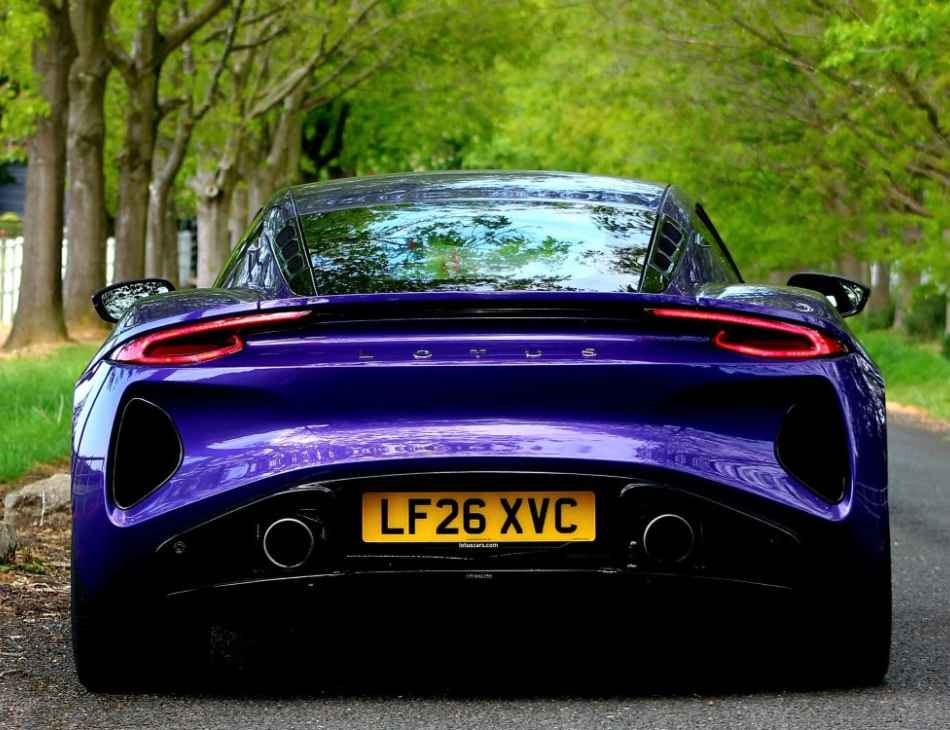
Lotus Emira
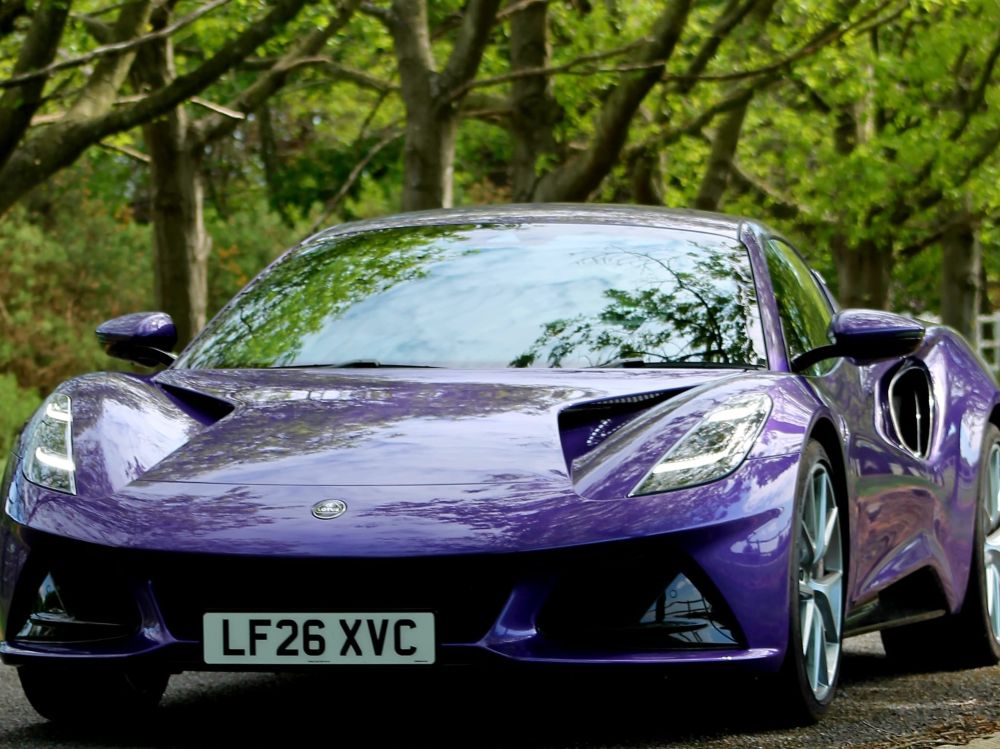
Some cars impress me. Some cars intimidate me. Some cars arrive on my drive, sit there for half a second and then immediately reorganise the chemicals in my brain at first glance. The Lotus Emira V6 SE is one of those.
Before you drive it, before you climb down into it, before you flick the red starter cover and press the ‘on’ button that wakes the supercharged unit behind your shoulders, it has already done something rather clever. It has made you want it. Not in a rational, residual values and boot space sort of way. More in the old-fashioned sense that it makes you stop, stare and briefly forget every sensible argument against wanting one.
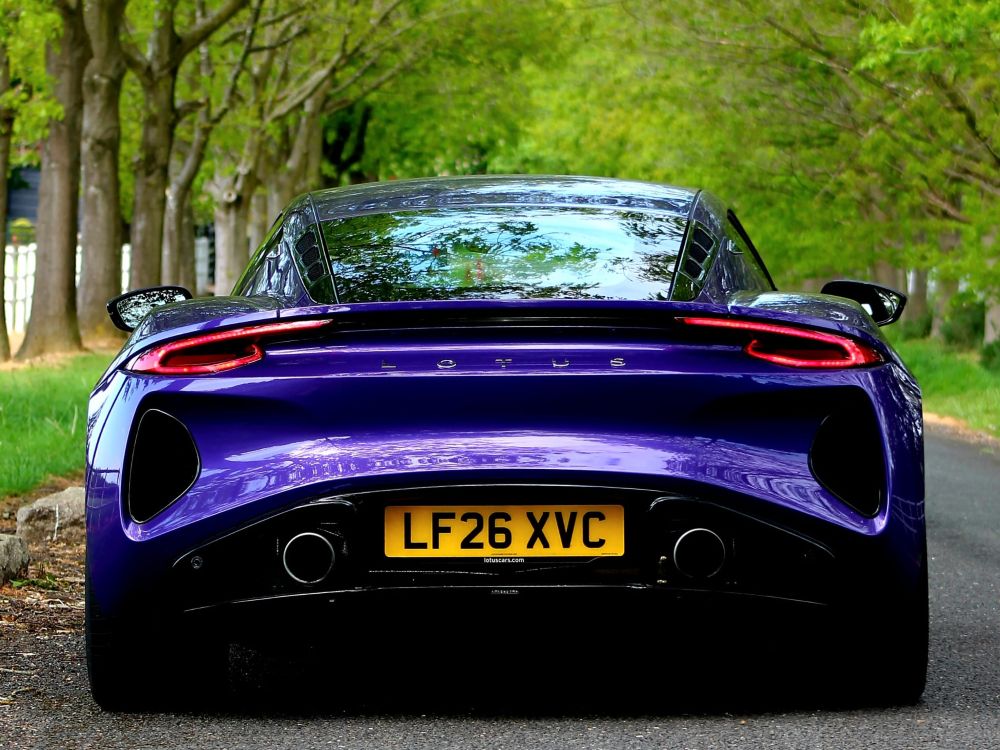
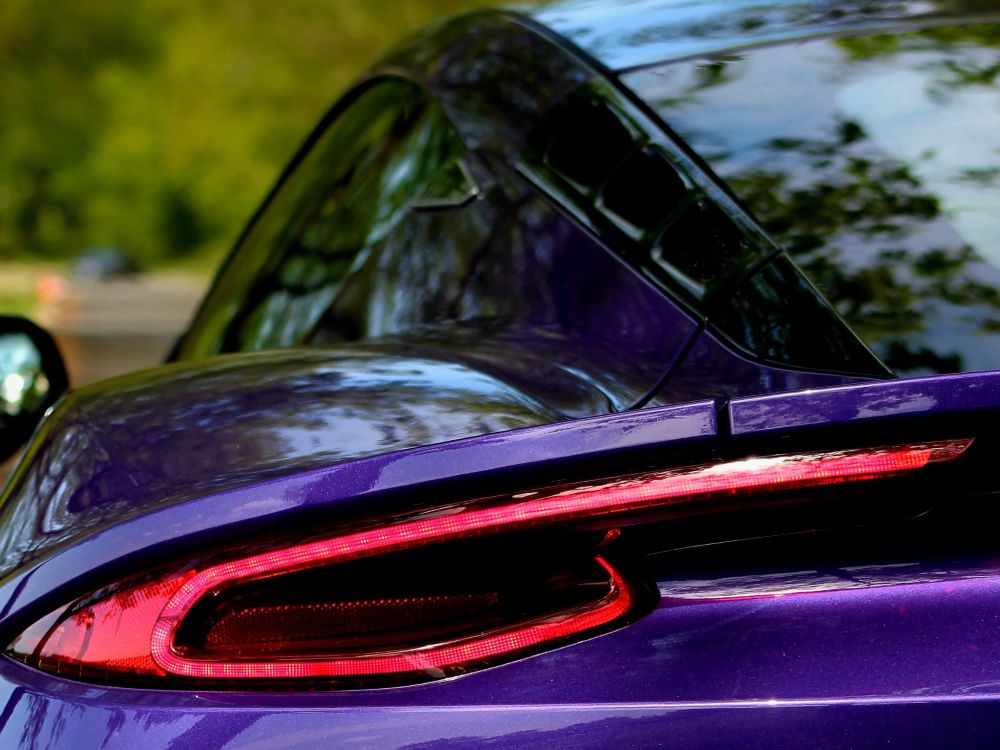
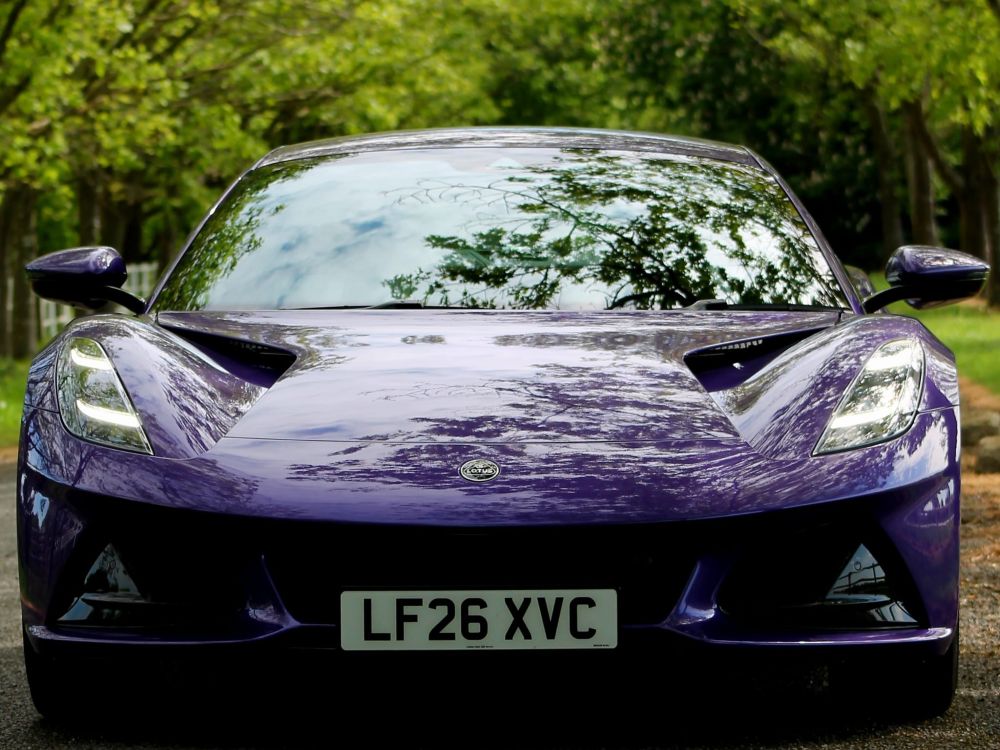
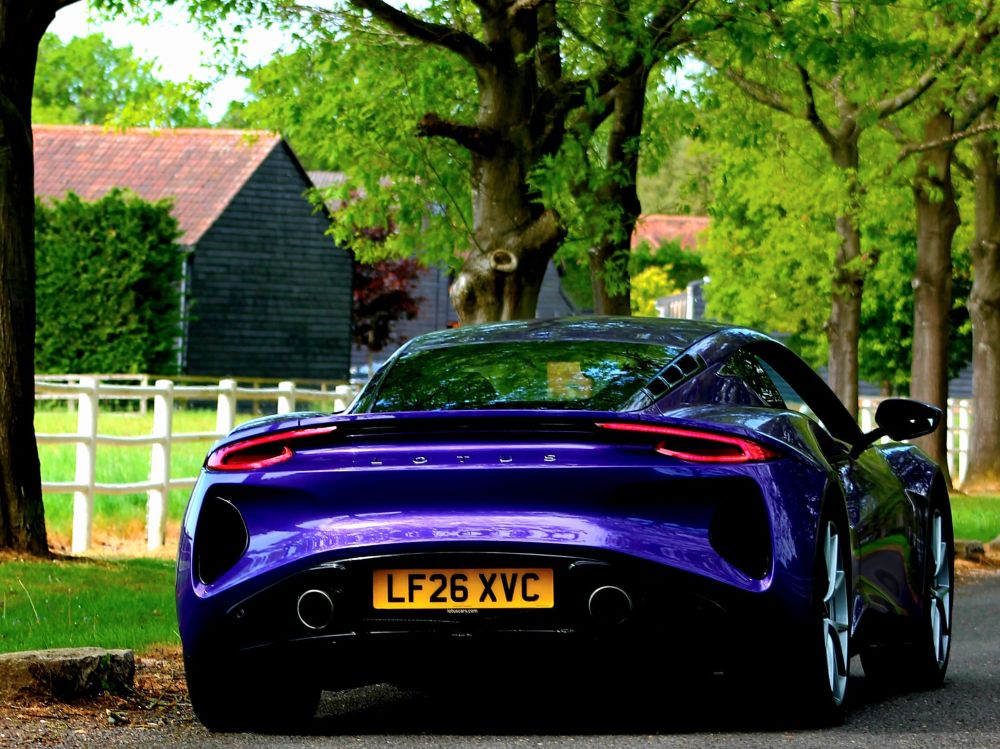
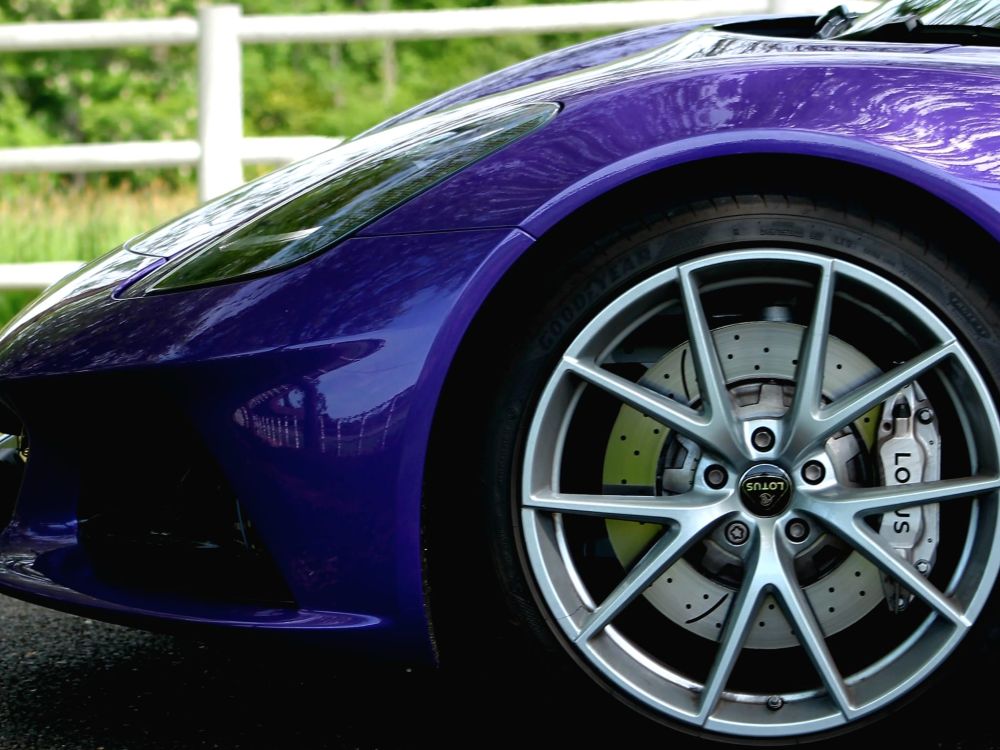
And in Purple Haze, it is not merely a sports car. It is an event.
People stare at it. People take photos of it. People who know nothing about cars suddenly become deeply interested in Norfolk-based engineering. Everyone looks because everyone dreams of it. That is a very good start.
But the Emira cannot rely on looks alone, because Lotus carries a burden few manufacturers understand. It has to mean something. It has to feel like part of a line that stretches through the Elan, Elise/Exige and Evora; cars built not around excess but around response. A proper Lotus has never simply been about power. It has been about mass, steering feel, balance and the wonderfully inconvenient truth that the drive is still the reason you want one.
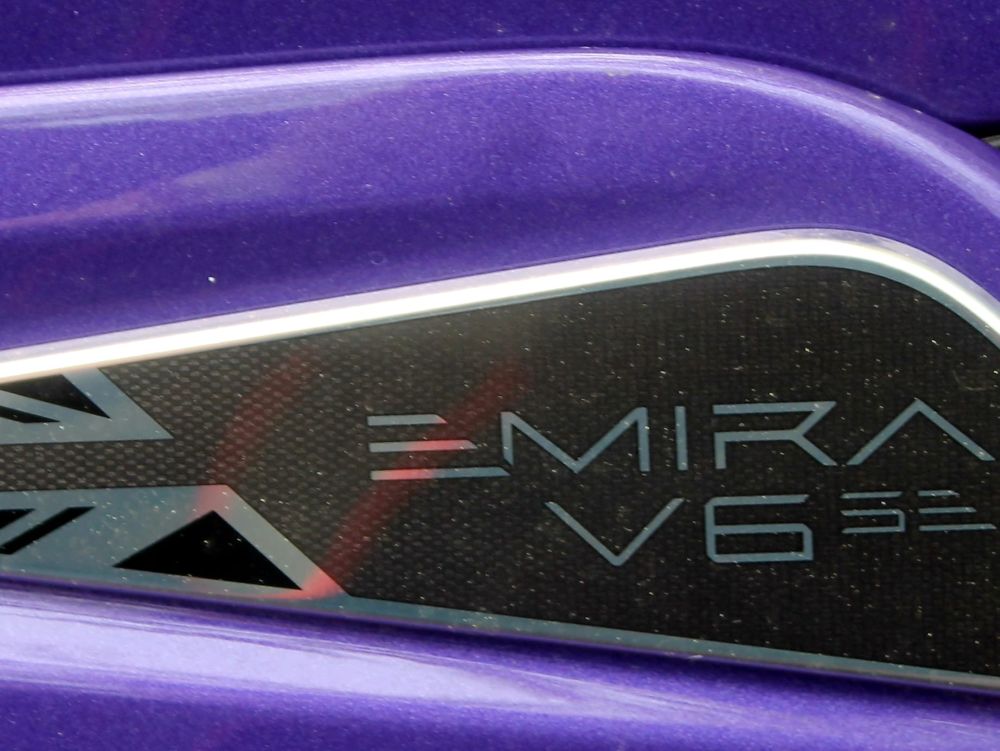
The engine is the familiar 3.5-litre Toyota-derived V6, supercharged and mounted in the middle, producing 400bhp and 420Nm in manual form. It is paired here with a six-speed manual gearbox and a mechanical limited-slip differential, which immediately makes it feel like a machine intended for people who still enjoy doing things themselves.
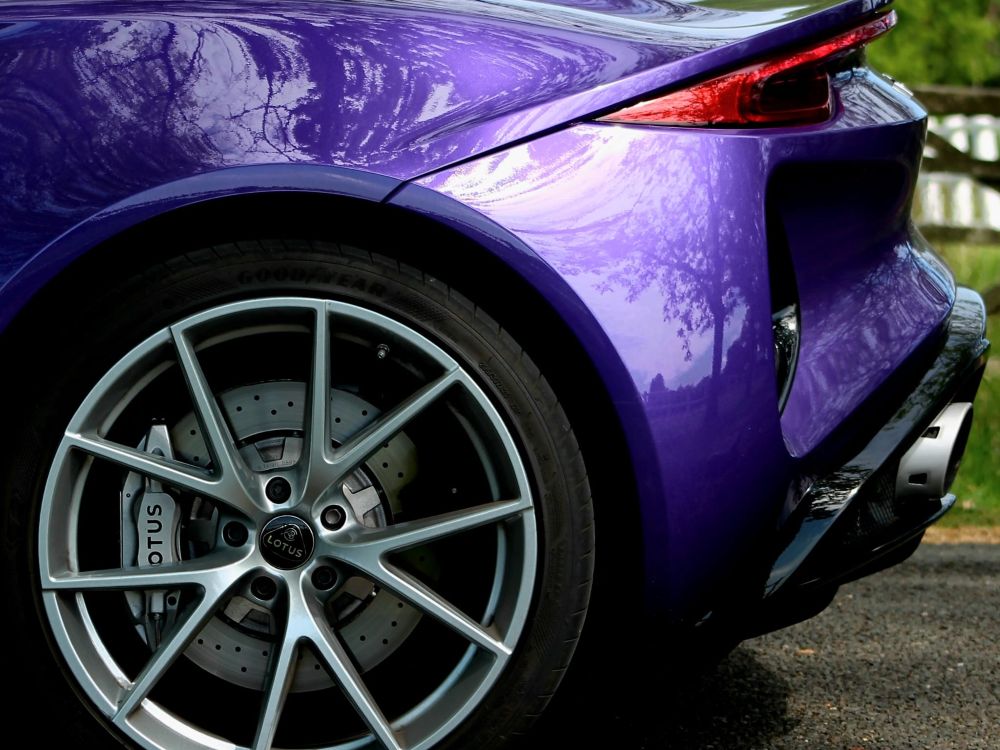
Top speed is listed at 180mph, 0-60mph takes 4.3 seconds and the car weighs just 1,446kg. The technical base is serious too: double wishbones front and rear, coil springs, high-pressure monotube dampers, electrohydraulic steering, AP Racing brakes and 20-inch Goodyear Eagle F1 Supersport tyres. In this exact specification, with Prism Ultra Lightweight silver wheels, Black Alcantara trim and Lotus Driver’s Pack with touring suspension, the price to get one will be just north of £100k.
In the cold-hard light of day, I know people need to know that but individually, they are not the reason you fall for it.
The reason you fall for it is because the Emira feels technical. Not difficult. Not awkward for the sake of being awkward. Technical. It asks you to drive it properly. The Audi RS e-tron GT I drove a while ago was devastatingly fast and astonishingly composed. It used technology with such intelligence that it made huge performance feel almost effortless. And the Alpine A110 was lighter, more playful and beautifully instinctive. But the Emira sits somewhere more serious.
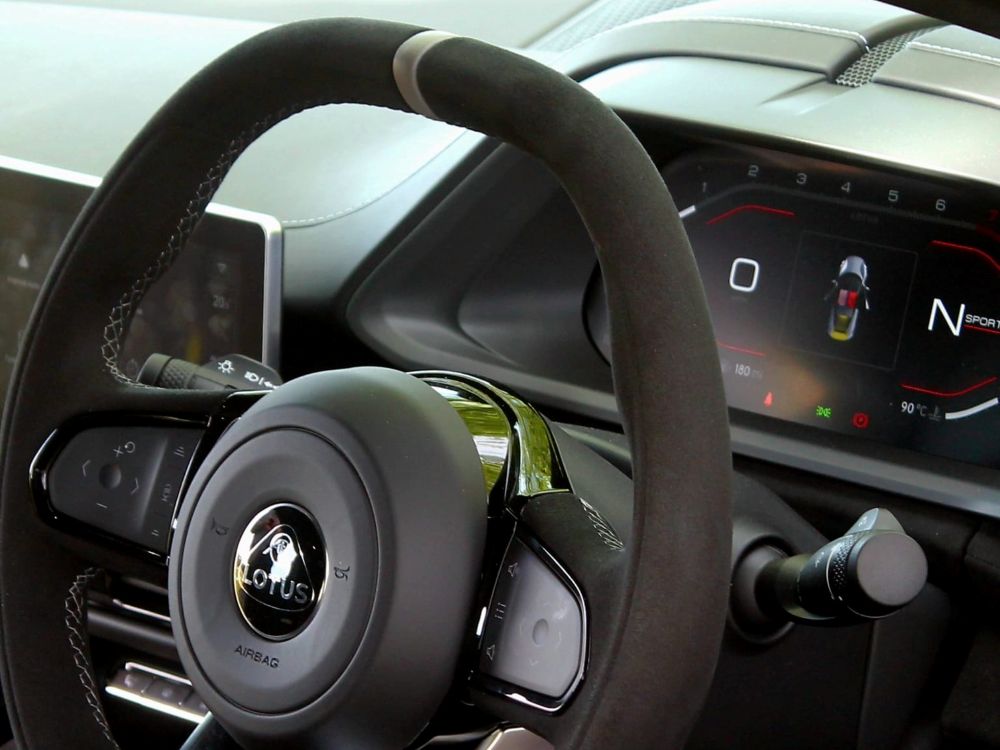
Get into it and the first surprise is that it is not as cramped as the folklore of small Lotuses might suggest. Yes, it is low. Yes, entry requires some choreography but once you are in, there is proper space, even for someone long of limb and not especially compact like me. The driving position requires time to get right but it rewards in abundance. Wheel height, pedal distance, gear lever position, seat height and sightline all matter.
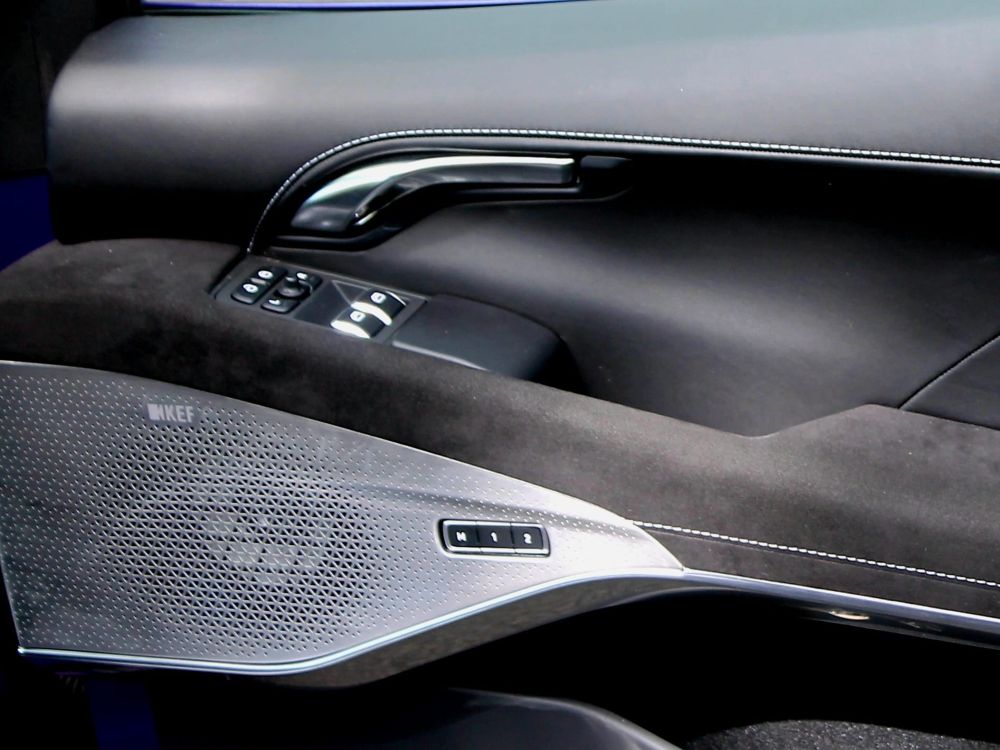
Once positioned, you can’t help but notice that the interior is a significant step on from the Lotus of old. Gone are the days when “saving weight” could be used as a broad defence for anything that looked as though it had been posted through the letterbox by a kit-car supplier. There are no leather door pulls masquerading as philosophy. This feels properly finished now.
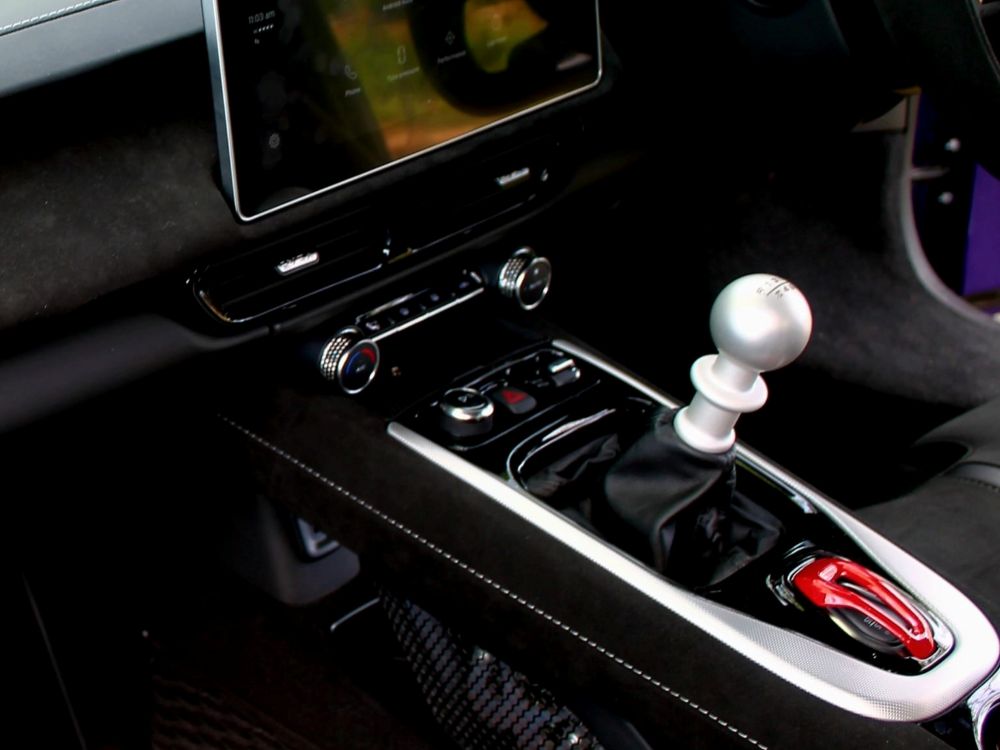
The manual gearbox is central to everything. This is not one of those gearboxes you lazily flick through with two fingers while thinking about coffee. It wants clean movement. Methodical movement. The shift has weight and precision but it also has a rhythm with the engine revolution. Rush it and it feels as though the car is stymied. Work with it and the whole thing becomes deeply satisfying.
The clutch is also in the same realm. The biting point is low and at first you are aware of every movement in your left foot. This is not a clutch that smooths away your inputs. It turns your inputs into consequences. The gear changes need to be simple, clean and deliberate. Drive it with mechanical sympathy and it rewards you. Try to bully it and it quietly reminds you that being enthusiastic is not the same as being good.
Heel-and-toe? In theory, wonderful. In practice, with size 13.5 feet in that footwell, it becomes less a driving technique and more a planning application. There may be people who can execute it with balletic ease in the Emira. I am prepared to believe they exist. I am also prepared to believe they have much smaller feet and fewer issues with pedal spacing.
Modern performance cars are often brilliant because they remove the need for such precision. They manage torque, grip, braking, stability and traction with such ferocious competence that the driver becomes more of a supervisor to the whole event. You point, squeeze and let the software do its enormous sums.
The Emira is so different. It is not analogue in some contrived, nostalgic, hair-shirt sense. It has modern systems, modern structure, modern tyres and all the necessary safety nets. But the foundation remains deeply mechanical. You feel weight transfer. You feel the front axle load up. You feel the rear working behind you. You become aware of late braking points, steering angles, throttle position and how smooth you are being. And when you get it right, it still remains one of the best cars you can drive.
The steering is the first big revelation. Lotus steering has always had a reputation to defend and the Emira does not betray it. The electrohydraulic rack has clarity but not nervousness. It tells you enough without chattering endlessly. You guide the car rather than wrestle it and the front end responds with that clean, immediate honesty.
The chassis is just as good. There is compliance (especially with the touring suspension) and the car happily breathes with the road. It does not crash over imperfections or try to prove its seriousness by ruining your spine. Instead, it settles, flows and then tightens beautifully when you lean on it.
Acceleration is good. Of course it is. Four hundred horsepower in something this low, this wide and this focused is never going to feel pedestrian. The supercharged V6 has the right kind of urgency, building with a clean, muscular insistence rather than a laggy thump. It sounds purposeful, too. Not cartoonishly loud, not artificially theatrical but real enough to make every tunnel and every stone wall a reason to get to 6,000rpm.
But acceleration is not the headline. The handling and the braking are the headline...
There's not getting around it. The brakes are sensational. God-level, if we are permitting ourselves a moment of dramatic accuracy. The AP Racing set-up gives the car a depth of stopping power that changes the way you drive it. Not because you start behaving like an idiot but because you begin to trust the capability of the car. You brake way later but more importantly you brake better. You learn how the weight moves.
Drive it lazily and it remains enjoyable. Drive it properly and it becomes something else entirely.
There is a Track mode, naturally, though engaging it feels like being asked to confirm several times that you understand the seriousness of what you are about to do. This is not the cheery “Sport Plus” button in a Germanic saloon. It comes with the faint sense that a solicitor has been involved. That is probably correct because beneath the Emira’s newfound civility there is still a serious track day car. That honesty is rare now.
It is another reason why the Emira feels so important. We are in a strange moment for performance cars. Everything is faster than ever. Entry level electric cars accelerate like hypercars. SUVs lap circuits at speeds that would once have embarrassed racing machinery. Computers can disguise weight, manage torque, trim yaw and make two-and-a-half tonnes behave like something much smaller. All of which is deeply impressive. But impressive is not always memorable.
There are quirks, obviously. It is still a Lotus. As mentioned, the footwell is not enormous. Packing any sort of travel bag requires thought, the fuel tank is a mere 52.5 litres and the V6’s official CO2 figure of 243g/km is not as green as it could be. But it is low, wide, attention-seeking and demanding, so I care not about the quirks.
In fact, I think the Emira takes the traditional Lotus idea and actually makes it survivable in the modern world. It has enough usability to make a weekend away more than plausible. It has enough comfort to stop you emerging from it folded into the shape of the seat. It has enough quality inside to make the price feel less like an act of blind devotion. But crucially, it has not misplaced the thing that matters: the physical pleasure of driving.
Even as Lotus moves into hybrid engines, electric SUVs and global production, the Hethel-built Emira stands as a reminder of what made the badge matter in the first place. But this is not necessarily a contradiction. Car companies, like people, cannot survive indefinitely by wearing the same jacket they had in 1976 and insisting everything was better then.
Lotus needs investment, technology and reach if it is to remain relevant and that means some of the new cars will inevitably arrive with batteries, screens and proportions Colin Chapman may have raised an eyebrow at. But if that future helps fund, protect and develop the engineering intelligence that gave us the Emira, then I am all for it.
Progress is not the enemy of heritage. Done properly, it is how heritage survives.
Images By Hayden Povey
https://www.lotuscars.com/en-GB
Model: Lotus Emira V6 SE
Base Price (As Driven): £103,955
Propulsion: 3.5-Litre Supercharged V6
Transmission: 6-Speed Manual with Mechanical LSD
Drivetrain: Rear-Wheel Drive
Output: 400bhp
Torque: 420Nm
0-69 mph: 4.3 Seconds
Top Speed: 180mph
Kerb Weight: 1,446kg
C02 Emissions (from): 243g/km