
Volkswagen T-Roc R-Line: The Sensible SUV
Solid, practical and surprisingly enjoyable, the latest Volkswagen T-Roc proves that a small family SUV can still have a sense of occasion.
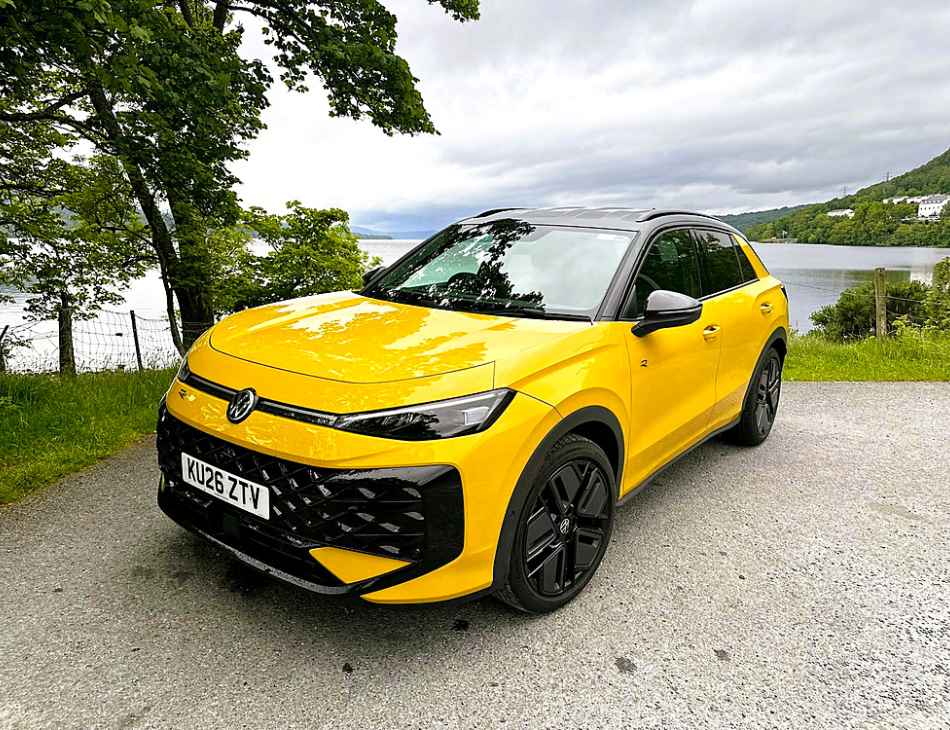
Volkswagen T-Roc R-Line
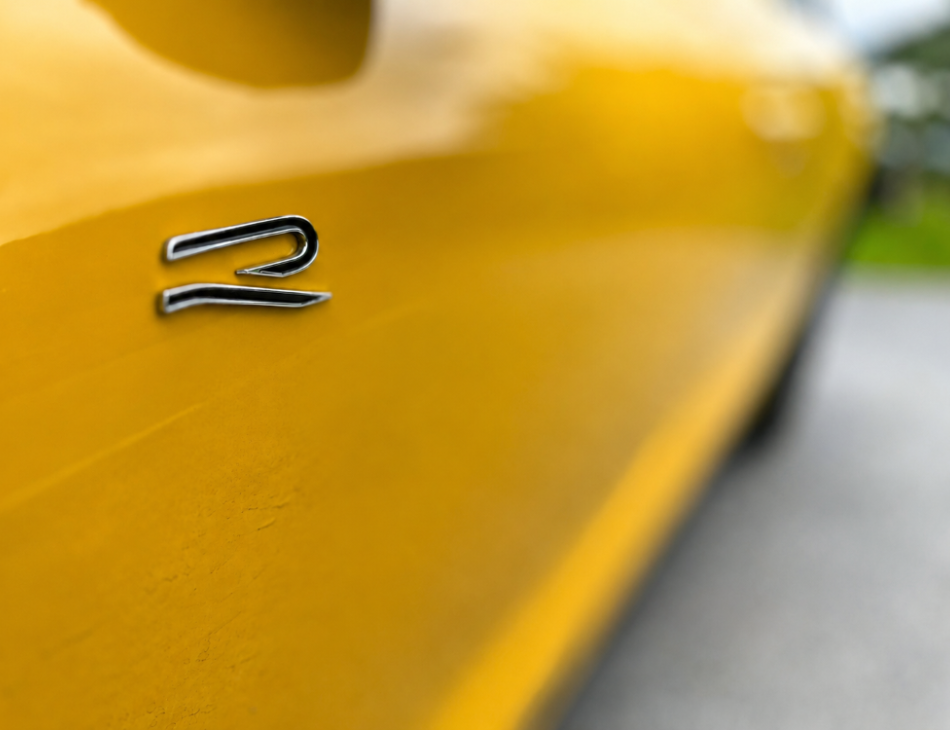
There are sensible ways to test a compact family SUV. You could take it to the supermarket, fill the boot with shopping and fill the back with kids. Or you could point it north from Hampshire, drive to Aberdeen, divert through the Cairngorms and see whether it still feels like a good idea several hundred miles later.
The latter seemed more like me.
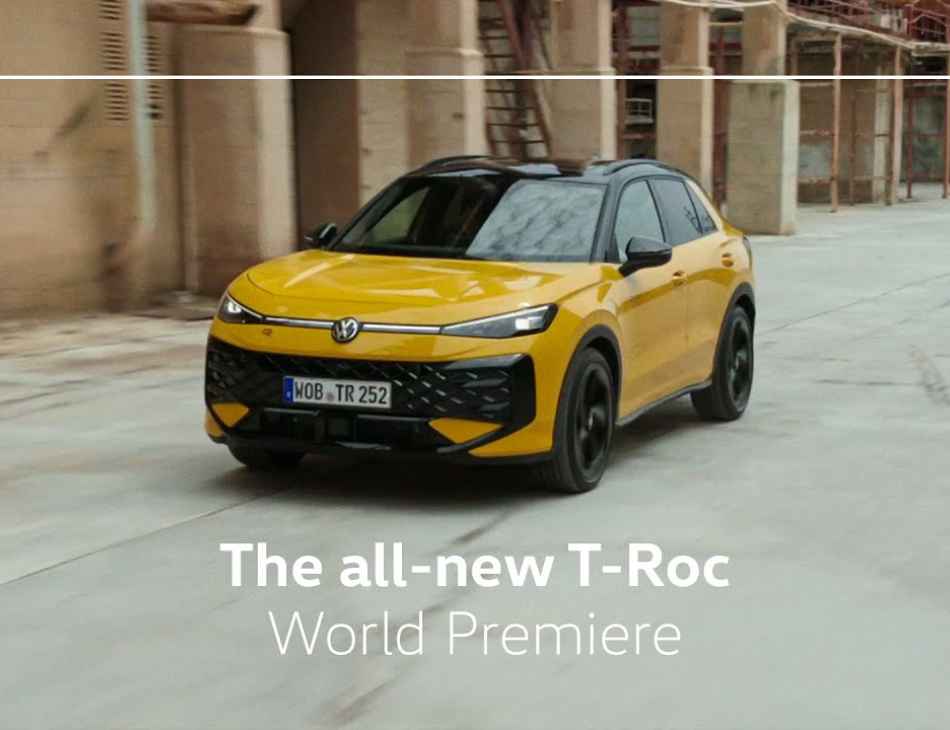
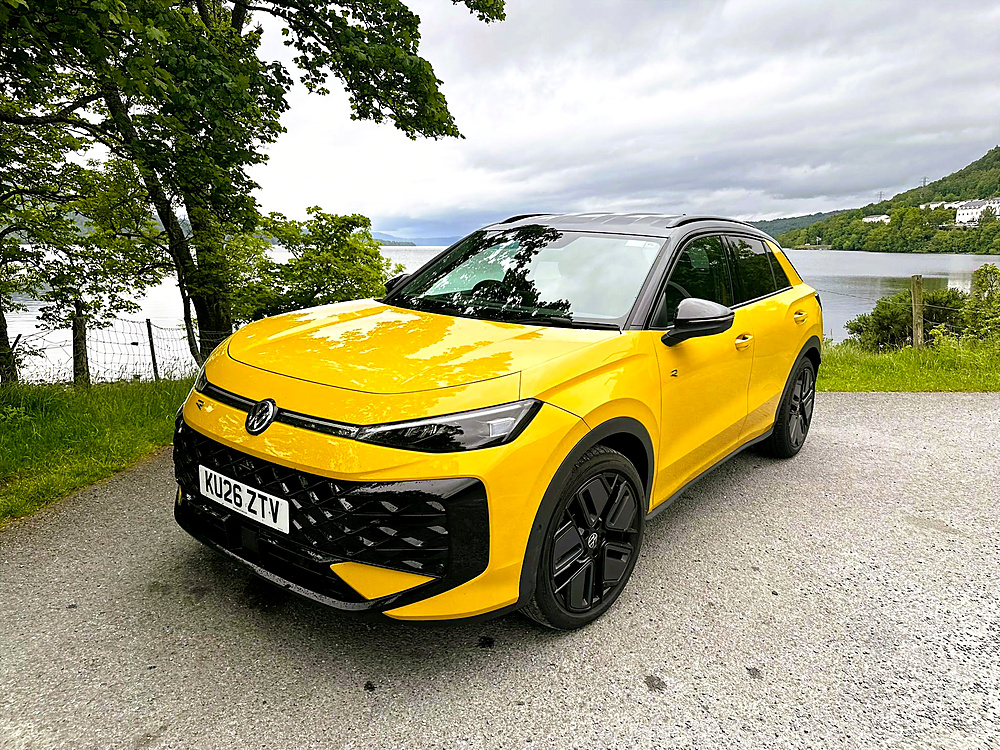
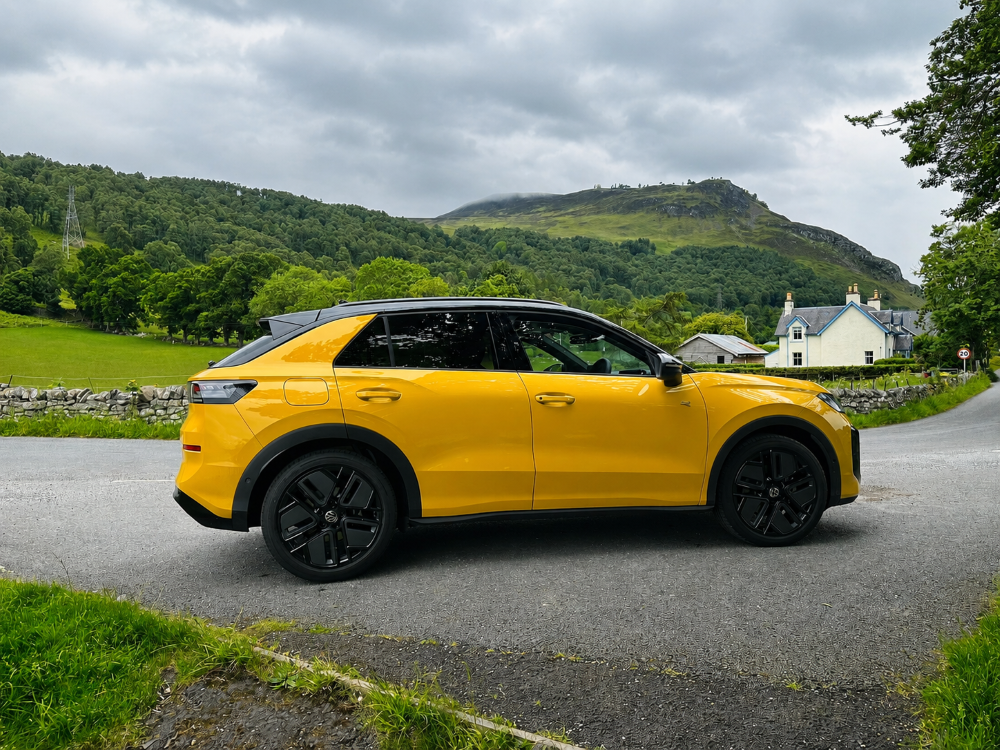
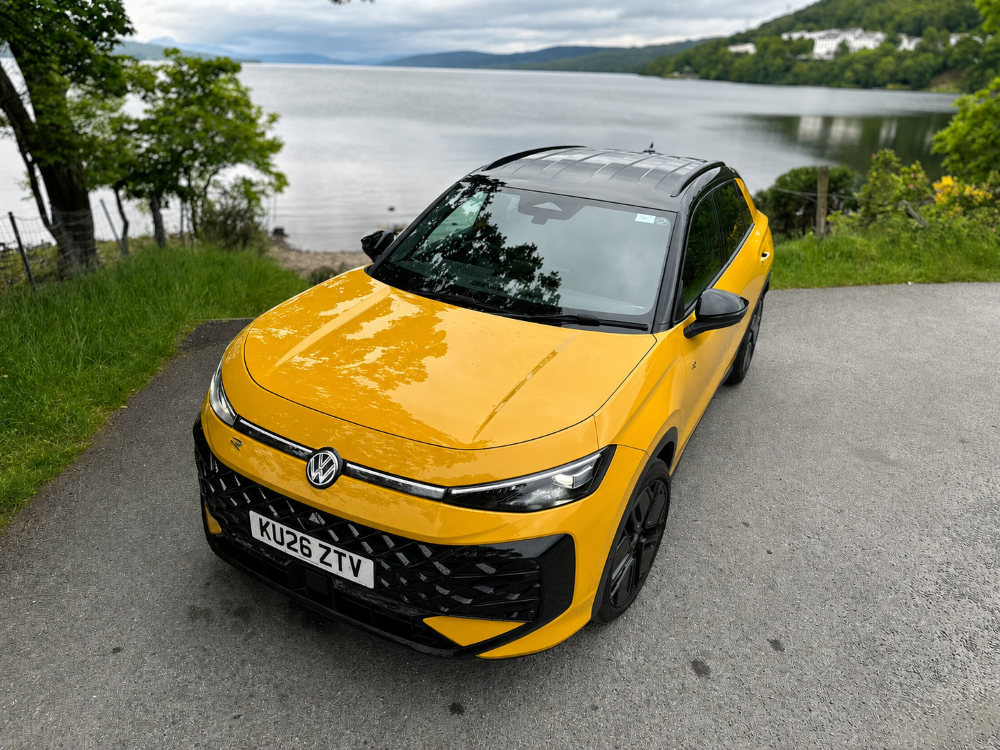
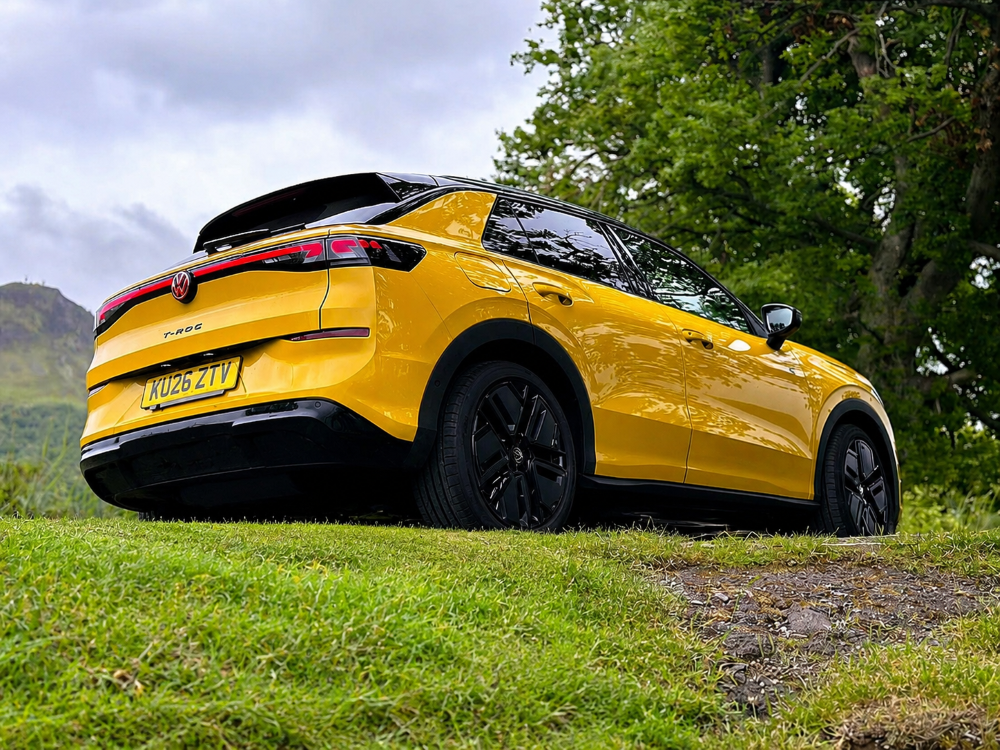
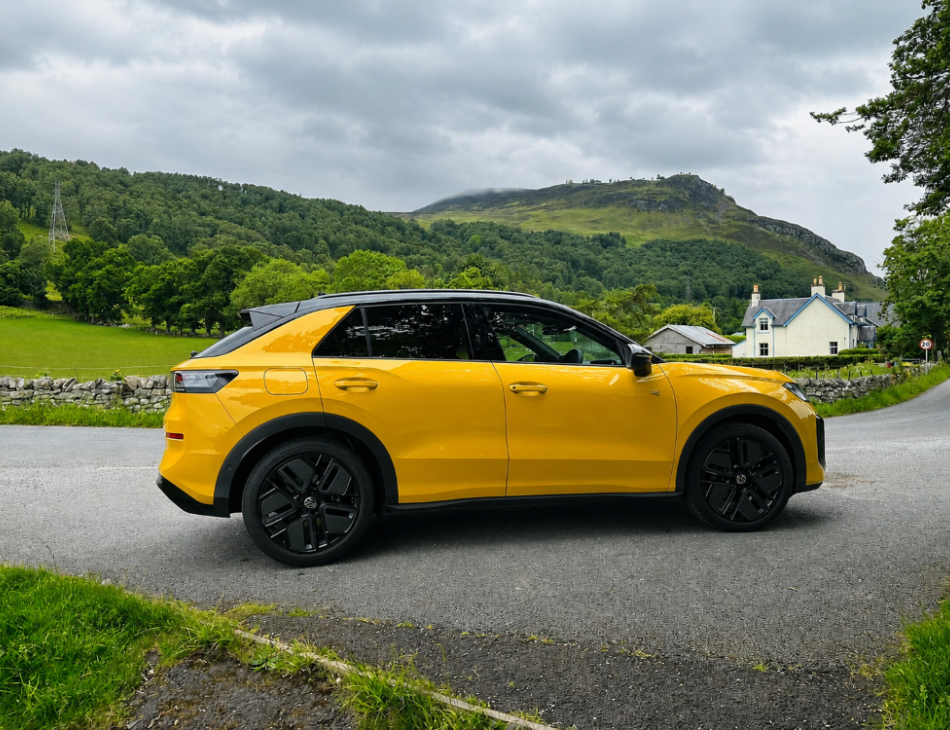
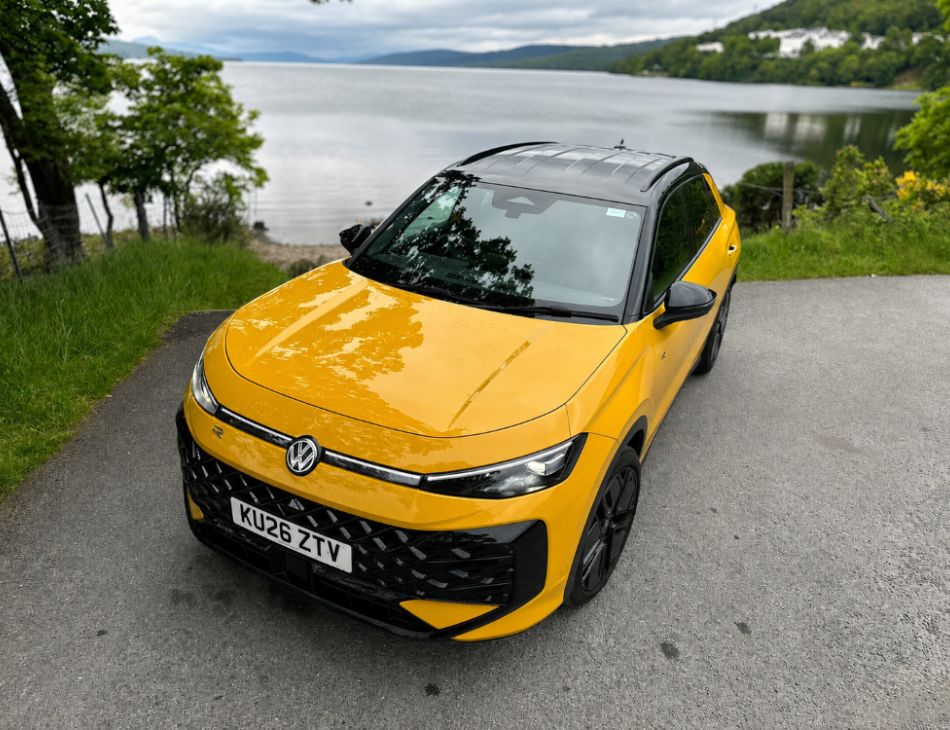
The car in question is the latest Volkswagen T-Roc R-Line, finished here in Canary Yellow with a contrasting black roof. It is difficult to lose in a car park and even harder to lose in the Cairngorms. Still, the colour works as the previous T-Roc could look rather anonymous in the wrong specification but this new version has more confidence.
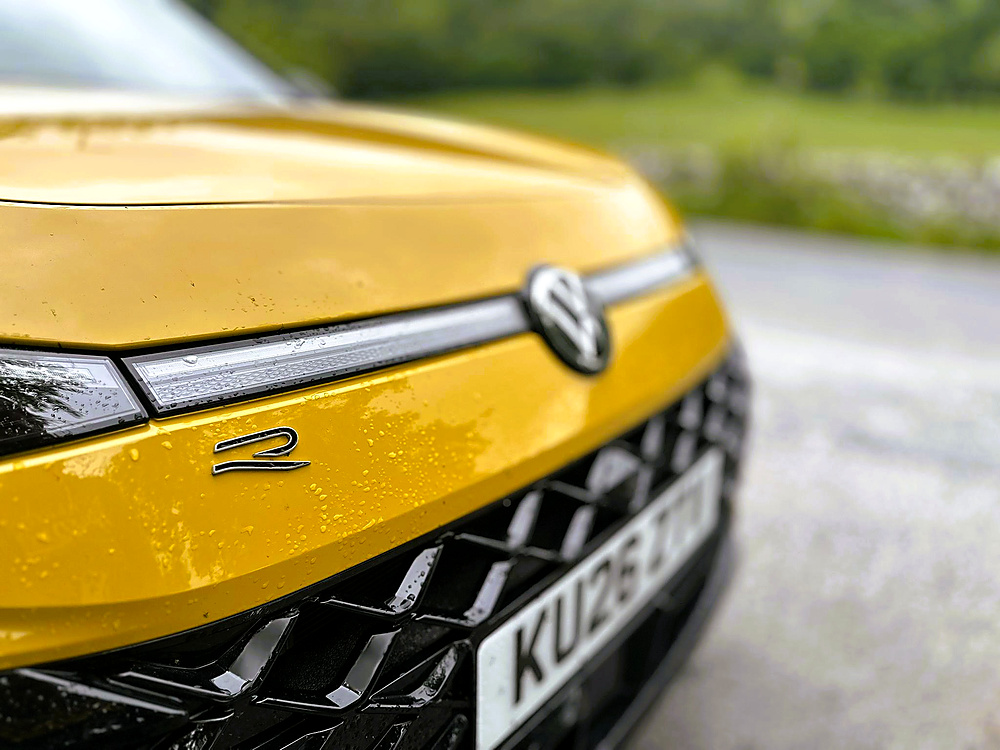
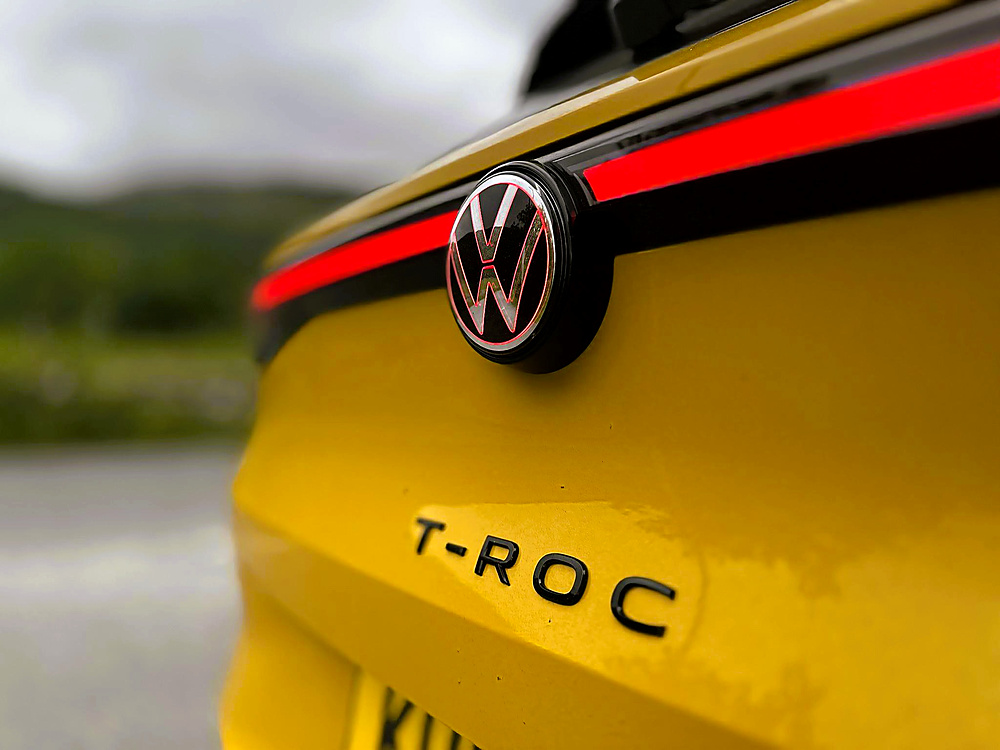
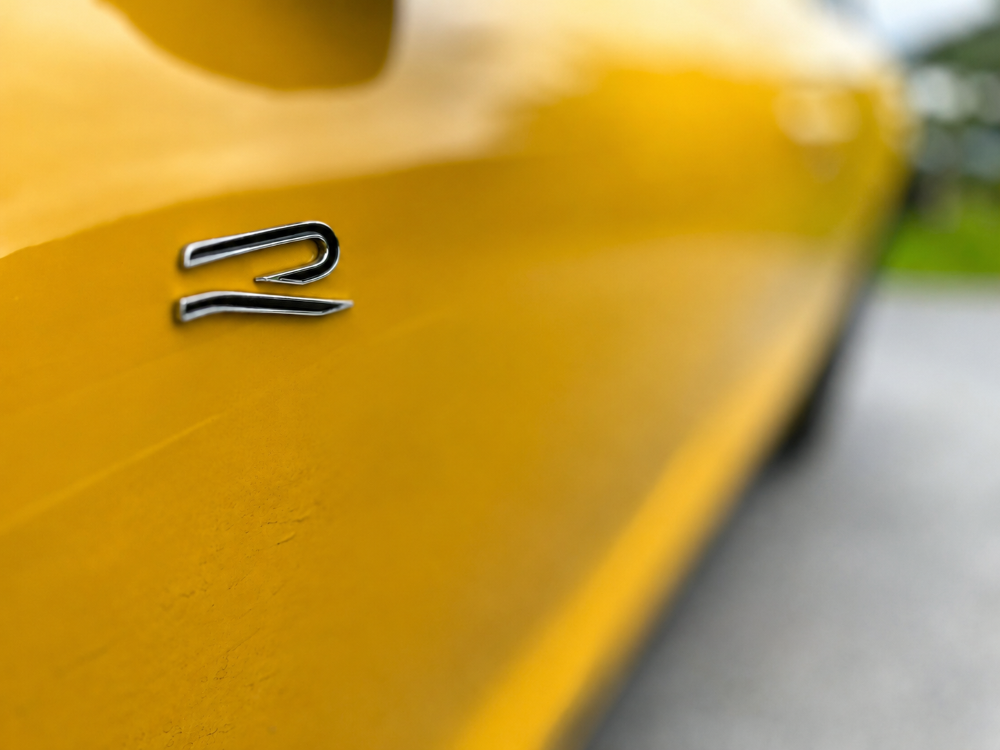
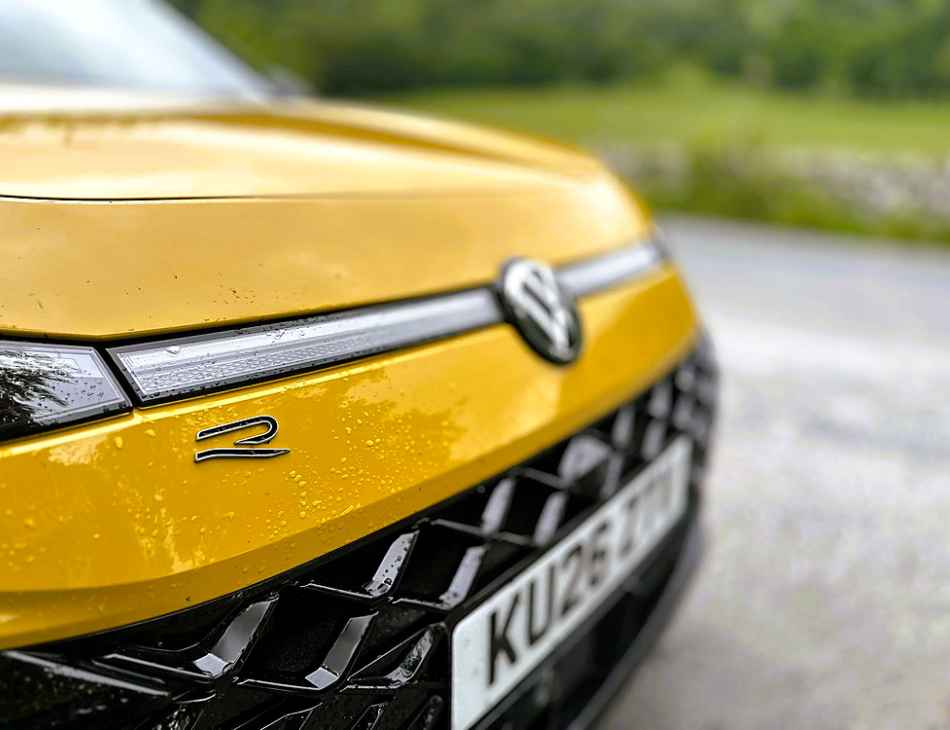
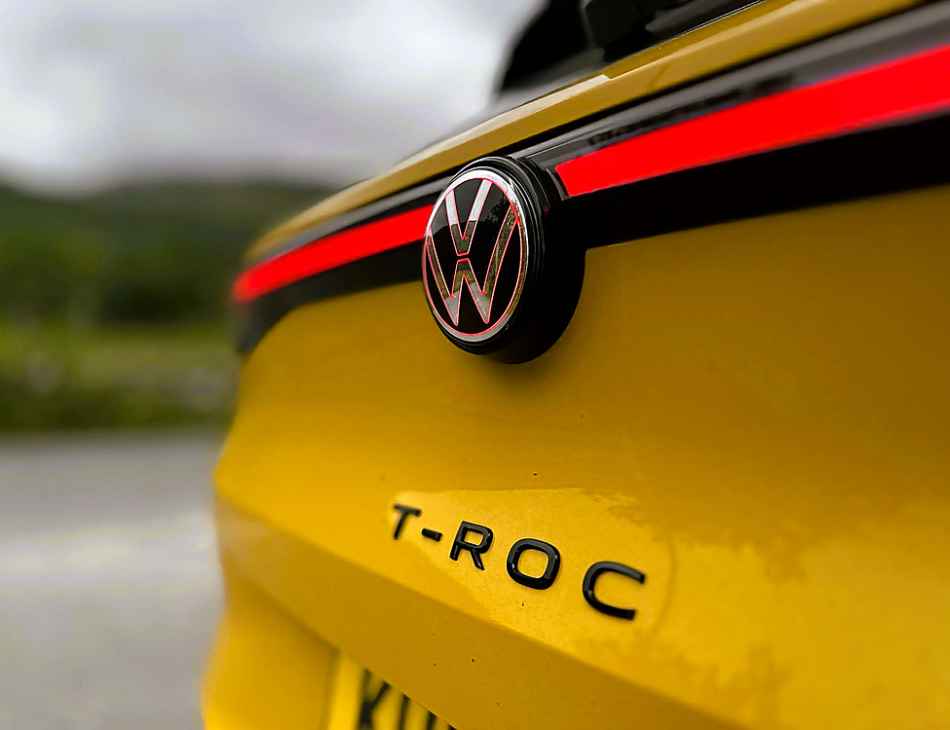
It is also longer, sharper and more substantial, with a broad front grille, slim lighting and a full-width rear light bar that gives it greater presence than its compact dimensions suggest. The R-Line trim adds gloss-black detailing, larger wheels and a slightly more assertive body treatment. None of it is especially subtle, particularly in yellow, but the overall result is handsome rather than overdone, I think.
This is still recognisably a Volkswagen. It has not been designed to shock or start arguments on social media. It simply looks very tidy, modern and suitably expensive. That last point matters because this particular car costs £41,945 as tested.
Its standard on-the-road price is £38,935, with the final figure inflated by the Technology Pack, Parking Pack, IQ.Light matrix headlamps, Black Styling Pack, electric tailgate and Canary Yellow paint. Forty-two thousand pounds is serious money for a T-Roc. It places this once modest crossover firmly into premium hatchback territory and gives buyers every right to inspect the interior with the attention of a hotel guest checking for hairs in the bath.
Fortunately, the cabin makes a strong first impression.
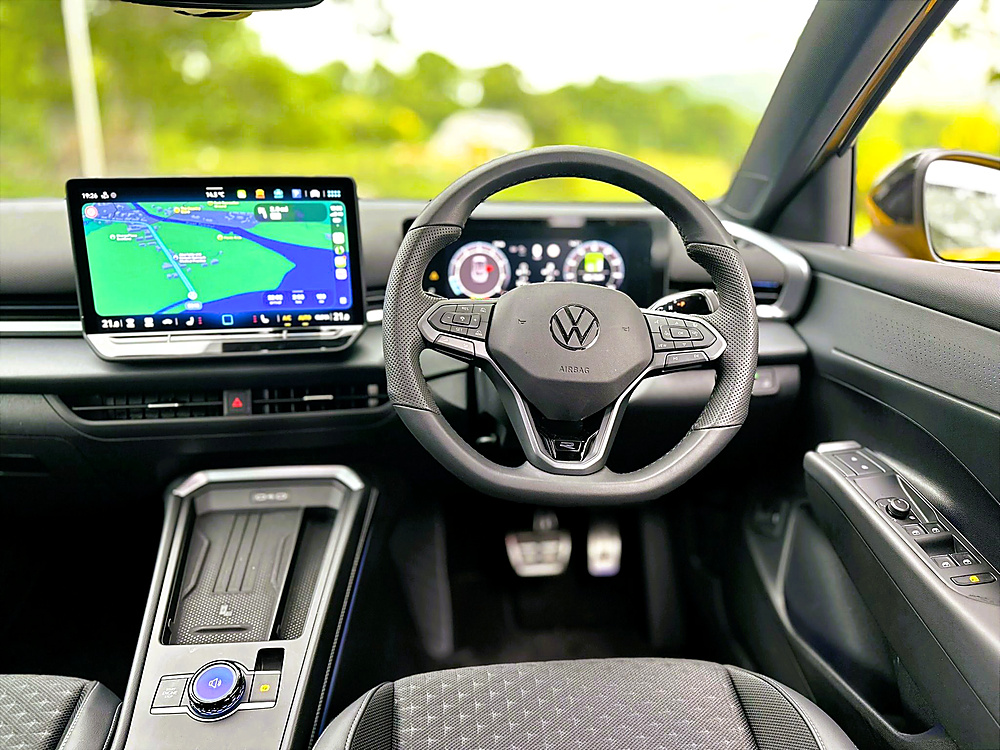
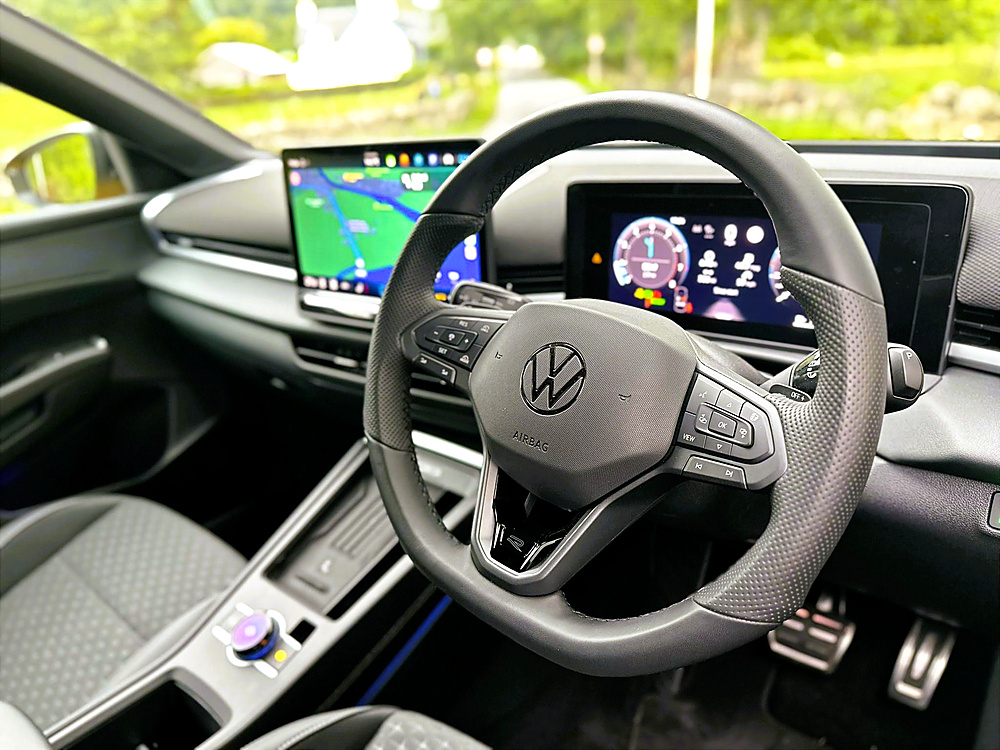
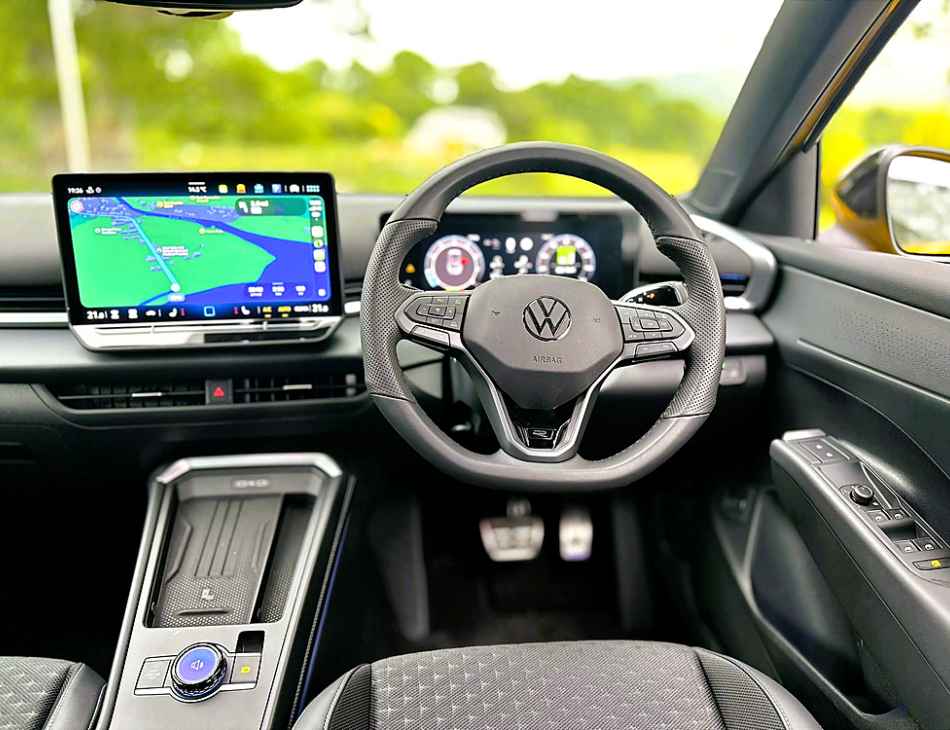
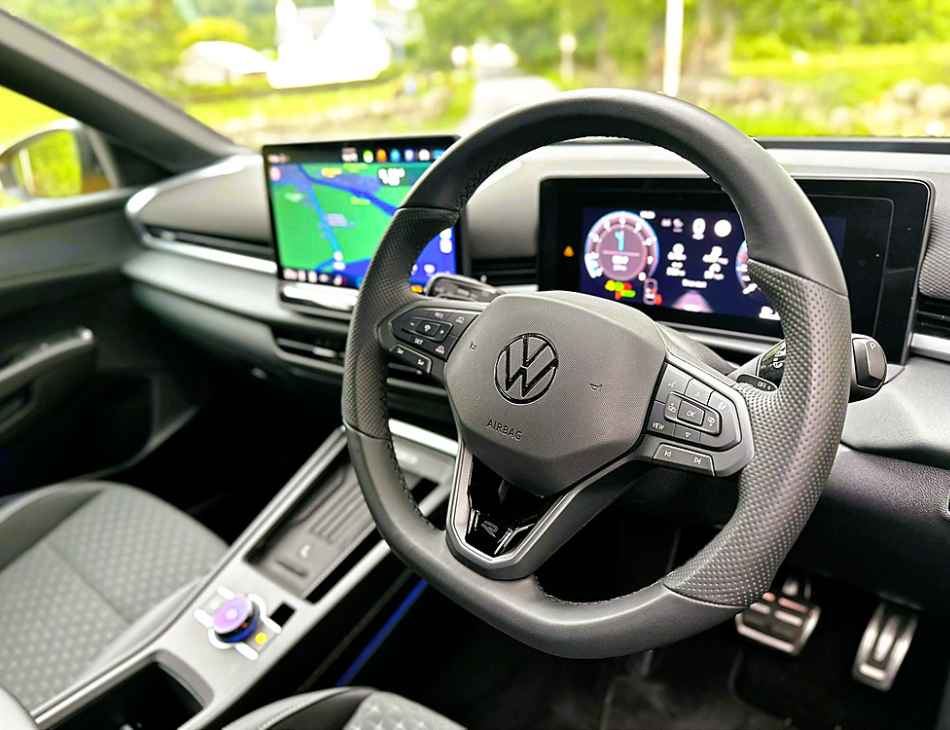
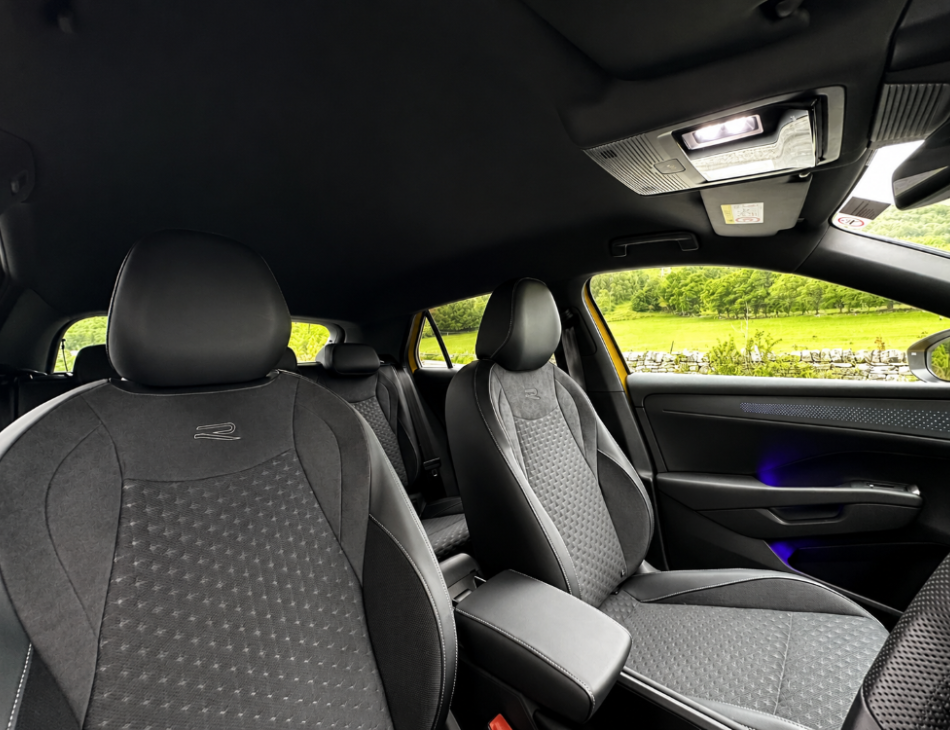
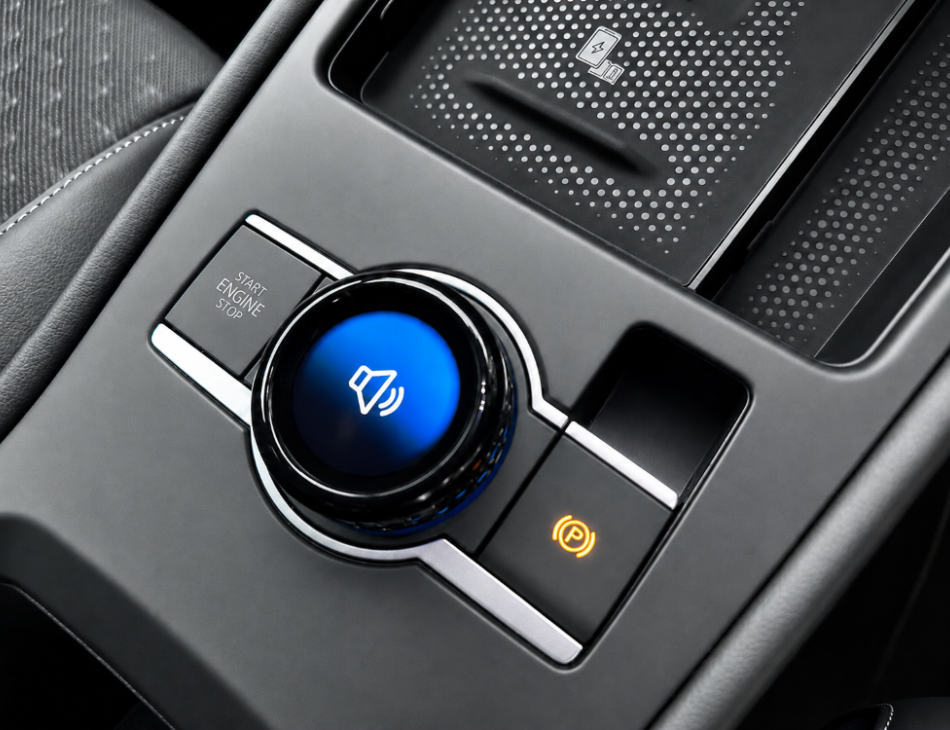
The dashboard design is clean and contemporary, dominated by a 12.9-inch infotainment display and an eight-inch Digital Cockpit Pro instrument panel. The R-Line steering wheel feels substantial, the seats look suitably sporty and the decorative trim gives the cabin enough visual interest without turning it into an amusement arcade.
The materials are generally convincing too. Yes, there are still harder plastics lower down but the areas you touch regularly feel solid and well assembled. It has the familiar German sense of everything having been fitted by an engineer with a mild concern about tolerances.
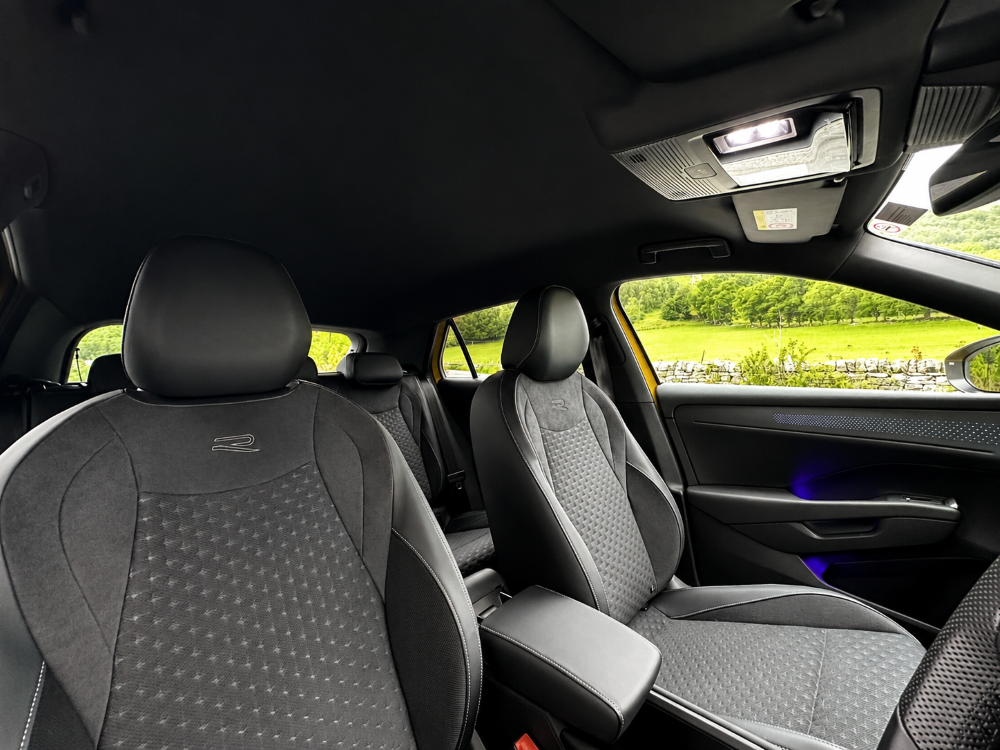
The heated front sports seats are particularly comfortable. They provide enough support for long journeys without gripping the driver like an anxious relative and after the trip north, I emerged in considerably better condition than somebody who had just driven from Hampshire to Aberdeen had any right to expect.
Space is another strength because the new T-Roc is larger than its predecessor and that increase is noticeable across the cabin. There is ample room in the front, while adults can sit comfortably in the rear without having to negotiate footwell ownership. For a small family motor, it offers the kind of space that should cover most daily requirements without forcing them into something bigger.
The boot holds 475 litres with the rear seats upright and 1,350 litres with them folded. In practical terms, that means enough room for family luggage, a pushchair or the accumulated equipment required for a long road trip through Scotland, where it is wise to pack for all four seasons and the odd constitutional arrangement.
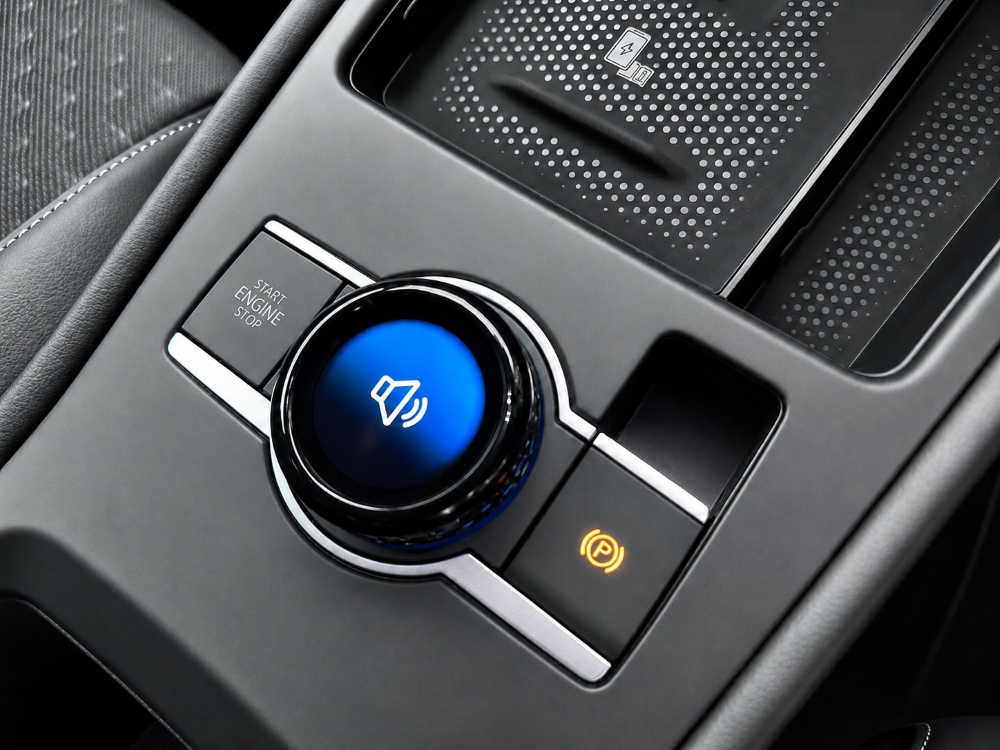
The infotainment system is easy enough to understand too, with wireless Apple CarPlay and Android Auto, built-in navigation and a useful spread of USB-C ports. Some functions are still routed through the central screen, as is now customary, but the layout is reasonably clear and does not require an advanced qualification in consumer electronics to get to the most used functions.
The steering wheel retains proper physical controls too, which should not feel like a luxury but increasingly does. On the motorway, the T-Roc immediately settles into its role.
It is quiet, composed and stable, with a driving position that gives a more elevated view of the road without placing you at altitude. Wind and tyre noise are well controlled and the adaptive cruise control takes some strain out of longer stretches.
The Technology Pack fitted to this car adds Travel Assist, a head-up display, area-view cameras and various additional assistance systems. They are useful without dominating the experience, which is the correct balance. Driver assistance should assist the driver and I had no complaints here.
The T-Roc’s ride quality is also impressive. R-Line models come with sports suspension and 19-inch York Aero wheels as part of the Black Styling Pack, yet the car remains comfortable over long distances. Sharp imperfections can still be felt, but it never becomes tiresome.
The 1.5-litre eTSI engine is less convincing though.
It produces 148bhp and 250 Nm of torque, driving the front wheels through a seven-speed DSG transmission. Officially, it reaches 62 mph in 8.9 seconds and continues to 132 mph. Those figures are adequate rather than exciting and that is exactly how the car feels.
Around town, the mild-hybrid system helps it move away cleanly and the DSG gearbox generally keeps the engine in its useful range. At a gentle pace, the T-Roc is smooth, quiet and easy to drive. Ask for more, though and the engine has to work.
Overtaking or accelerating uphill requires a firm press of the throttle, followed by several downshifts and the distinct impression that all 148 horses have been called into an emergency meeting. The performance is never dangerously lacking but there is little effortless reserve.
The more interesting discovery came away from the motorway, however.
Near Loch Tummel, with the road opening into a sequence of bends, the T-Roc was switched into Sport mode and encouraged to demonstrate whether the R-Line specification had any substance behind the badges and rather surprisingly, it did.
The steering is accurate and well weighted, the body remains controlled and the front end responds cleanly when turned into a corner. There is some lean, as expected but the car never feels loose or cumbersome. The chassis is considerably more capable than the engine it seems.
Once the gearbox has selected the appropriate ratio and the engine has gathered itself, the T-Roc can be carried through a series of corners at a satisfying pace. It grips well, changes direction neatly and remains predictable when the road does not.
It is not a hot hatch by any means, nor does it pretend to be one. But it is engaging enough to make a good road enjoyable. A few repeated runs around Loch Tummel confirmed the point. Yes, the T-Roc may have been designed for school runs and supermarket car parks but it is perfectly happy being thrown around a Scottish loch provided the driver is willing to keep the engine busy.
The DSG gearbox is broadly suited to the car. In normal driving it shifts smoothly and unobtrusively, while Sport mode holds gears longer and makes the powertrain more responsive. The steering-wheel paddles are useful on twisting roads, although their presence may encourage expectations the engine cannot entirely meet.
So, I suppose where the T-Roc succeeds most convincingly is in its breadth of ability, rather than its outright pace.
And economy is where the engine can make a case because across the trip, fuel consumption generally sat between 45 and 50 mpg, which is a strong result for a petrol-powered SUV carrying passengers and luggage over a mixture of motorway, A-road and high-spirited Highland driving.
The official combined figure is 50.2 mpg, so the real-world result was unusually close to the brochure claim. That alone may justify the engine’s modest performance for many buyers. A larger, more powerful engine would undoubtedly make the T-Roc easier to drive quickly but it would also have you visiting the pumps more often. Volkswagen has clearly chosen efficiency over drama, which is probably the correct decision for this car.
It is compact enough for daily life, spacious enough for a small family and comfortable enough to cover substantial distances. It feels solid, secure and properly engineered, while its economy means long journeys need not become an exercise in financial self-harm.
It also has a degree of character. Some family SUVs are so relentlessly competent that there is almost nothing to say about them. They carry people, consume fuel and gradually become covered in crumbs.
The T-Roc does all of that but it also looks distinctive, has a genuinely good chassis and can make an unfamiliar road interesting. The Canary Yellow paint helps, although buyers seeking anonymity may wish to choose something less visible from space.
The price is difficult to ignore. At nearly £42,000, it places this once modest crossover deep into premium-hatchback territory and uncomfortably close to larger, more powerful SUVs. Some buyers may also question whether they need every option fitted to this test car.
The Parking Pack, Technology Pack and matrix headlights are useful but the standard R-Line already includes plenty of kit. A more restrained specification would preserve most of the T-Roc’s appeal while bringing the cost closer to something resembling reason.
The T-Roc may be the sensible choice but after several hundred miles to Aberdeen and a few enthusiastic laps of Loch Tummel, it proved that sensible need not mean dull.
https://www.volkswagen.co.uk/en.html
Model: Volkswagen T-Roc R-Line 1.5 eTSI 150 PS DSG
Price (as tested): £38,935 (£41,945).
Engine: 1.5-litre turbocharged four-cylinder petrol with 48-volt mild-hybrid assistance
Transmission: Seven-speed DSG automatic
Drivetrain: Front-wheel drive
Power: 148bhp
Torque: 250 Nm
0-62mph: 8.9 seconds
Top Speed: 132 mph
Official Combined Economy: 50.2 mpg
CO₂ Emissions: 128 g/km