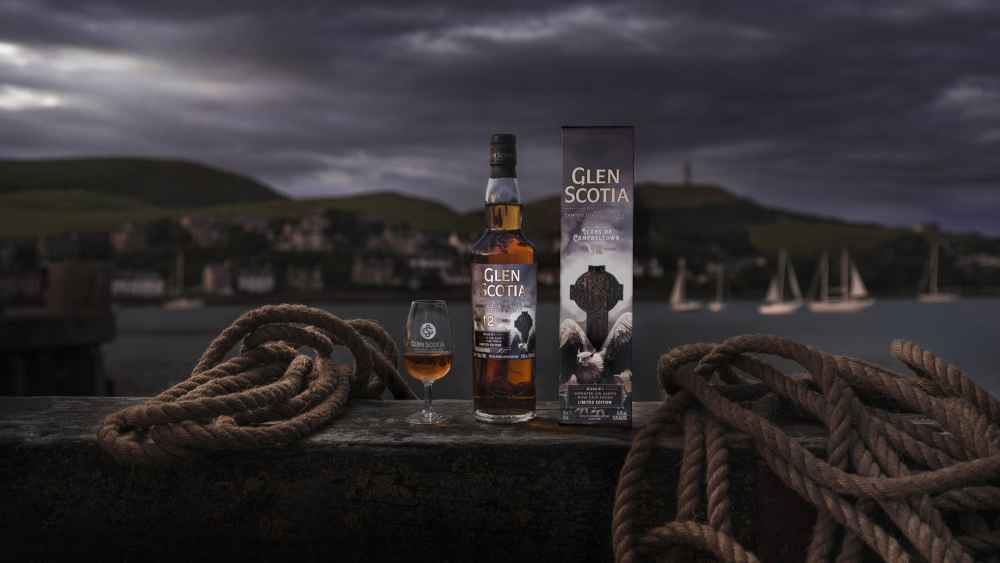
Guardians of the Coast: Glen Scotia Icons of Campbeltown Release No. 4
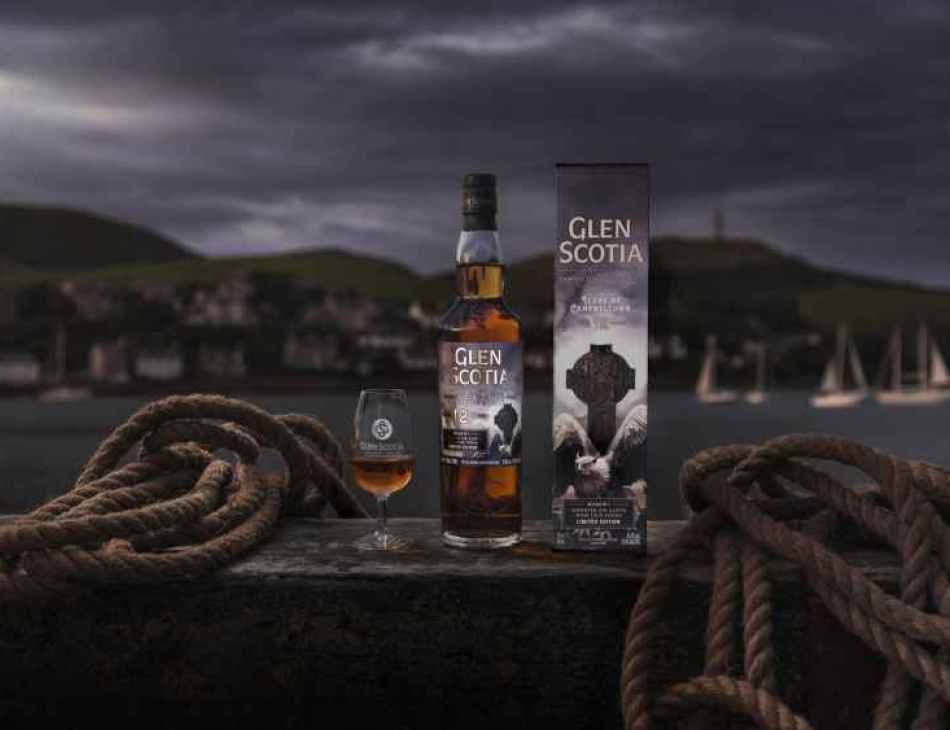
Icons of Campbeltown Release No. 4
Anyone who has made the pilgrimage to Campbeltown knows the journey demands commitment. Stepping off the Twin Otter, a rugged propeller plane with a single seat on either side of the aisle and not an overhead locker in sight, onto that exposed coastal tarmac feels like crossing into a different era.
Campbeltown is unlike any other whisky region in Scotland. Perched near the tip of the isolated Kintyre Peninsula, effectively a peninsula off a peninsula, it is remote, wild, and self-reliant. In the nineteenth century, it was the bustling whisky capital of the world, crowded with more than thirty distilleries, its harbour thick with ships hauling coal in and barrels out. When changing commercial tastes and economic collapse wiped nearly the entire industry off the local map, the town refused to let its heritage die. That stubborn, proud isolation preserved a distinct way of making spirits that modern production lines elsewhere have smoothed away.
Today, the region is enjoying a well deserved renaissance, and Glen Scotia is easily one of the most exciting distilleries in the country to follow. While plenty of producers talk about authenticity, Glen Scotia simply lives it. Founded in 1832, it operates without boardroom gloss or manufactured nostalgia. If you walk into the shop and tasting room, you find it staffed by locals whose pride in the place is palpable. There is a moving sense here of people drawn back to their roots for good. A small, close knit staff quietly runs the show, monitoring fermentations and letting things develop at an unhurried pace in dunnage warehouses that have absorbed sea air since the 1830s.
Now, the distillery has revealed the penultimate chapter in its celebrated five part series: Glen Scotia Icons of Campbeltown Release No. 4.
The collection draws its inspiration from the mythical carvings etched into the fourteenth century market cross that stands in the centre of town. This latest bottling honours the Griffin, the half eagle, half lion mythical beast regarded in local folklore as the vigilant protector of Campbeltown harbour, its people, and its liquid gold.
As Master Blender Ashley Smith notes, that legendary creature mirrors the ethos of the distillery itself. The team functions very much as modern guardians, protecting an idiosyncratic, coastal character that has earned devotees across the globe through skills passed down across generations.
For this fourth edition, Glen Scotia has delivered a limited edition twelve year old unpeated single malt, finished for its final year in Italian Vin Santo casks and bottled at a robust batch strength of 53.8% ABV without chill filtration or artificial colouring.
Vin Santo, or holy wine, is Tuscany’s revered traditional dessert wine, made through a painstaking, ancient process. Harvested grapes, customarily Trebbiano and Malvasia, are laid out on straw mats or hung from rafters in airy lofts called appassitoi for months to dry out. This shrivels the fruit, concentrating sugars, acids, and aromatics. The pressed must is then sealed into small wooden barrels known as caratelli and left to ferment and mature in attic spaces exposed to seasonal temperature shifts for years. The result is an intensely unctuous wine replete with aromas of dried apricots, hazelnuts, honey, and warm spice.
Used as finishing wood, such barrels can easily smother a lighter whisky, but Glen Scotia has the backbone to meet it head on. Having tasted the fragrant, aromatic new make spirit straight off the stills (I could wear it as a cologne), it is clear why this spirit holds its ground. The oily, maritime house style provides an ideal, savoury counterweight to the wine’s sun dried opulence.
On the nose there are notes of a warm almond galette, crystallised ginger, and burnt demerara sugar, with apples, dried figs and wildflower honey. It reminded me of a Jamie Olive recipe for a semi-fredo I used to make regularly. The whisky coated my mouth well and the Vin Santo cask gives nutmeg spiced brioche, poached plums, and molasses. There are also walnuts and cocoa beans developing in the glass. The finish is drying, leaving behind lingering oak char, toasted flaked almonds, and orange bitters and sea salt.
Visually, the release continues the distillery’s creative partnership with artist Joel Holtzman, known for his work with Marvel and Lucasfilm, whose dramatic cover artwork captures the Griffin keeping watch over the tempestuous waters of Kintyre.
Priced at £80, Release No. 4 is very accessible for a cask strength, age stated whisky, particularly from a distillery whose trophy cabinet has required serious reinforcement over recent seasons!