Formula 1 Reimagined: BWT Alpine’s A526 - Ambition And A Launch At Sea
BWT ALPINE F1 LAUNCH
Formula One likes to present itself as the pinnacle of global sport and, to be fair, it makes a rather convincing case. Beneath the polished bravado lies not merely a championship contested across 24 race weekends, but a travelling circus of power, precision and very well-dressed ambition. Think theatre at 300 kilometres per hour, wrapped in carbon fibre and champagne mist, where innovation doubles as both weapon and currency, and reputations can be rebuilt, or very publicly unravelled, in the space of a single season.
This is a sport where engineers speak in millimetres, drivers operate at the outer limits of physics and fortunes can shift between one qualifying lap and the next. It is relentlessly technical, furiously exciting and endlessly fascinating, which was why, in my youth, I spent many hours watching every race, and why my homework, on reflection, may have suffered for it.
For all its simulations and spreadsheets, F1 also remains gloriously emotional. It inspires tribal loyalty, heated debate and the sort of quiet obsession that leads otherwise sensible adults (this one included) to wake at 5am for a race on the other side of the world.
More importantly, it never stands still.
In 2026, the sport approaches one of its most significant regulatory shifts in a generation: new power units, greater electrification, sustainable fuels and a recalibration of competitive balance. Every team is preparing for the reset, whether they admit it or not. Which makes this a particularly interesting moment for BWT Alpine Formula One Team, because if any team understands the necessity of reinvention, it is Alpine.
So when an exclusive invitation arrived in my inbox, promising a journey to Barcelona for BWT Alpine's 2026 season launch aboard the MSC World Europa, my curiosity put up a fight for roughly a second. F1 launches are rarely subtle affairs, and this was an invitation I had no intention of ignoring!
A Team in Transition
BWT Alpine's recent seasons have been, to put it diplomatically, turbulent. Once positioned as a works team with championship aspirations, the Enstone-based outfit has navigated leadership changes, inconsistent performance and the considerable weight of Renault's racing pedigree. Yet F1 is nothing if not cyclical, and Alpine's story reads less like a retreat than a recalibration.
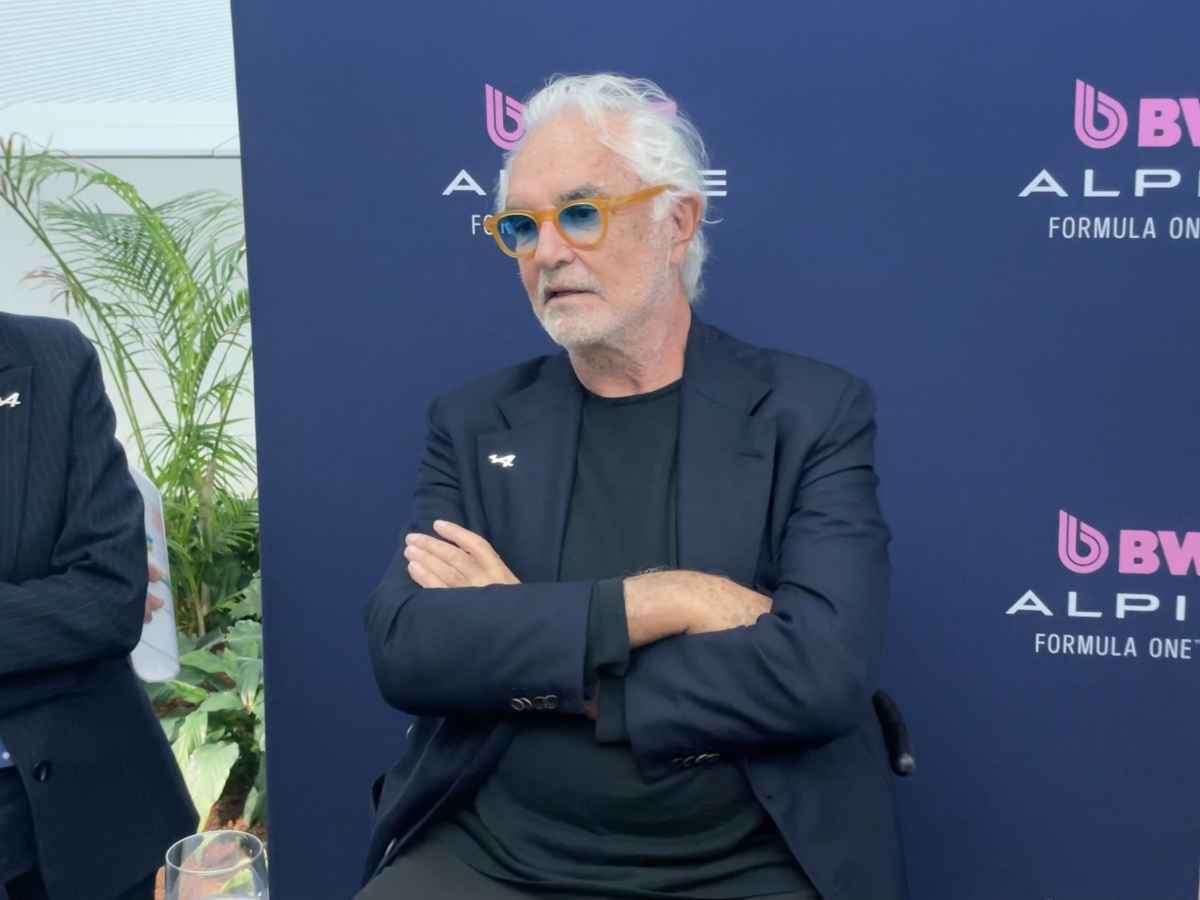
Then came the return of Flavio Briatore, a name synonymous with both controversy and success, and one that carried a certain reverence for me in my younger years as a fan. Few figures in modern F1 divide opinion quite like him, yet his record is difficult to ignore. Whether his comeback proves a masterstroke or a gamble depends on who you ask, but it is certainly not a quiet one. It signals urgency, and a wave of change to come.
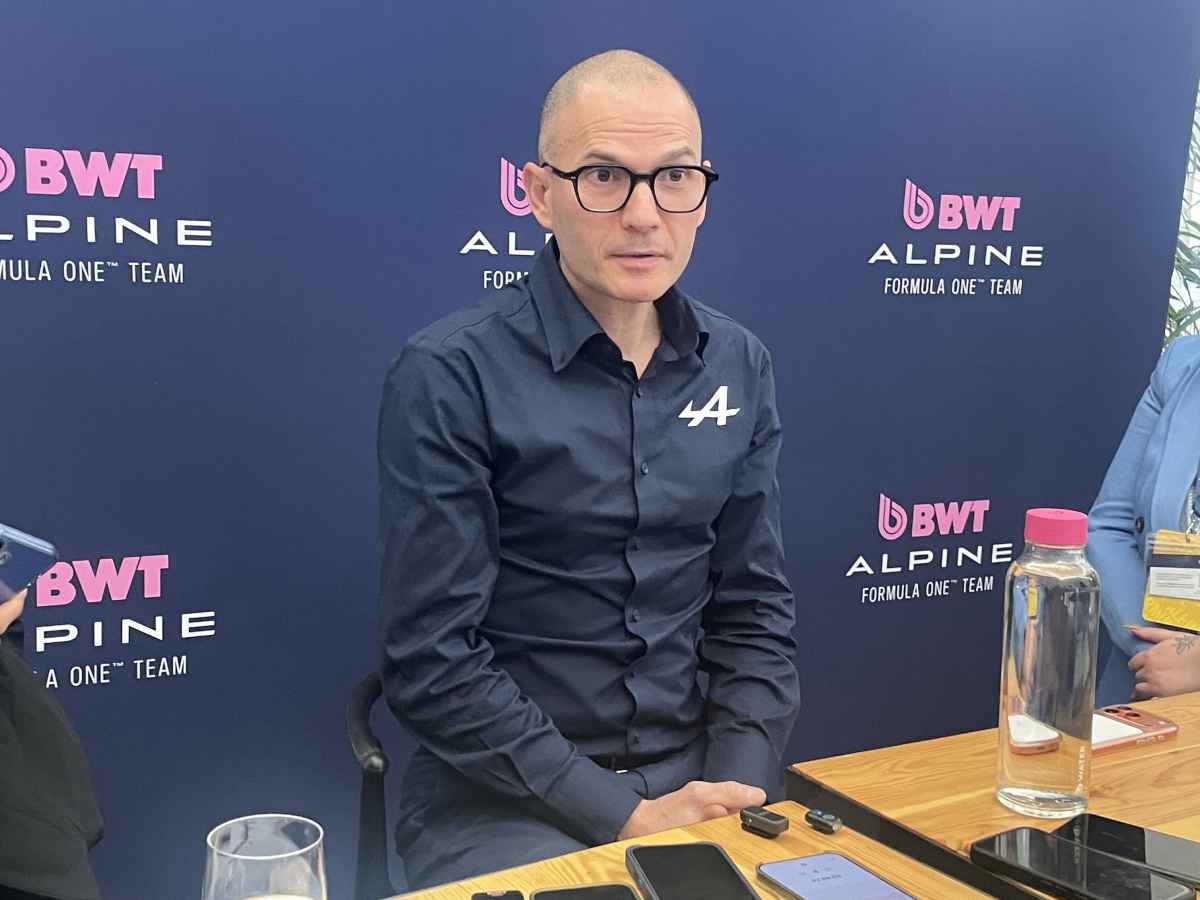
Alongside technical leadership under David Sanchez, the team has spoken openly about structural change, a cultural reset and the small matter of getting engineering clarity and competitive hunger to share a garage.
It all unfolds against a landscape evolving at remarkable speed. Teams today are judged not only by lap times, but by narrative, relevance and resilience, and for many, the coming regulations are the opportunity they quietly hope will shuffle the competitive order in their favour.
Which made Alpine's choice of venue, a floating city of steel and glass, feel unexpectedly fitting.
Boarding the Future
The morning of departure arrived with a quiet hum of anticipation. Phones buzzed with reminders. Invitations were checked twice. And one instruction kept resurfacing, polite but firm every time:
Bring your passport.
This was not symbolic. Boarding the MSC World Europa requires airport-style security and proper credentials and the formality heightened the sense of occasion. I wasn't simply attending a launch; I was embarking on it.
And then the ship appeared.
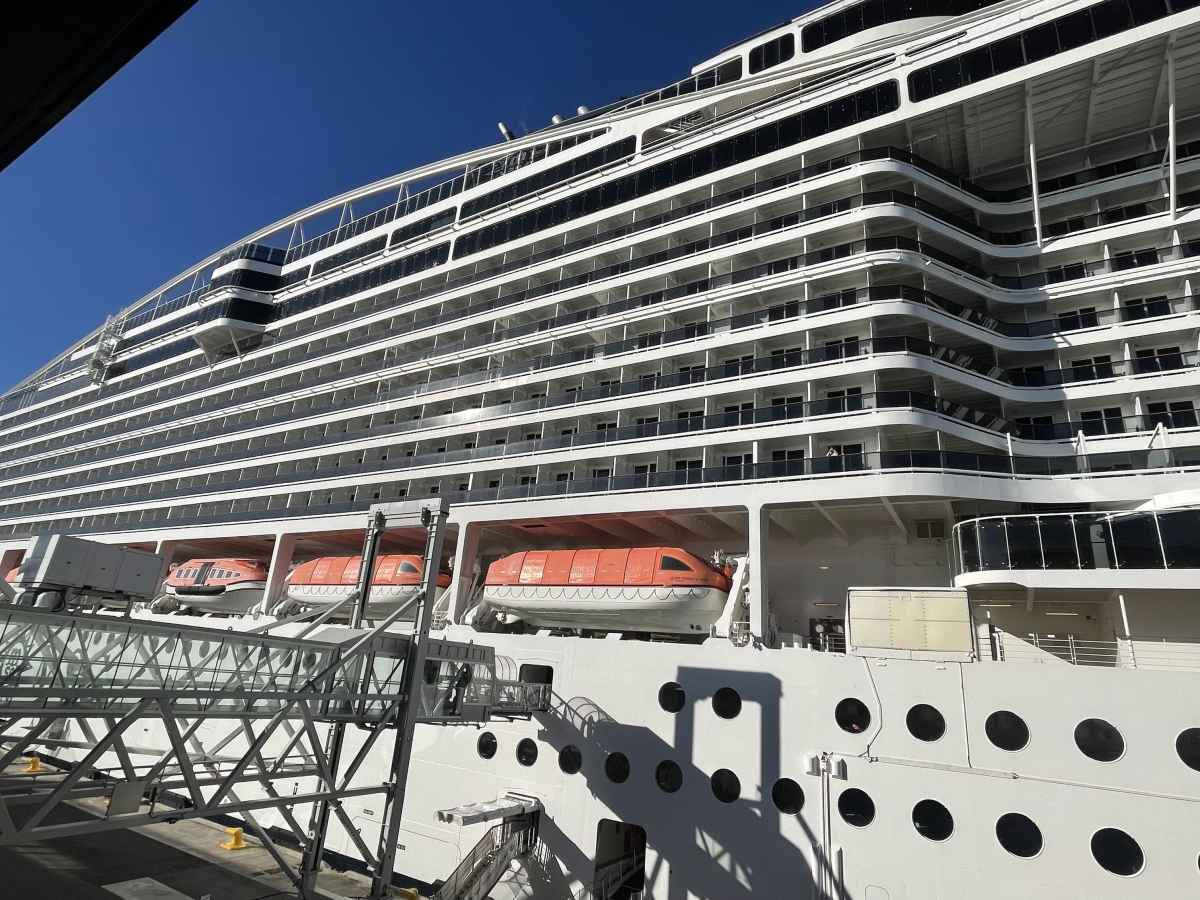
Up close, the MSC World Europa is staggering. At over 333 metres long and powered by advanced LNG technology, it feels less like a cruise ship and more like a floating city-state, with its sculptural aft, sweeping glass promenades and the sort of scale usually reserved for skyscrapers and superyachts. Standing beneath it, I felt miniscule!
Still, the choice of venue made perfect sense. F1 is, after all, a sport that appreciates scale.
Champagne, Caviar and the F1 Ecosystem
Once onboard, F1 hospitality revealed itself in its natural habitat: effortless, indulgent and meticulously choreographed. Within a few seconds, champagne and cocktails had appeared alongside the softer drinks, which, it seemed, were merely the warm-up act. Canapés circulated with quiet precision. Breakfast was presented elegantly, and so, naturally, was the caviar. At that early morning hour, no less. F1 has never quite subscribed to conventional timing. Or to moderation.
Guests mingled easily. I watched as Alpine engineers chatted with partners, sponsors greeted senior team figures, the press exchanged knowing glances and business leaders quietly assessed the room. Everyone was working the room while appearing not to, which is a skill in itself. It was a fascinating ecosystem, the machinery behind the spectacle, and the conversations happening were the sort that rarely make headlines but quietly shape the sport.
In that sense, the ship was the perfect backdrop: technologically complex, meticulously engineered and always in motion, much like F1 itself.
The Reveal
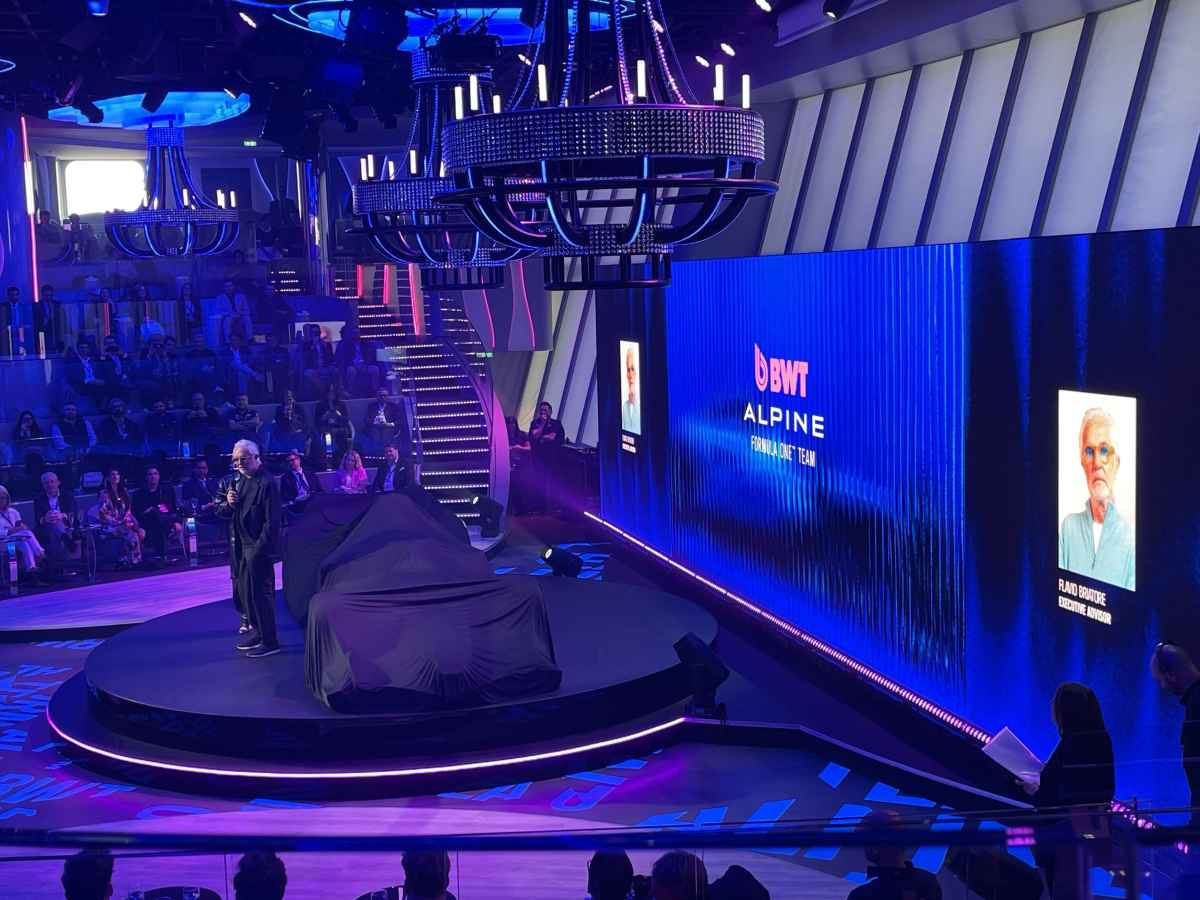
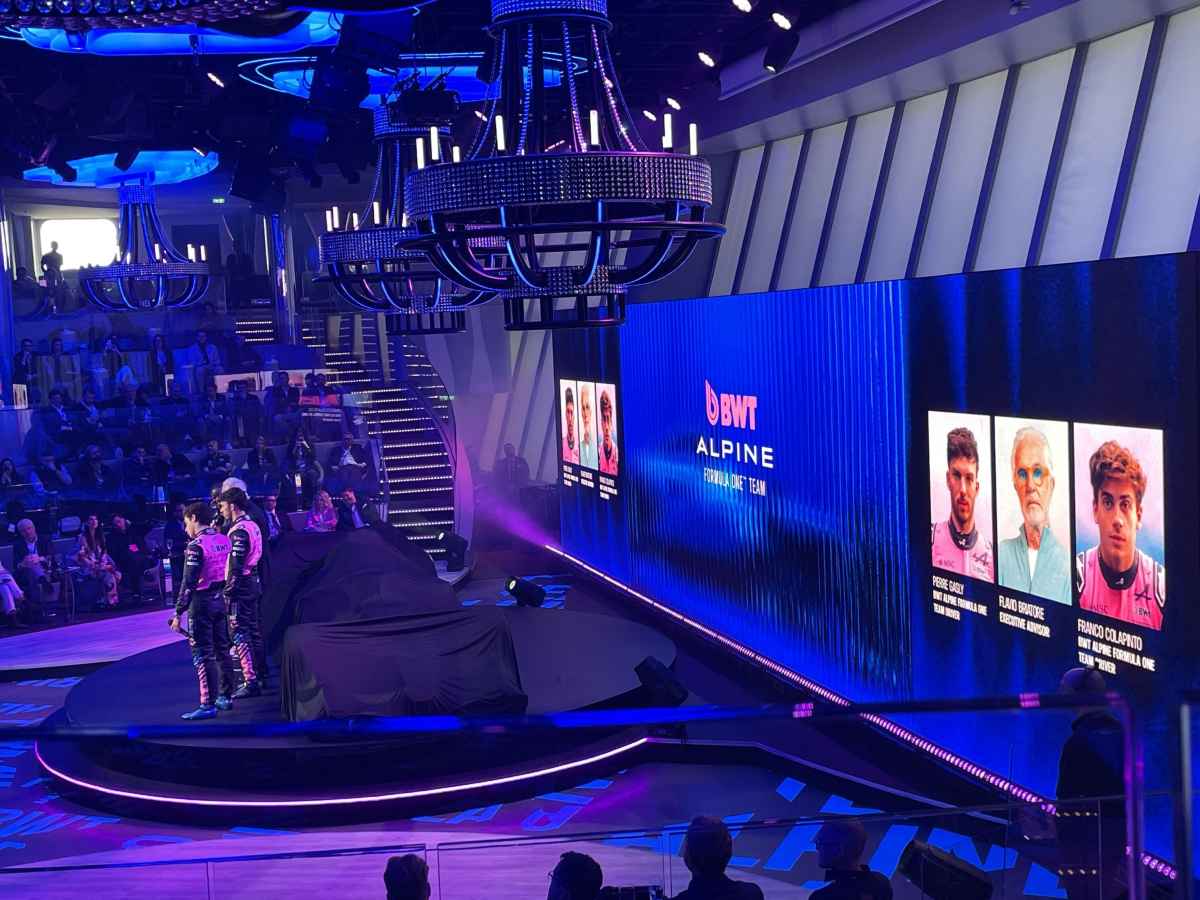
Eventually, we were ushered into the main auditorium and all attention turned to the stage.
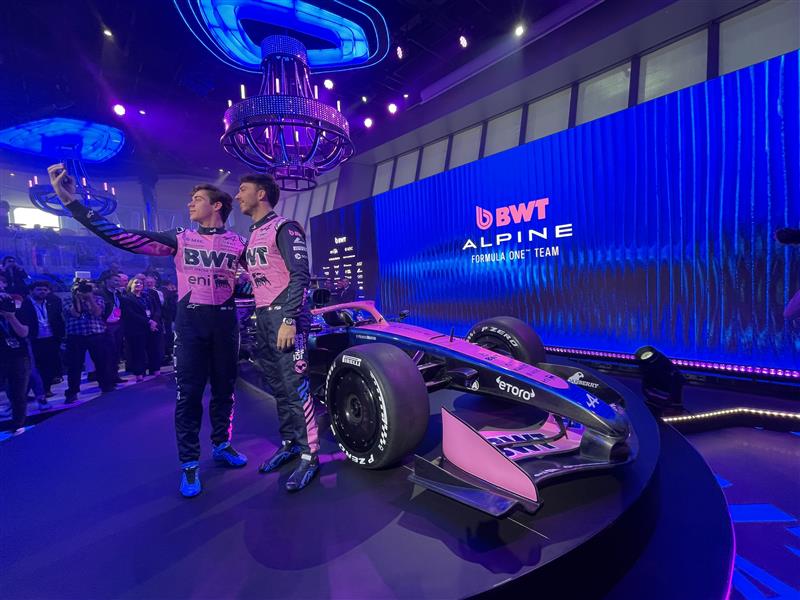
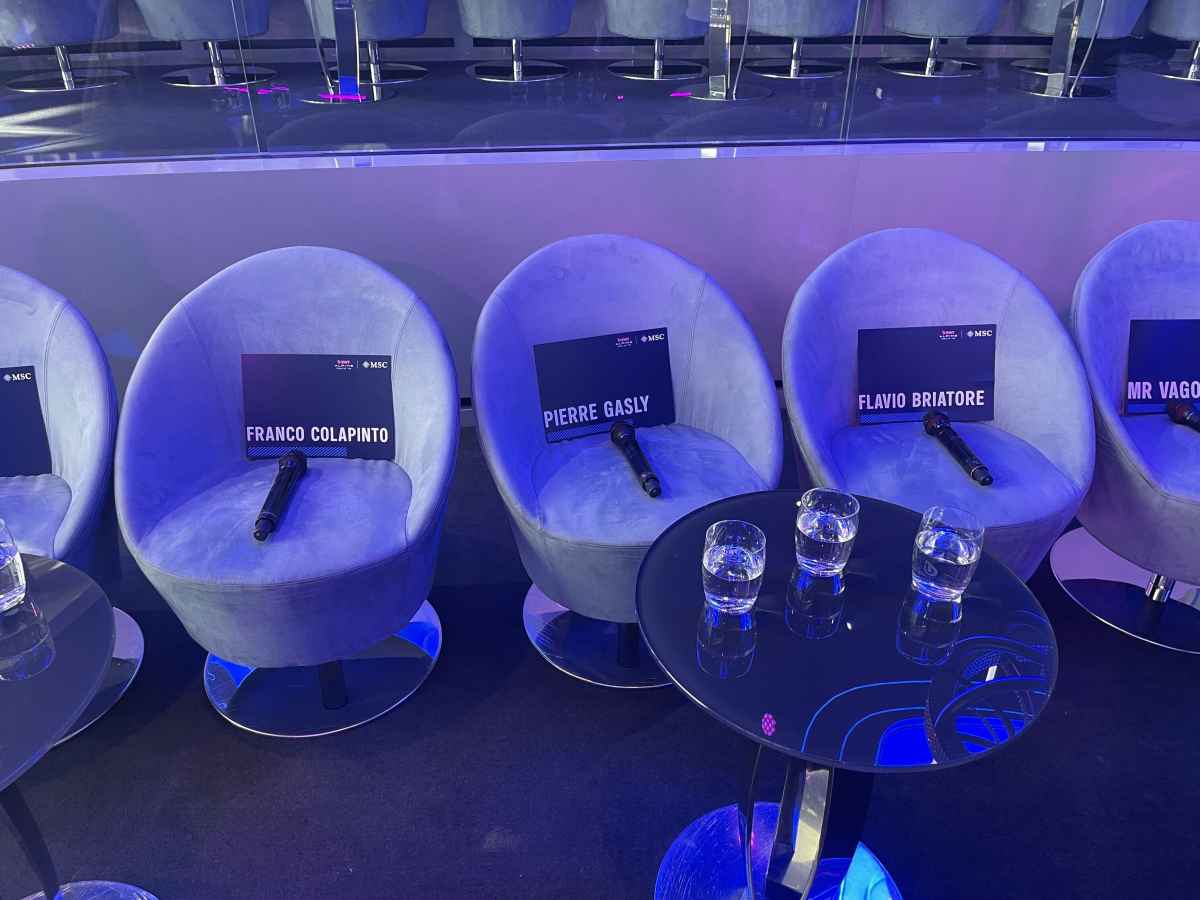
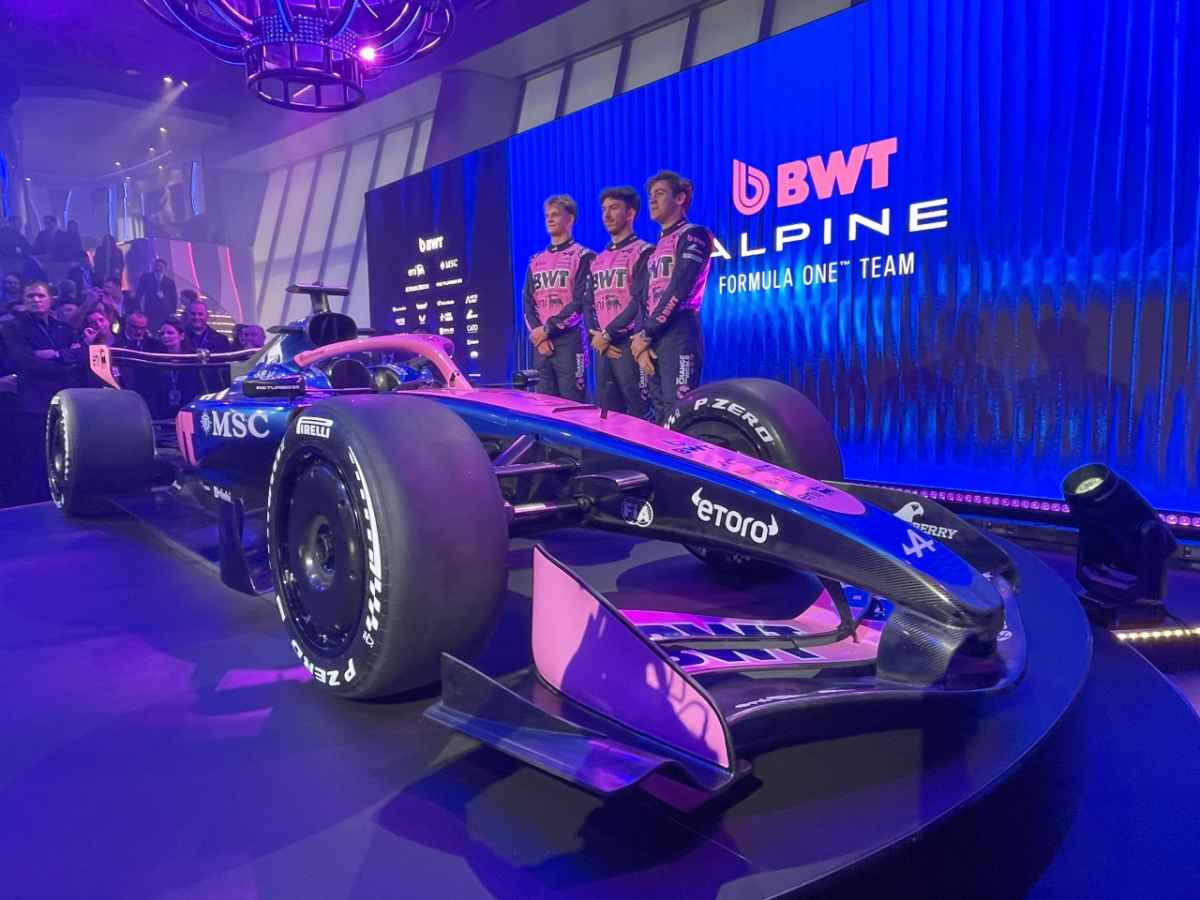
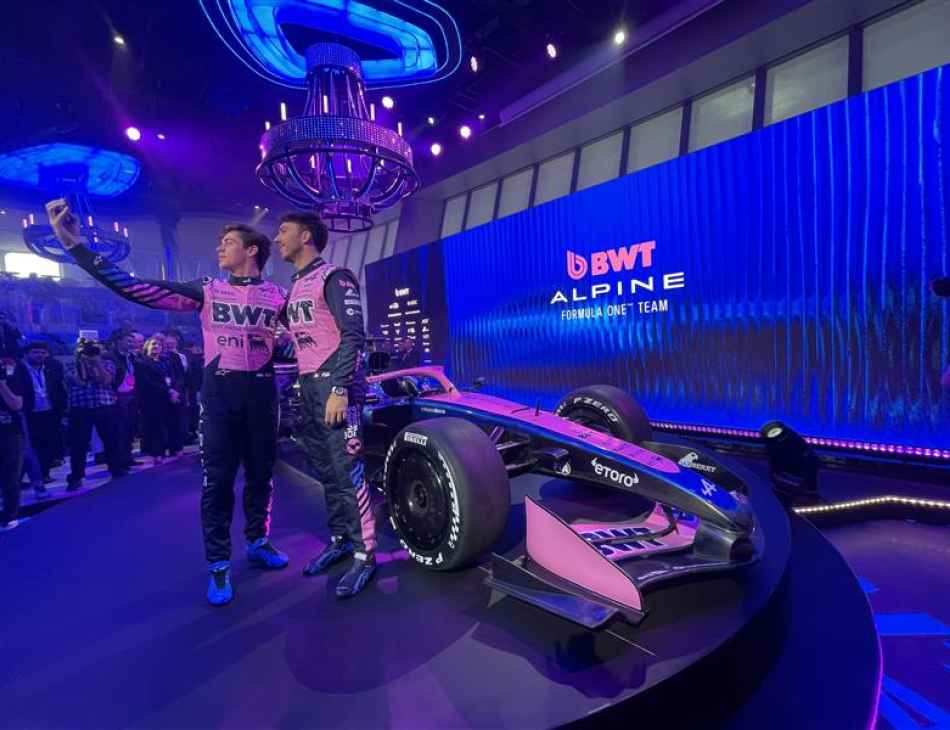
British broadcaster Claro Amfo hosted with relaxed confidence before Alpine's drivers, Pierre Gasly and Franco Colapinto, stepped forward for the unveiling everyone had been waiting for.
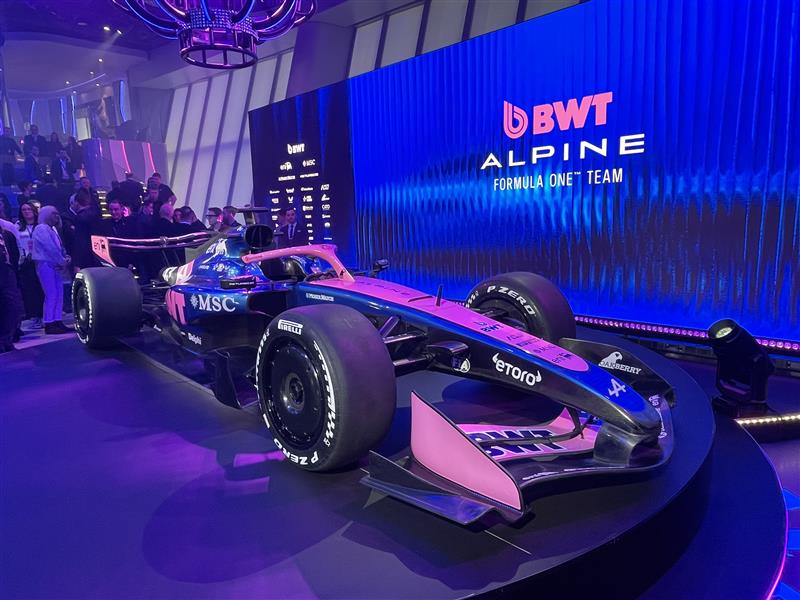
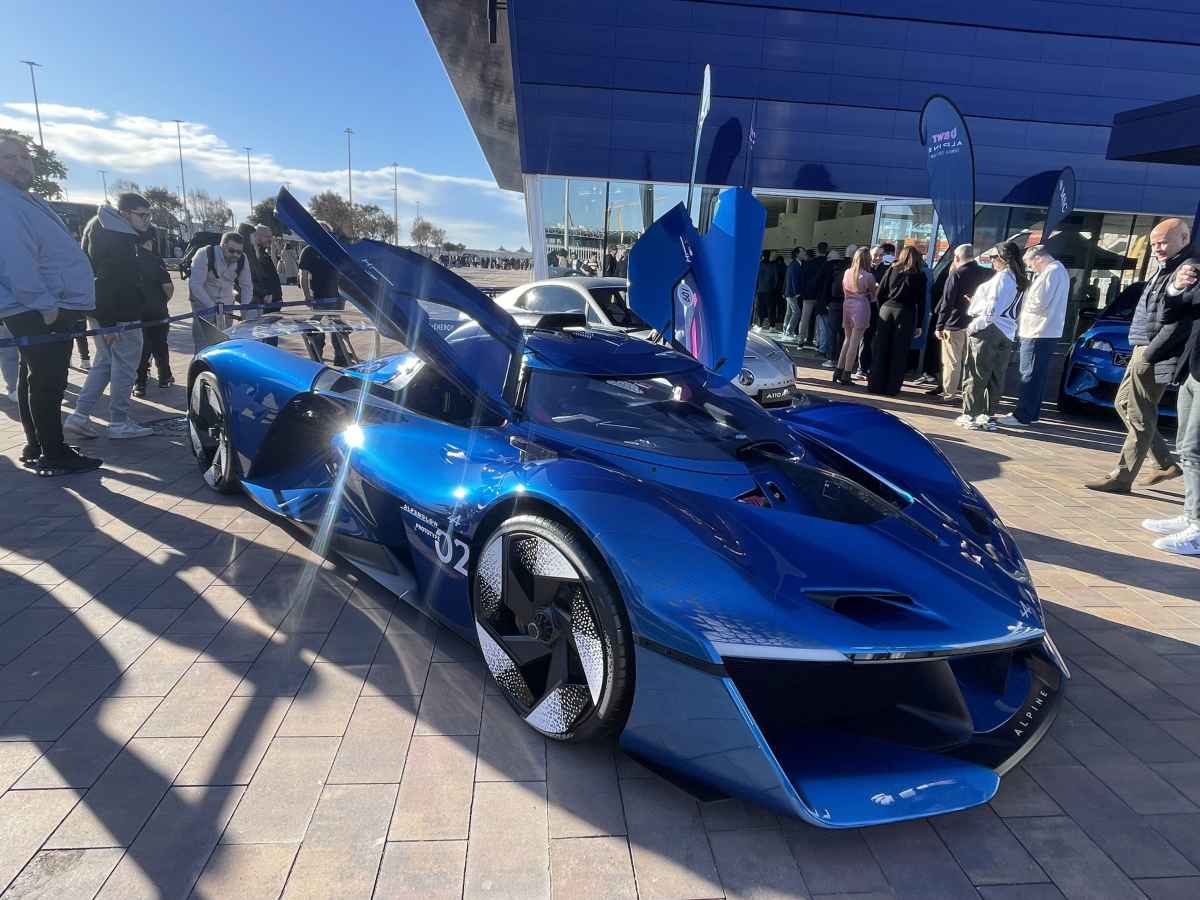
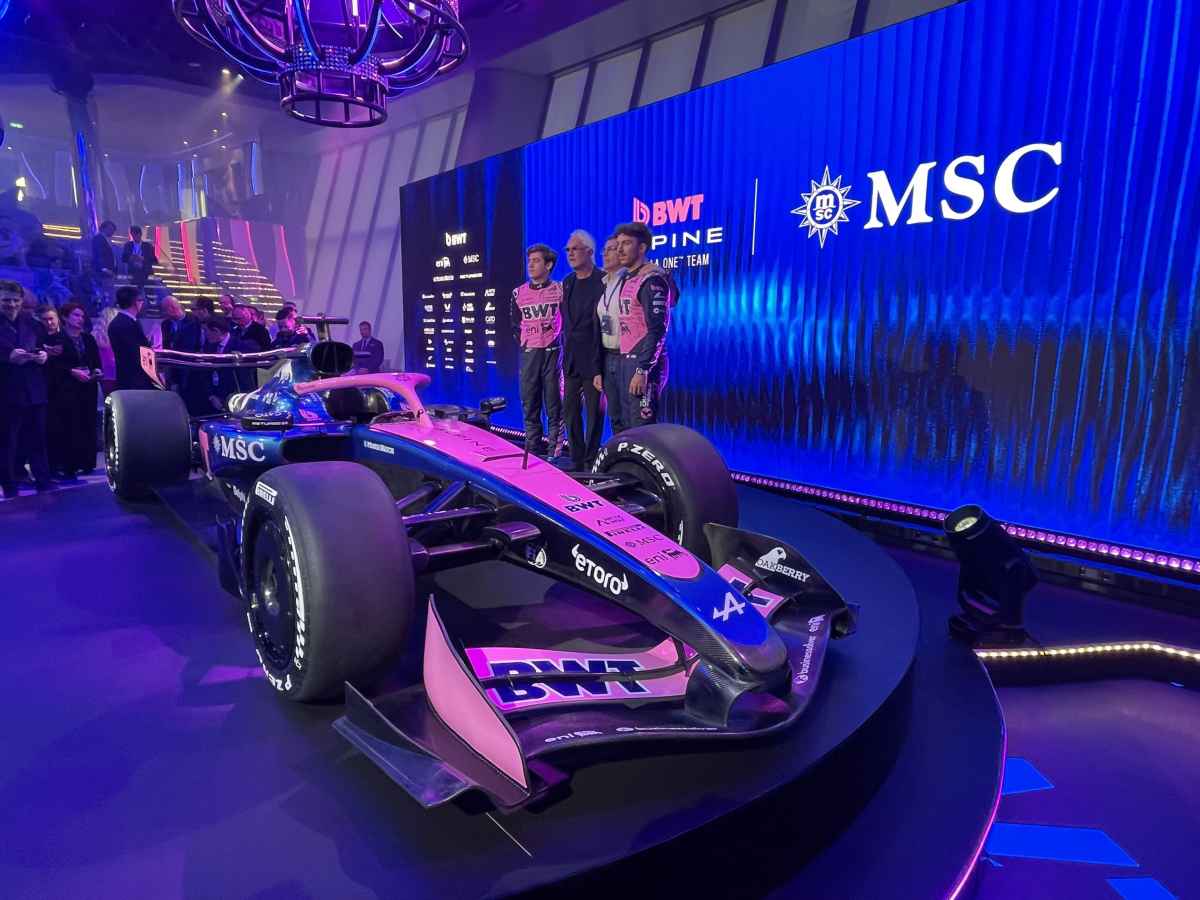
The reception was immediate, with genuine approval felt all around. Alpine's signature blue is sharpened by BWT's unmistakable pink, the two balanced rather than competing, like strong personalities who have agreed to share a podium. The result feels like a considered evolution: contemporary, confident and cohesive. Perhaps even a visual metaphor for where the team intends to go next.
Then Flavio Briatore took to the stage. His return to the paddock hasn't gone unnoticed, and he made no attempt to soften his presence. Subtlety has never been the brand.
“Formula One is about winning,” he said, characteristically direct. “Everything else is noise. Alpine has the resources, the people and the history. What matters now is execution.”
The message landed precisely as intended. Briatore speaks not of promises, but of expectations.
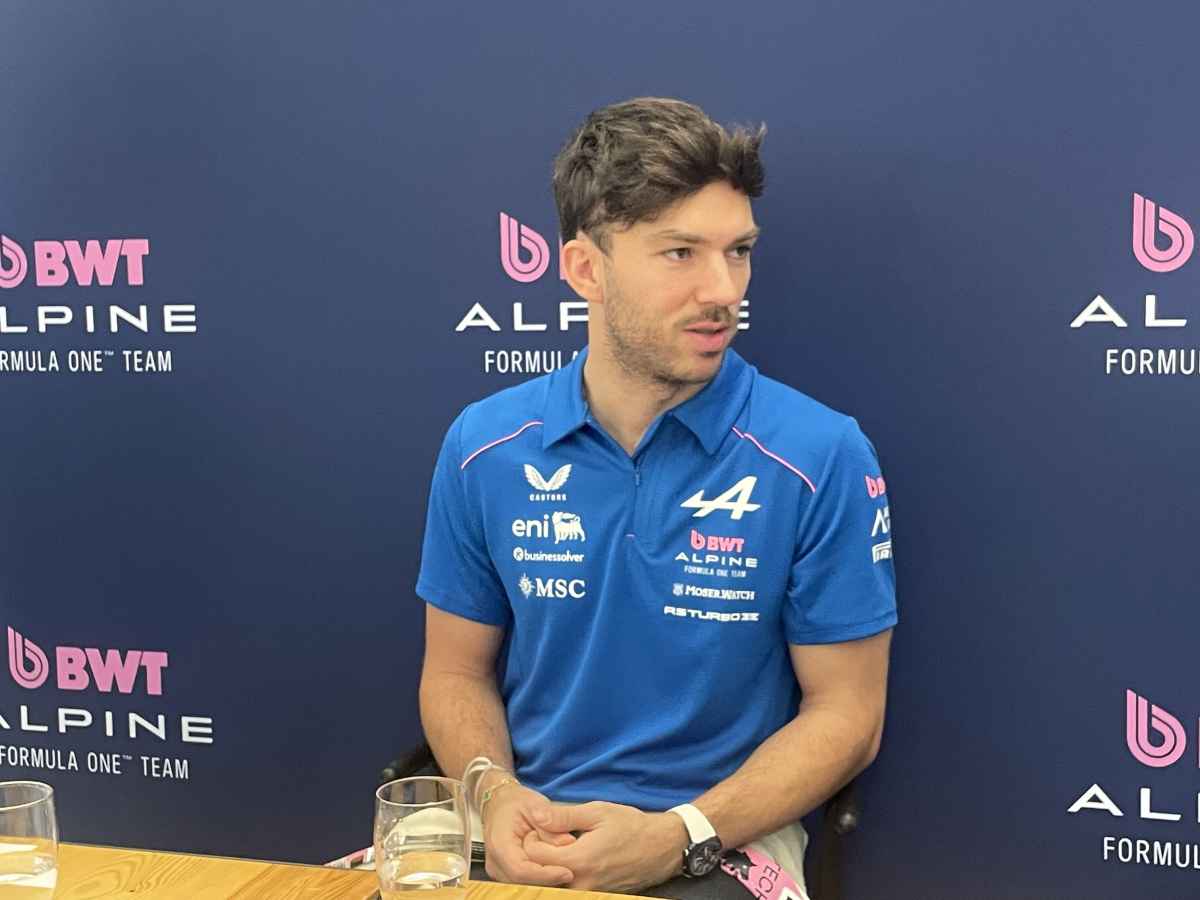
For Pierre Gasly, now firmly positioned as the team's senior driver, the moment carried a different kind of weight.
“We've been honest with ourselves about where we are,” he reflected. “The work happening behind the scenes is real. It's not about one season - it's about building a team that can fight consistently. I feel that momentum.”
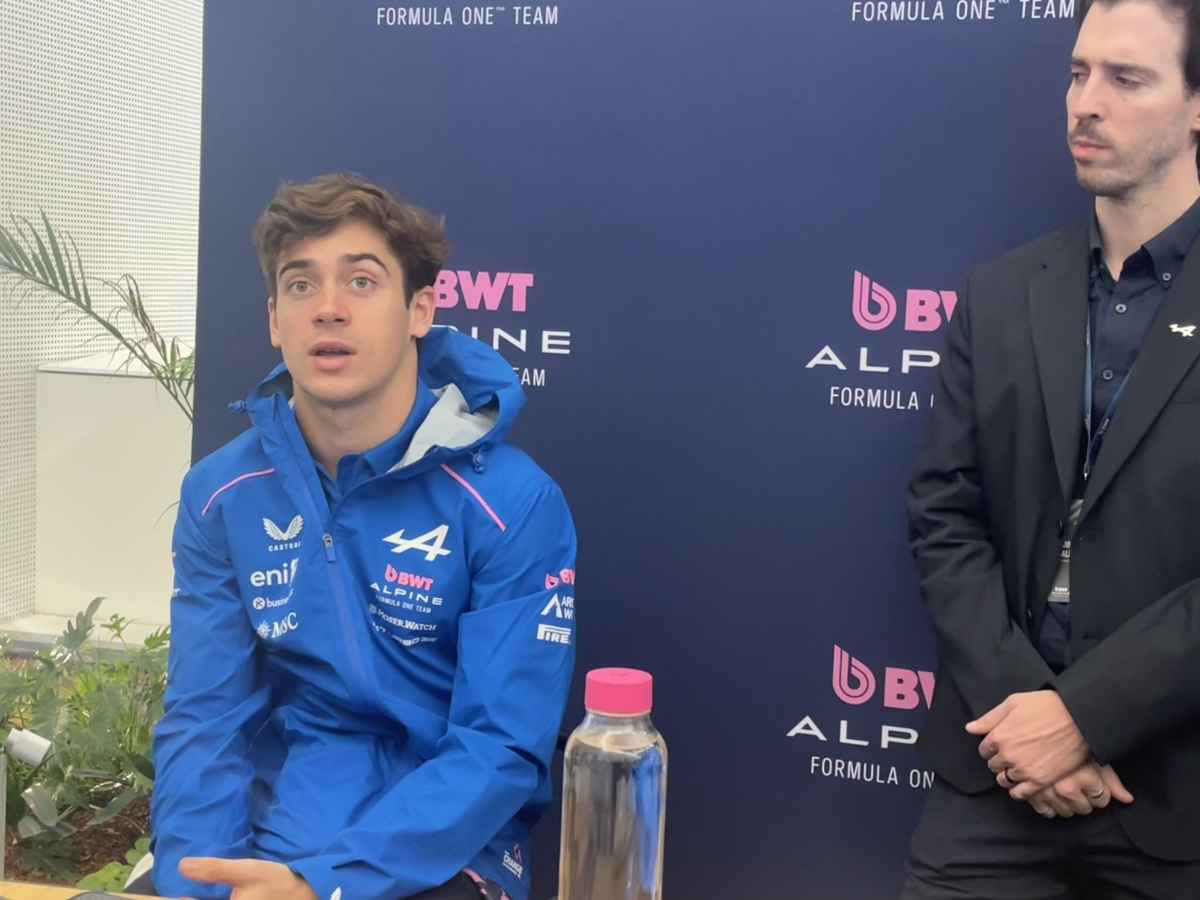
Alongside him, Franco Colapinto represents the next chapter: ambitious, energetic and very aware of the opportunity in front of him.
“To be part of this moment is incredible,” he commented. “You can feel the belief inside the team. There's pressure, of course - but that's Formula One.”
From the technical side, David Sanchez offered a glimpse of the deeper transformation underway, the kind that doesn't show up on a livery.
“The biggest changes aren't always visible,” he explained. “They're in the processes, the communication, the way decisions are made. The 2026 regulations give everyone a reset. What matters is who uses it best.”
Also present was Paul Aron, BWT Alpine's test and reserve driver, a reminder of the team's expanding driver programme and of the importance of depth in a sport where adaptability is everything.
Beyond the stage, the conversation inevitably widened. F1's audience is younger, broader and more global than ever before. Sustainability is scrutinised, transparency demanded, and teams are no longer defined solely by performance, but by the values they project. After all was said and done, it truly felt like Alpine was ready to embrace it all.
Barcelona After Dark
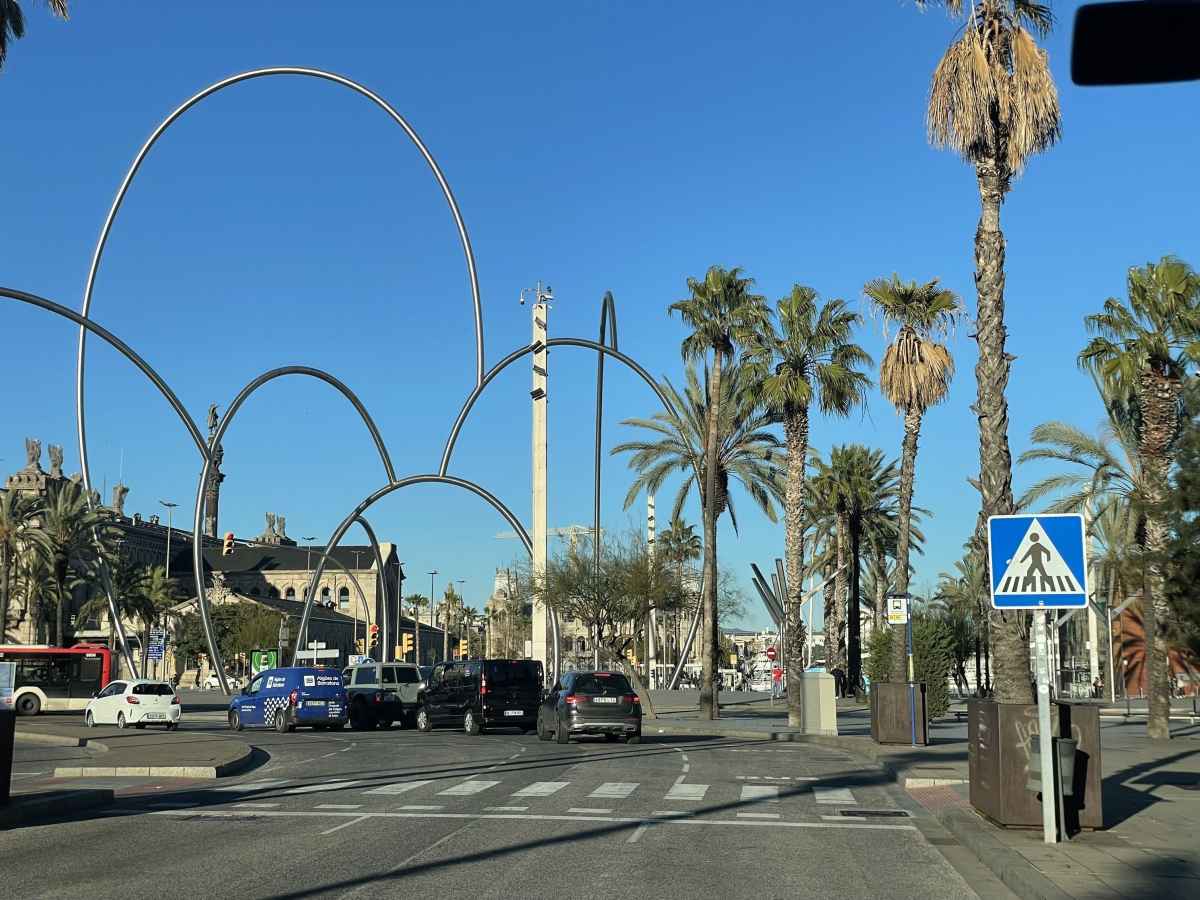
If the launch was about intent, the evening's celebration at Barcelona's Bastian Beach Club was about release.
The bars were open, the paella arrived in generous abundance and a set from chart-toppers Rudimental turned the night into something approaching a mini festival! A Trak Racer simulator quickly became the focal point for friendly competition, proof that even off track, F1 people cannot resist a leaderboard, while champagne and sea air ensured nobody was in any hurry to go home.
This was F1 at its most recognisable: intense, glamorous, chaotic and undeniably fun. And for a moment, beneath the Barcelona sky, it felt perfectly distilled.
As the evening wound down, I couldn't shake the feeling that this was not merely a season launch but a genuine statement of intent.
With the A526 revealed and a new era approaching, Alpine is positioning itself not as a team asking for patience, but as one preparing to compete again. In F1, belief alone is never enough; it must be proven, and the season ahead will reveal whether Alpine's quiet confidence translates into performance when the lights go out. For my part, I can't wait to find out.