
AN INTERVIEW WITH JAMIE MUIR - DISTILLERY MANAGER AT TOMATIN
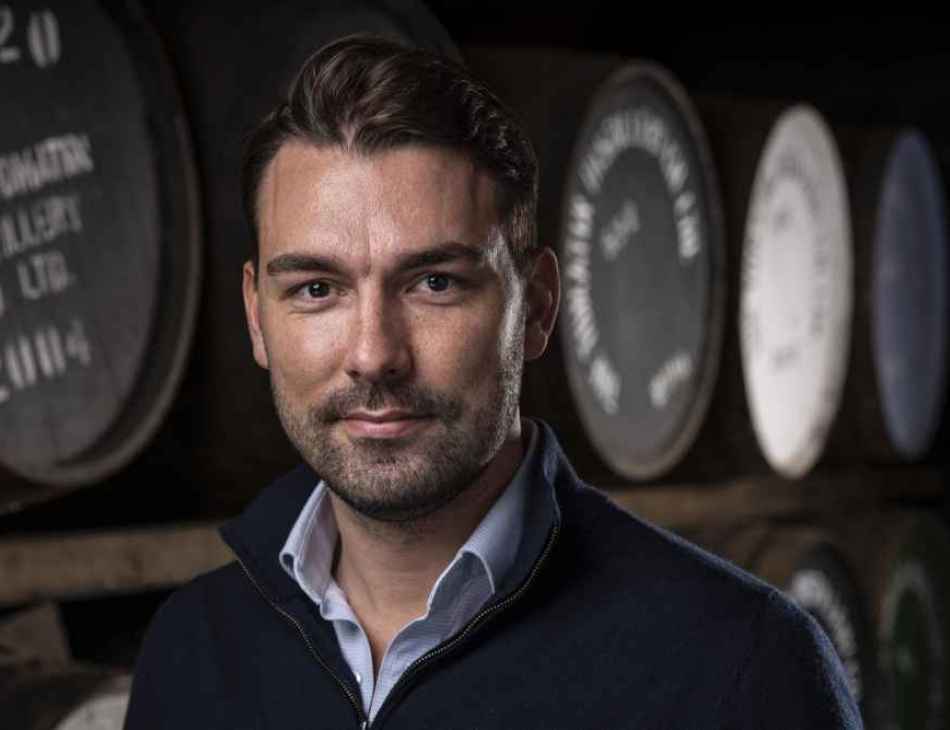
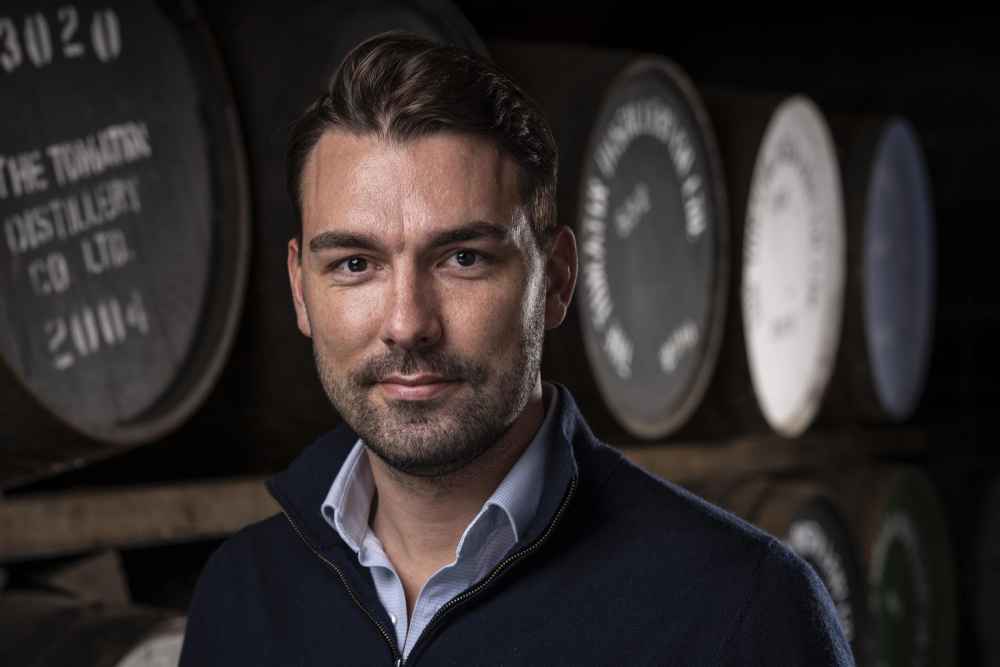
Jamie Muir
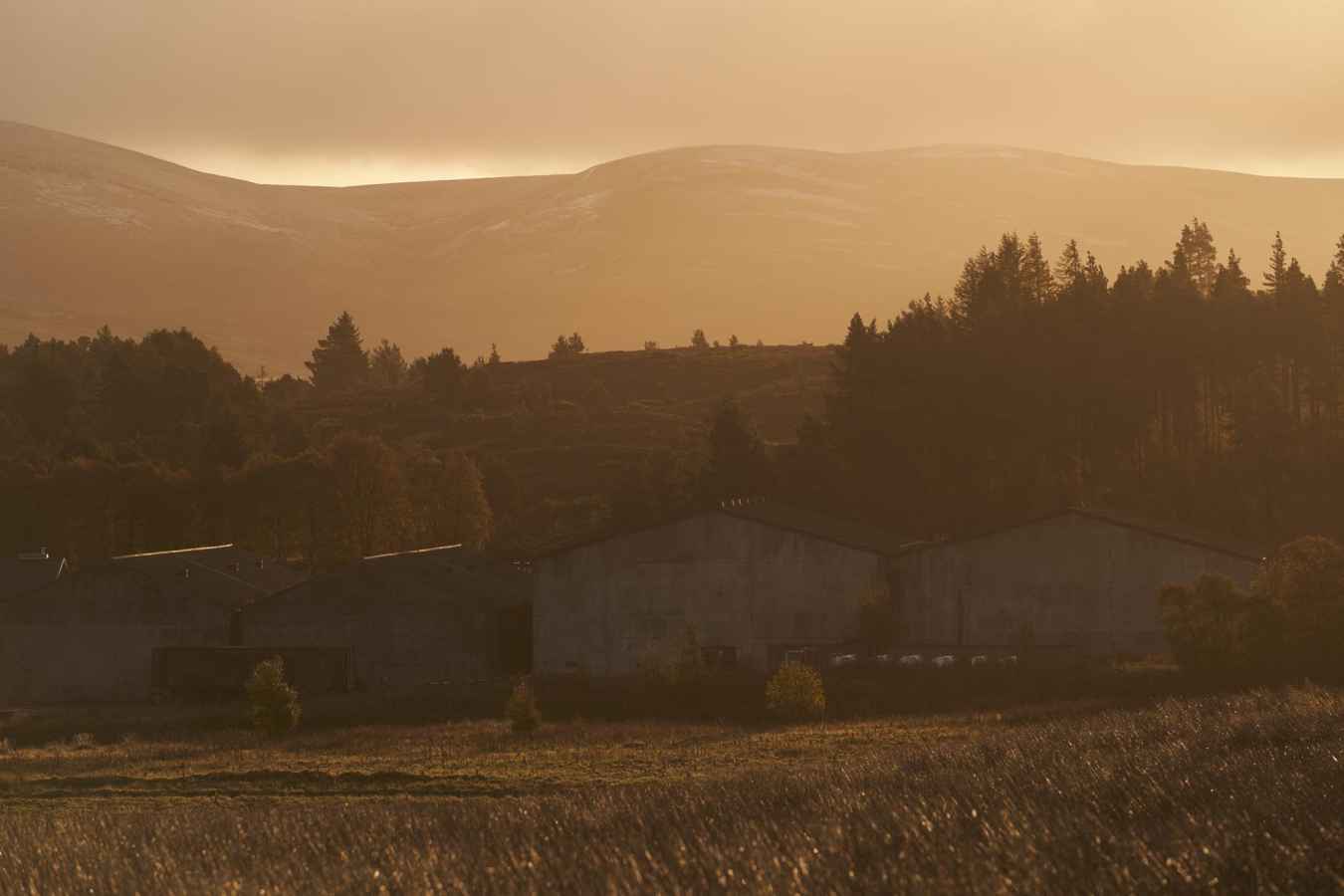
Located in the Monadhliath Mountains just south of Inverness, Tomatin Distillery was once a quiet giant of the Highlands, famed for its massive production capacity geared towards the blending industry. The distillery has spent the last 25 years though elegantly redefining itself. Today, Tomatin is celebrated for a lighter, fruit-forward, and sophisticated portfolio of single malts.
At the heart of this modern renaissance is a deeply considered maturation philosophy. While the distillery retains its historic soul, its contemporary reputation is anchored by a globally respected wood policy. Balancing the high-stakes demands of a vast, maturing inventory with the meticulous nuances of small-batch experimentation requires an expert hand.
That responsibility rests with Distillery Manager Jamie Muir. In this exclusive interview, Muir opens up about the art of a spirit-forward maturation, the invaluable expertise of an in-house cooperage, and why the slow, patient guidance of refill casks might just showcase the quintessential Highland character of Tomatin at its absolute best.
You oversee production at a distillery with a long history but a relatively modern focus on single malt. How would you define your role today, and where do you personally exert the greatest influence on the final character of Tomatin?
Simply put, I define my role as being responsible for upholding the quality of whisky that Tomatin has become renowned for over our long history. While technology and trends evolve, my role balances this evolution with consistently producing a quality spirit that is unmistakably Tomatin.
The area that I believe I personally exert the greatest influence on Tomatin’s character is around our first-class wood policy. We are very specific about the suppliers that we source casks from and have long standing relationships with them. I pride myself on upholding these and ensuring that each whisky we produce stems from a first-class cask, carefully managed over the maturation.
Tomatin is known for a broad and active wood policy. How would you define the principles behind your cask selection, particularly in balancing consistency with exploration across previous fills?
One of our key principles is ensuring consistency across our whiskies, so that each time someone picks up a bottle of Tomatin, they’ll be assured of a high-quality whisky. This is why we put a real emphasis on working with specific suppliers and have kept to the same three key suppliers across the last decade.
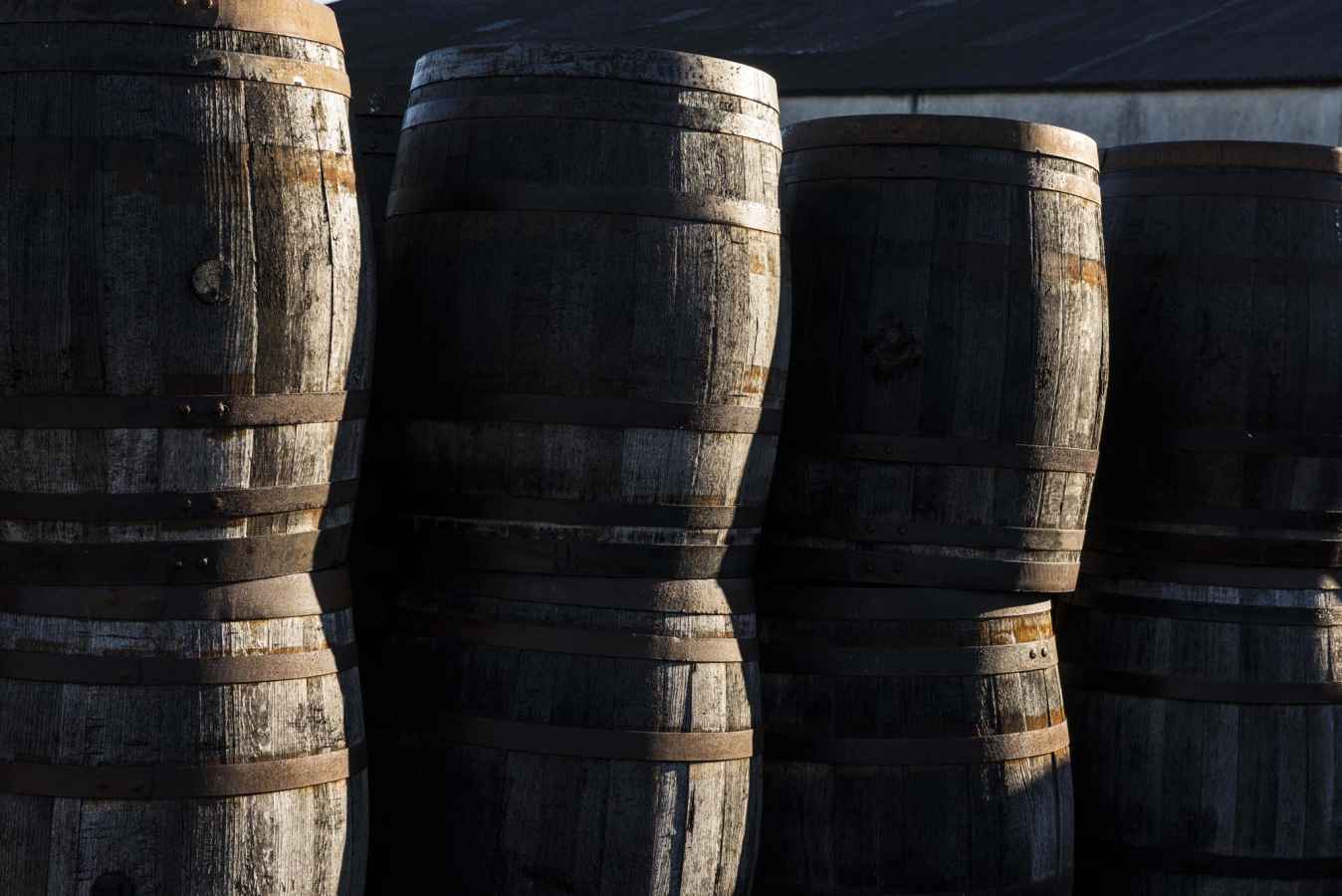
Being known for having a first-class wood policy means investing heavily in high quality casks from across the world, from the US to Jerez. While this can be costly, we firmly believe that it’s worth it for the quality and consistency of our final product.
On the subject of consistency and quality, we’re one of the few whisky distilleries that still has an in-house cooper. Allan won ‘Cooper of the Year’ at the 2025 Icons of Whisky awards and we find his expertise invaluable in managing and maintaining the supply of casks that make up our broad wood stock.
It’s important to emphasise that we don’t allow our wood policy to limit our exploration of other cask types and we like to experiment with new expressions. We do this on a small batch basis, which doesn’t always work. However, we only take the best whiskies through to a final product for our customers which we see as a testament to our cask selection process. This is where my expertise and our blender working closely together has a really positive impact.
What is your sourcing process for casks, particularly ex-Bourbon and ex-Sherry? What relationships or quality controls are most critical in ensuring consistency year after year?
The key thing for us to ensure consistency is by working with a small number of high-quality key suppliers over a long period of time. A great example of this would be working with the Symington family in Portugal to acquire port casks, primarily used in our Tomatin 14 Year Old. They are very selective about the distilleries that they sell casks to, and we have a long-standing relationship with them.
It’s a similar process for our bourbon and sherry casks: we build long term relationships with premium suppliers, and a key part of my role is to uphold these.
How do you approach the balance between first-fill and refill casks within your inventory, and how does that decision impact both maturation pace and flavour development across the range?
Our first-fill cask policy is heavily influenced by the success of our Tomatin Legacy expression, which is matured exclusively in first fill and virgin oak casks. This maturation approach brings us the vibrant sweetness, vanilla character, and fresh fruity notes that we are aiming to achieve with this expression.
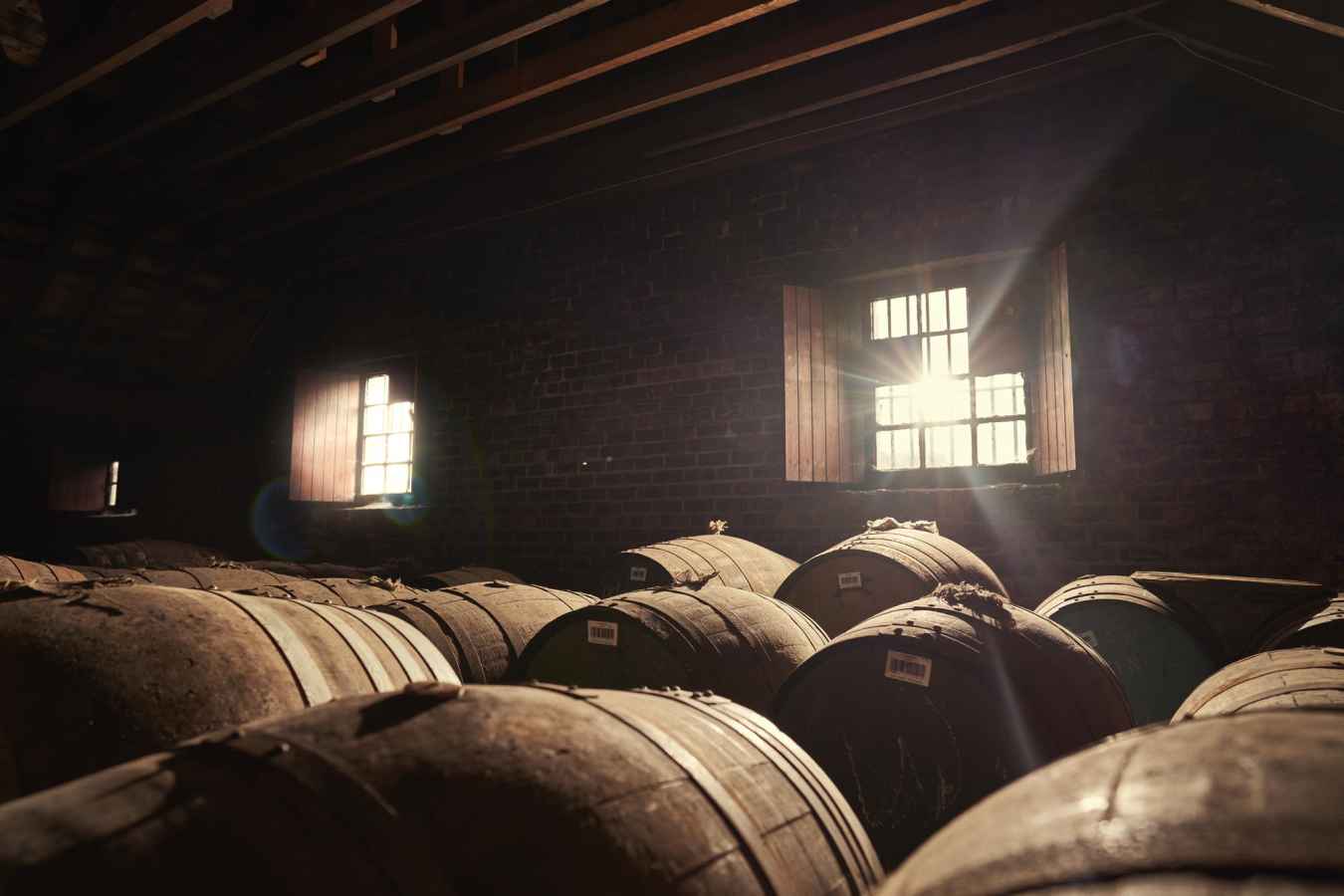
With our wealth of older stock, we find that refill casks play a crucial role in long-term maturation. Unlike first fill casks, which impart a more intense influence over time, refill casks allow the spirit to develop more gradually, preserving its delicate character. This results in beautifully complex whiskies with remarkable tropical fruit notes, while the light and elegant spirit character remains clearly pronounced throughout its maturation journey.
At what stage do you typically make decisions about re-racking or finishing, and what indicators are you looking for when deciding that a whisky needs a secondary maturation?
Everything is about balance for us. We want every whisky we produce to have the spine of our spirit coming through, rather than being dominated by the cask it’s matured in, essentially allowing the two to complement each other. For example, with a sherry cask, it’s easy to over-dominate very quickly, with the cask masking the flavours in the spirit. This can lead to imbalances in flavour, and you risk losing the natural flavours of the spirit.
We look for our whiskies to be a spirit-forward maturation, rather than a cask-forward maturation, this allows our natural spirit to shine through and keeps it recognisably Tomatin.
Our warehouse team are incredibly strong at constantly reviewing and managing our inventory. They’re led by Richard Noble, who has worked at Tomatin for over 50 years, and we lean heavily into his experience, especially around taking samples and managing stock.
At that point, it then becomes our call to re-rack depending on the direction we think the spirit is heading – for example, we might decide the spirit needs to be re-racked into a refill cask to preserve and not to over intensify the flavours that have been imparted from the previous cask. Refill casks tend the balance out the whisky over time making it a really diverse cask to use in our core range and prestige range.
Finishing has become a prominent feature across your range. How do you ensure that finishing enhances rather than dominates the distillery character?
The approach we take to finishing is similar to the one that we take with re-racking and relies on the expertise of our team and being aligned with our goal for each whisky. It’s vital that the entire team is singing from the same hymn sheet and that we know how we want each whisky to taste. Having this expertise and clear shared goal ensures that we’re able to keep finishing consistent. At Tomatin, we’re lucky to have a wealth of knowledge and experience in the warehouse team which allows us to uphold our high standards.
With production capacity and inventory evolving over decades, how do you manage cask stocks to meet both current core range demand and future aged releases?
I believe this is the most difficult part of the distillery manager role at any distillery as you’re trying to predict the future in a complex and ever evolving landscape.
We have a big inventory at Tomatin, so it’s essential that we manage it well against ongoing production. We work closely across teams at the distillery, especially with the sales team, to build a stock model that factors in our expected year-on-year growth as well as changes in consumer tastes while remaining true to what we believe is a quintessential Tomatin whisky.
The benefit of having a large site at Tomatin is that it gives us flexibility with our production. If needed, we can increase production swiftly.
The 12 Year Old is approachable, with orchard fruit, softness, and gentle spice. How much of that profile comes through cask selection versus emerging naturally from your new make?
It’s about 50/50, which I think is a good balance. Our new make spirit is naturally lighter with a hint of spice, which means it goes nicely hand in hand with the casks used to mature our Tomatin 12 Year Old Triple Cask. The orchard fruit notes are enhanced by the sherry casks, and we find that to be a profile we like at Tomatin, with the casks marrying well with our lighter spirit.
Looking ahead, how do you see your wood policy evolving, particularly in light of supply pressures, sustainability concerns, and changing consumer expectations?
I don’t see our wood policy changing significantly in the short term, especially as consistency is key for us. We’ve mitigated against supply pressures and ensured longevity by building a strong supplier network with great relationships that we work hard to maintain. These suppliers provide us with great access to casks and our continued exploration of different cask types allows us to be flexible as consumer expectations change.
From your own experience, is there a particular cask type or maturation style that you feel expresses Tomatin at its absolute best?
I believe that our use of refill casks expresses Tomatin at its best. I’ve never worked in a distillery that has such reserves of old whisky. One of my predecessors put a significant amount of whisky into refill casks back in the day and I’ve never smelled or tasted flavours like it. This whisky has enjoyed a long, slow, patient maturation that has created a balanced spirit, which has kept its core identity and characteristics.
The fact that this was done a long time ago is testament that a quality wood policy has been at the forefront of our distillery for decades, rather than years. We’ve educated ourselves from these past experiences and they’re a perfect example of a long-term approach to wood policy.
You can view the Tomatin website here and other articles I have written on them below:-
Journeys in Cask and Character