
The Pearl of Speyside: Restoring the Legacy of Tormore
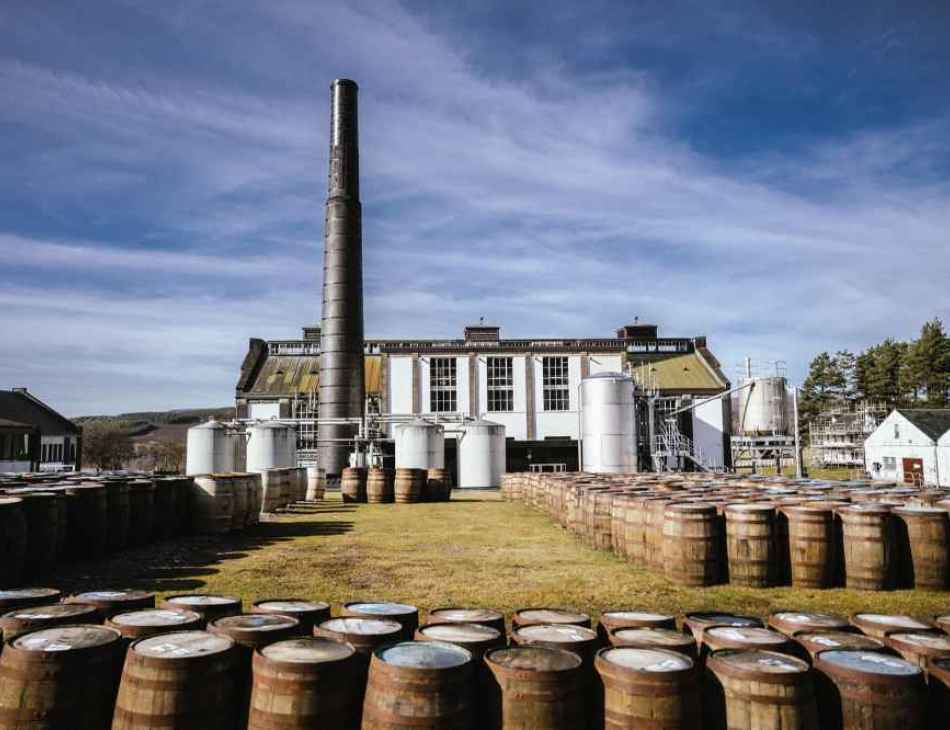
Tormore Distillery
Last week, I attended a press lunch at Carousel in London alongside fellow whisky writers for the relaunch of Tormore, one of Speyside's most distinctive distilleries. The event was far more than the simple unveiling of a new range of single malts. It represented the fulfilment of a long held ambition for brothers Sukhinder and Rajbir Singh, whose profound influence on modern whisky appreciation through The Whisky Exchange remains difficult to exaggerate.
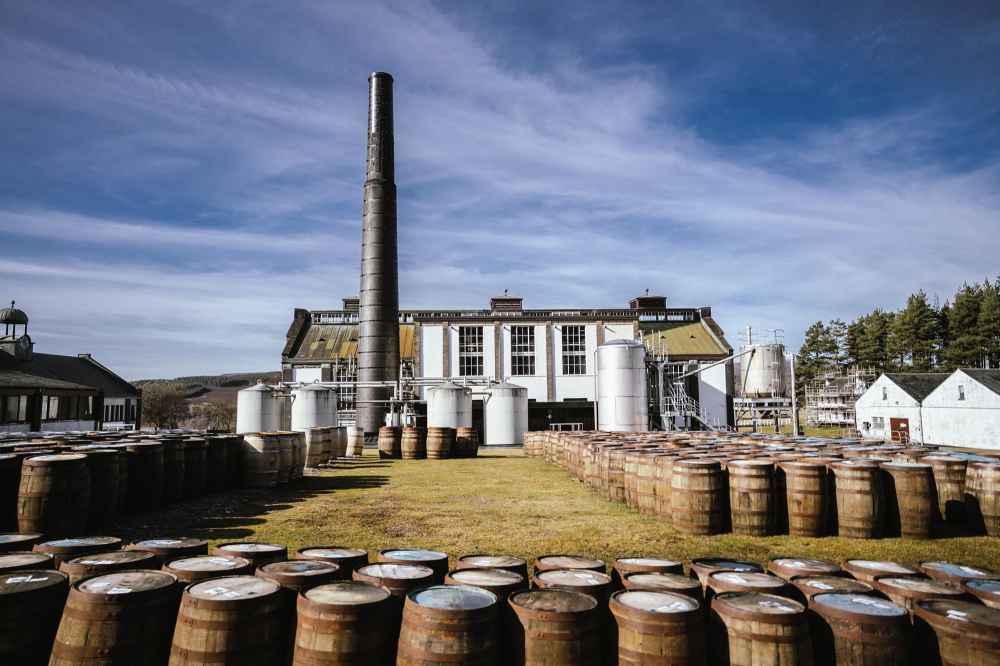
For decades, Tormore occupied an unusual place in Scotch whisky. It was admired by enthusiasts who knew its spirit, respected by independent bottlers who occasionally showcased its potential, and largely overlooked by the wider public. Despite possessing one of the most striking distillery buildings in Scotland and producing a characterful spirit unlike many of its Speyside neighbours, Tormore never established itself as a major single malt brand.
Now, under the ownership of Elixir Distillers, that appears set to change.
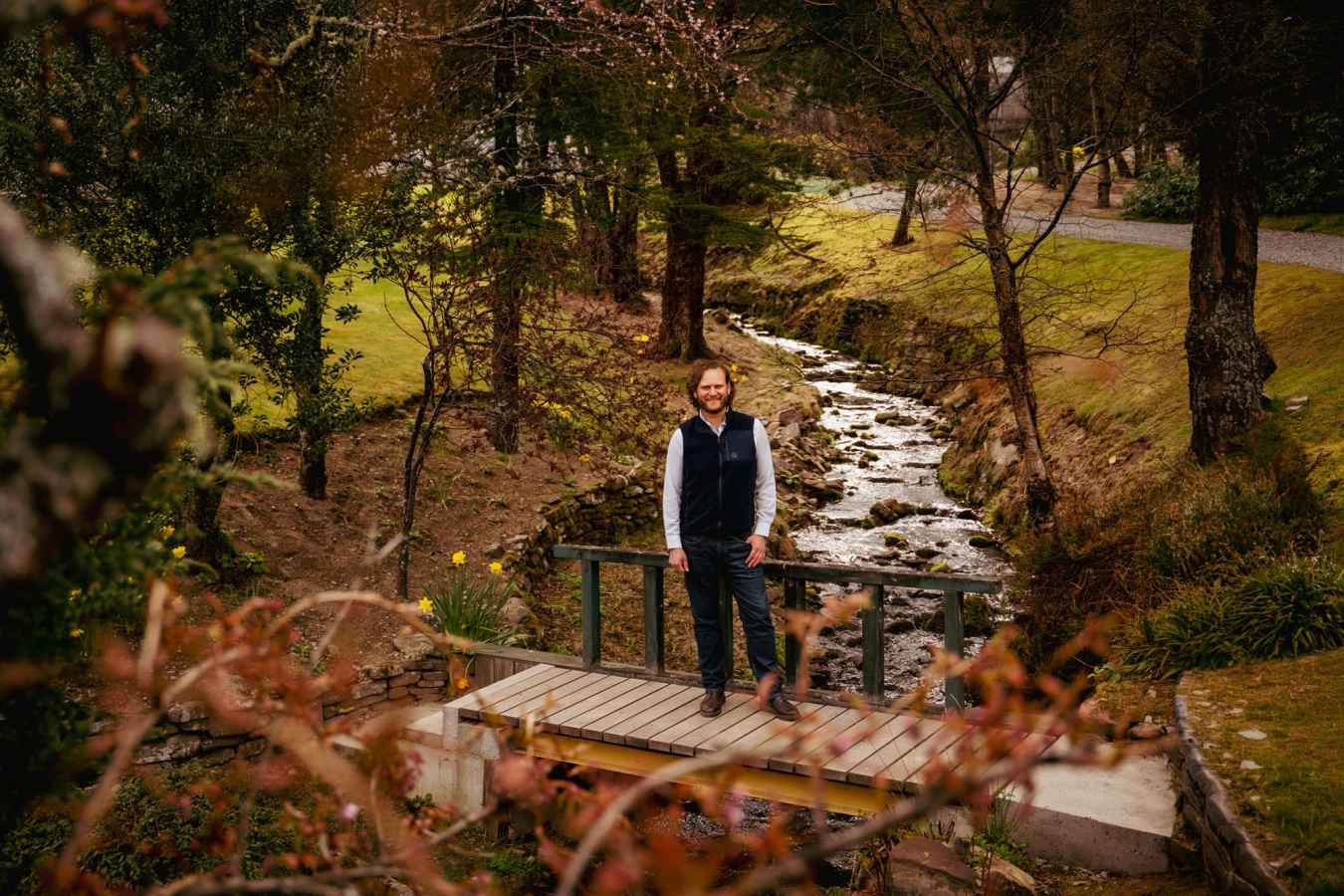
The launch event offered a glimpse not only into the future of Tormore, but into the philosophy that will guide it. For Sukhinder Singh, the acquisition was driven by a conviction that something important had been lost within modern Scotch whisky.
"When I fell in love with whisky," he explained, "many of the whiskies were elegant, fruity and light."
Today, he believes much of the industry has moved in a different direction. As whisky has grown into a global success story, many producers have increasingly embraced heavier cask influence. Rich sherry maturation, intense oak extraction and powerful wood driven flavours have become fashionable. While Singh acknowledged there is a place for such styles, he questioned whether the industry had begun to neglect the delicate fruit forward whiskies that once defined much of Scotland's output.
For him, Tormore represented an opportunity to champion those qualities once again.
An Architectural Statement
The story of the distillery itself is fascinating. Built in 1959, Tormore was commissioned by Long John Distillers and financed by Schenley Industries, the American drinks giant that had made its fortune in the United States. Rather than creating a purely functional production facility, its founders wanted to make a statement.
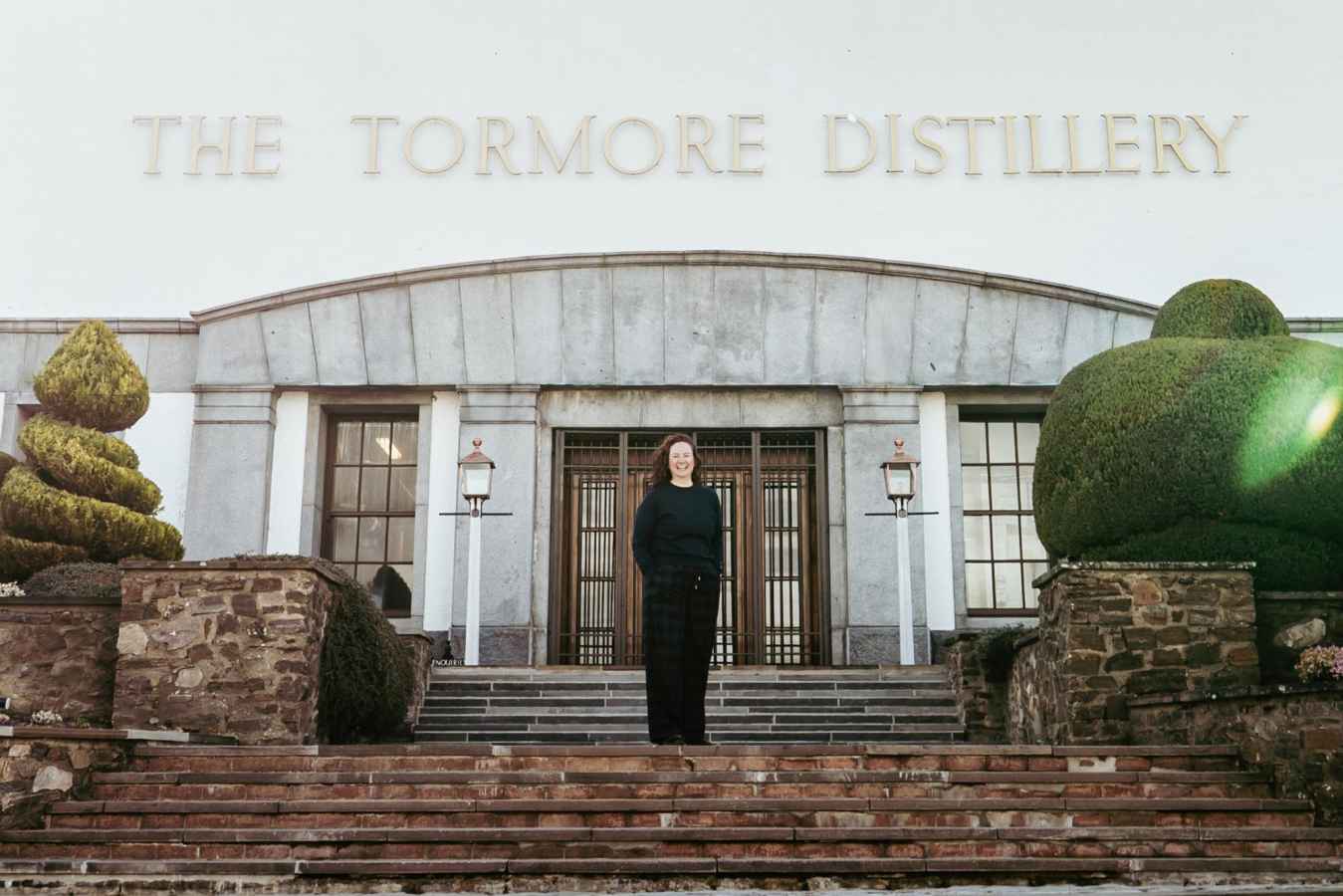
Tormore remains one of the most architecturally distinctive distilleries in Scotland. Its striking white buildings stand against a backdrop of dense woodland beside the River Spey. Designed by the celebrated architect Sir Albert Richardson, every detail was considered. Even today, visitors are greeted by a famous clock tower that plays Scottish tunes every fifteen minutes.
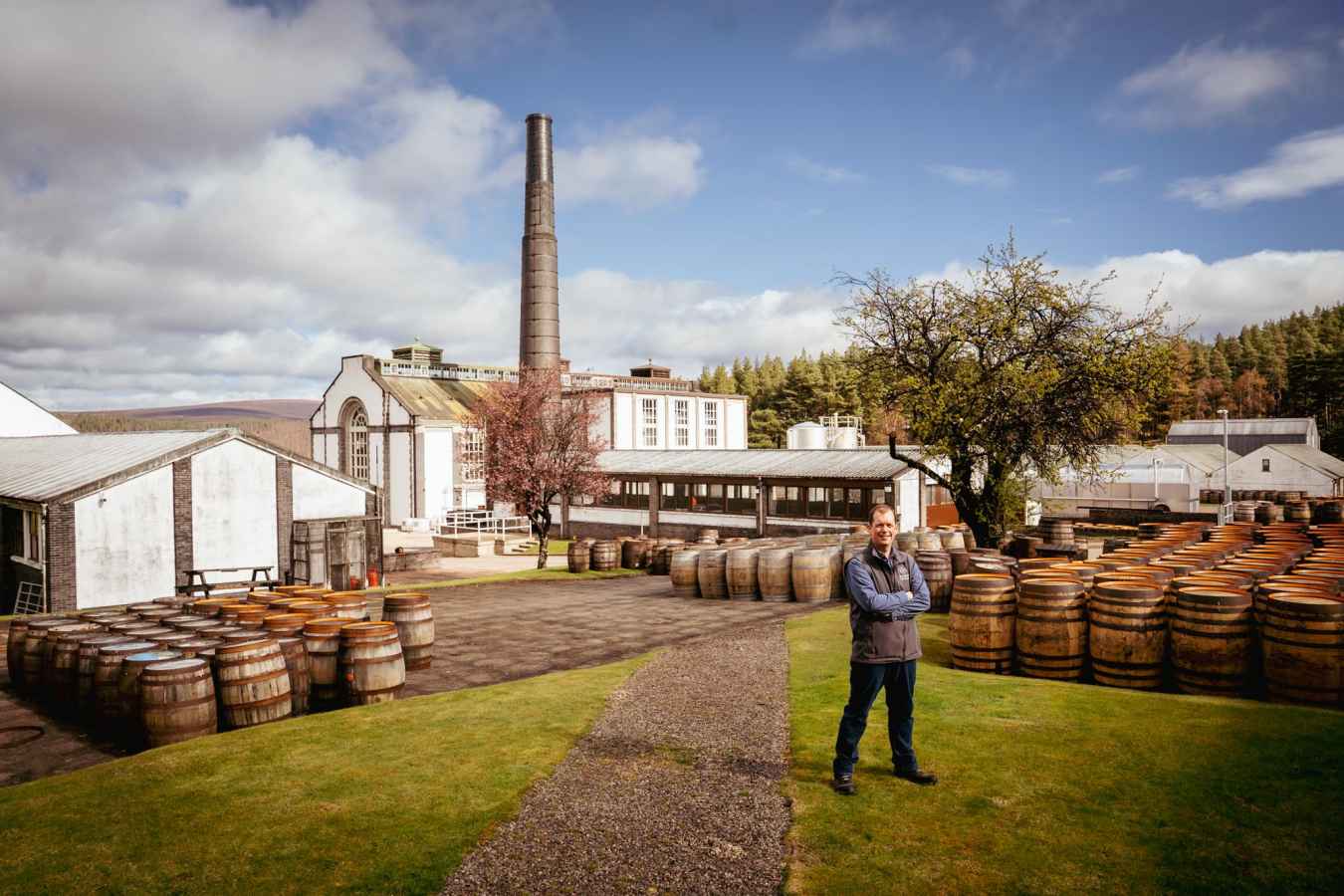
During the launch, Elixir's Head Blender Oliver Chilton revealed that their research into the distillery's archives had uncovered remarkable details about its origins. Richardson, a traditionalist obsessed with Georgian architecture, designed the distillery almost as a village rather than an industrial facility. Plans included recreational amenities for staff, a village hall, a badminton court and even a curling rink.
The vision was influenced by the writer Neil Gunn, whose romantic view of Scotch whisky saw distilleries as the centre of community life in rural Scotland.
"Tormore was designed and built to be a community distillery," explained Chilton.
Rewriting the Culture
That sense of community remains important today. When Elixir acquired the distillery in 2022, they inherited more than stills and warehouses; they inherited a workforce and a culture.
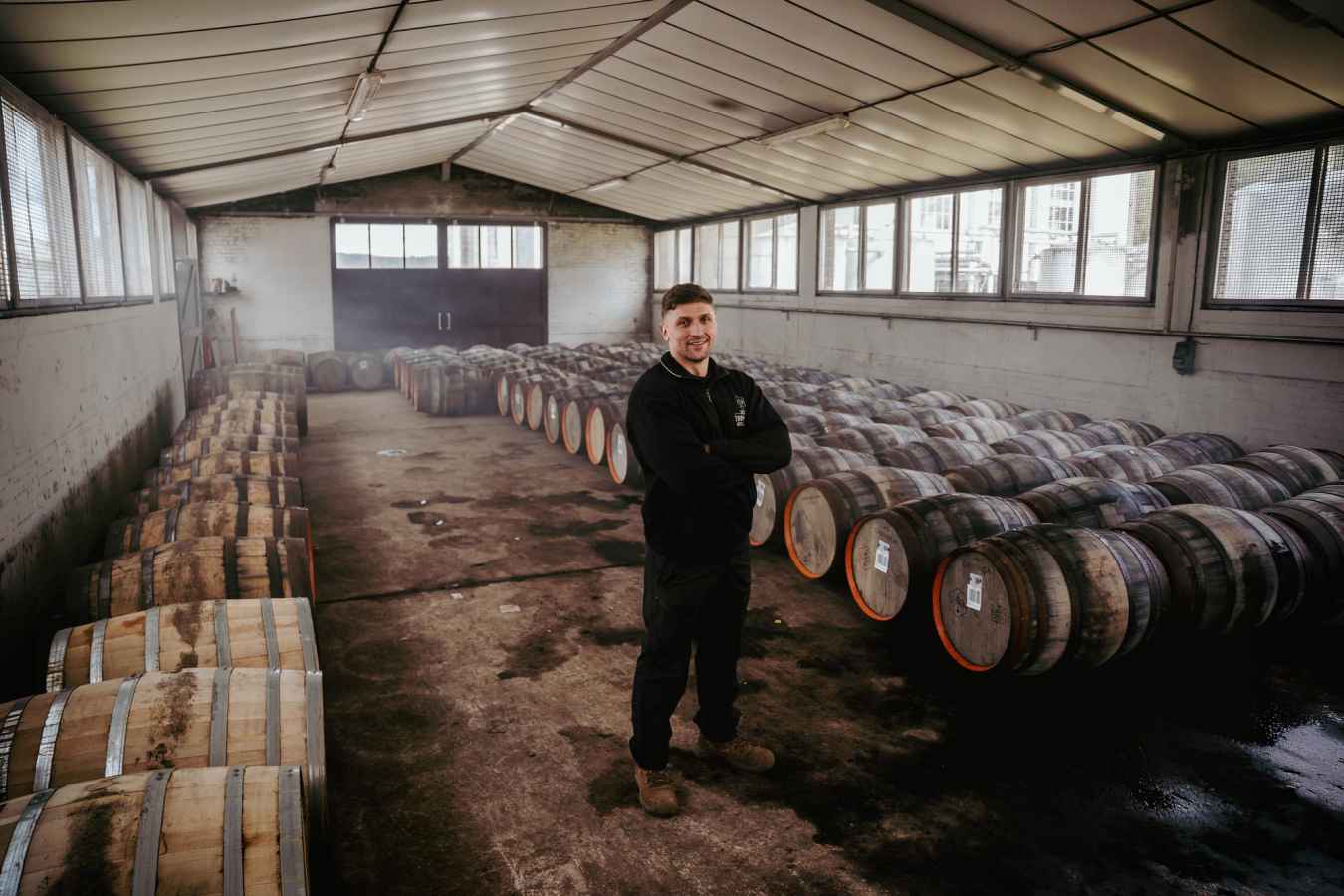
According to Oliver, Tormore had become a surprisingly quiet place under previous ownership. At one stage only five operators remained on site. Today the workforce has grown to twenty six. Some families have connections stretching back generations. One warehouseman has worked there for thirty five years. His father spent twenty seven years at the distillery before him. Another employee's son now works on site during school holidays.
The emphasis on people repeatedly surfaced throughout the presentations. One story in particular drew laughter and affection from the audience. On his first day at Tormore, Oliver decided to make tea for the distillery staff. After putting the kettle on, he shouted through the building for everyone to come down.
One employee arrived in tears.
"What is wrong?" Oliver asked.
"Nobody has ever made me a cup of tea before."
The anecdote was humorous, but it also illustrated the cultural transformation that has taken place under the new ownership.
The Character of the Spirit
The whisky itself, however, remains the heart of the project. Before purchasing the distillery, Singh and his team studied the spirit carefully. What they found convinced them they had discovered exactly the style of whisky they had been searching for.
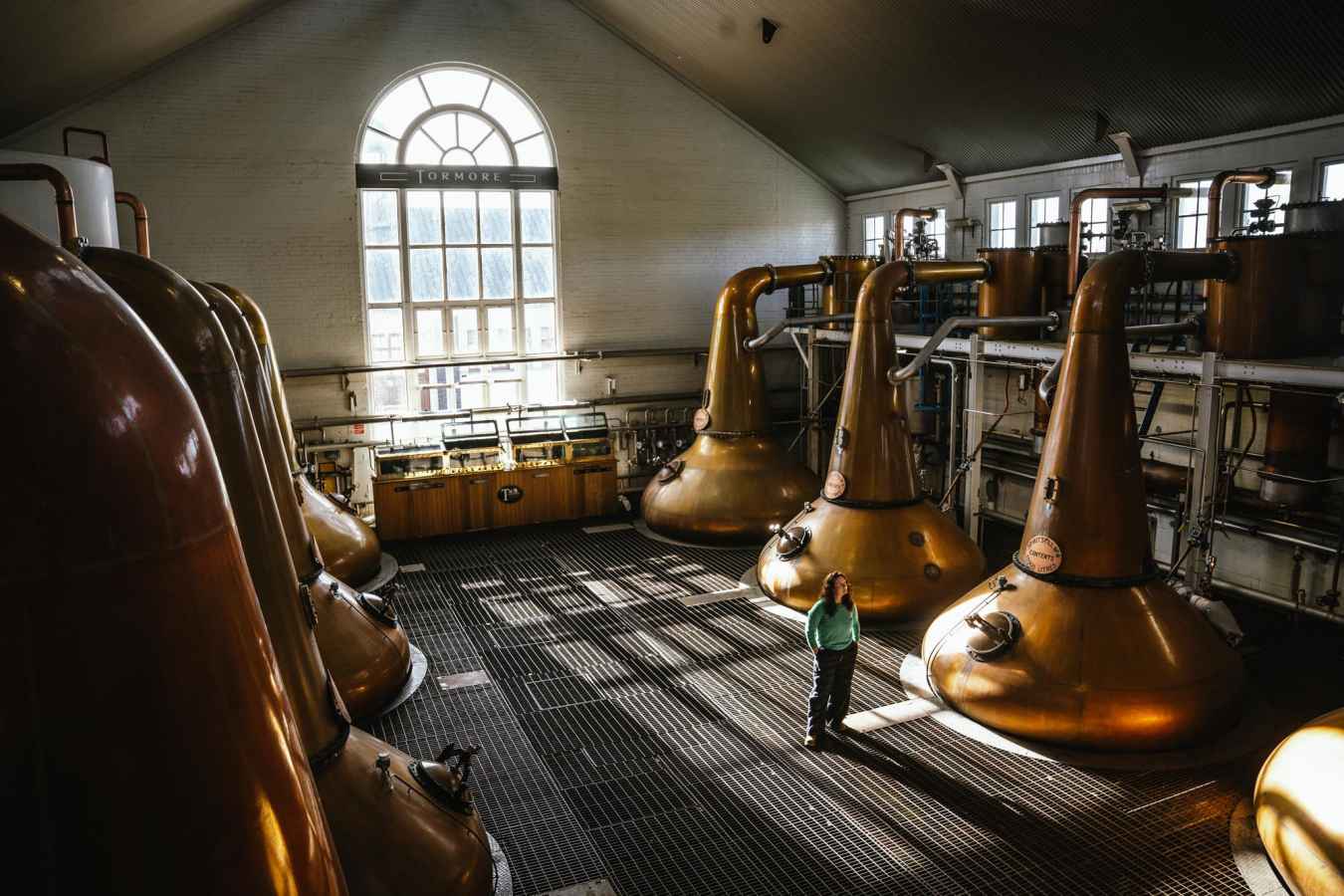
The defining feature lies within Tormore's still design. The stills are fitted with purifiers, a relatively uncommon feature that increases reflux by encouraging heavier compounds to return to the still rather than passing into the spirit receiver.
While Oliver Chilton has focused on managing the existing liquid, Distillery Manager Polly Logan has been working to preserve and enhance this delicate spirit character at the source. She has implemented small yet highly effective operational tweaks to ensure the spirit matches their long term maturation vision. Under Polly’s direction, the distillery has lengthened fermentation times, carefully selected new yeast strains, and slowed down the distillation process itself.
These deliberate adjustments work in harmony to maintain and amplify the bright peach and pear notes that define the new make spirit. It is said that walking through the still house reveals these distinctive stone fruit aromas in different pockets of the building as the spirit runs through the system.
The team's research also uncovered historical evidence supporting their modern interpretation. Among the documents found in the archives was correspondence describing Tormore's spirit shortly after the distillery's opening. The writer noted that it lacked the heavier Speyside character associated with some neighbouring distilleries and instead possessed a lighter, sweeter style that would mature particularly well in American oak.
More importantly, the records showed that Tormore had always been intended to be both a blending component and a single malt. The ambition to create a notable single malt was present from the beginning. It simply never fully materialised.
The New Collection
That historical thread now forms the foundation of Elixir's plans. When they acquired Tormore, they inherited tens of thousands of casks spread across warehouses throughout Scotland. Most had originally been filled for blending purposes and were therefore matured predominantly in refill casks.
The quality of the stock impressed the Singh's, but they recognised that further maturation would be required to realise its full potential. Over the past three years, approximately 2,500 casks annually have been recasked and nurtured into a new style designed to showcase the spirit's fruit driven character.
The official launch on Monday 15 June marked the arrival of the first permanent collection. This milestone follows the success of two limited preview releases in 2025, 'Blueprint' and 'Legacy', which were designed to give enthusiasts a hint of what was to come.
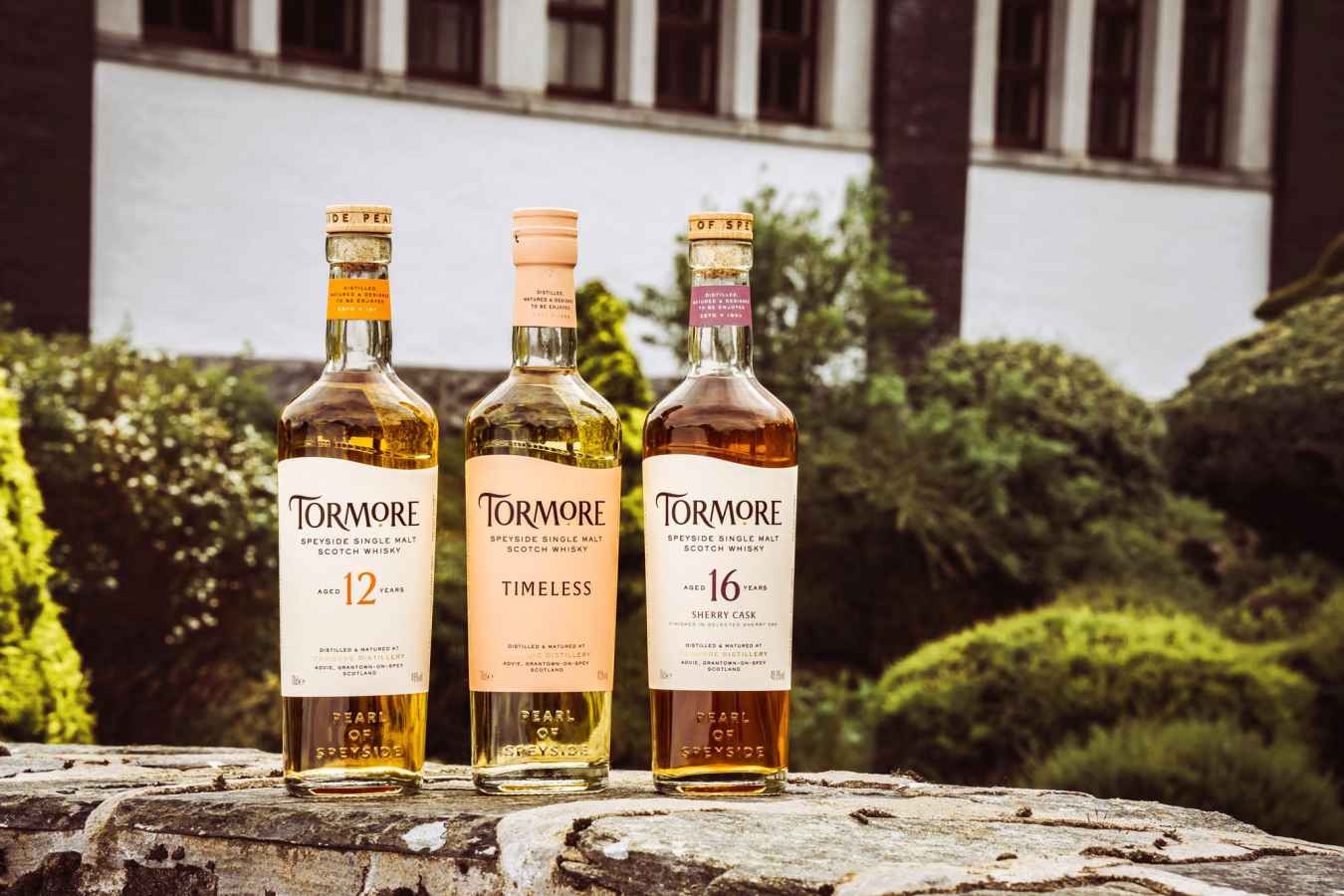
The range launches with three expressions: Timeless, 12 Year Old and 16 Year Old. A 21 Year Old is expected to follow.
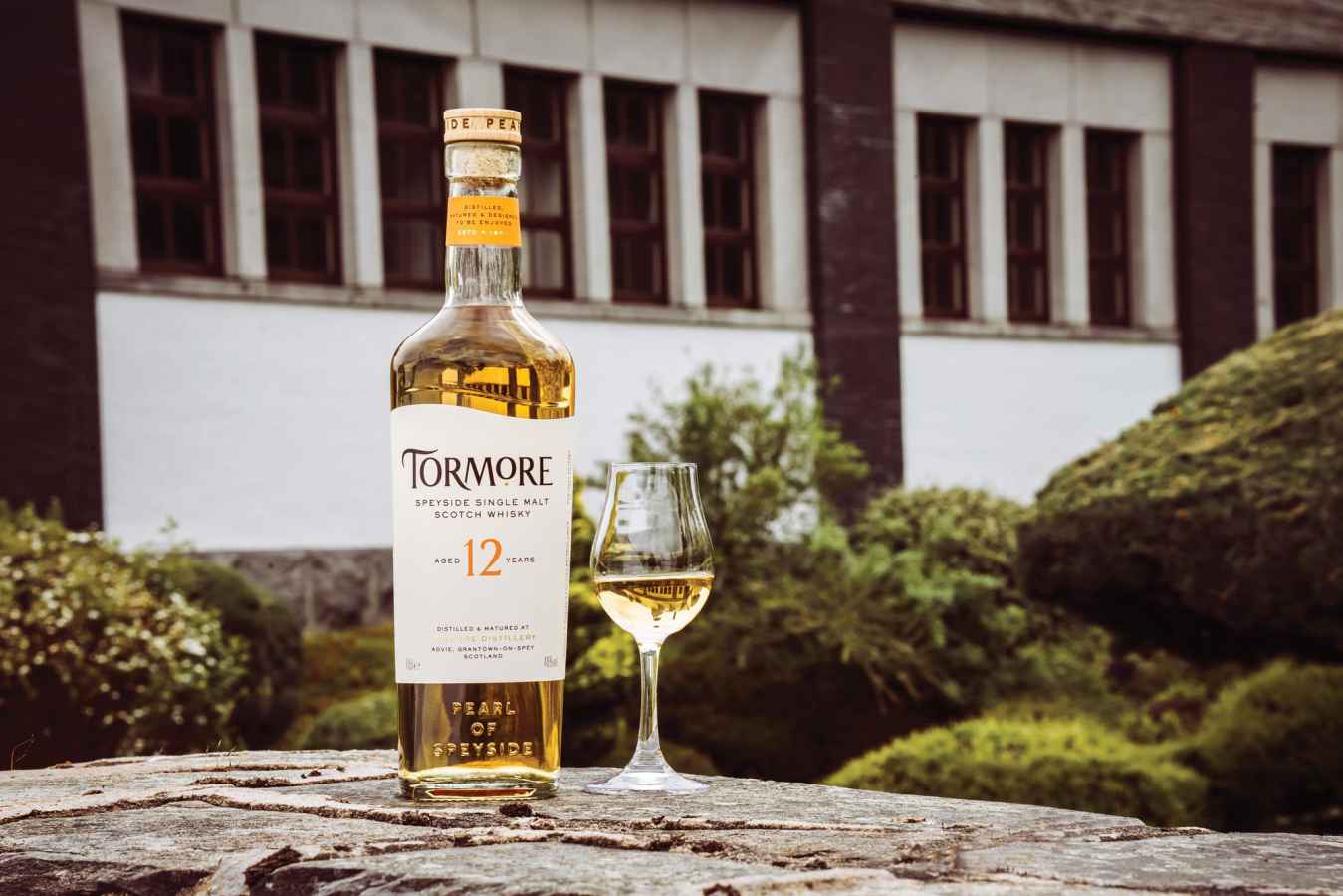
The presentation reflects the same attention to detail evident throughout the project. The bottle incorporates a subtle curve near the neck representing the nearby River Spey. Embossed into the glass is the phrase "The Pearl of Speyside", a historic nickname for the distillery.
The origin of that nickname is wonderful. Viewed from a distance, the white distillery buildings appear as a tiny bright speck against the surrounding hills. Historically, freshwater pearl mussels also inhabited the nearby river. Together, these references reinforce Tormore's identity as a distinctly Speyside distillery.
The Liquid Profiles
The whisky range itself showcases different interpretations of the house style, balancing Polly Logan’s pristine spirit with Oliver Chilton’s precise cask management.
- Timeless (43% ABV / RRP £41.95): Built primarily around bourbon cask maturation with only a small sherry influence, it emphasises the purity of the distillery character. Peaches, pears and vanilla dominate, supported by a clean sweetness derived from American oak. Importantly, Timeless was also developed with cocktails in mind. Sukhinder observed that very few single malts have been intentionally designed to function as mixing whiskies. He wanted a spirit capable of retaining its identity in cocktails while remaining approachable and elegant.
- 12 Year Old (46% ABV / RRP £54.95): For Oliver, this expression represents not merely the distillery but the people who work there. Matured primarily in first fill bourbon casks alongside cream sherry seasoned American oak, it develops greater richness and texture while preserving the fruit forward core. The whisky is non chill filtered and carries no added colouring. The resulting profile resembles a peach tart transformed into a fruit crumble, retaining freshness while introducing layers of spice, cream and baked fruit. It is wonderful and a what you might describe as a pure. A whisky drinker's dram.
- 16 Year Old Sherry Cask (46% ABV / RRP £79.95): This expression takes the concept further. Gentle wood influence from refill American and European oak casks allows the pure spirit character to shine through, followed by a little extra maturation in a variety of sherry casks for subtle complexity. Cream Sherry lends a softer profile with hints of jammy sweetness, while Oloroso brings light, nutty notes. This balance was a key consideration throughout development. The team deliberately avoided creating an excessively sherried whisky that would obscure Tormore's natural character. Instead, the wood acts as an enhancer rather than a dominant force. The result is richer, darker and more suited to after dinner drinking.
The Islay Counterpoint
For Sukhinder, Tormore is only one part of a much larger ambition. Alongside the Speyside distillery, Elixir Distillers has also been developing Portintruan on Islay, a new distillery overlooking the famous whisky island's rugged coastline.
The two projects could hardly be more different. Portintruan allows the company to create a distillery entirely according to its own philosophy from the ground up. Tormore, by contrast, presents the delicate challenge of reviving an existing site with a complex history and an already established character.
Taken together, they reveal the scale of the brothers' commitment to Scotch whisky. One project is focused on creating a future legacy. The other is dedicated to restoring a forgotten one.
A Rediscovery
Throughout the afternoon, one message remained consistent. This is not an attempt to reinvent the distillery. It is an attempt to rediscover it.
Many whisky companies speak of heritage, but Tormore's new custodians appear genuinely interested in understanding what made the distillery unique in the first place. The extensive archive research, the preservation of community traditions, the focus on spirit character and the deliberate restraint in cask influence all point towards the same goal.
Sukhinder Singh spent decades building one of the most respected whisky retail businesses in the world. During that time he tasted countless whiskies and watched consumer preferences evolve. His acquisition of Tormore appears rooted in a simple belief: that elegant, fruit driven Speyside whisky still deserves a place in the modern Scotch landscape.
If the new range is any indication, Tormore may finally achieve the recognition its founders imagined more than sixty years ago. I am certainly looking forward to seeing its development and visiting at some point, to really gain a deeper understanding of the whisky.