
House Of Hazelwood Releases New Rare Expressions
The Silent Partner
Regular readers will know that I have a particular affinity for House of Hazelwood and tend to anticipate each annual release with genuine interest. The 2026 Charles Gordon Collection continues a philosophy shaped by Charles Gordon, one that places patience at the centre of whisky making and recognises that time, when handled with restraint, remains the most valuable asset at a producer’s disposal.
I have had the privilege of visiting Hazelwood House on more than one occasion, the Speyside home of the Grant family. It is an environment that feels far removed from the formalities of corporate decision-making. One can easily imagine that, over a few carefully chosen drams, many of the ideas that would shape the future of their whisky stocks were first explored here, long before they were ever committed to paper.
The Gordon family’s inventory has long been regarded as one of the most quietly significant in Scotland. Unlike many contemporary releases that lean heavily on innovation or cask experimentation, the House of Hazelwood approach is all about patience. Stocks laid down decades ago, often without any clear commercial endpoint, are now emerging as finite snapshots of a past that cannot be recreated.
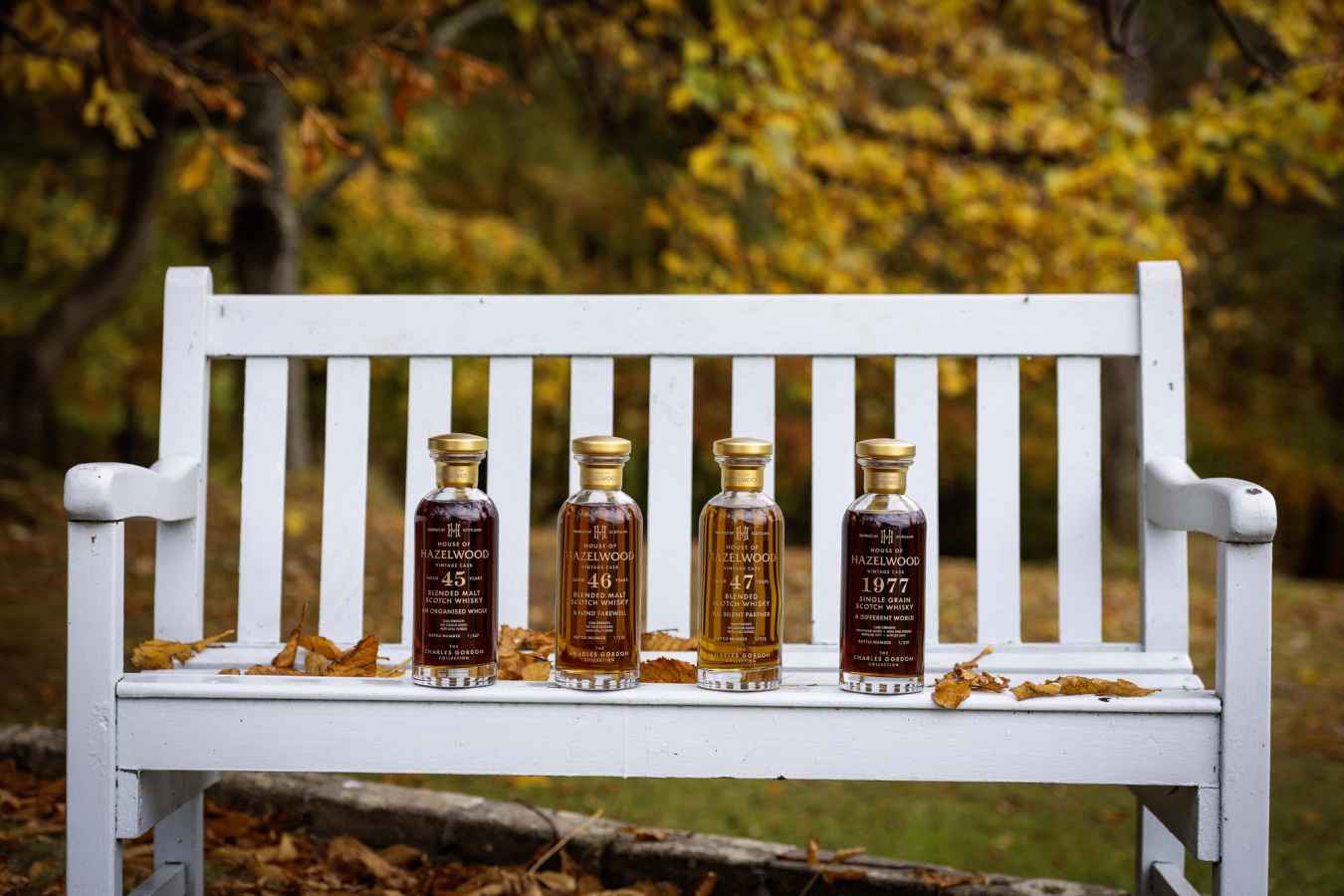
This fourth instalment in the Charles Gordon Collection brings together four whiskies, each exceeding four decades in cask, each offering a different perspective on maturation, blending, and historical production methods.
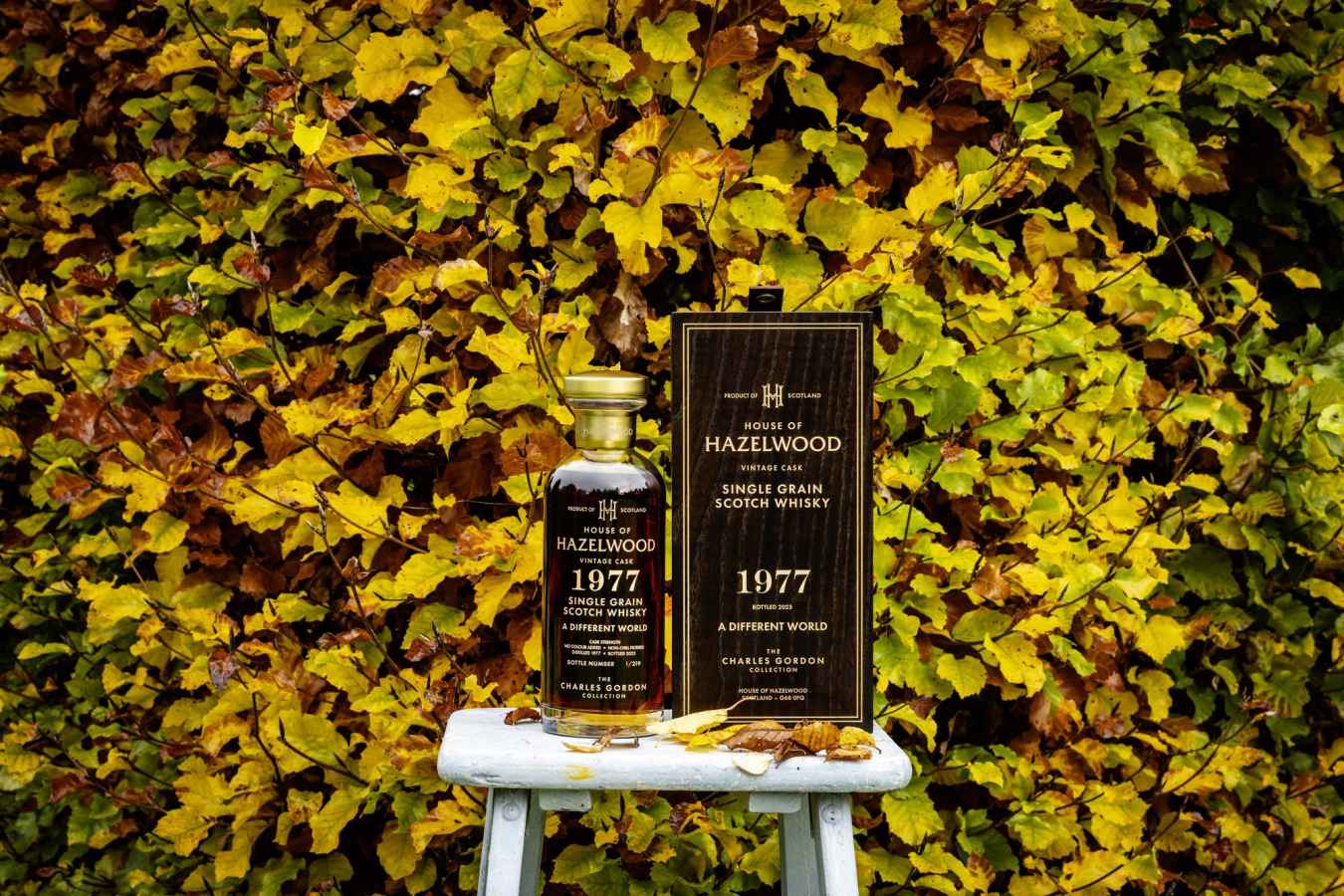
The most historically revealing of the quartet is A Different World, a 1977 single grain distilled at Girvan Distillery. Grain whisky is often discussed in terms of utility within blends, yet here it takes centre stage. Distilled from maize on now historic equipment and drawn from an unusual cut point, the spirit developed a distinctly herbal profile from the outset. Having spent 48 years in a sherry butt, it now has a decadent nose full of herbs, cocoa, coffee grinds and steeped raisins. On the palate it has a welcome dryness with layers of fruit, spice and mocha notes. It proves just how well grain can mature - it is delightful.
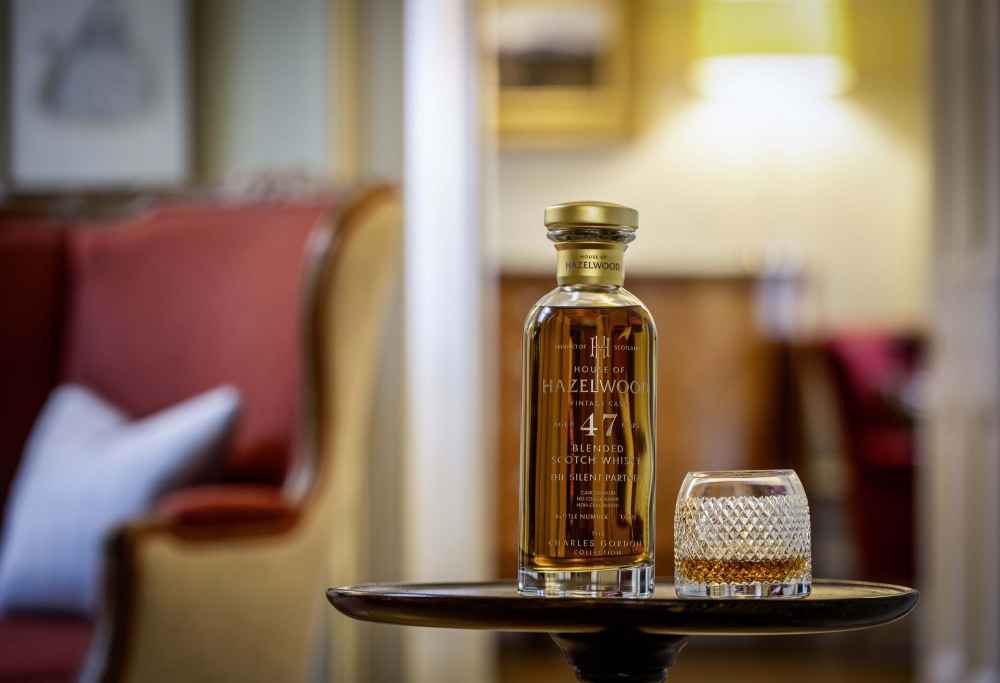
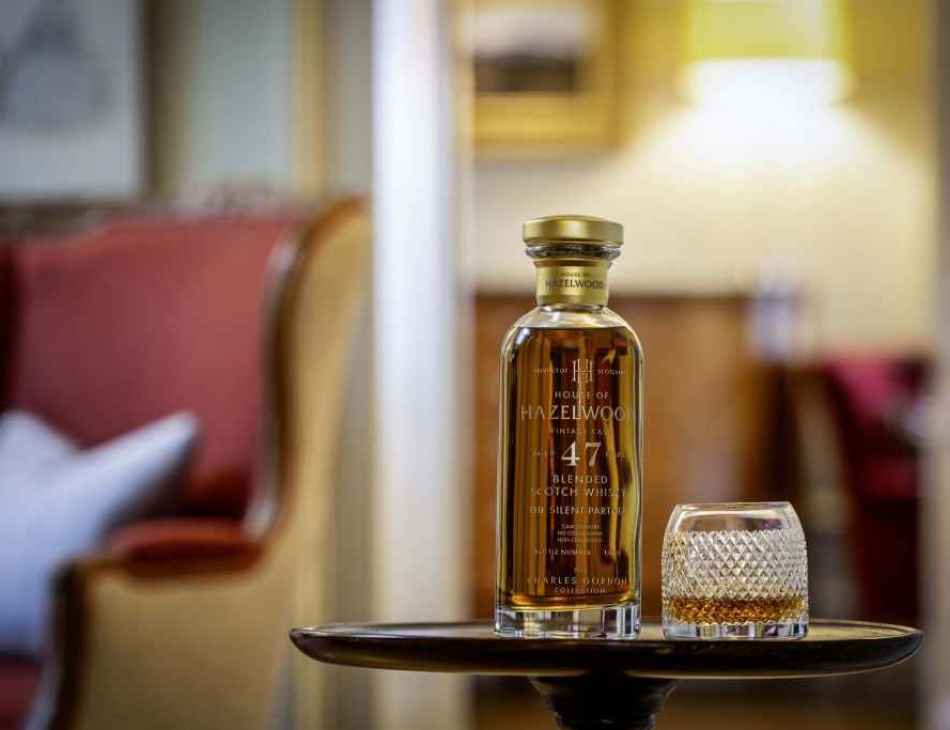
The Silent Partner shifts the focus to blending, specifically the use of peat not as a dominant feature, but as a structural component. This is the first peated blended Scotch released by the House, yet the smoke is deliberately restrained. A Lowland grain base provides sweetness, while Highland malts matured in both American and European oak bring weight. The peat was sourced from a distillery still operating traditional methods in the 1970s. It is there almost as seasoning, adding length and subtle tension over overt smokiness. The nose has an underlying citrus note, whilst the palate has delicacy initially, before building in flavour with a light honey profile, coupled with more citrus. What I love about these casks is that the written records still exist enabling us to know the history of the whisky.
A Fond Farewell introduces a more emotive narrative. Built from the Gordon family’s “Hogmanay casks”, filled each New Year’s Eve during the 1970s, it represents a practice that no longer exists. Traditions such as these rarely survive modernity, and their disappearance often goes unnoticed until decades later when the final casks are drawn. Here, those casks have been brought together into a 46-year-old blended malt that reflects both the celebratory nature of its origins and the gradual accumulation of character over time. It is lighter on the nose than A Fond Farewell, with an elegant delicacy full of roasted nuts, prune and sultanas. The palate is fuller than the nose suggests with a wonderful depth. On it there is honey, hazelnuts, a surprising hint of tropical fruit such as mango and great length.
The fourth expression, An Organised Whole, is perhaps the most conceptually modern, despite its age. Drawing on multiple Highland distillery profiles and matured across both hogsheads and sherry butts, it is an exploration of blending as a form of composition. The reference to Gestalt theory is not misplaced. The whisky was made to demonstrate how disparate elements can form a cohesive whole, where no single component dominates yet each remains essential. As is consistent with all House of Hazelwood releases, you could nose them for hours, such is the joy of doing so. This is rich and full of all those fruit notes you associate with sherry cask releases, but amplified by the age. When tasted you experience a plethora of flavours that linger for minutes. There is coffee, liquorice, dark chocolate and of course spice and fruit. The finish is dry and keeps you reaching for your glass. A magnificent dram.
Across all four expressions, the defining characteristic is restraint. There is no attempt to impose a house style retrospectively, nor to force uniformity across the collection. Instead, each whisky is presented as a product of its own circumstances, shaped by production decisions made decades ago and by the slow influence of cask and environment.
That approach aligns directly with Charles Gordon’s guiding principle that whisky is “ready when it’s ready”. It is a deceptively simple idea, but one that runs counter to much of the modern whisky industry, where release schedules, market demand, and brand narratives often dictate timing. At House of Hazelwood, the process appears inverted. The whisky determines its own moment of release, and the role of the blender is to recognise when that moment has arrived.
The scale of these releases reinforces their rarity. Each expression is limited to fewer than 300 bottles worldwide, with prices ranging from £3,200 to £4,000. These are not whiskies intended for broad consumption. They sit firmly within the collector space, but unlike many high-priced releases, their value is not driven solely by age statements or scarcity. It is tied to provenance, to production context, and to the fact that the conditions which created them no longer exist.
In a market increasingly defined by experimentation and rapid iteration, the 2026 Charles Gordon Collection takes a different approach. It focuses on long-term maturation and the careful management of existing stocks, which have laid for decades in the warehouse, patiently waiting to reach their peak. This reflects the underlying position of House of Hazelwood. The releases are shaped by decisions made decades ago, with the timing of bottling determined by the condition of the whisky rather than external pressures.
The Charles Gordon Collection is available from houseofhazelwood.com