
LiveWire S2 Alpinista – The Hyper-Hooligan For The Urban Jungle
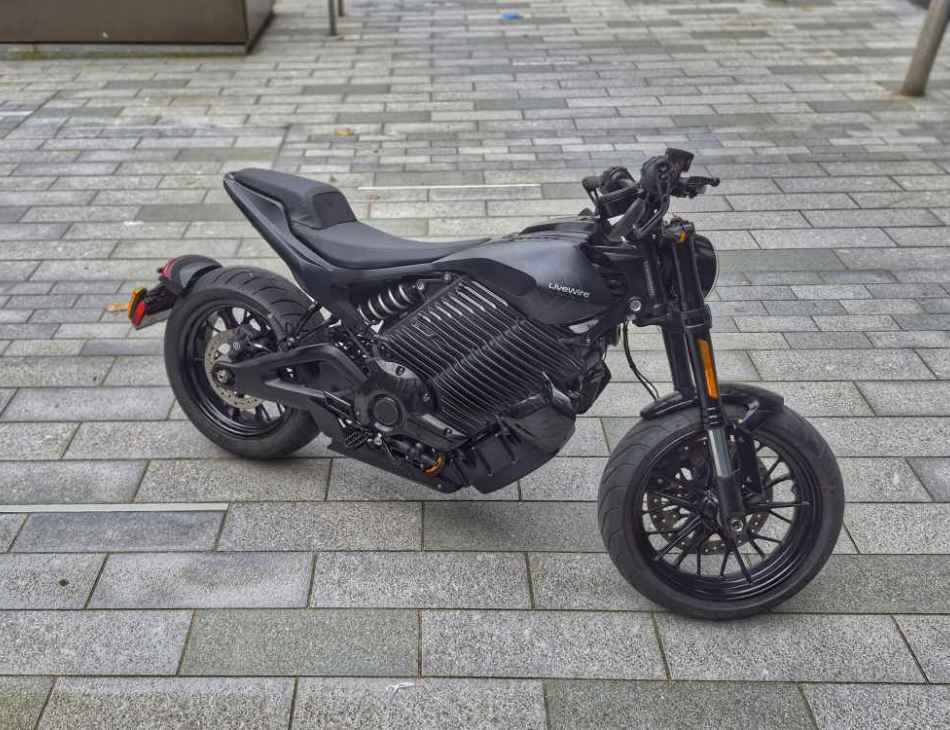
LiveWire S2 Alpinista
The emergence of the LiveWire brand as a standalone vanguard of electric performance is a shift that demands the attention of any serious rider. For years, the project incubated within the hallowed, petrol-soaked halls of Harley-Davidson, a bold experiment by the Milwaukee giant to capture the future. Yet to truly thrive, it needed to shed its heritage shackles. Now operating as a fiercely independent, publicly traded entity, LiveWire has spent the last few years proving it can build machines with its own distinct soul.
The arrival of the new S2 Alpinista doesn't just tap into the promise of a quiet future; it delivers a visceral, high-torque shock to the system. This isn't merely an alternative to internal combustion; it is a meticulously engineered street weapon, and frankly, it is pure, unadulterated fun.
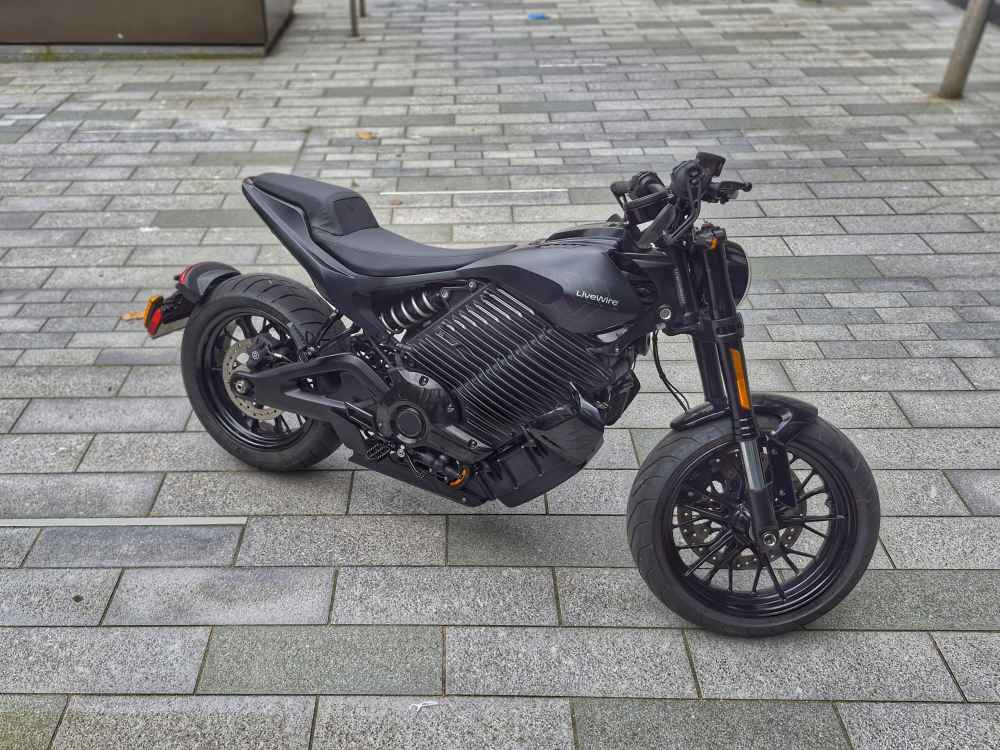
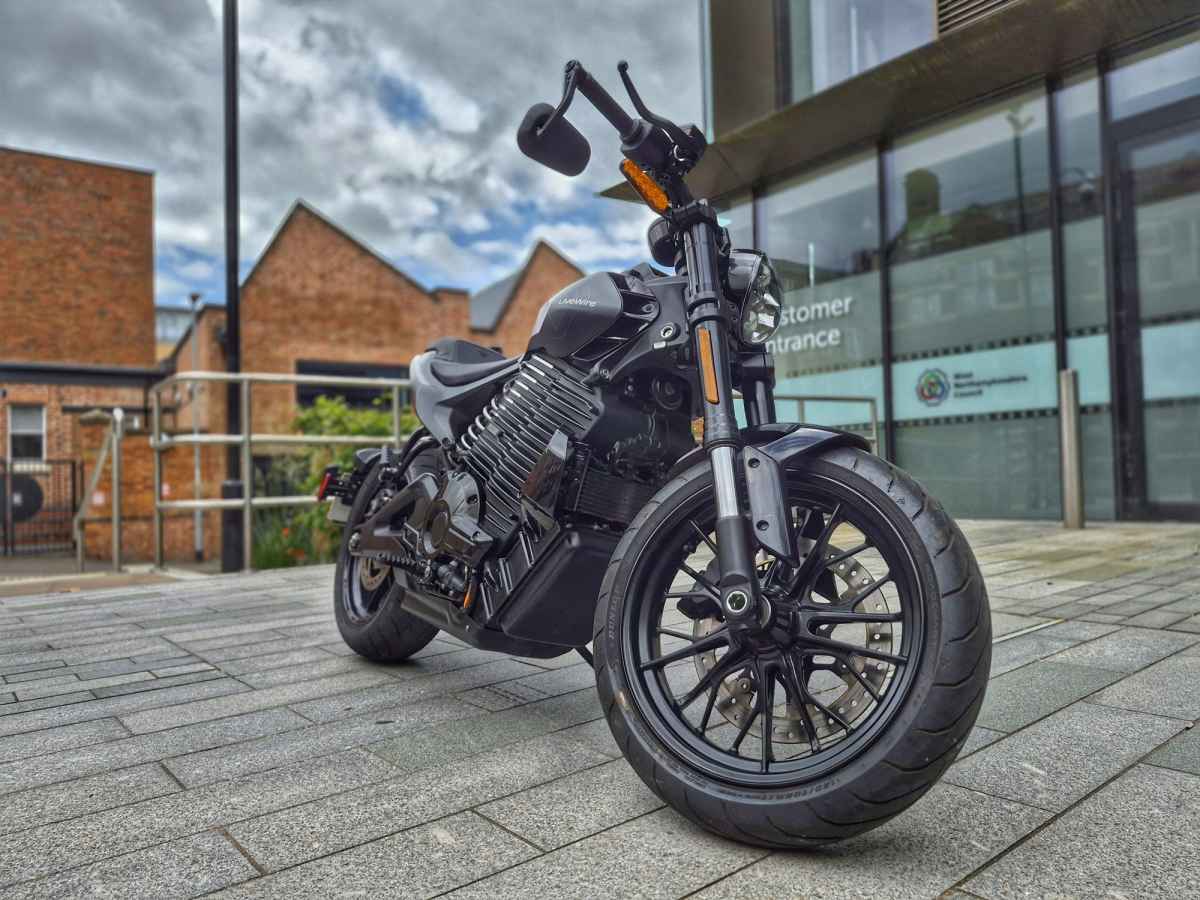
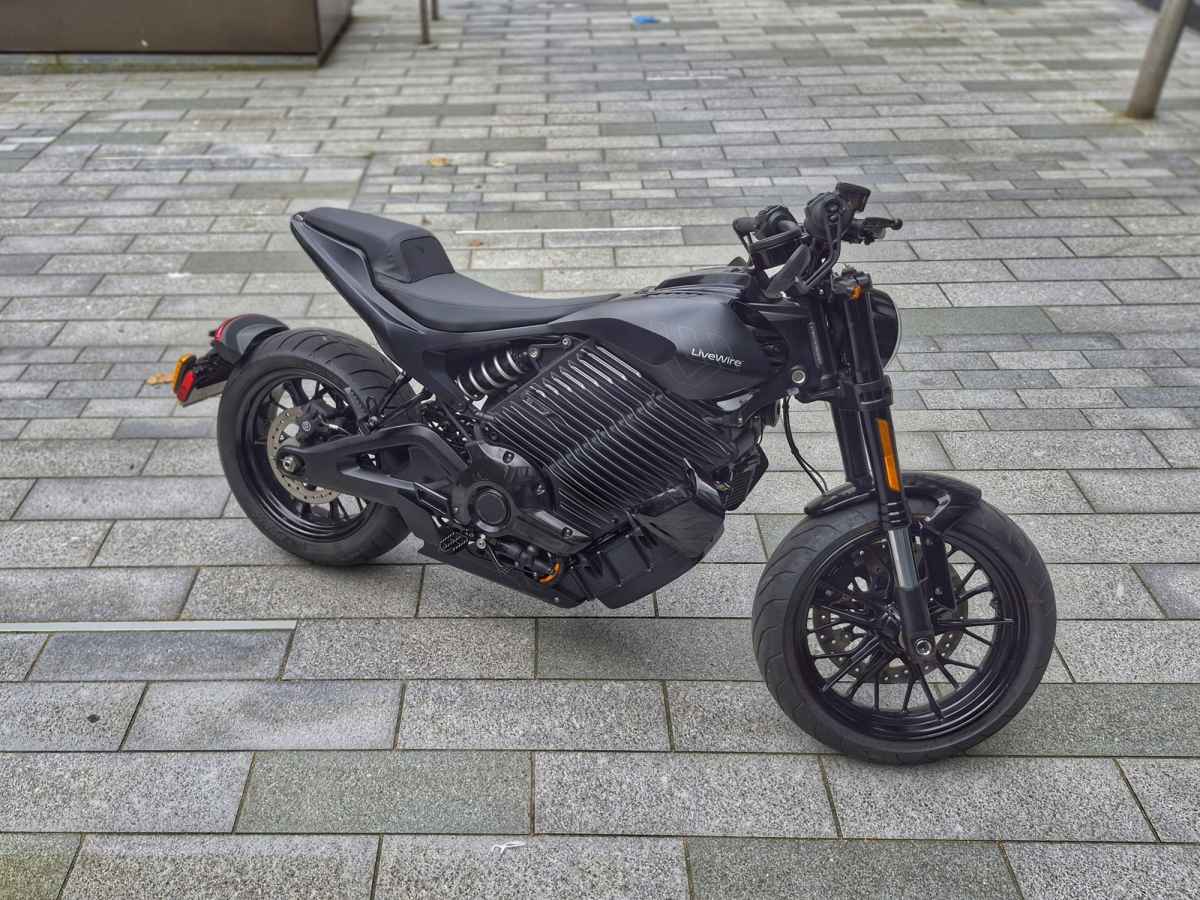
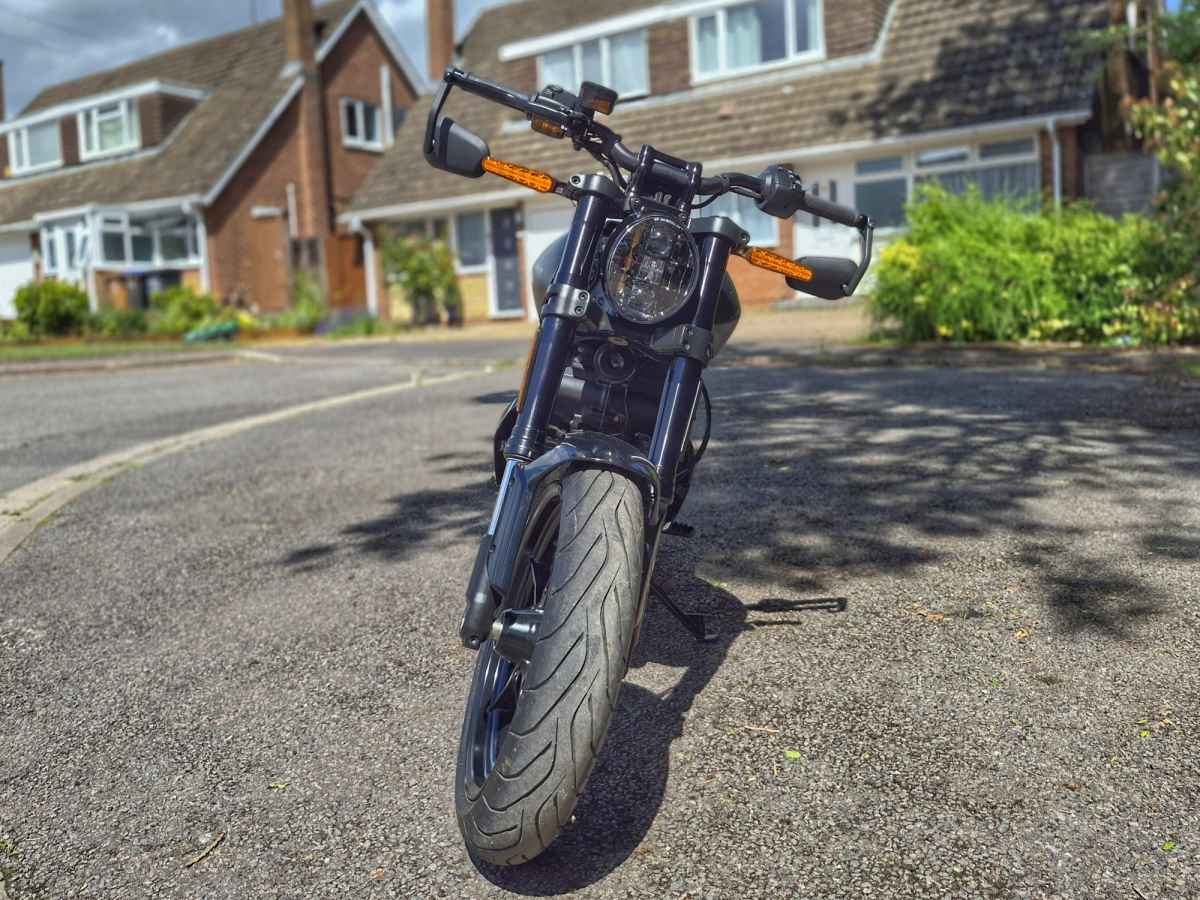
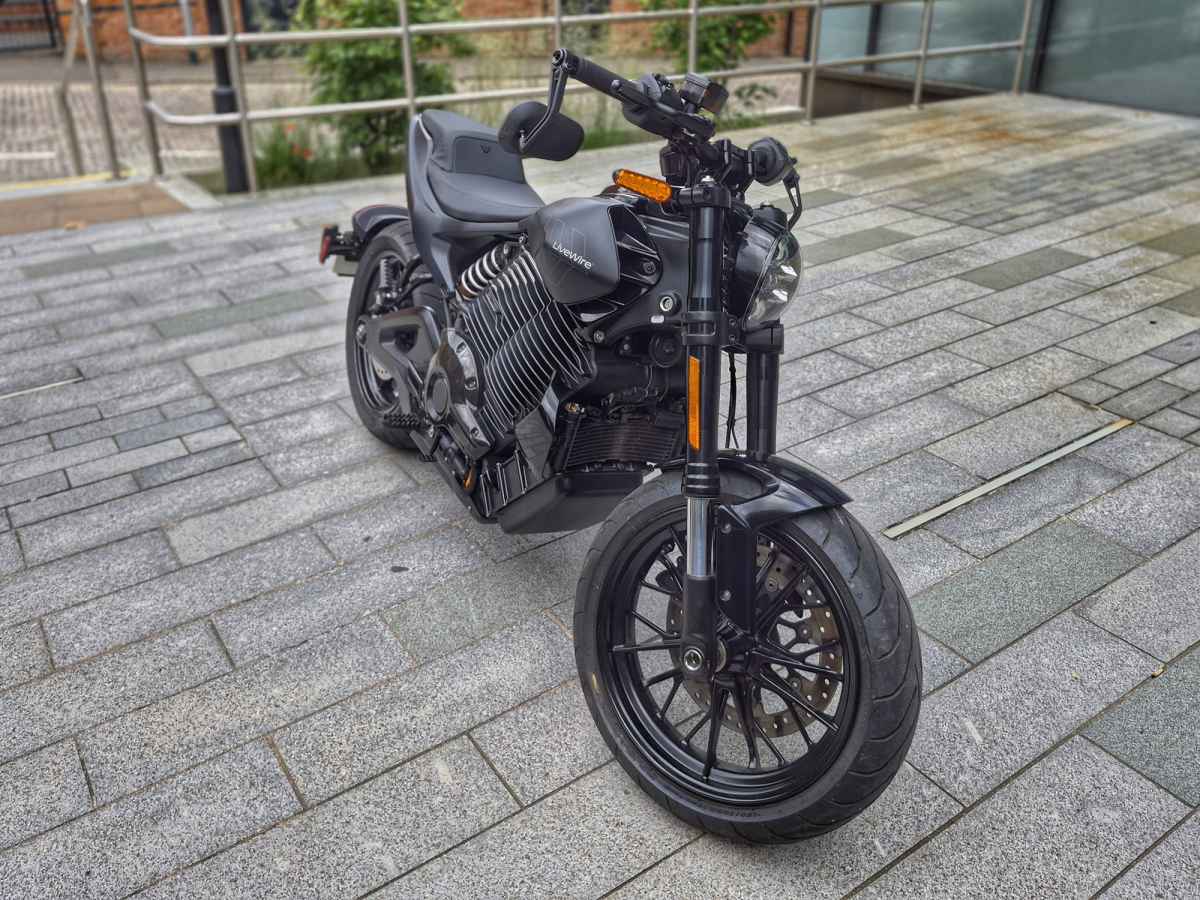
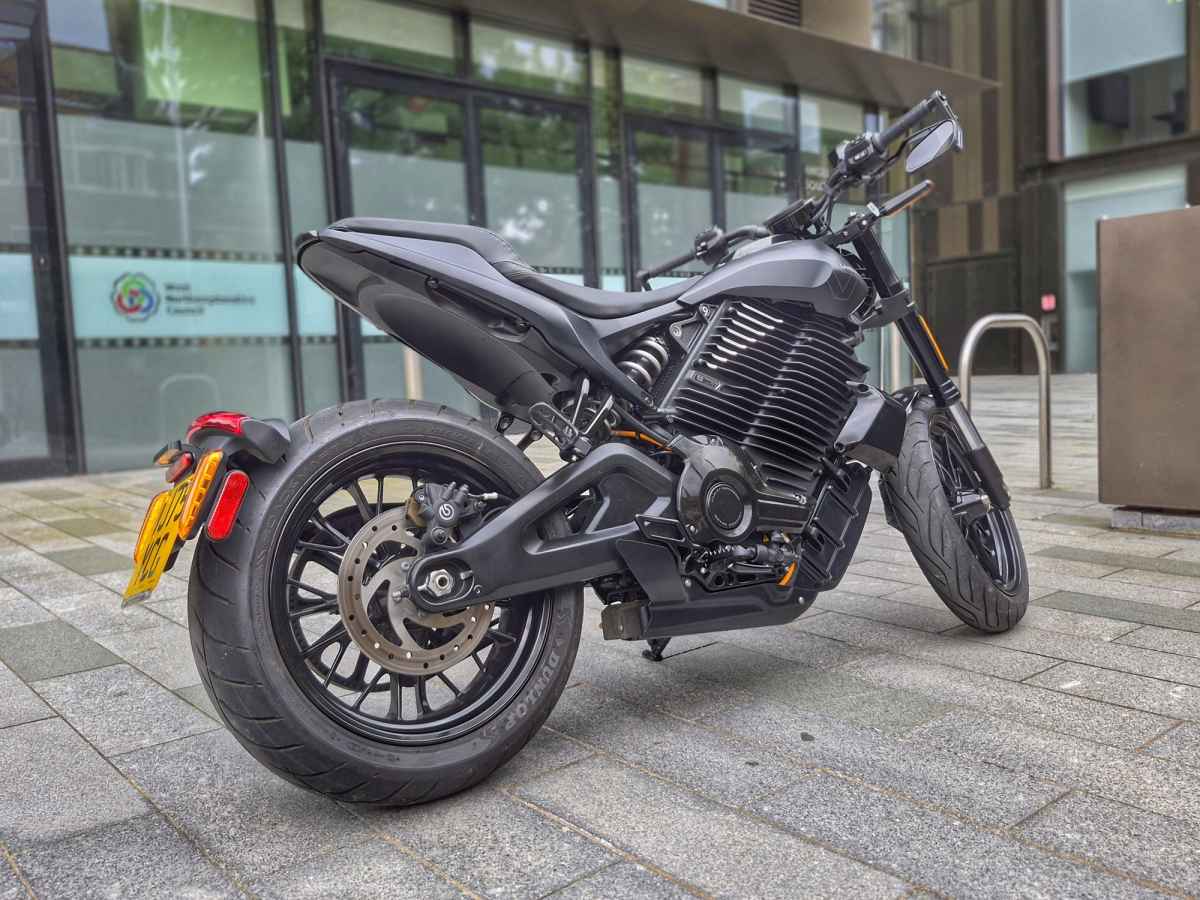
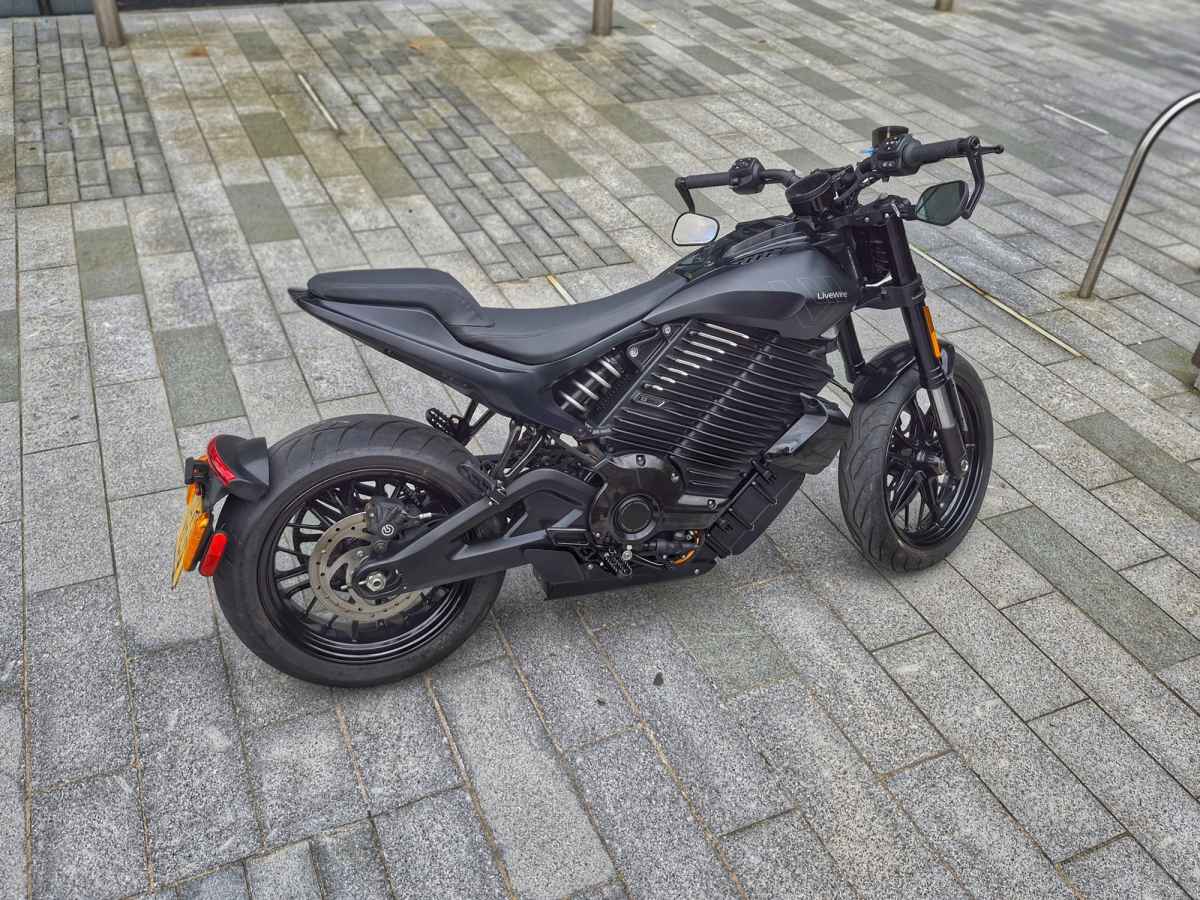
At first glance, the Alpinista broadcasts an air of inherent exclusivity. LiveWire's design ethos here is a masterclass in controlled minimalism: an aggressive, stripped-back flat-track crossed with supermoto aesthetic that serves to accentuate the brute, finned architectural battery block caged at its core. This is a design philosophy that transcends mere utility, boldly stepping into the realm of kinetic sculpture.
The signature Glacier Silver finish of our press bike offers a brooding, sophisticated backdrop, artfully punctuated by the exposed, structural lines of the modular "Arrow" monocoque platform. There is an undeniable premium feel to the build quality; the casting of the central powertrain chassis is flawless, the wiring is meticulously tucked away, and the switchgear feels robust and tactile. Settle into the seat, and you feel instantly at home, at one with the machine. The ergonomics are weighted and positioned with intentional precision that invites confidence, placing you over a low, flat handlebar that begs to be muscled into corners.
The heart of the Alpinista is its liquid-cooled internal permanent magnet motor. This silent powerhouse delivers a potent 84 horsepower (63 kW) and a monumental 194 lb-ft (263 Nm) of torque from a dead stop. The acceleration is genuinely shocking, particularly when on the move. Overtaking cars at speed is effortless. You can be cruising at 50-60 mph, decide to overtake, and with a twist of the throttle, you’re past. It seems to accelerate as fast at 50 mph as it does pulling away from the lights. There can’t be many bikes that could stick with this on the move; acceleration is brutal.
Without a clutch or gearbox to negotiate, the power delivery is a deep, uninterrupted well of immediate energy. It transitions from a quiet urban walking pace to licence-losing velocities in the blink of an eye. 0-60 mph takes just 3.0 seconds. It is an effortless surge of acceleration that feels as reassuring on a high-speed sweeping bend as it is utterly exhilarating on a challenging backroad blast.
The core architecture is anchored by a supremely sophisticated and capable chassis: fully adjustable 43 mm Showa inverted cartridge forks up front, perfectly complemented by a progressive-linkage Showa rear monoshock. The resulting ride quality is superb. The bike is sharp, frisky, and feels utterly alive. I felt instantly at home. The riding position is a bit more upright, with a relatively low seat of just 792 mm; it’s a comfortable place to be.
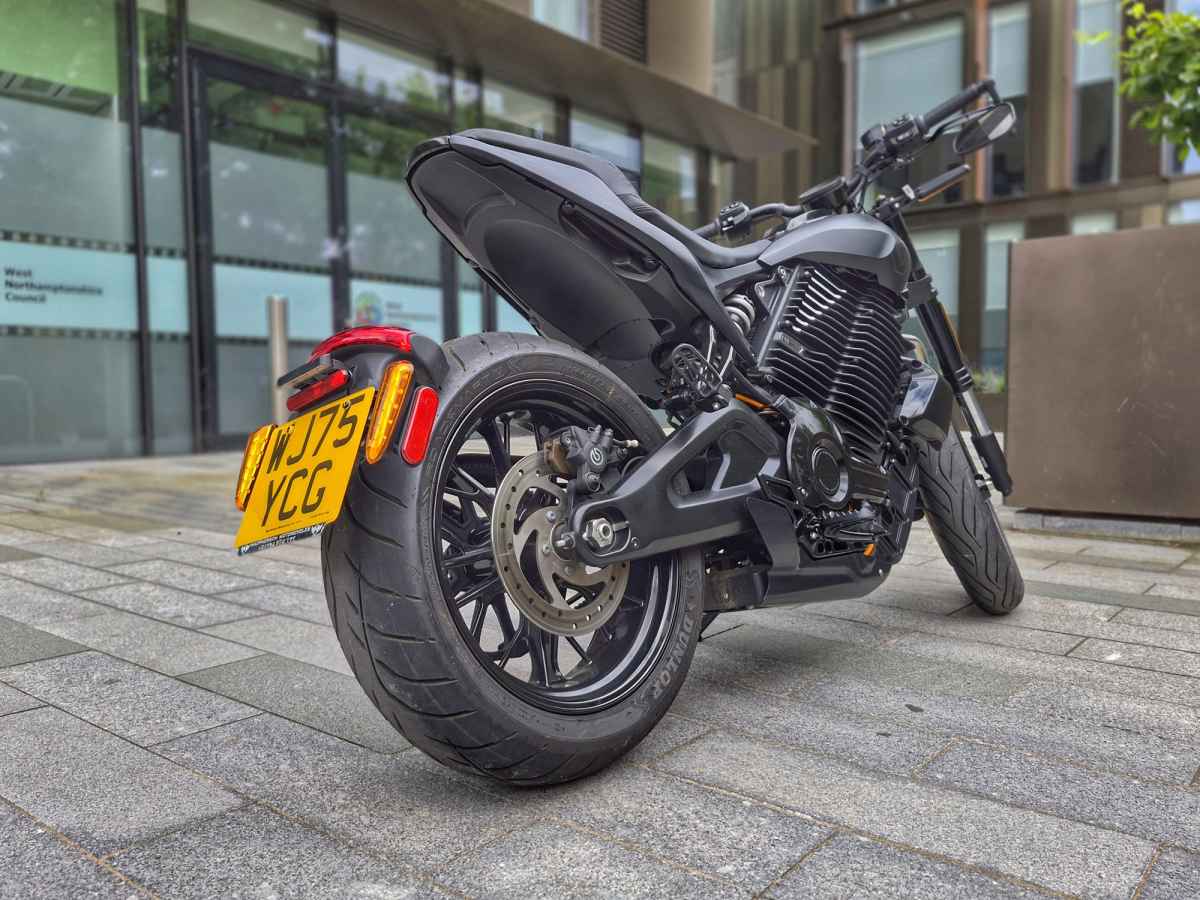
Cornering is elevated to an art form on its 17-inch ten-spoke cast aluminium wheels, wrapped in Dunlop RoadSmart IV tyres, which are dual compound and offer fast warm-up and good predictable grip and stability. The chassis is stable and communicates everything that is going on, with front-end feel that inspires enormous confidence, creating an overall package that just begs to play. The pegs are narrow, and with such a good chassis, I found the limiting factor was when my toes touched down, which was before the bike got to the edge of the tyre.
This is further enhanced by the fantastic stopping power delivered by top-tier Brembo M4.32 monoblock radial front brake callipers, offering phenomenal deceleration with a highly progressive, predictable feel at the lever. It actually only has a single front disc, but man, this bike stops well, and I had no issues with brake fade.
When discussing any electric motorcycle, the conversation inevitably sharpens around two crucial, interconnected realities: how far can you go? and how quickly can you charge it? With the S2 Alpinista, LiveWire has packaged its 10.5 kWh nominal high-voltage battery into a structural frame that behaves beautifully on the road, but demands a calculated understanding of consumption. At this point it’s easy to berate electric bikes and talk about how impractical they are, but let's just calm down and put this in perspective.
Electric propulsion is notoriously different to internal combustion: it drinks energy on the open highway and sips it in dense urban corridors. If your riding consists of slicing through city congestion, exploiting the bike’s lithe dimensions and frequent regenerative braking opportunities, LiveWire claims a highly usable 120 miles of city range.
Open the throttle on a sweeping backroad or a high-speed dual carriageway, however, and wind resistance fights the battery directly. On a sustained dual carriageway run, that range drops to 71 miles. For a spirited weekend loop that blends technical twisties with brief transit stages, a realistic, real-world combined range sits right around 89 miles, plenty for a morning scratch, but a figure that requires you to plan your stops with judicious precision if you intend to venture further afield.
In reality, I found it to be around 60 miles for a fast blast of mixed riding, but riding hard. You could no doubt get 100 miles out of it if you trickle around town, but what have a bike this fast, and ride it that slow?
When it comes to replenishment, the Alpinista bypasses heavy, automotive-grade DC fast-charging hardware to keep its kerb weight down to 197 kg. Instead, it relies on an onboard charger operating through a Type 2 port, giving you two distinct operational strategies:
Level 2 (Public AC / Home Wallbox): Hooked up to a standard 240V public charging post or a dedicated home wallbox, the Alpinista will replenish from 20% to 80% in 78 minutes, or fetch a complete 0–100% top-up in 142 minutes. It is the perfect duration for a pub lunch or a decent coffee stop while you map out the next leg of asphalt.
Level 1 (Domestic Wall Socket): If you are plugging into a standard domestic three-pin household socket overnight or at the office, the included charger core does the heavy lifting with remarkable efficiency, demanding just 4.5 hours for a full 0–100% charge.
The Alpinista is seamlessly supported by a sophisticated electronics package governed by a 6-axis IMU. The digital throttle ensures crisp, surgical control, complemented by an extensive suite of modern rider aids, including Cornering Enhanced ABS (C-ABS) and Traction Control (C-TCS). The rider can instantly tailor the experience via multiple ride modes, while a highly intuitive Roll-Forward Regen system allows you to actively dial in maximum braking deceleration just by twisting the throttle forward.
In terms of everyday practicalities, the Alpinista is remarkably easy to live with. With a low seat height of just 792 mm and that sub-200 kg kerb weight, it feels small, narrow, and light when you swing a leg over. Out on the road, however, it is sharp and supremely capable, rewarding enthusiastic riding to the point where it truly feels like the rest of the world is moving in slow motion. With no gears and that massive torque, not much can stay with you up to about 80-90 mph.
Ok, so I can hear all the detractors saying it’s not a viable alternative to whatever bike you have now, and you’re probably right. 60+ mile range and several hours to charge isn’t acceptable when you’re out all day with your mates. I don’t think that’s what the Alpinista bike is about. I think it is a second or third luxury bike in the garage, in the way some drivers have a weekday family car and a weekend plaything.
If your commute is less than 60 miles, you could certainly ride to work, arriving with a smile on your face, charge up at work and enjoy the ride home. If you live in a sprawling city, this is the perfect bike. It’s fast, lithe, great handling and cool. In a blast across town, this is hard to beat.
What about rivals? You could argue that in terms of petrol benchmarks: Mainstream favourites like the Yamaha MT-07, Suzuki GSX-S8, and Honda Hornet 750 perhaps. Electric Rivals: Premium commuter options like the Zero S/SR line or the Honda WN7.
The petrol bikes have range and convenience on their side, but none get even close to the torque of the LiveWire. The electric bikes are more complicated, with the Zero SR/F making more power, having better range and charging faster, but costing £8,500 more. The Honda WN7 makes less power and has less range, and is £1400 more than the LiveWire.
Who is this bike aimed at? By lowering the entry price significantly compared to the original flagship LiveWire One, they have shifted their customer base strategy:
The Tech-Forward Rider: Moving away from traditional, older Harley-Davidson loyalists, the Alpinista targets a younger, tech-focused demographic that appreciates Over-The-Air (OTA) updates, app-integrated navigation, and silent, high-torque performance.
The "Fun-First" Short-Distance Rider: With around 60-70 fast road miles and around 100 city miles, LiveWire is obviously not targeting long-distance cross-country tourers. They are looking at riders who value a lightweight, nimble 197 kg (433 lbs) platform for pure, concentrated bursts of riding thrill rather than massive range.
It’s easy to criticise, but in certain usage cases, this is very hard to beat. If you want to find out for yourself, I would urge you to contact your local dealer and arrange a test ride. You just might like it.
- Power: 84 horsepower (63 kW)
- Torque: 194 lb-ft (263 Nm ) of torque.
- Range: 120 miles (city) / 89 miles (combined) / 71 miles (55 mph sustained).
- Wheel Size: 17-inch cast aluminium wheels front and rear.
- Brakes: Single 320mm front disc with a 4-piston Brembo M4.32 calliper, a single-piston Brembo rear calliper, and Cornering ABS (C-ABS).
- Tyres: Dunlop RoadSmart IV (Front: 120/70 ZR17, Rear: 180/55 R17).
- Weight: 434 lbs (196.8 kg) curb weight.
- Charging Time: 78 minutes for 20% to 80% on a Level 2 charger (142 minutes for 0% to 100%).
- Price - £11,690