
‘THE LOVAT LOCH NESS’ – A HOTEL DESCRIBED IN A SINGLE WORD
Some hotels carry a signature scent or striking design but rarer still is a place that cultivated its own word. Ramy James Salameh travelled to Fort Augustus in the Scottish Highlands to uncover the meaning of “Coftie” at The Lovat Loch Ness.
The Lovat
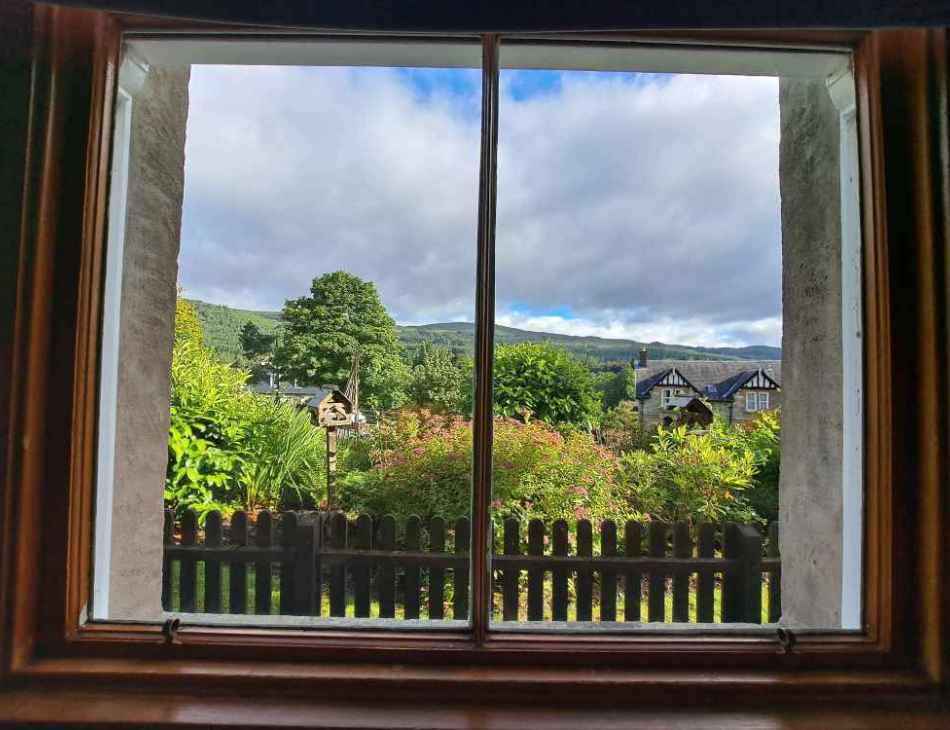
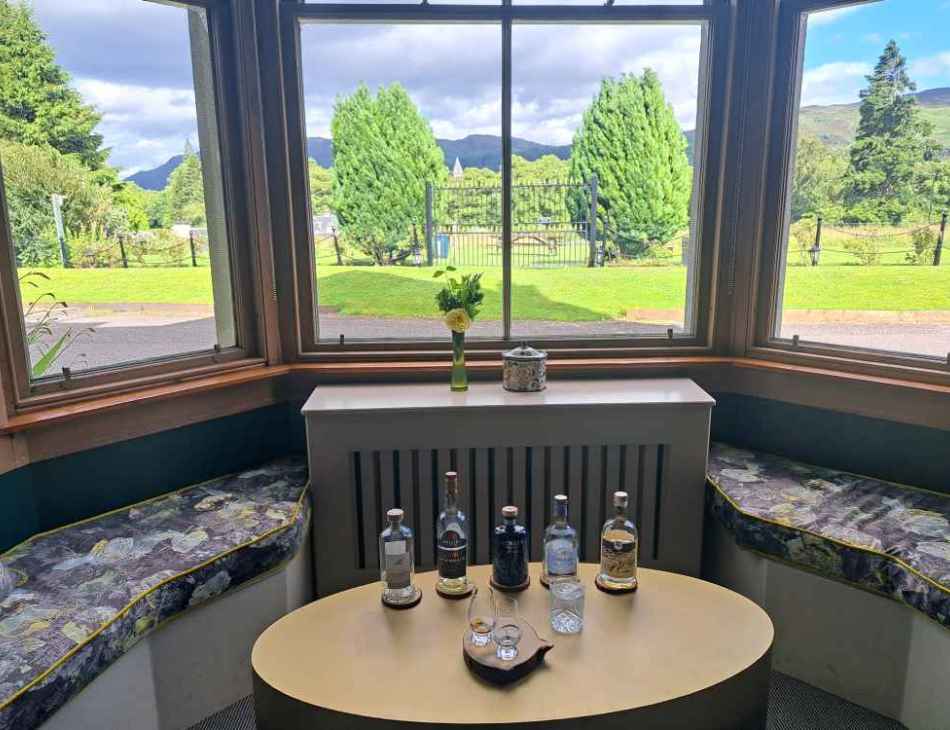
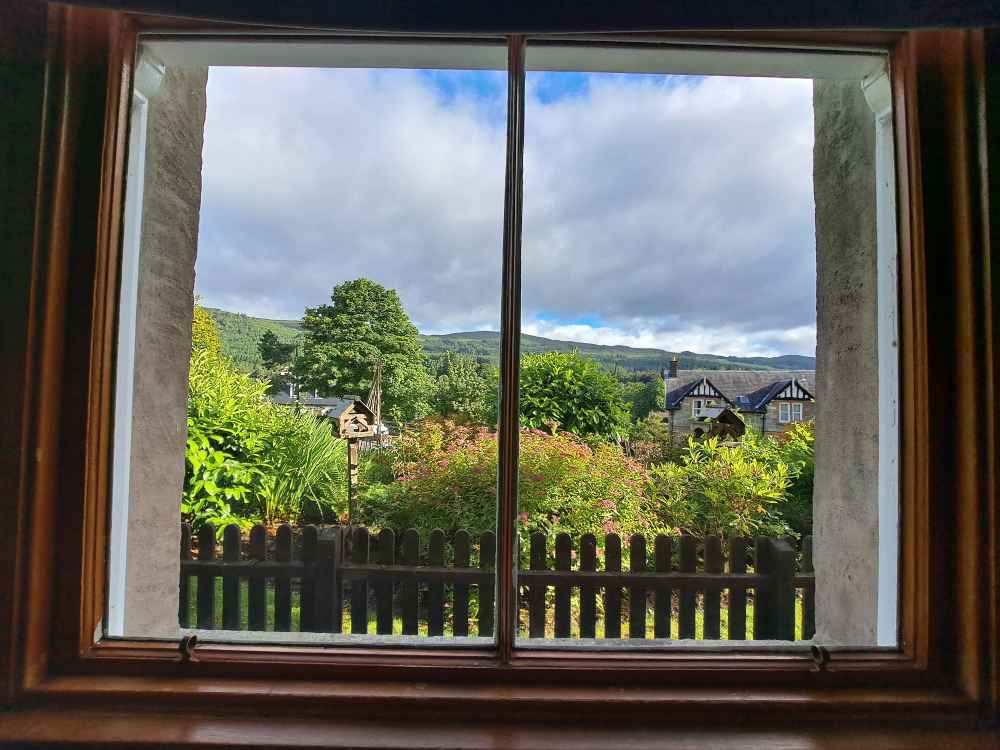
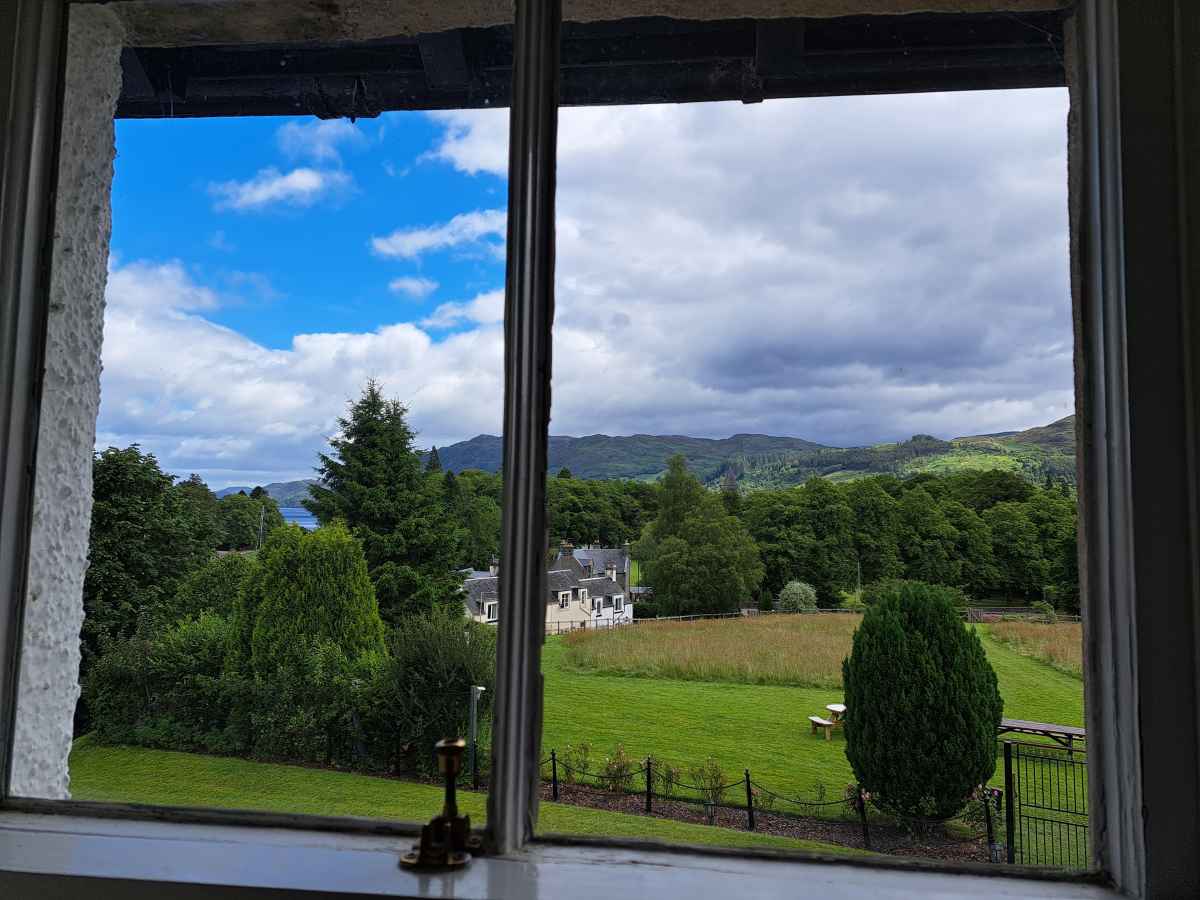
Ducks waddled passed the sash window, rabbits hopped across the lawn, whilst bees and butterflies traded places on the heads of flowering plants. In the far distance the dramatic Great Glen High Route, climbed steeply through ancient forests to open moorland, beckoning us towards them.
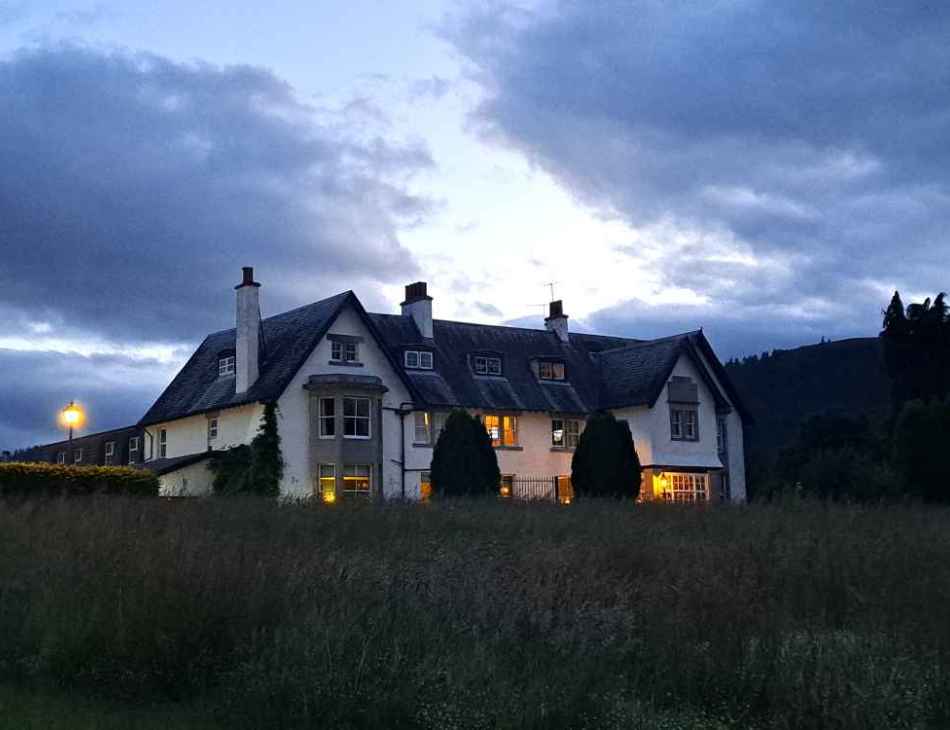
This was my daily view from the breakfast table of The Lovat Hotel in Fort Augustus, on the southwestern tip of Loch Ness. Like the hot toddy - infused with the hotel's own honey and served to new arrivals on check-in - it glimpsed at experiences which lay on both sides of the front door.
Guests are actively encouraged to find their 'Coftie’ moment during their stay; a singular adjective curated by the hotel where slow travel, sustainability and countless experiences all connect with one of the world's great landscapes.
Rooted in History and Nature
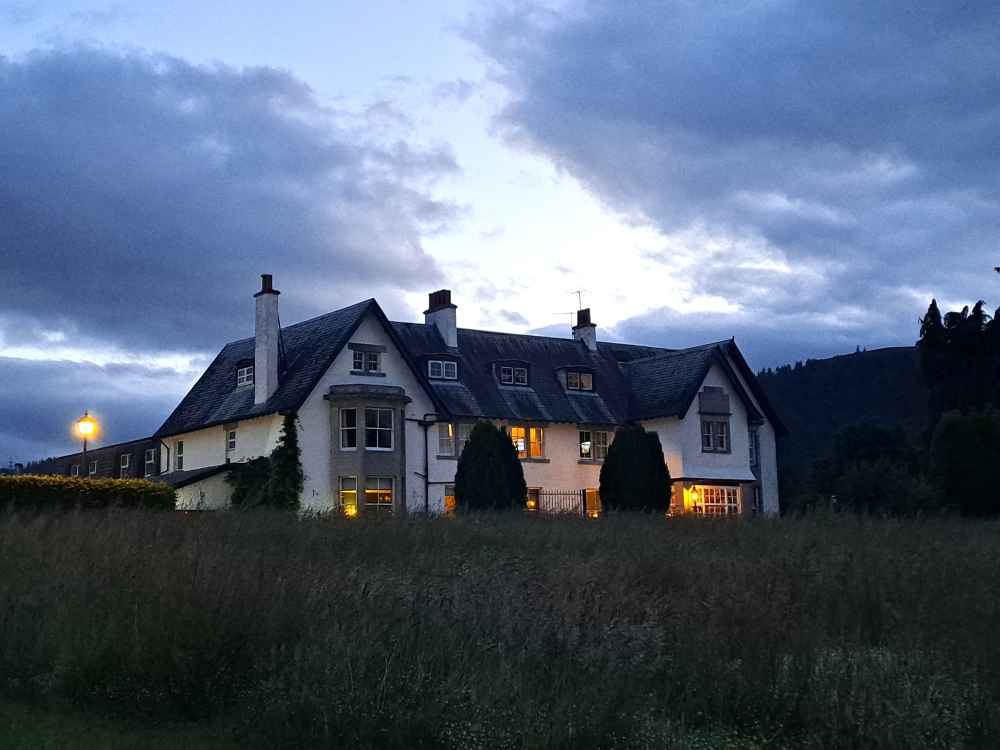
The Lovat has been a hotel since 1869, yet dig a little deeper and the property sits on the ancient foundations of ‘barracks’ built to house Hanoverian troops sent to suppress the rebellious Highlanders in the wake of the early-18th-century Jacobite uprisings.
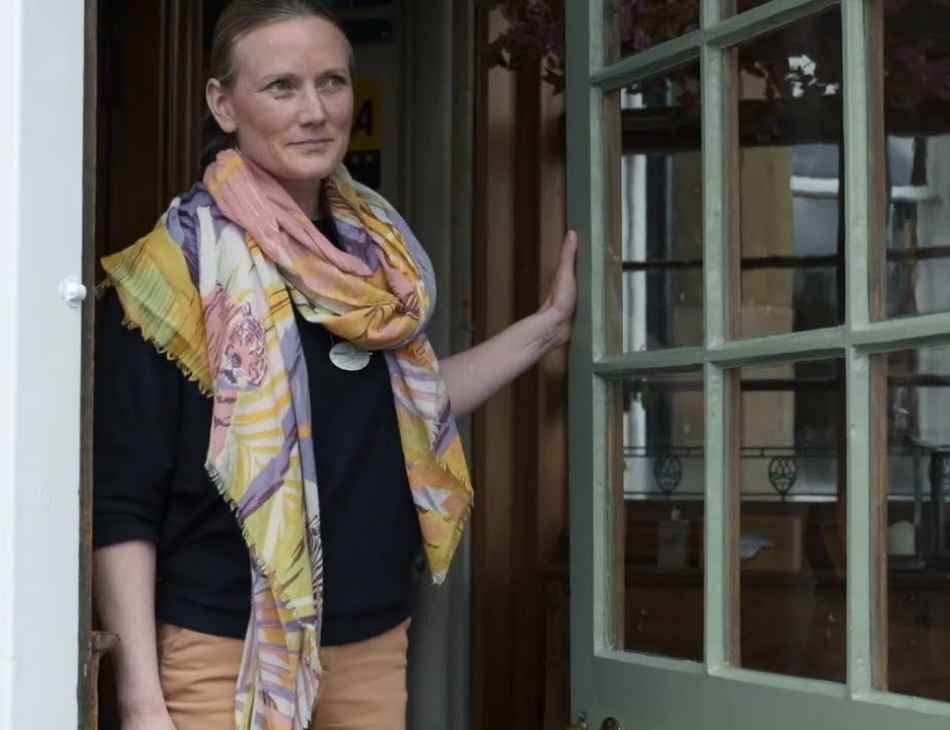
That’s why husband-and-wife team Caroline and Sean Kelly, see themselves as custodians as much as owners of The Lovat. Their love for the Highlands shines through via their fine-dining ‘Station Road Restaurant’ and the collection of activities available, all blending heritage, nature and the landscape beyond.
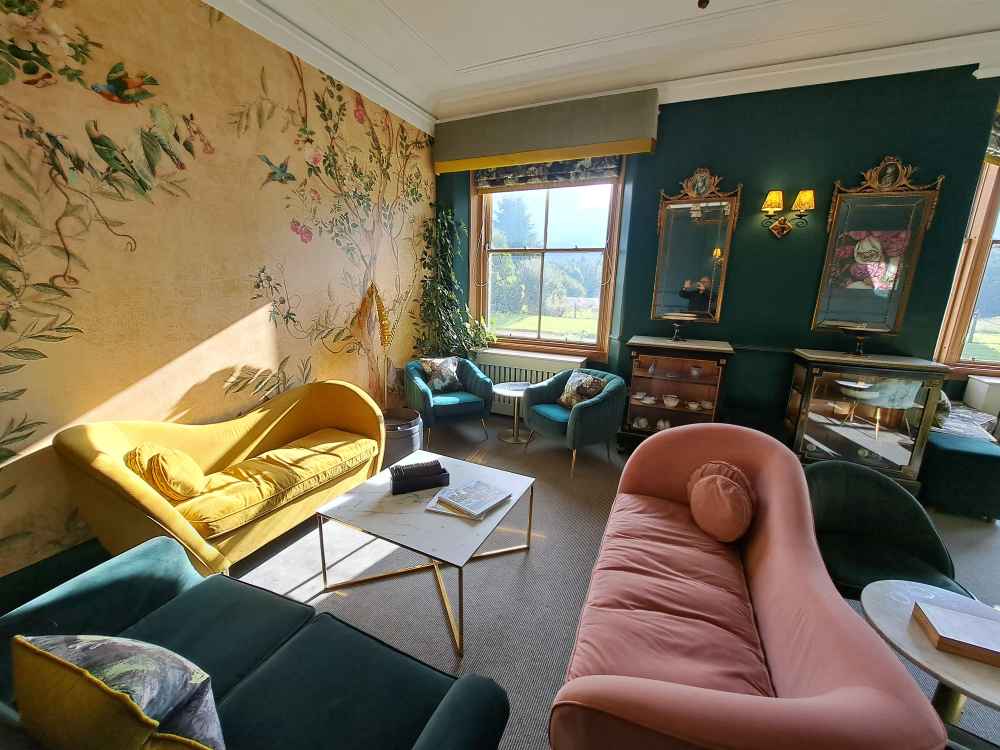
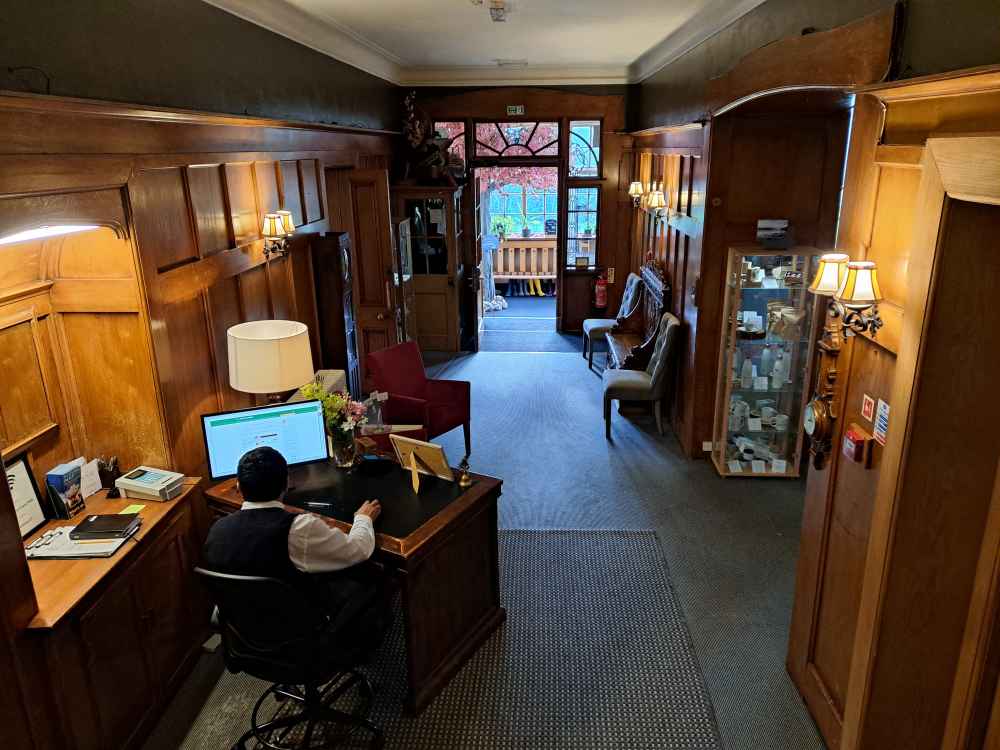
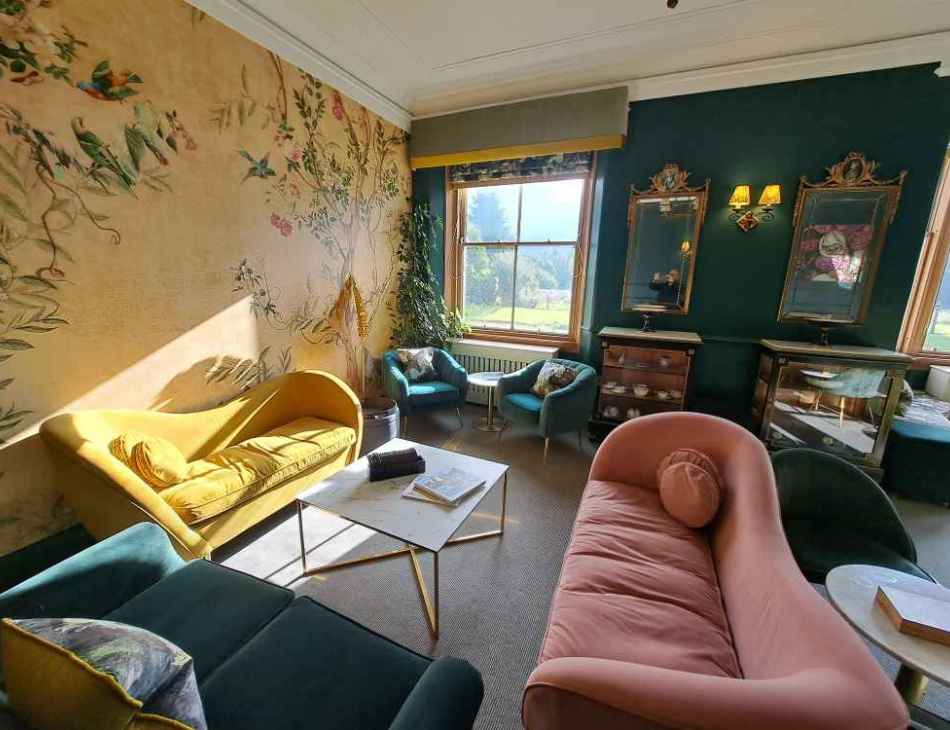
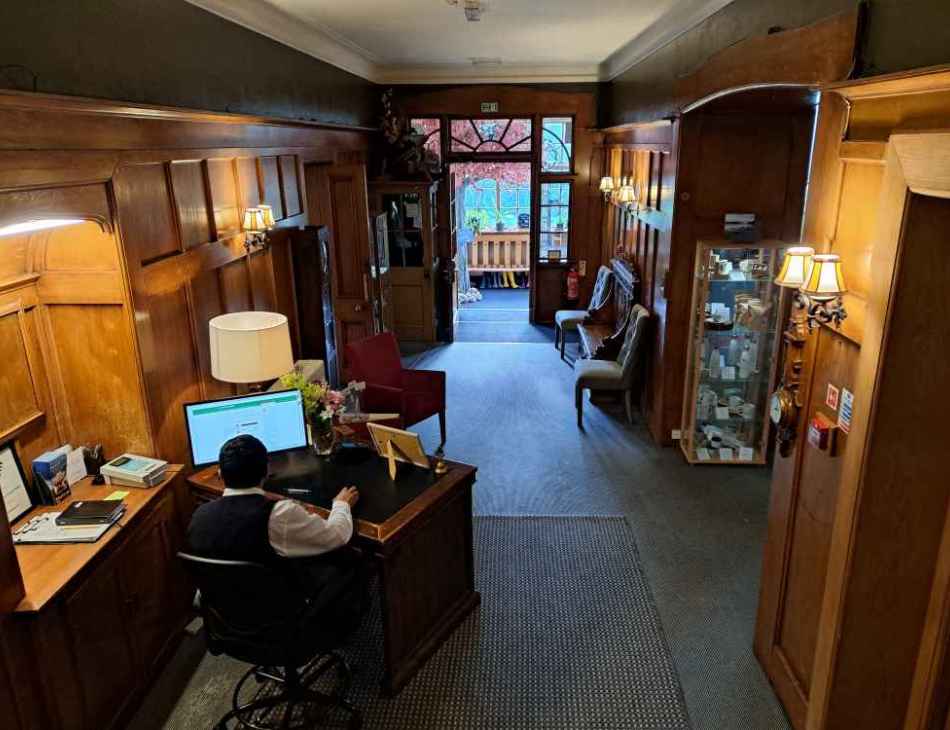
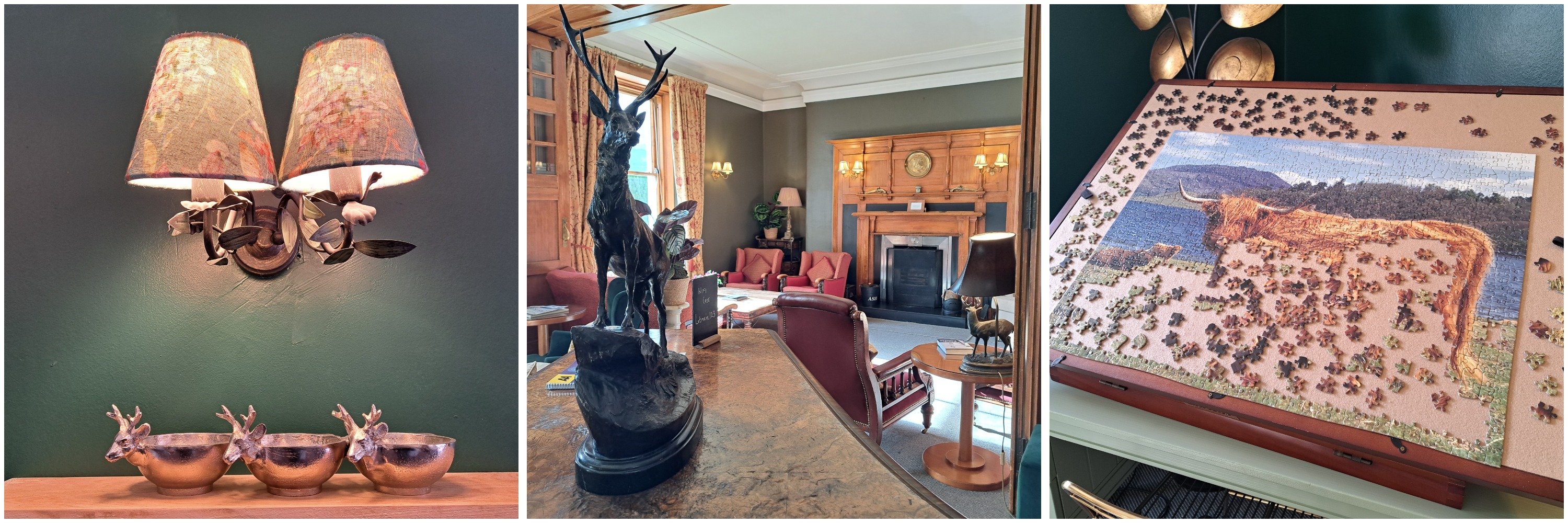
Stepping inside, over a century of guests have left their patina on everything from the wood-panelled lounge to the spiralling mahogany bannister leading up to the guest bedrooms, where the charm of Scottish country-estate lifestyle continues.
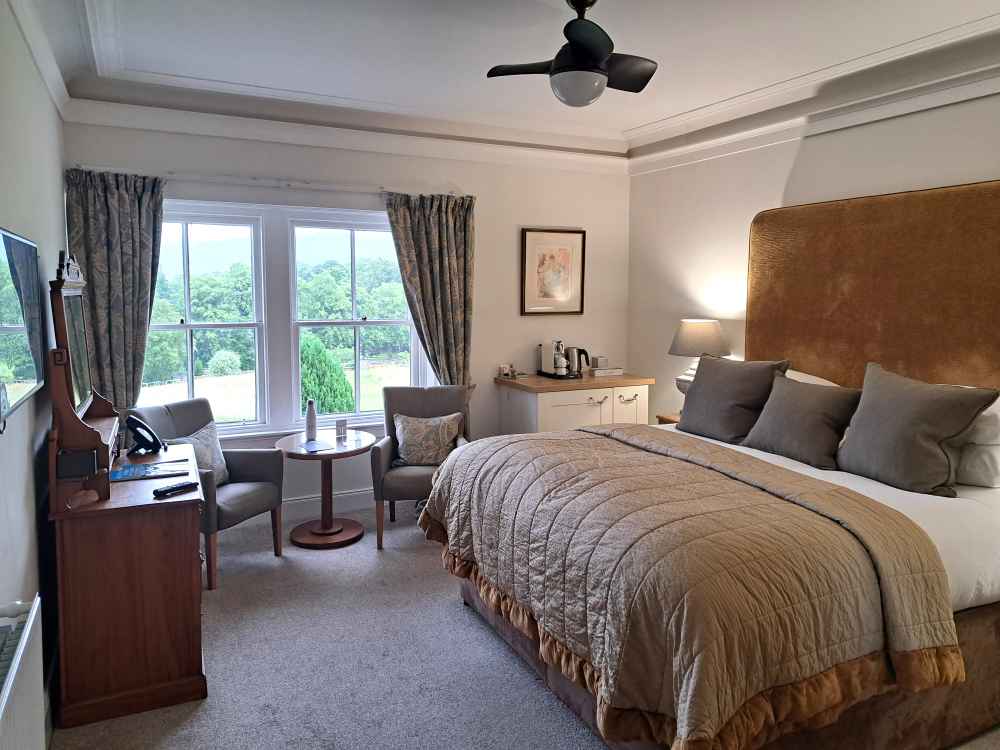
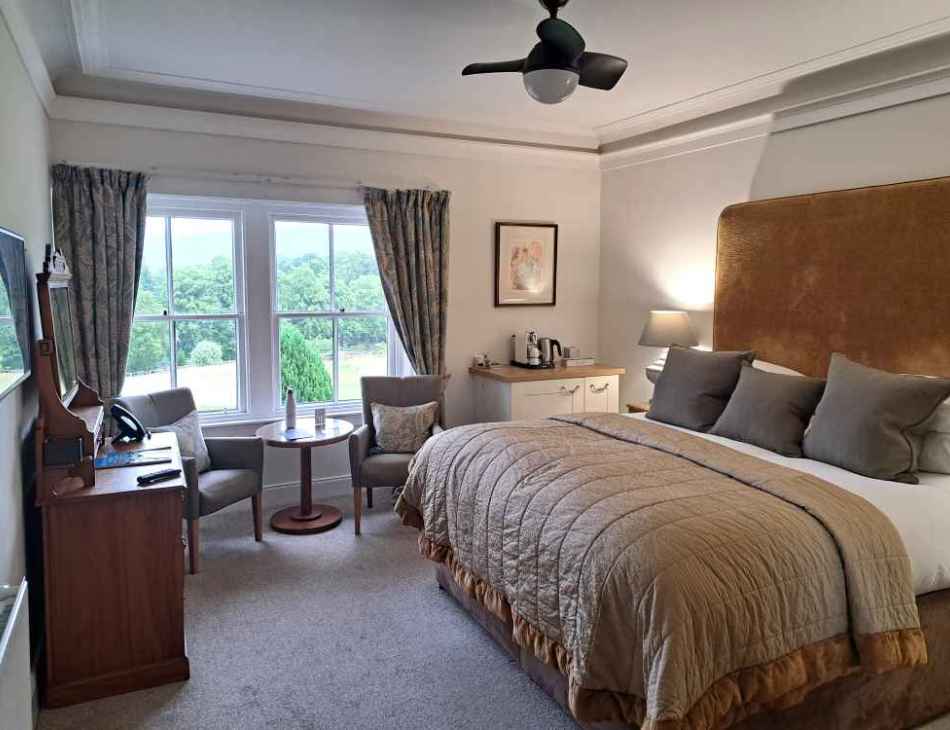
My room was spacious yet wonderfully cosy, with all the amenities required of a boutique hotel. Elegantly furnished – somewhere between farmstead and country house – and blessed with another mood-boosting view, looking-out upon the surrounding glen, an enticing slice of Loch Ness and the shadowy Benedictine Abbey hidden behind trees.
Into the wild
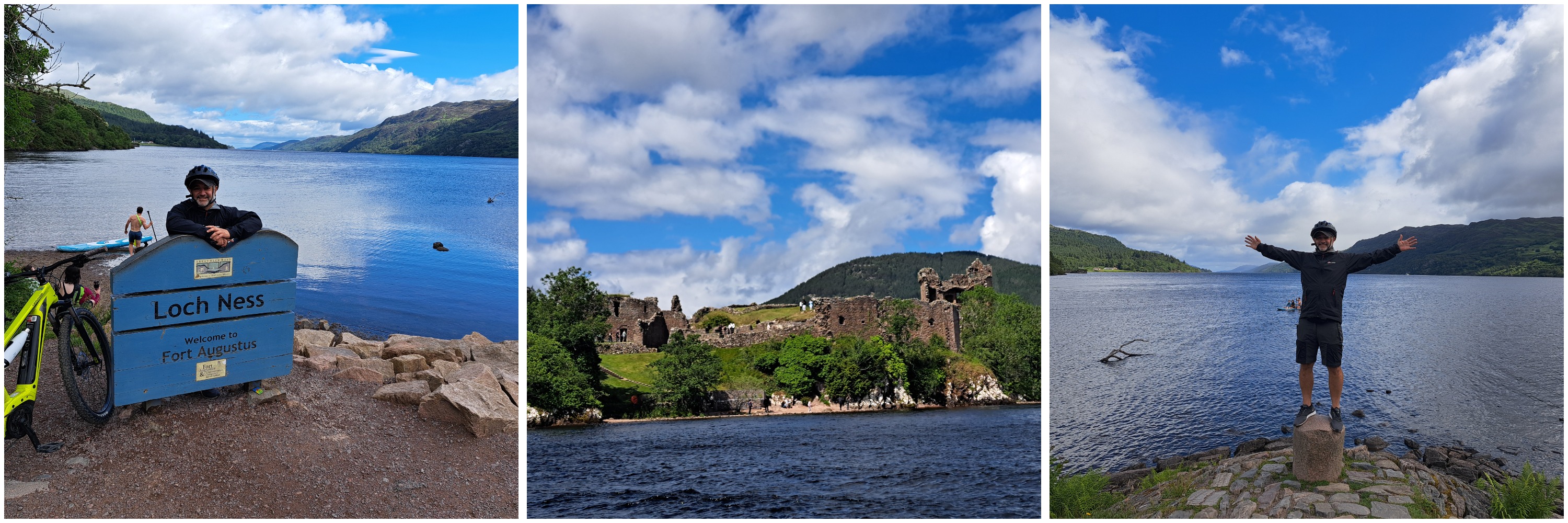
The hotel’s team are just as pleased to see you set off into nature as they are to welcome you back. Beyond their personal recommendations, the place is full of useful hints; a chalkboard in the entry porch advertises “Foraging tours with Kez” hanging above a row of wellington boots, whilst laminated hiking and cycling route plans are laid out across the grand piano, and outside there’s a bike store with several e-mountain bikes available to hire.
From our group, one couple set off for a 5km hike to the watery spectacle of ‘Lady Falls’, whilst the rest of us took to the saddle, for a ride beside the famous Caledonian Canal and out into the forests, where one might chance upon an antlered stag or a secluded viewpoint from where to look across the lake.
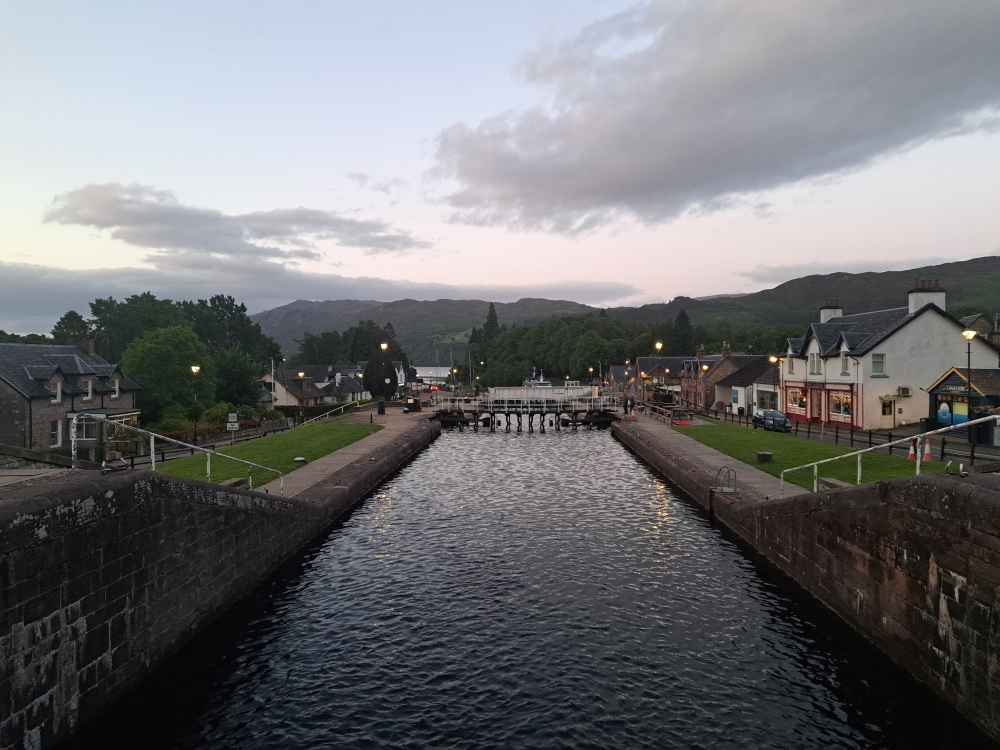
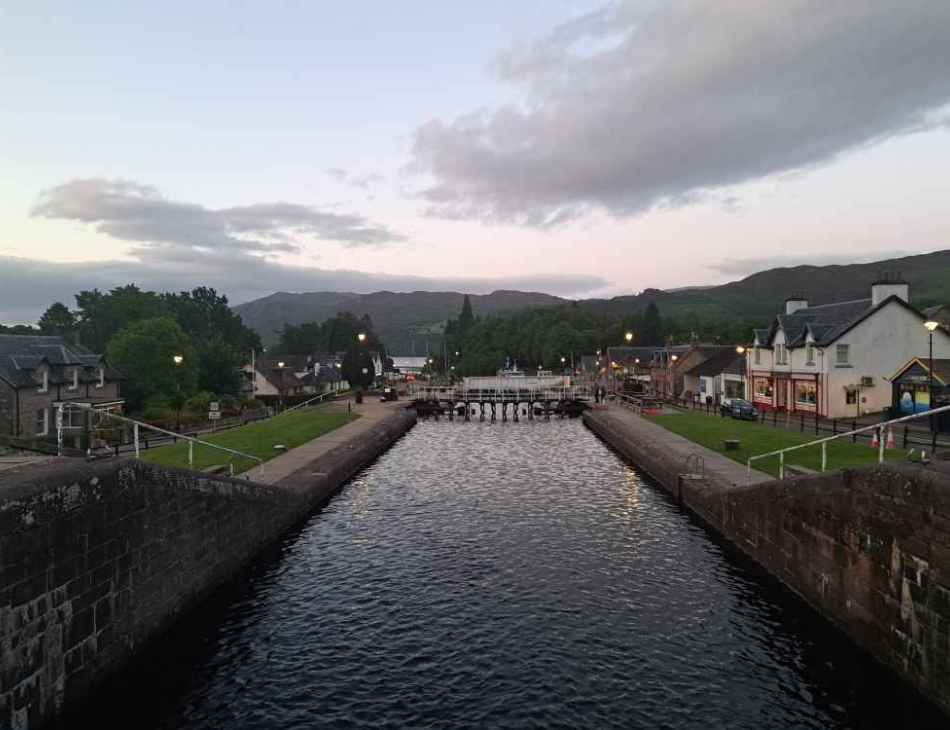
At the heart of the quaint and sleepy Fort Augustus, a staircase of five-interconnected locks is a show-stopper. This feat of engineering was designed and opened by Thomas Telford in 1822 and the historic village is awoken daily by international visitors, witnessing a queue of boats being raised and lowered, between the upper canal and the lower loch waters.
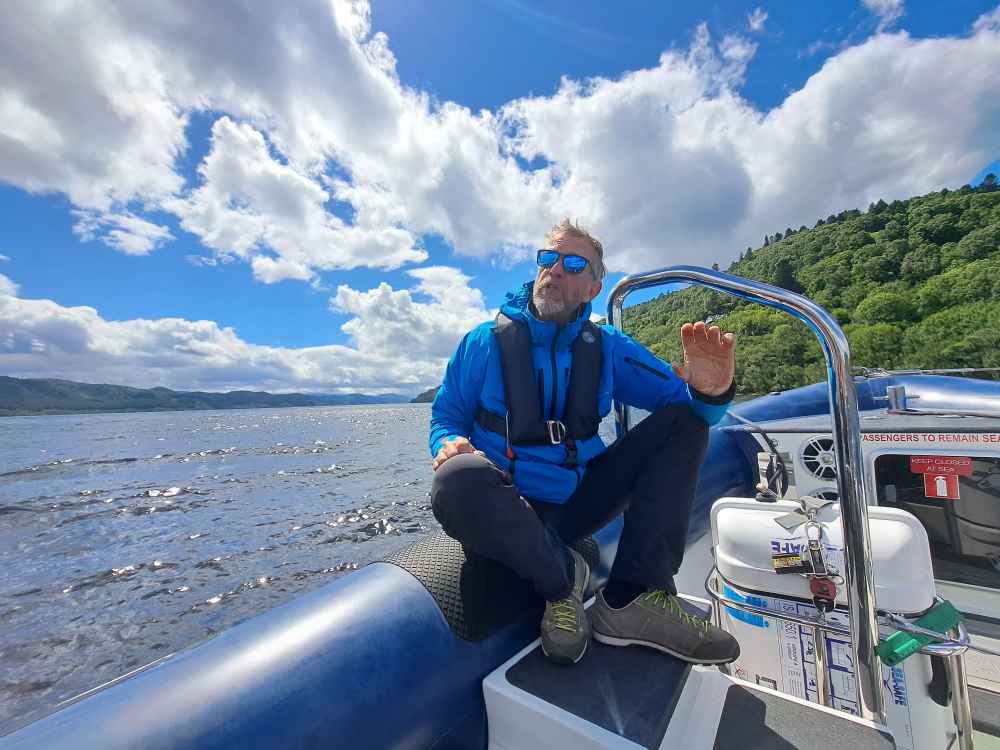
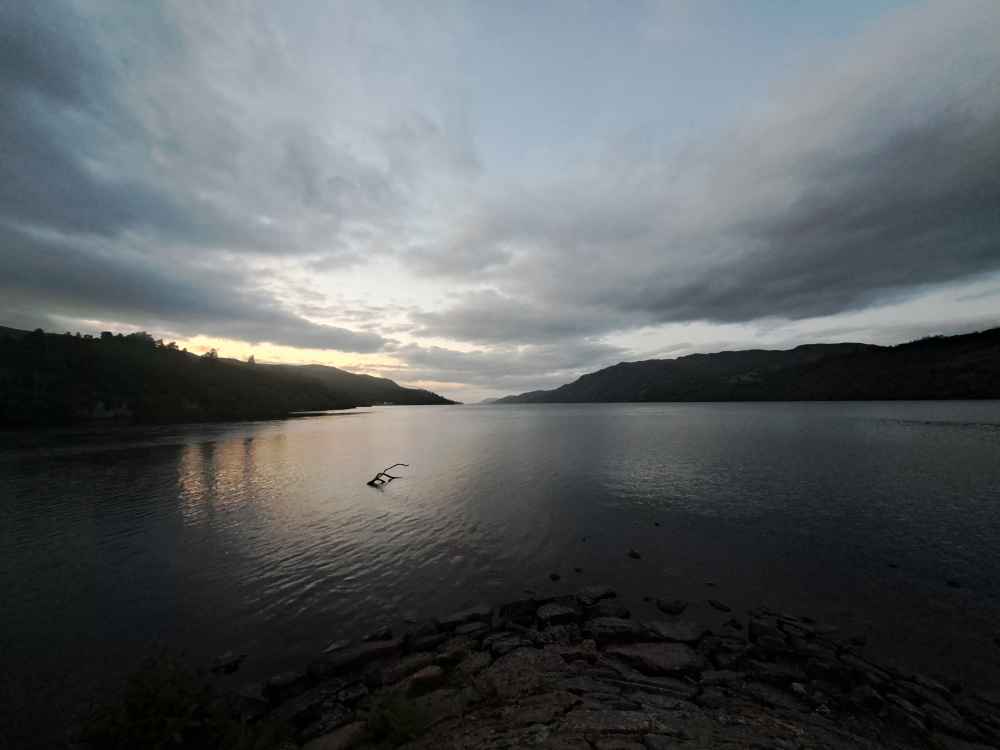
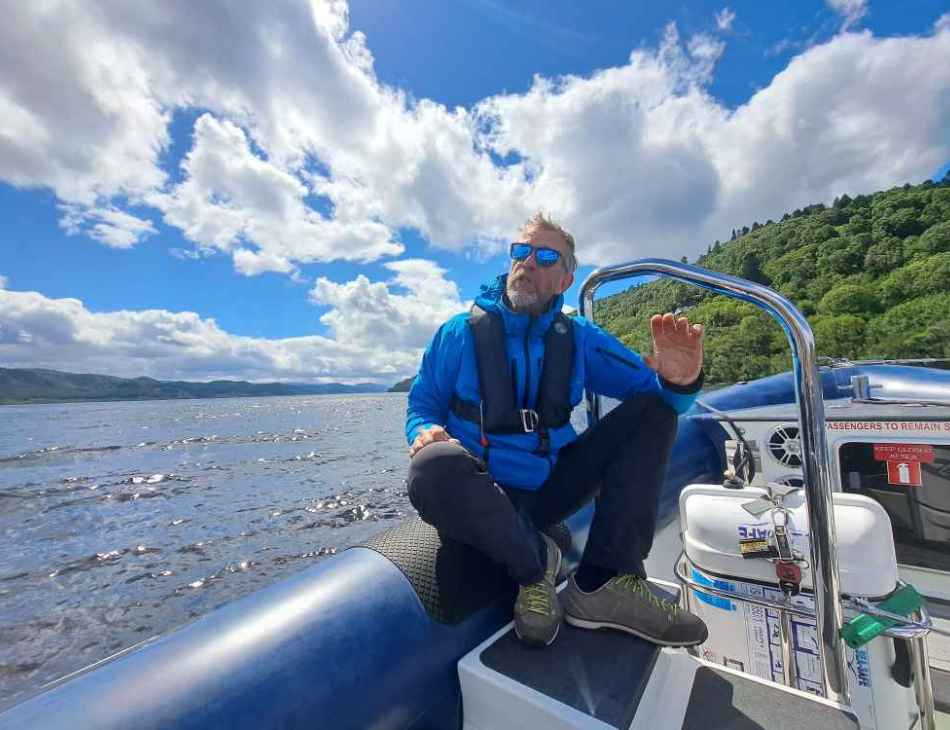
Yet, our most exhilarating experience still awaited. Hidden between two large Loch Ness Cruisers, a high-powered RIB (Rigid Inflatable Boat) would soon propel us across the vast waters; in fact Loch Ness is the largest body of fresh water in the UK. Fully crewed, we arced, zig-zagged and skimmed from one side of Loch to the next, buffeted by the headwinds, before decelerating to a standstill to discover its secrets and sites.
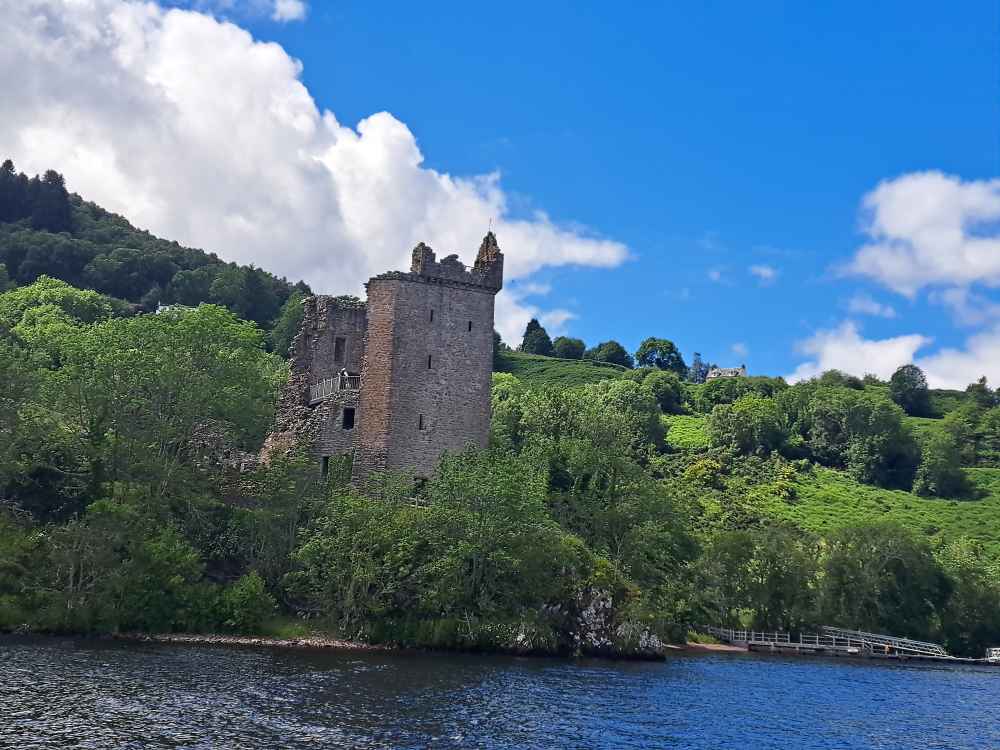
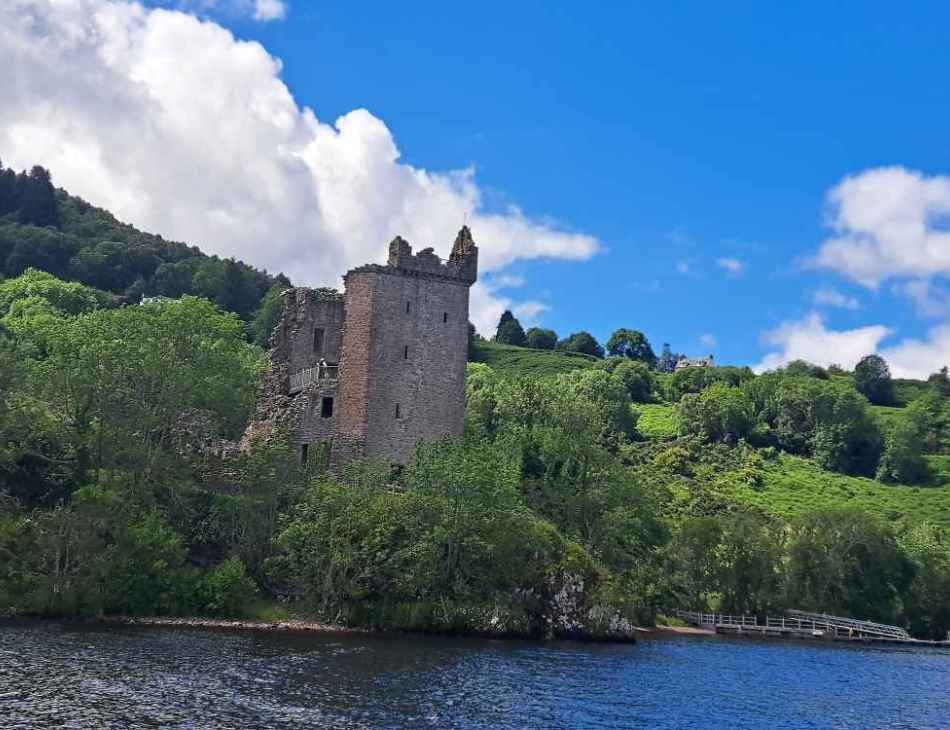
We peered into the loch's dark peaty waters, which remains a chilly 5°C year-round and looked to the sky to see a majestic Osprey circling its nest in search of its prey. Our tour skipper pointed-out the only surviving iron-age Crannog on Loch Ness called 'Cherry Island'. This ancient defensive lake dwelling was built by highland ancestors from the boulder-strewn scree slopes, whose stones still roll down the hillside like a mass of granite lava. Several nautical miles further-on, our engines were cut once again, to float beside the ruins of Urquhart Castle, a stronghold central to the wars of independence, fierce clan raids and Jacobite risings.
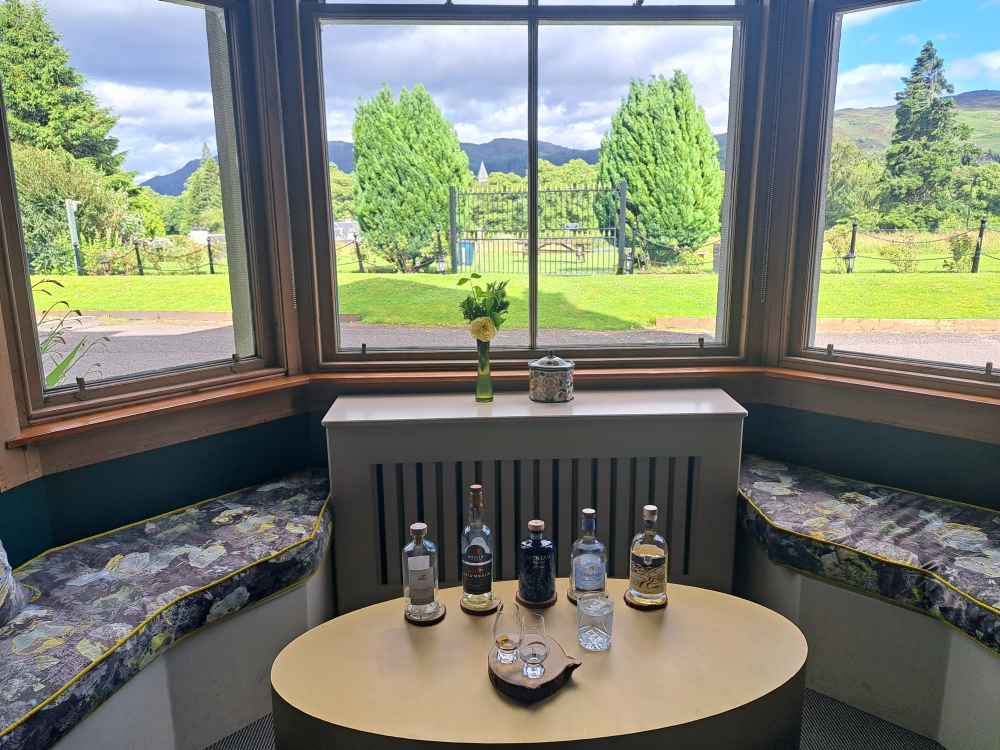
The RIB then roared back to Fort Augustus. Eloise, the hotel’s head sommelier, welcomed my return with a “Back in Time” whisky tasting, tracing distilleries from the Isle of Mull, over Ben Nevis, and up to Dalwhinnie, Scotland’s highest distillery. The drams were paired with venison, cheese, and chocolate, making the perfect apéritif before dinner.
Foraged, Gathered and Grown
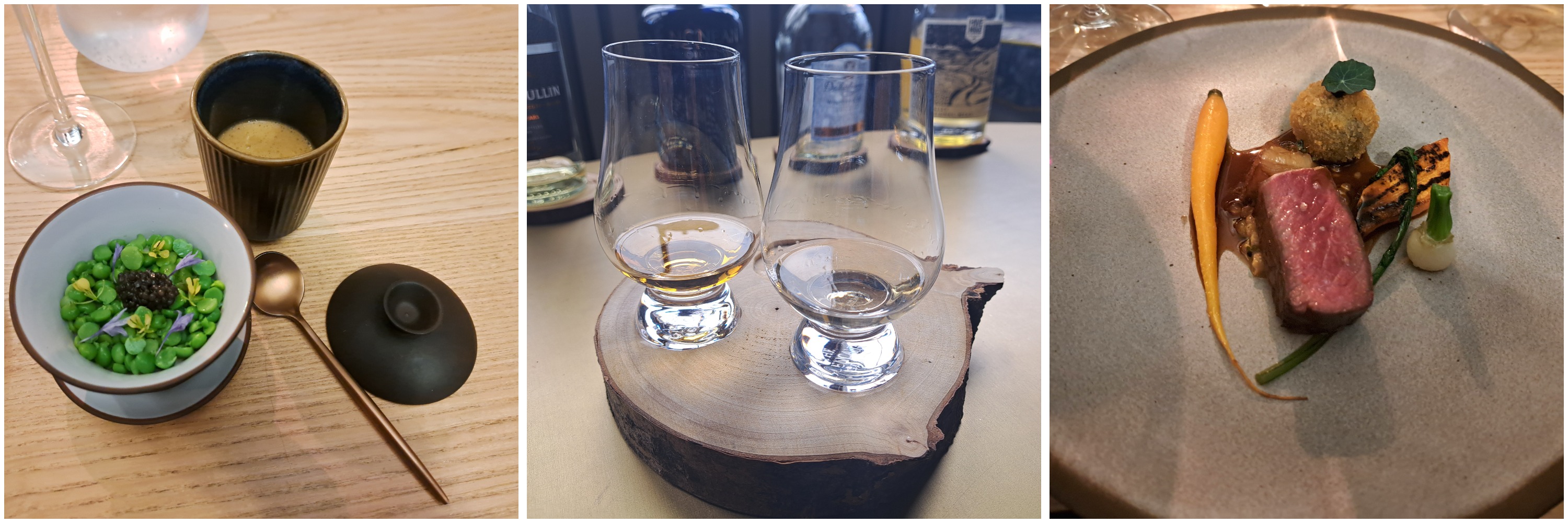
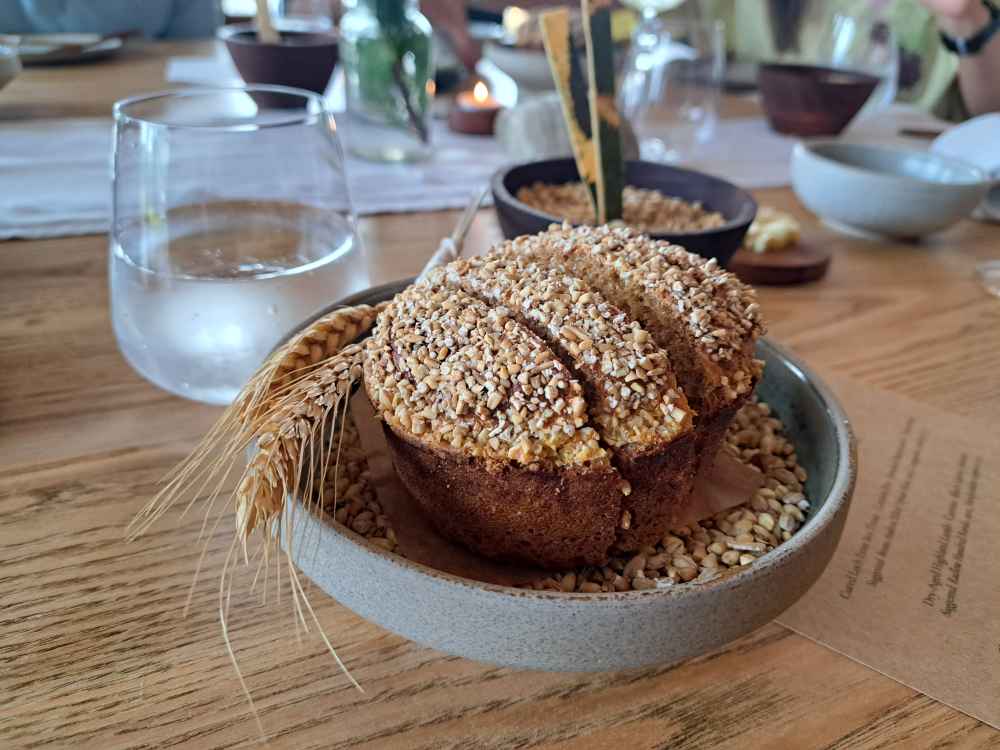
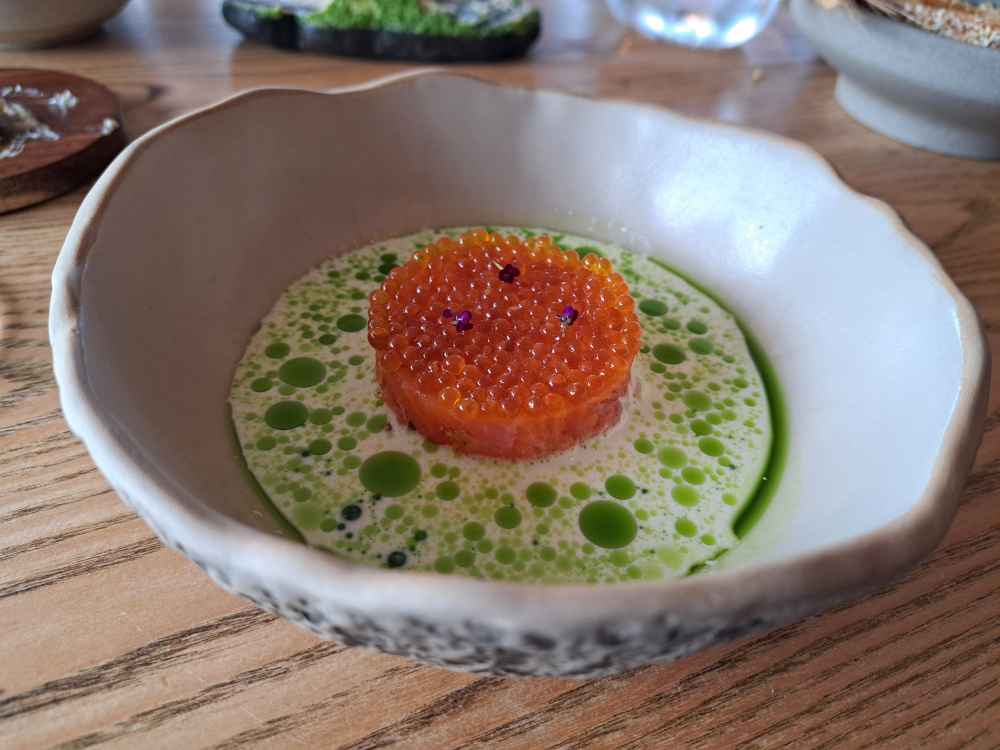
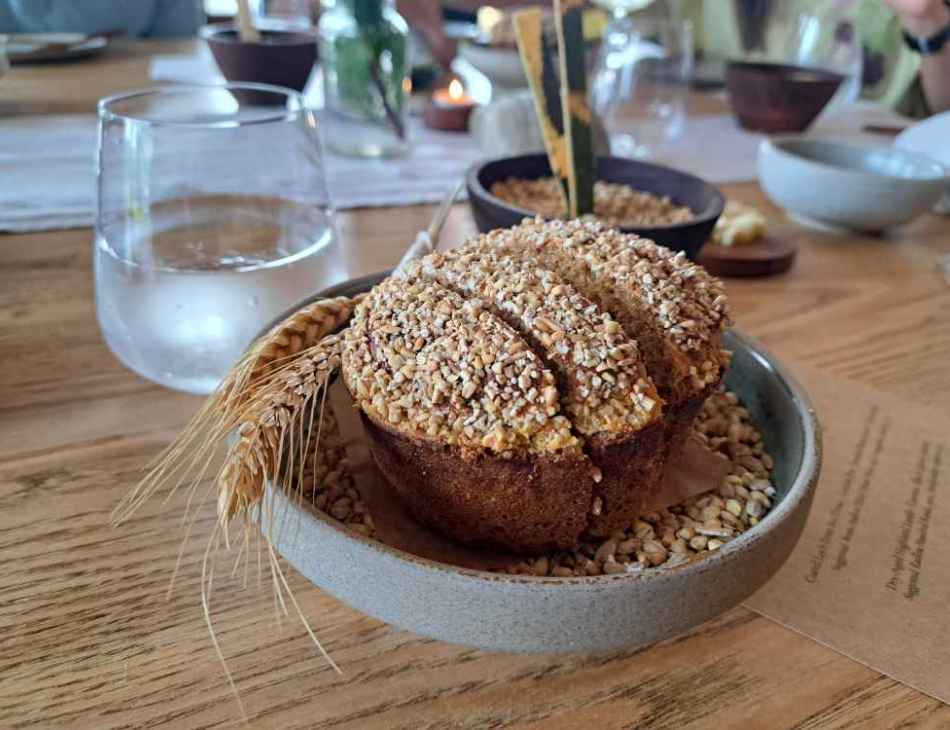
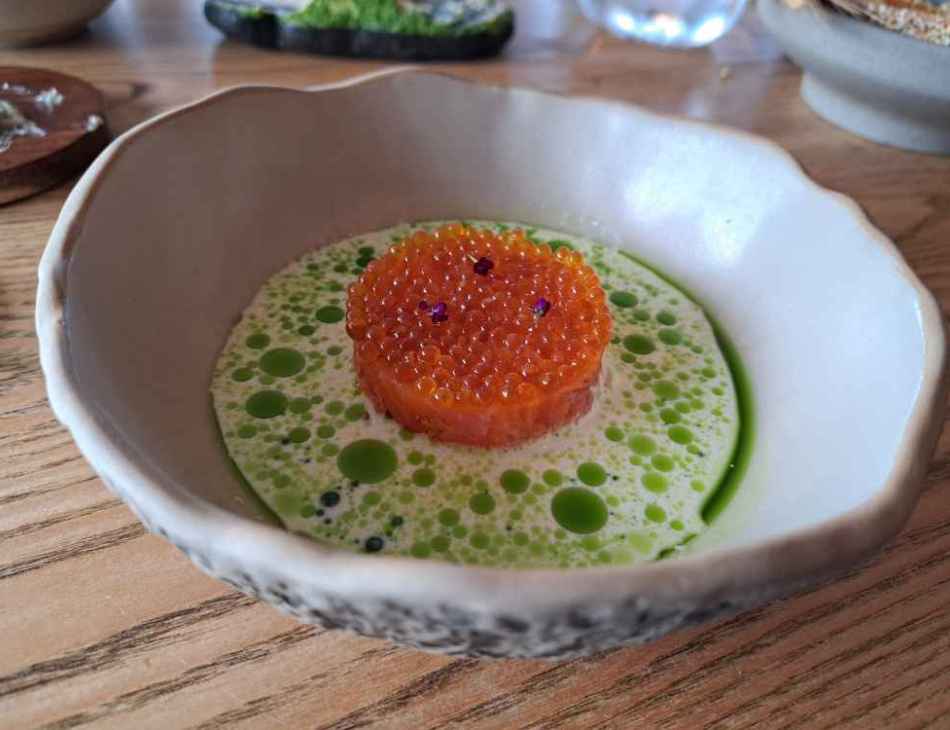
Another of The Lovat’s big draws and central to their 'Coftie' ethos is 'Station Road Restaurant', where head chef Sean Kelly creates a fine dining experience, using ingredients foraged in the glen, gathered from local producers and grown within the kitchen garden. He evokes the ancient food traditions of the Scottish Highlands, married with contemporary culinary skill to present a tasting menu. Our dinner featured Smoked Trout mousse with botanical crackers and Bere Bannock bread and onto Cured Loch Etive Sea Trout and Dry-Aged Highland Lamb.
One unexpected but delightfully welcome part of dinner, was Jenny, a local ‘Folklorist’ who joined our evening meal, retelling tales of St Columba who warded off a mythical Loch beast in AD580, to the Kelpie, a shape-shifting water spirit from Scottish folklore that typically haunts deep lochs and rivers, appearing as a tame stallion to lure weary travellers to mount its back before plunging into the water to drown and devour them.
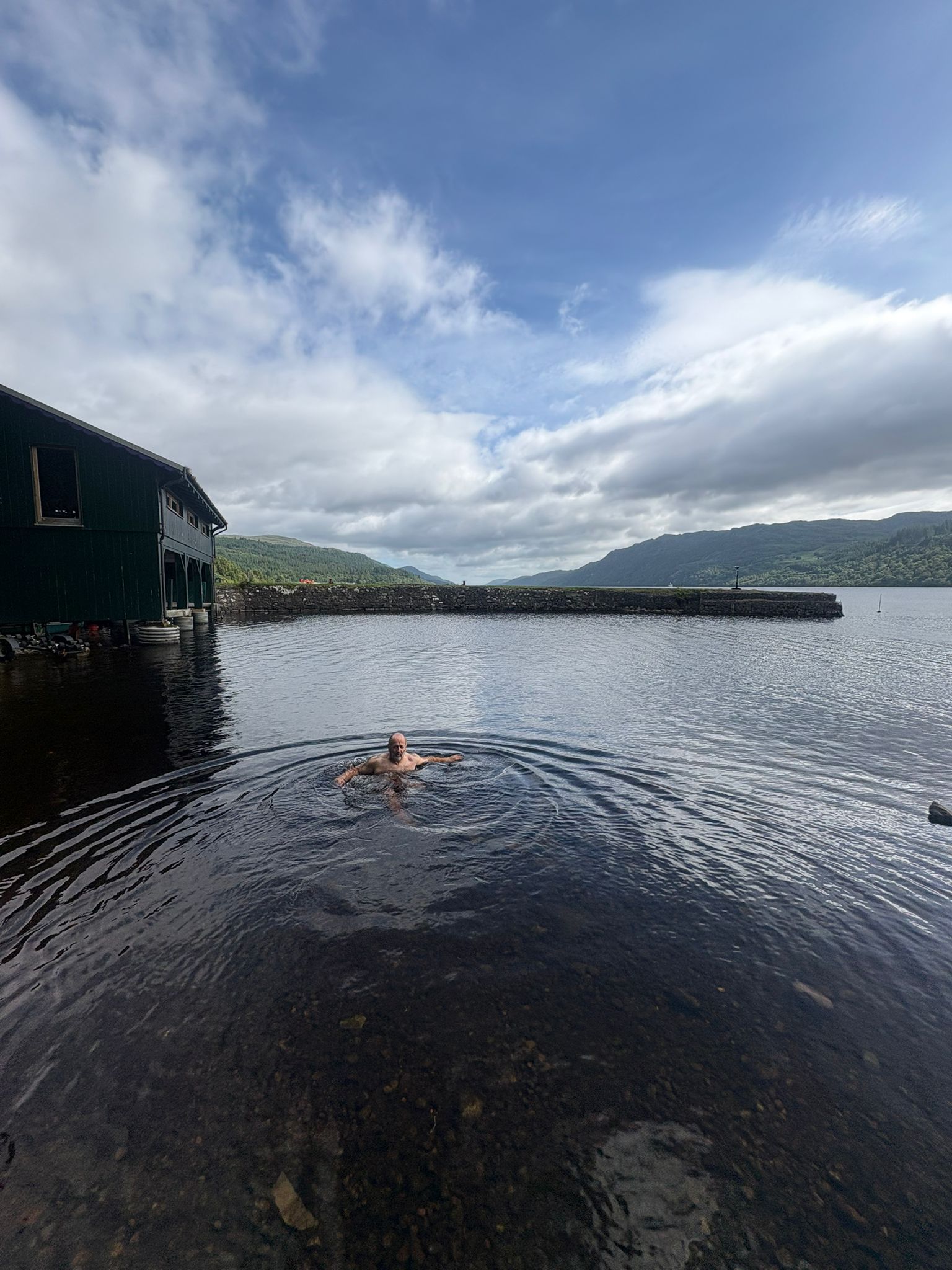
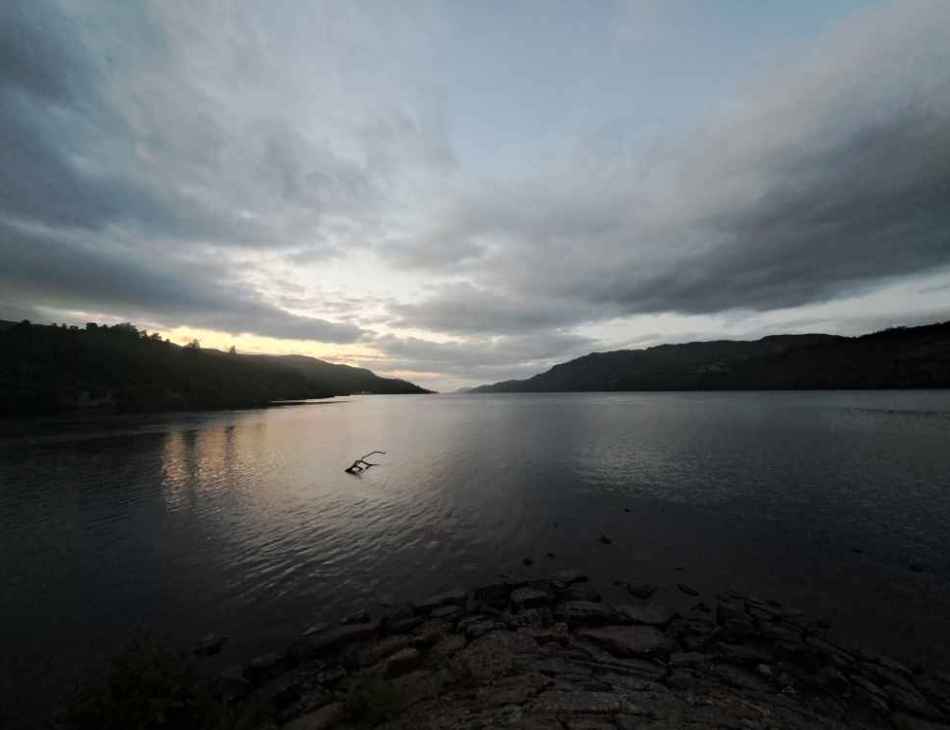
Notwithstanding stories of Nessie or indeed the Kelpie, before I left Fort Augustus, I faced one last rite of passage - a 'wild dook' in Loch Ness. In the gentle shadow of the Abbey, I found a quiet stretch of the Loch and slipped in. It was cold enough to steal my breath, but was soon replaced by the steady calm of the Highlands surrounding me, and the sharp, bracing sensation of stepping fully into the landscape.
And as it turns out, there’s a perfect word to describe that moment —“Coftie”!