TRENT PARK'S 'HOUSE OF SECRETS' IS AB FAB
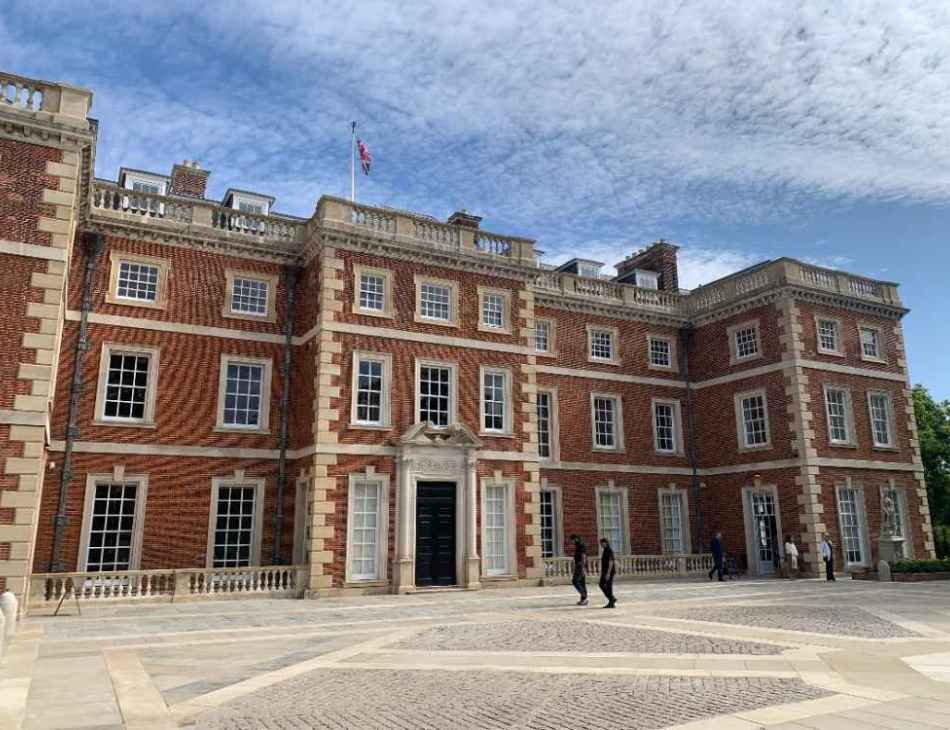
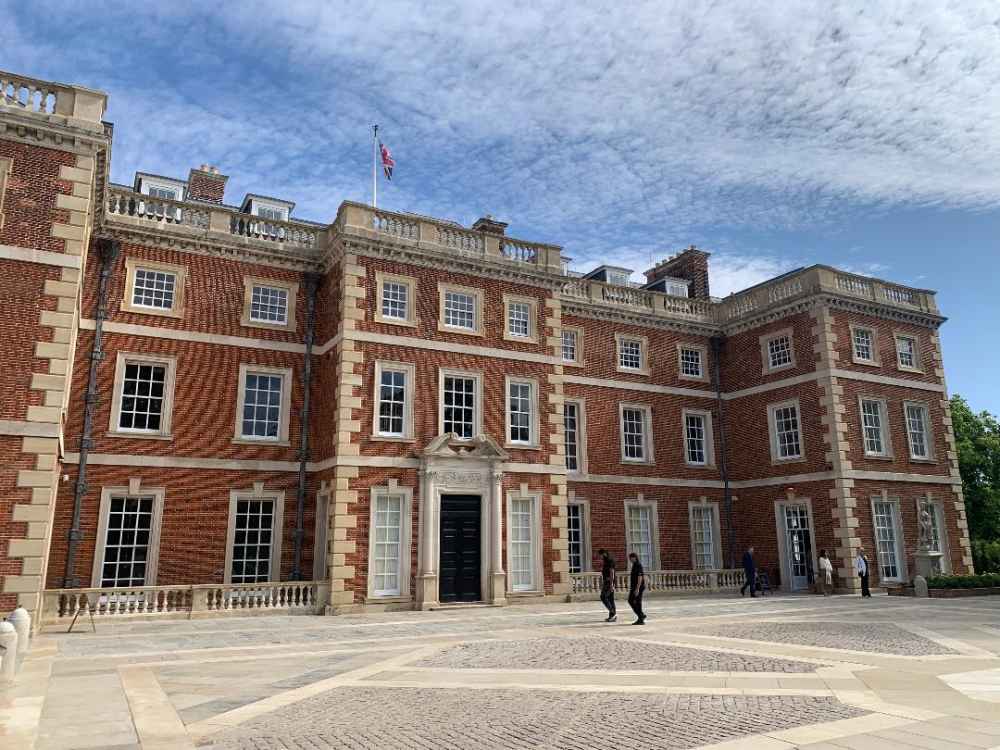
Trent Park mansion
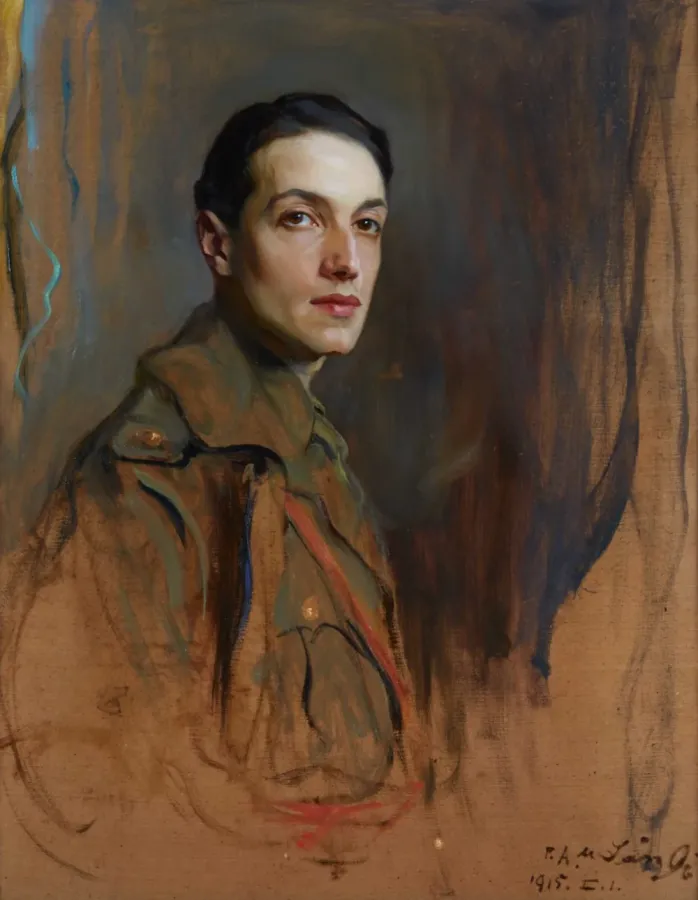
The walls have ears at Trent Park, the former north London residence of Sir Philip Sassoon, one of the wealthiest men in England during the 1920s, a close friend of Winston Churchill and Royalty who had served as an MP and Under-Secretary of State for Air. This imposing former stately home also has an interesting Czech connection.
A decade in the making after much campaigning and fundraising from a group of trustees including Lord Cholmondeley, a descendant of Sir Robert Walpole, the first Prime Minister of Britain, and actress and comic Helen Lederer, whose grandfather Ernst worked here as a secret listener, the new Trent Park ‘House of Secrets’ officially opened to the public on Tuesday 21 July 2026.
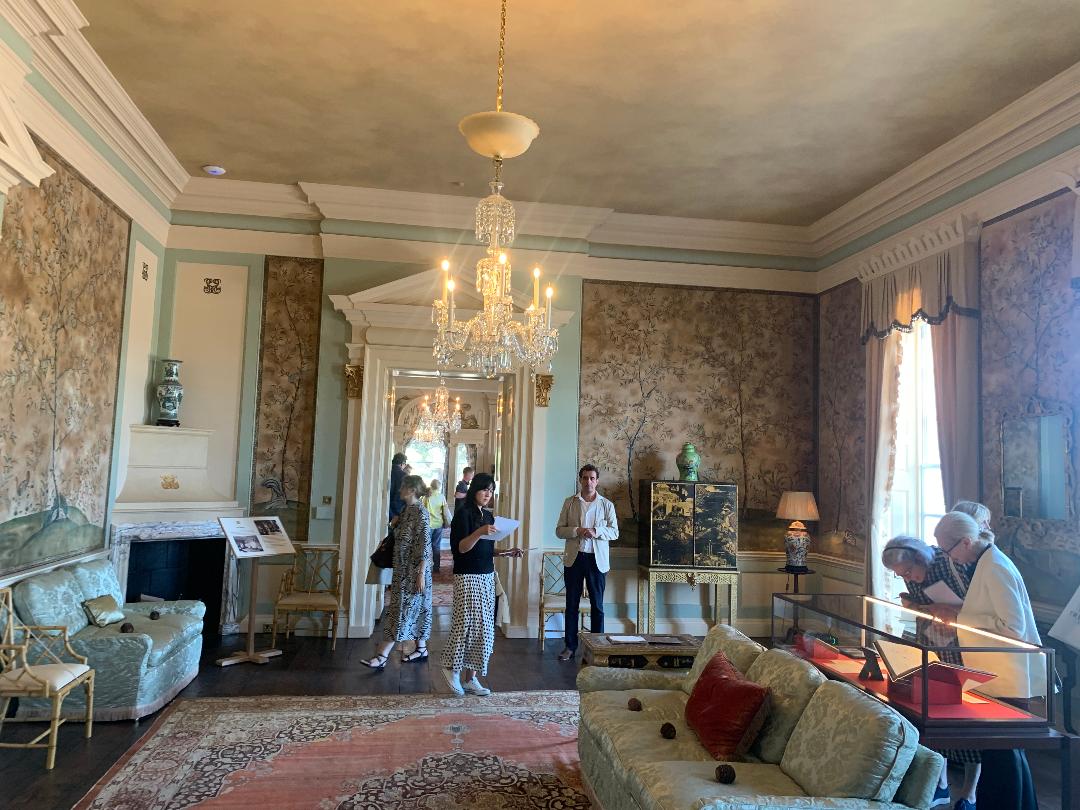
According to a surveyor on hand and one of the trustees involved in the project, I learned in the ornately decorated Blue Room (now a smart café) - a reception area originally at Trent Park fore the likes of Charlie Chaplin and other luminaries - that the developer (Berkeley Homes) “were very much encouraged” to support the museum’s concept.
Located in the London borough of Enfield, the venue is set amongst a 413-acre country park and built originally in the 1780s as a hunting lodge. Modified by Sir Philip with tweaks made from the 1920s on, these works were estimated to have cost a cool £9 million in today’s money according to film about the house’s history.
Small fry perhaps given the accumulated immense wealth of the Sassoon family through commodity trading and particularly opium trading via India.
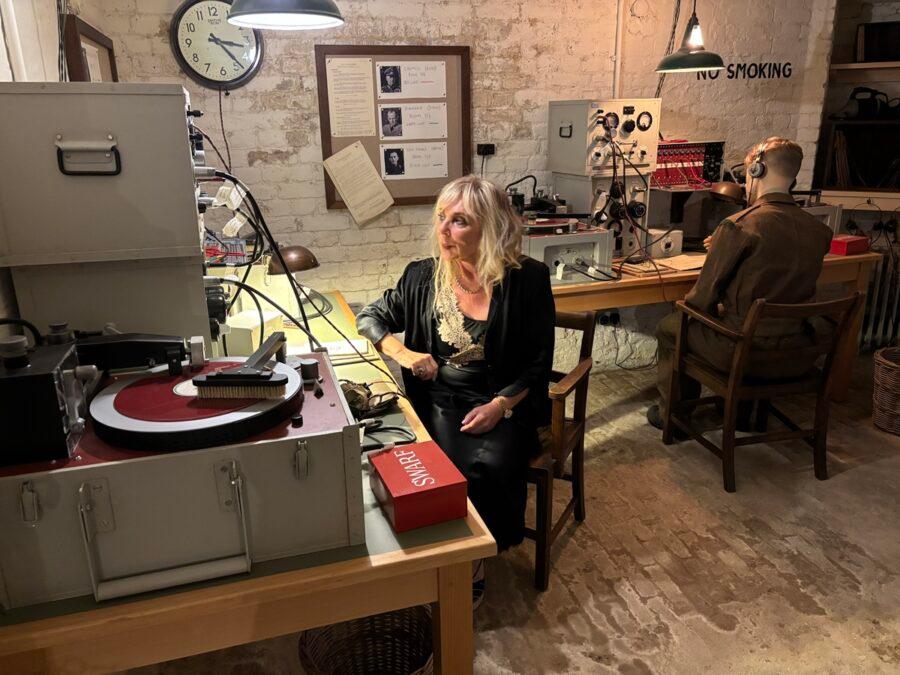
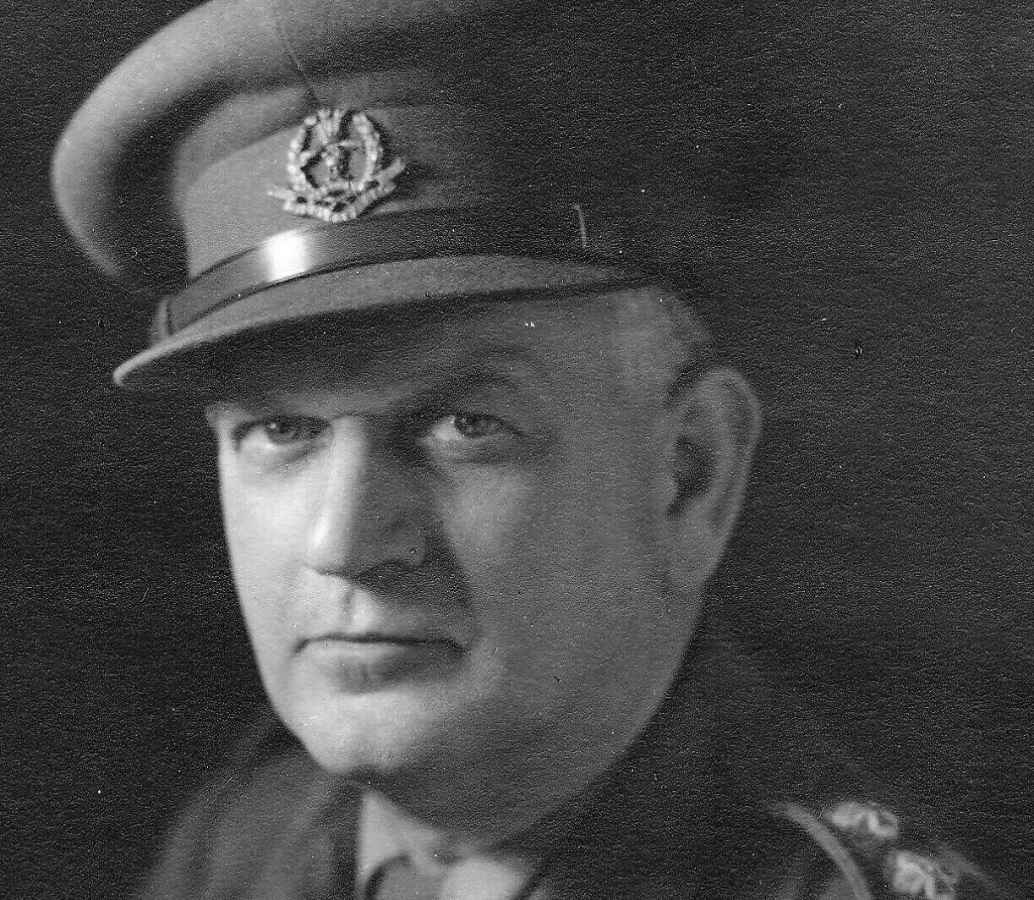
Trent Park then served as a hot bed of espionage and spying on high-ranking German generals after the War Office/British Intelligence requisitioned the building in September 1939, shortly after the outbreak of World War II and following the death of Sir Philip. Certainly a forward thinking move the events that would unfold.
The site was used for holding POWs; some 59 German generals were held captive amid luxurious surroundings from May 1942 until the end of the war. Tiny bugging devices were hidden in every corner including the walls, light fittings, plant pots, window ledges and even the bushes and benches in the gardens.
Figures such as Ludwig Crüwell, a career soldier who rose to become commander of the German Afrika Korps (captured in North Africa), were treated with unusual privileges but unaware that their conversations were being recorded from the so-called ‘M-Rooms’ adjoining the main mansion block.
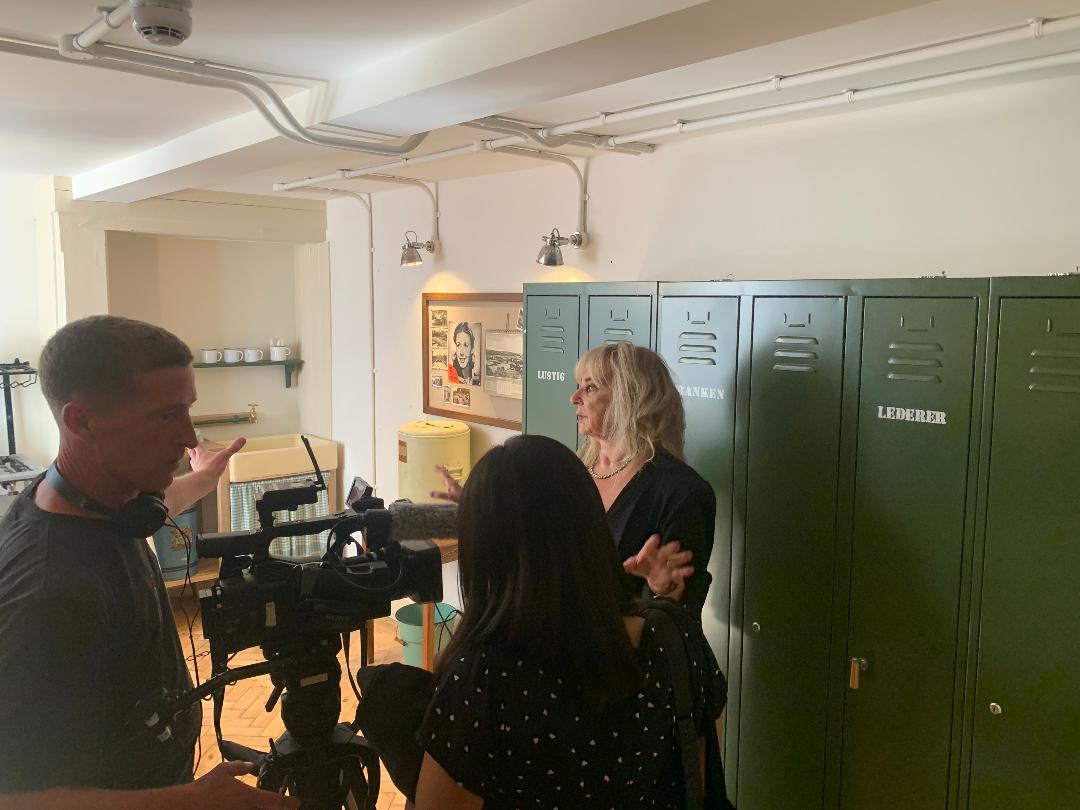
Helen Lederer, who appeared in iconic TV shows like ‘The Young Ones’ and ‘Absolutely Fabulous’, spoke emotionally at the press day on Monday 20 July 2026 prior to the museum’s official opening - ‘Trent Park House of Secrets’- about her paternal grandfather Ernst being a clandestine listener.
Commenting she said: “To imagine what the Secret Listeners may have felt as they listened to the captive generals upstairs is as important as it is humbling.”
Ernst was born in 1892 in Teplice, the oldest spa town in the Czech Republic that lies some 45 miles (72 km) northwest of Prague. The area was part of the Sudetenland annexed by the Germans in September 1938. And, the story is that he had enlisted to fight for the Austro-Hungarian Empire in 1914 and spent the First World War in the trenches alongside German and Italian soldiers.
Returning to his furniture business post that war in Czechoslovakia, he had travelled to England for business prior to his Trent Park endeavours. But it was under the spectre of war in 1939 that he planned to fully leave Czechoslovakia.
Being a German speaking refugee - along with other Jewish refugees from central eastern Europe - he was recruited by the British Intelligence Corps and posted to Trent Park.
Helen is certainly very proud of her Czech heritage and told me that she is the process of applying for a Czech passport. Equally when prompted about attending and speaking at the Czech Embassy in London’s Notting Hill, she said would fully endorse the opportunity.
She also revealed that furniture from Czecho from the wartime period from her family had made its way to England and was in her possession, which included smaller artefacts contained within the furniture.
On loan from Helen and her family at the museum is a baize-lined display box with Ernst Lederer’s Dress medals from WW1 and WW2.
The medals include a WW2 Czechoslovak War Cross (bronze) for services to the war for his intelligence work. It was issued by President Beneš, the founding father of Czechoslovakia who led the Czechoslovak government-in-exile in London during World War II.
Additionally a WW2 Czechoslovak Military Medal Medal of Merit (silver) and a post-WW1 Czechoslavakia Victory medal (bronze). The latter was issued by Allied nations following the end of that war.
I viewed a letter of “high appreciation” to Ernst Lederer from the Ministry of Information in Russell Square, London, dated 18 April 1943. One paragraph stated: “The heavy task of research could not as quickly have been accomplished without your generous and voluntary contribution”.
Another paragraph from read: “It is felt here that not only did you assist this Department in its exposure of German wickedness but you enabled us to present a clearer representation of Czecholovakia’s terrible situation than seemed possible.”
It is noteworthy here that the listeners worked tirelessly for no monetary reward and in the end analysis went their graves retaining the nature of this secret work.
Visiting Trent Park ‘House of Secrets’ will offer a fascinating journey back in time. There is a welter of information about the clandestine listeners (some 40 were stationed here), which can be gleaned from the basement rooms. A discovered bugging cable has been neatly preserved in the wooden floor at one end of the building covered by glass.
It is hard to imagine Ernst and his fellow secret listeners could have undertaken their work in almost silence moving information, recordings and transcripts. A sign displayed via basement stairs reads: “SILENCE - DO NOT TALK”.
Conversations picked up among the generals by the listeners and ‘stool pidgeons’ included early intelligence on the Nazi V2 rocket program, which developed the world’s first long-range guided ballistic missile. Recordings revealed too critical data on the Holocaust. Details of the latter was not disclosed at the Nuremberg Trials as the British did not want to disclose their intelligence methods, as explained by museum director Dr Giuseppe Albano MBE.
Others may enjoy the sumptuous setting looking out over rolling countryside, the outstanding ground floor of the museum adorned with period furniture (e.g. a Chinese lacquer cabinet), Flemish verdure tapestries, paintings and drawings such as Rex Whistler decorations scattered throughout. Many original items that Sir Philip purchased for the house from the 1920s on have been loaned to the museum by Lord Cholmondeley.
A Trent Park visitor album from 1931 reveals guests from Royalty, a French boxing world champion and World War I pilot (Georges Carpentier), Fred Astaire and Charlie Chaplin (made three visits in 1931) and doodled a sketch of his tramp character. The house has it all.
For more information on the museum see: https://trentparkhouse.org.uk/