
David's Drink Diaries - Issue 34
Port Askaig
In this issue, I explore a collection of drinks that celebrates both deep rooted tradition and innovation. We begin in Bordeaux and Rioja, where regional classics are being thoughtfully reimagined for contemporary palates, before traveling to the storm swept coast of Galicia for an early harvest Albariño that captures the very essence of the region. For the spirits lover, I look at Japanese blending philosophy and a bold Scottish malt. And because no good pour is complete without a fine story to accompany it, I look into the satirical heart of the wine trade itself with a fantastic new novel. Pour yourself something rewarding, and let us dive in!
Louis Couturier Crémant de Bordeaux reminds us that Bordeaux’s relationship with sparkling wine stretches back far further than many people realise. While the region is synonymous with red wine, traditional method sparkling wines have been produced here since the nineteenth century, benefiting from the same limestone-rich soils that help give structure and freshness to the finest still wines. This cuvée combines elegance with value, offering crisp orchard fruit and delicate brioche notes. Crémant really is one of France’s best kept secrets, and for those willing to look beyond Champagne, Bordeaux continues to offer quality at sensible prices.
Its pink sibling, Louis Couturier Crémant de Bordeaux Rosé, takes a slightly more exuberant approach. Rosé Crémant has enjoyed something of a renaissance in recent years as consumers discover that traditional method sparkling wine can deliver both complexity and immediacy. Here, bright red berry fruit sits alongside fresh citrus and gentle floral notes, creating a wine that feels equally at home as an aperitif or at the table.
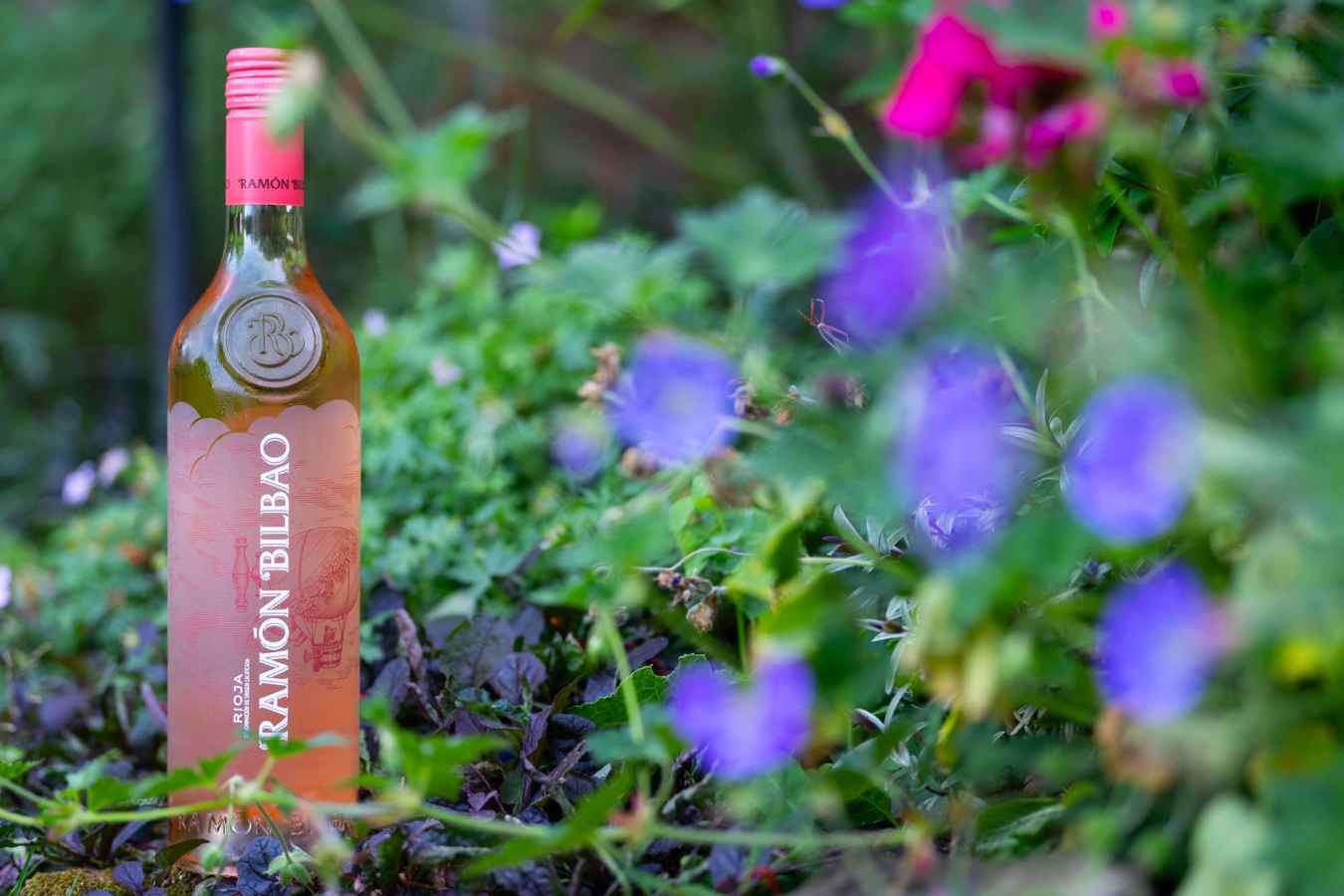
Ramón Bilbao Rosé 2025 demonstrates that even well established wines continue to evolve. Now in its second summer with a contemporary new silk-screen bottle design, this Rioja rosé has also been refined in the glass, with winemaker Rosana Lisa lowering the alcohol to 12% to create an even fresher and more vibrant style. Inspired by the traditional clarete wines of Rioja Alta, it blends 80% Garnacha with 20% Viura from high-altitude vineyards between 550 and 770 metres in the Alto Najerilla and the foothills of the Sierra de la Demanda.
Following a challenging growing season that demanded rigorous vineyard selection, cool nights before harvest preserved acidity and aromatic freshness. Made using the saignée method before cool fermentation in stainless steel and three months ageing on its lees, the result is exactly what many people look for in a summer rosé: light, full of bright citrus and red berry fruit, with some texture. At £9.50 exclusively through Co-op, it represents excellent value for one of Rioja's most consistently reliable rosés.
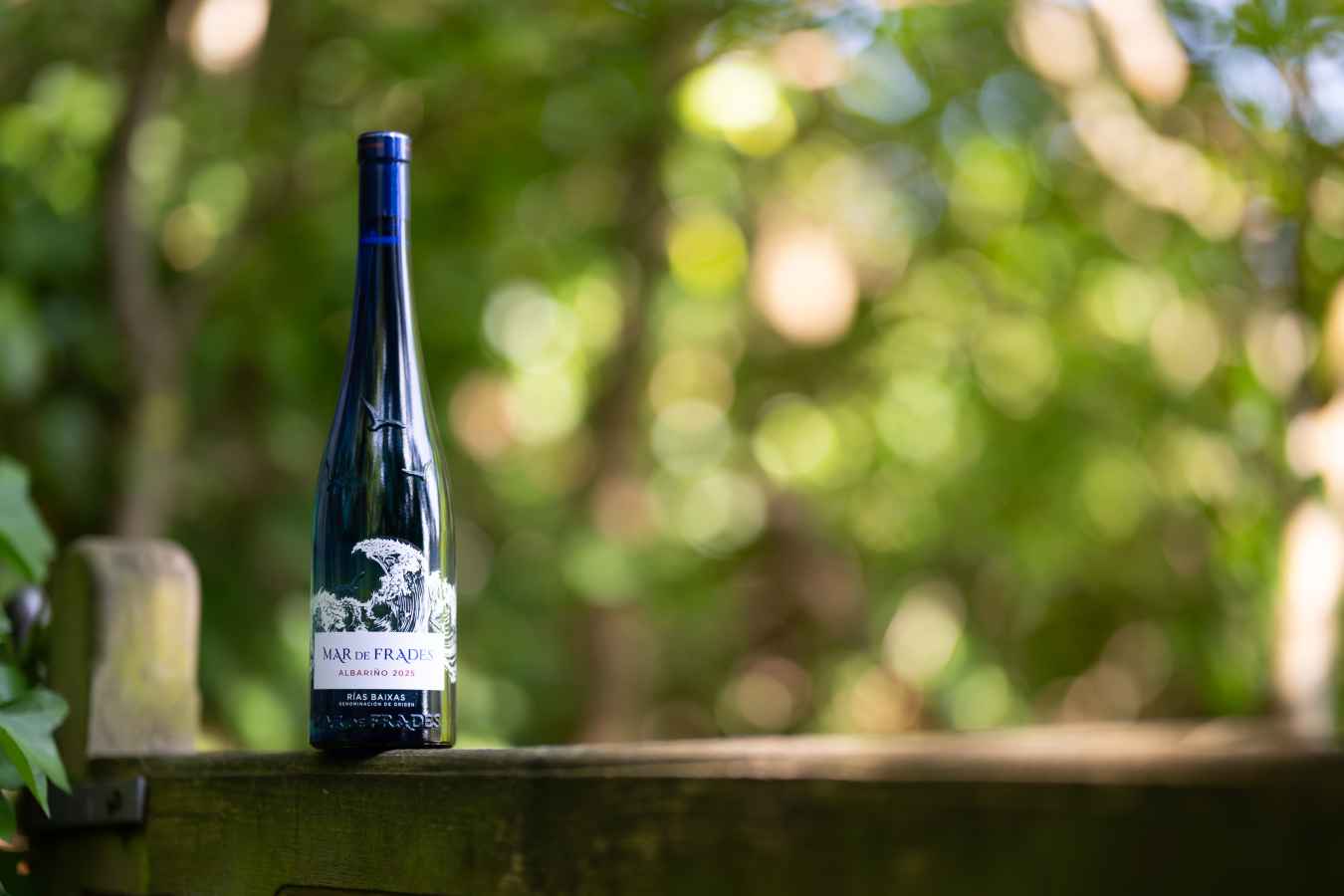
Mar de Frades Albariño 2025 reminds us just how Europe's wine regions are adapting to a changing climate while remaining rooted in their traditions. Produced in Galicia's Rías Baixas DO by one of Spain's most respected Albariño specialists, Paula Fandiño, the 2025 vintage was harvested from 25 August, the earliest picking ever recorded in the region. Following an unusually warm autumn, storm filled winter and a drier than expected summer, Fandiño recognised conditions that would deliver the aromatic purity and balanced ripeness she seeks. Drawing fruit from Mar de Frades' own vineyards in the Salnés Valley alongside hundreds of small growers across the denomination, she assembles a broader expression of Albariño than many producers attempt.
In the winery, innovation sits comfortably alongside tradition. Extensive lees stirring over six months adds texture and weight, while specialised Ganimede fermenters help preserve the variety's intensely floral, citrus driven character and the saline freshness that has become the hallmark of wines shaped by the Atlantic. The result is vibrant, elegant and unmistakably Galician, with bright stone fruit, citrus zest and a refreshing mineral edge that seems to carry the sea breeze straight into the glass. At £17.75 from Tesco, it demonstrates why Albariño continues to win over drinkers looking for white wines that combine generosity of fruit with real personality.
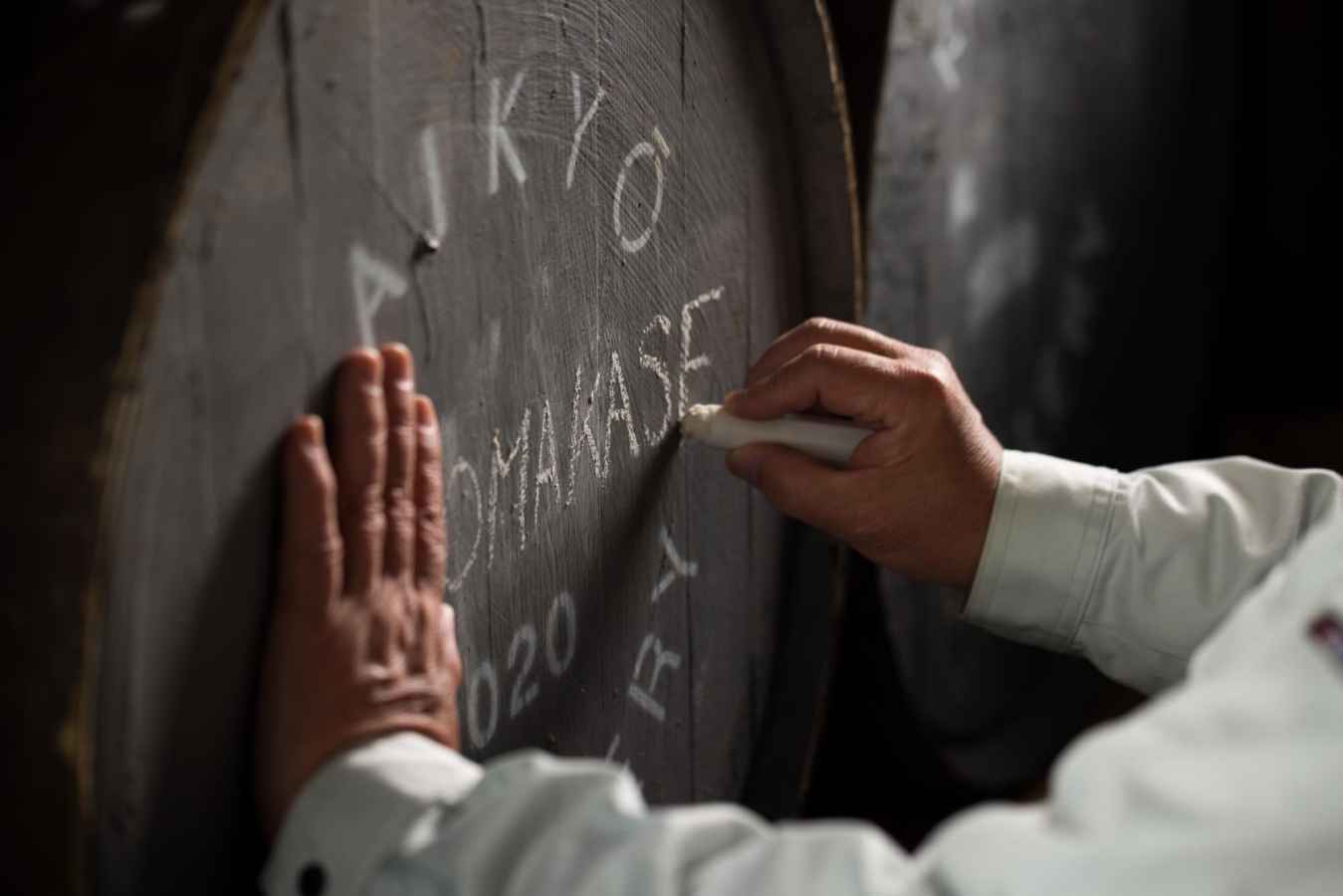
The Hatozaki Omakase Collection Sixth Edition Blended Whisky draws inspiration from one of Japan's most distinctive culinary traditions. Omakase, meaning "the choice is in your hands", reflects a dining experience where trust is placed entirely in the chef's judgement. The whisky adopts the same philosophy, allowing Master Distiller and Blender Kimio Yonezawa the freedom to create distinctive, limited editions guided by experience, creativity, and intuition rather than rigid convention.
Produced at the Kaikyō Distillery on the shores of the Seto Inland Sea in Akashi, the Omakase Collection has become Yonezawa's creative playground, with each release exploring different cask influences and blending techniques. The Sixth Edition marks a notable first for the series through the incorporation of bourbon whisky within the blend, bringing an additional layer of richness before the whisky spends three years finishing in rare Mizunara oak. The combination produces the hallmark notes associated with Japan's native oak, including fragrant sandalwood, subtle incense and gentle spice, sitting alongside coconut and vanilla derived from the American oak maturation.
With just 1,884 bottles released worldwide, the Sixth Edition also represents the first time the Omakase Collection has been made available outside the United States, giving whisky enthusiasts elsewhere the opportunity to experience one of Hatozaki's most experimental releases. It is a fascinating demonstration of how Japanese whisky continues to evolve, drawing inspiration from both domestic tradition and international influences while remaining unmistakably Japanese in its precision and elegance.
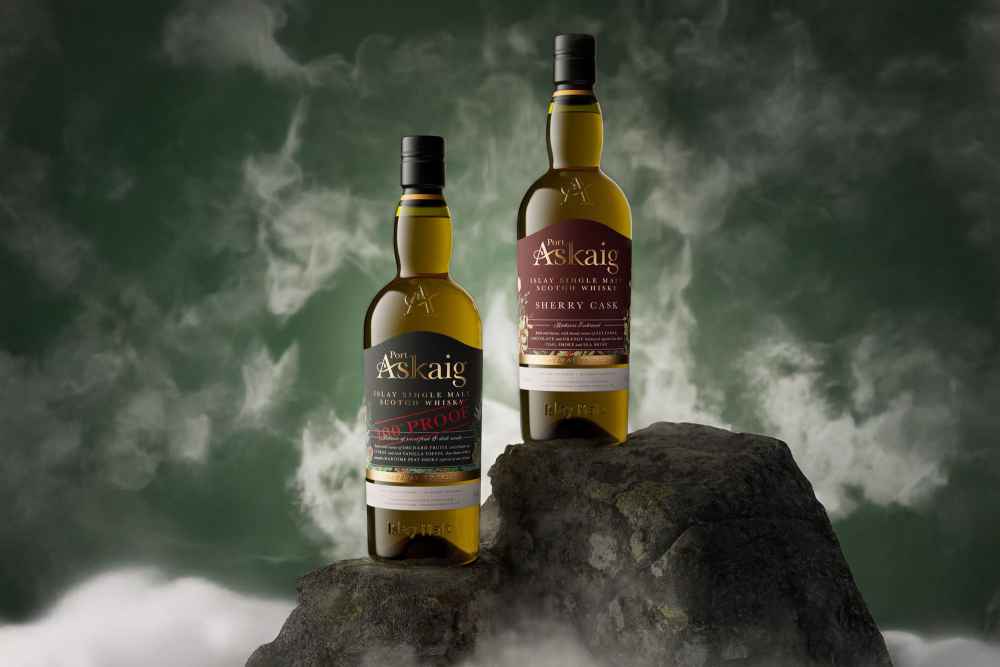
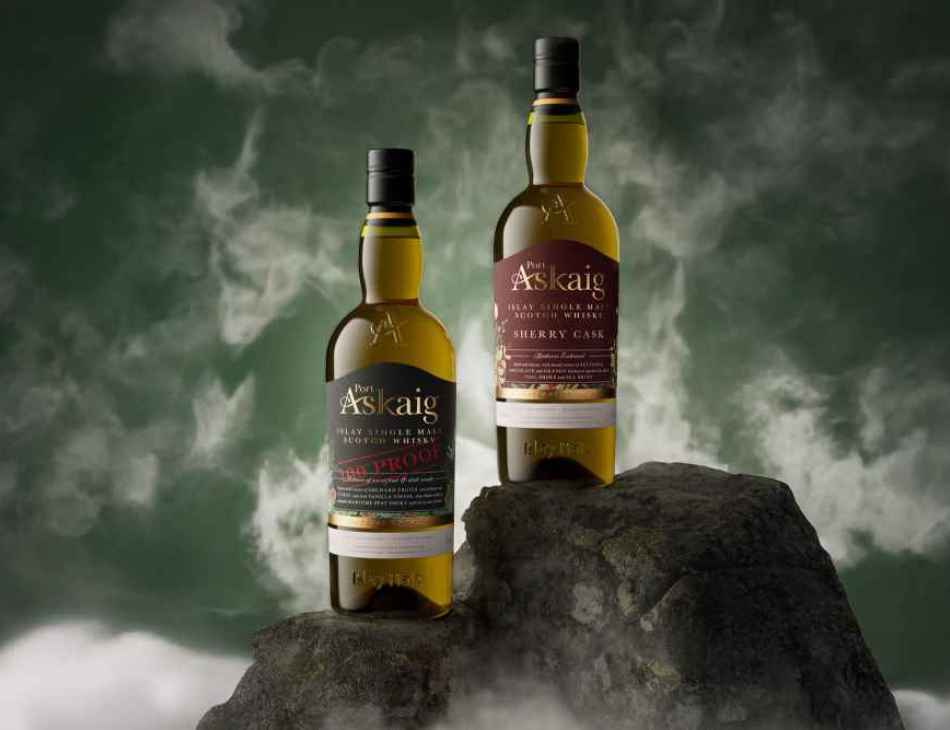
Port Askaig 100 Proof demonstrates why simplicity often works best. Named after the small port village on Islay’s northeast coast, Port Askaig has long specialised in presenting the island’s whisky character in a direct and honest fashion. Bottled at 57.1% ABV, equivalent to the traditional 100 proof measurement, this release is full of smoke, citrus, maritime salinity and sweet malt.
Port Askaig Sherry Cask explores a different side of the island. While peat remains central to the whisky, the influence of sherry maturation adds layers of dried fruit, dark chocolate and spice that soften the sharper coastal edges. The interplay between smoke and sherry can be harmonious, yet it remains difficult to execute well. Here it has been done well, allowing both elements room to express themselves without overwhelming the other. The result is rich, warming and thoroughly satisfying.
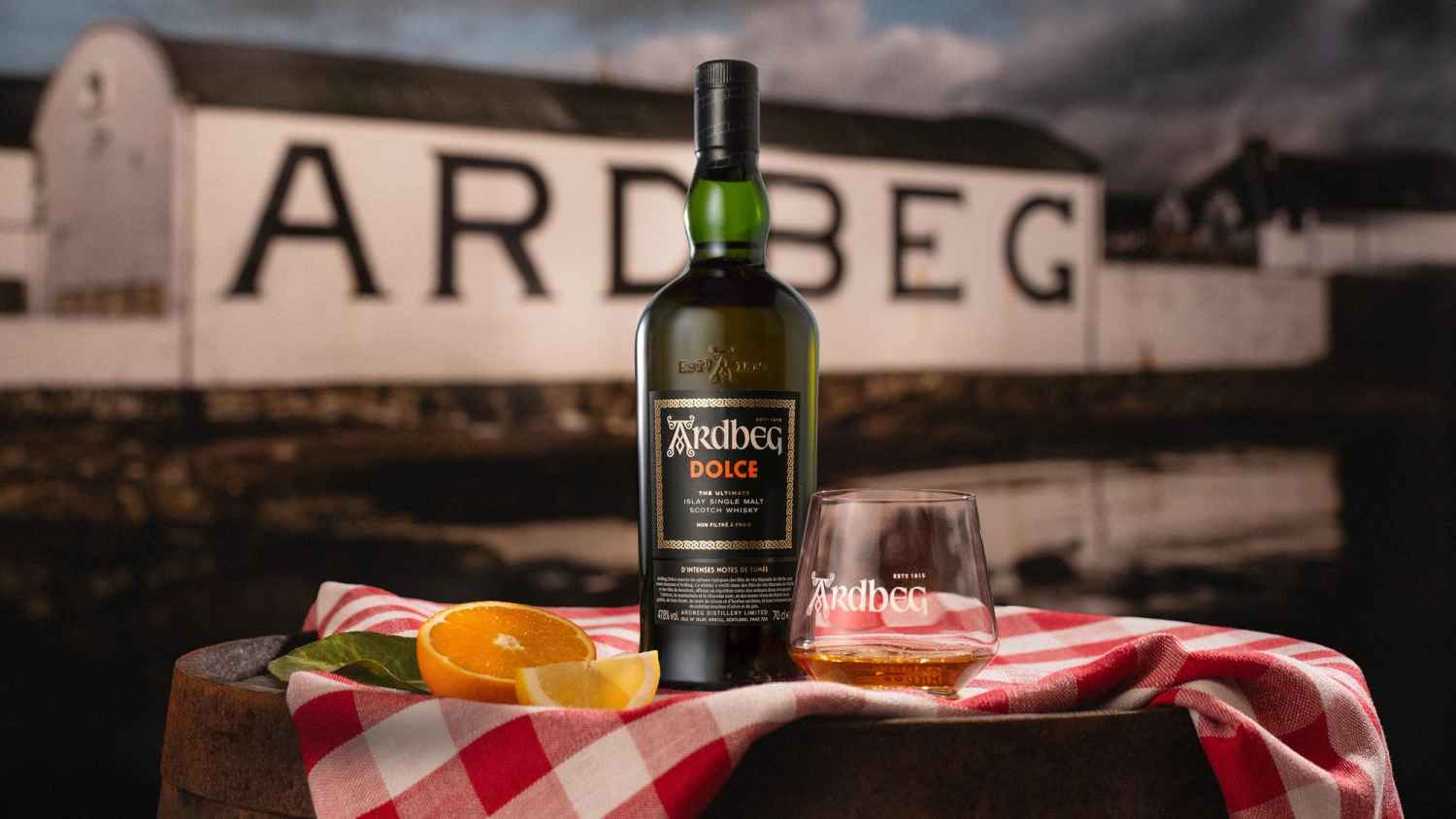
Few distilleries command attention quite like Ardbeg, and Ardbeg Dolce continues the distillery’s long tradition of festival releases that bring true excitement. Ardbeg’s annual Committee Releases have become fixtures in the whisky calendar, celebrated as much for their creativity as their collectability. Dolce leans into indulgence, pairing the distillery’s unmistakable peat smoke with sweeter, dessert-inspired influences. Yet beneath the marketing and anticipation lies the spirit that has always made Ardbeg compelling: intensely smoky, surprisingly complex and unmistakably Islay. Whether enjoyed immediately or squirrelled away by collectors, it is unlikely to remain unnoticed for long.
Not everything worth drinking comes in a bottle. Black Odesa, the latest novel by Peter Stafford Bow, returns readers to the wonderfully eccentric world of wine, commerce and intrigue that has made his books such favourites among those who spend time in the trade. For the uninitiated, Stafford Bow possesses a rare ability to satirise the wine industry while simultaneously demonstrating genuine affection for it. His latest offering takes our familiar, roguish protagonist Felix Hart into even darker, more satirical territory, where the absurdities of corporate retail and global politics collide.
His novels are packed with recognisable characters, improbable situations and enough insider knowledge to reward experienced readers without alienating newcomers. What makes this particular release stand out is how it captures the true spirit of the Minster of Wine series: it is unashamedly witty, fast paced and entirely confident in its own brilliance. Like a good bottle shared among friends, it entertains effortlessly while offering something deeper beneath the surface, proving that brilliant storytelling, much like a fine malt or an exceptional crémant, requires absolute conviction.
The new Glengoyne 10 Year Old exemplifies why some classics endure. Situated at the foot of the Campsie Fells, just north of Glasgow, Glengoyne occupies a unique place in Scotch whisky. The still house sits in the Highlands while the warehouses lie just across the road in the Lowlands, making it one of Scotland's only distillery to straddle the historic Highland Line. Geography, however, is only part of its identity. Glengoyne has built its reputation on patience, operating some of the slowest stills in Scotland to encourage maximum copper contact and produce an exceptionally fruity, elegant new make spirit.
That philosophy continues throughout maturation. The whisky is matured predominantly in carefully selected European and American oak sherry casks, resulting in a very balanced dram. Fresh green apples, honey, shortbread, soft toffee and gentle baking spices emerge gradually, with a creamy texture that makes it very approachable while retaining enough complexity to keep you interested.