
Jaguar Type 01: A Brave New Beginning Or The End Of An Era?
With more than 1,000PS, extraordinary styling and a £130,000 starting price, Jaguar's radical new electric grand tourer has finally arrived. But can the car charged with regenerating one of Britain's most treasured automotive marques live up to its enormous expectations?
Jaguar Type 01
The arrival of a new Jaguar is always an occasion to be celebrated. A beautifully proportioned British motor car, featuring new technology, a luxurious interior and just enough sporting character to remind its owner that life was supposed to be enjoyed.
From the magnificent E-Type to the imposing XJ and the wonderfully theatrical XJS, Jaguar understood something rather important about the motor car. It was never simply a means of getting somewhere. It was something to admire, something to desire and occasionally, something to forgive when the electrics developed a personality of their own.
And now, meet the Jaguar Type 01, an entirely electric, four-door grand tourer that represents the most dramatic reinvention of the company in its history. It is bold, enormously powerful, technologically sophisticated and quite unlike anything Jaguar has previously produced.
To appreciate the significance of Type 01, we must first acknowledge the enormous gamble Jaguar has undertaken.
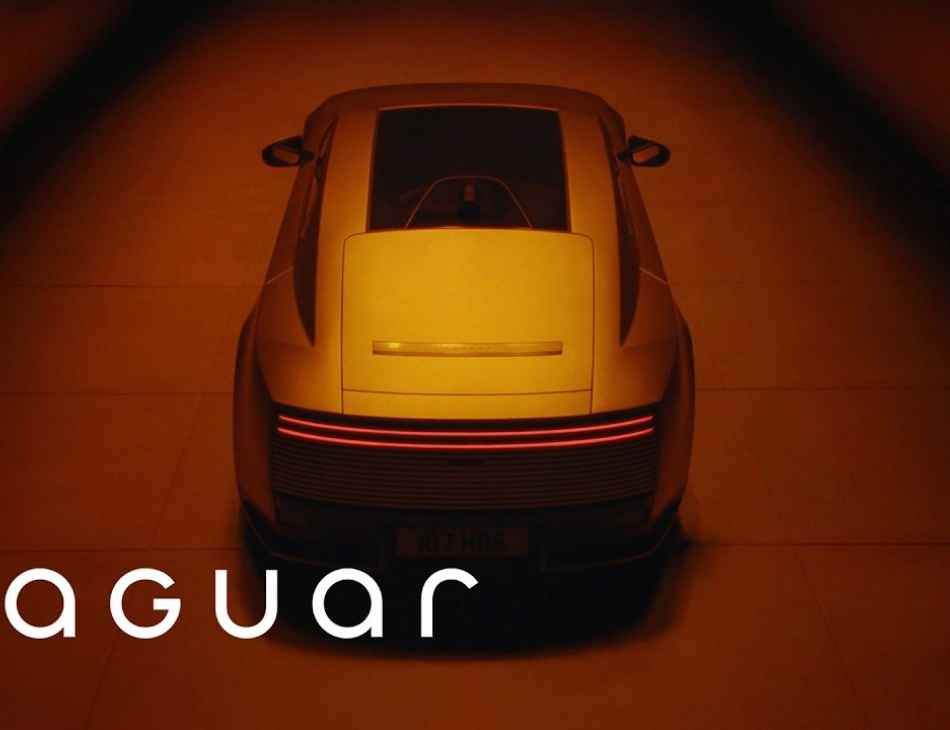
The company's controversial reinvention, introduced through the extraordinary Type 00 concept and an equally unconventional advertising campaign, generated precisely the sort of attention its management presumably wanted. Frankly, much of that attention involved people wondering what on earth had happened to Jaguar.
The familiar sporting elegance had seemingly been replaced by something more concerned with fashion, artistic expression and attracting an entirely new audience. For those who grew up admiring the E-Type, XJ220 or even the magnificent supercharged XKR, it was a difficult but not impossible transformation to embrace.
Yet Jaguar was hardly flourishing under its previous strategy. Competing against the enormous resources of BMW, Mercedes-Benz and Audi had become increasingly challenging. Continuing to produce handsome but commercially struggling alternatives was hardly a convincing long-term business plan.
Something needed to change and it seems that Jaguar's answer was to change practically everything.
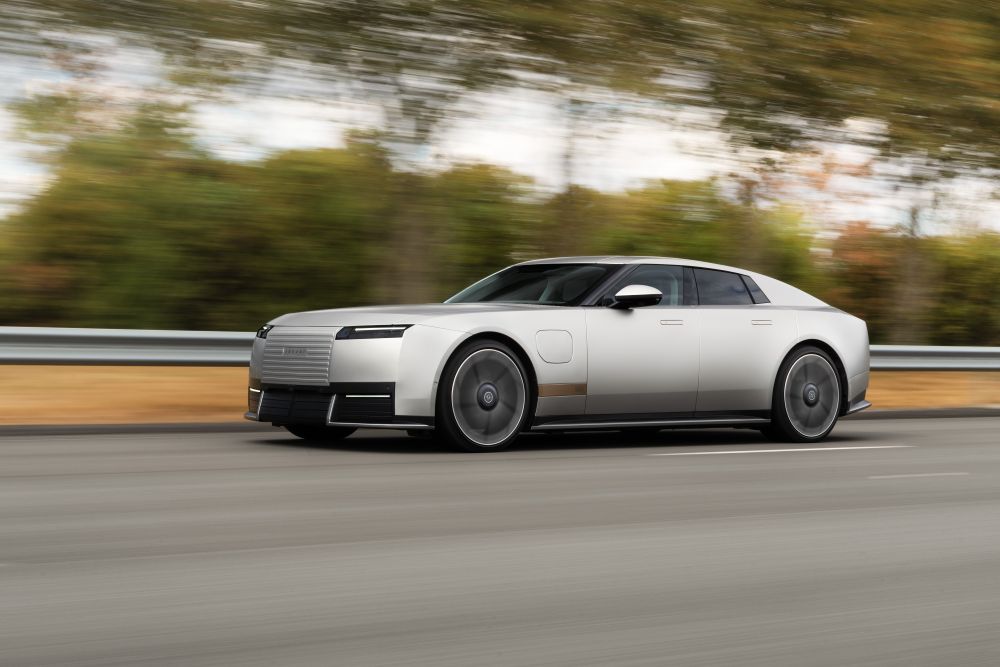
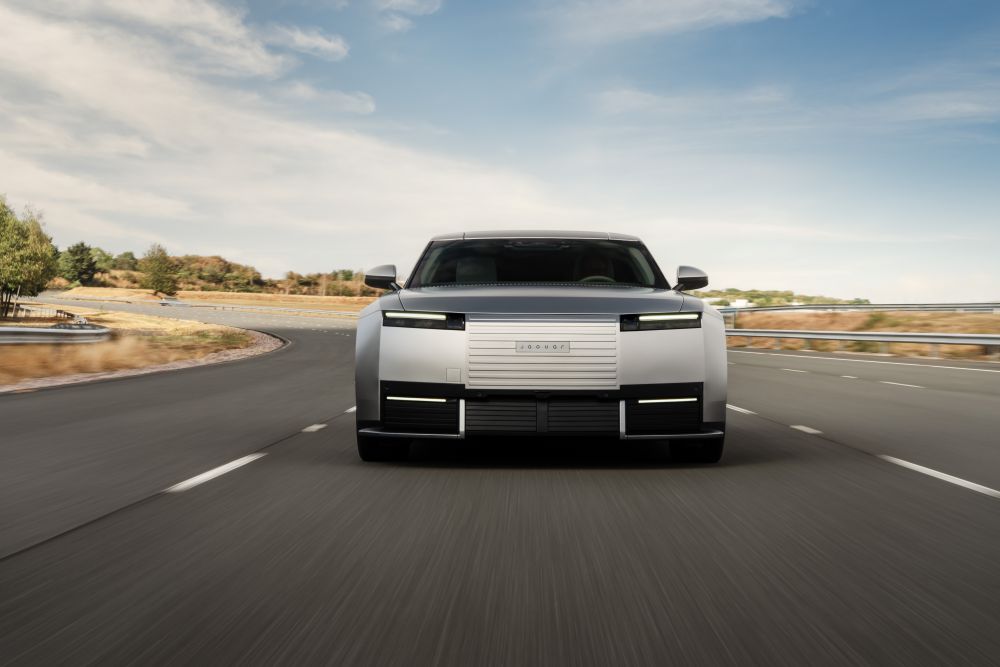
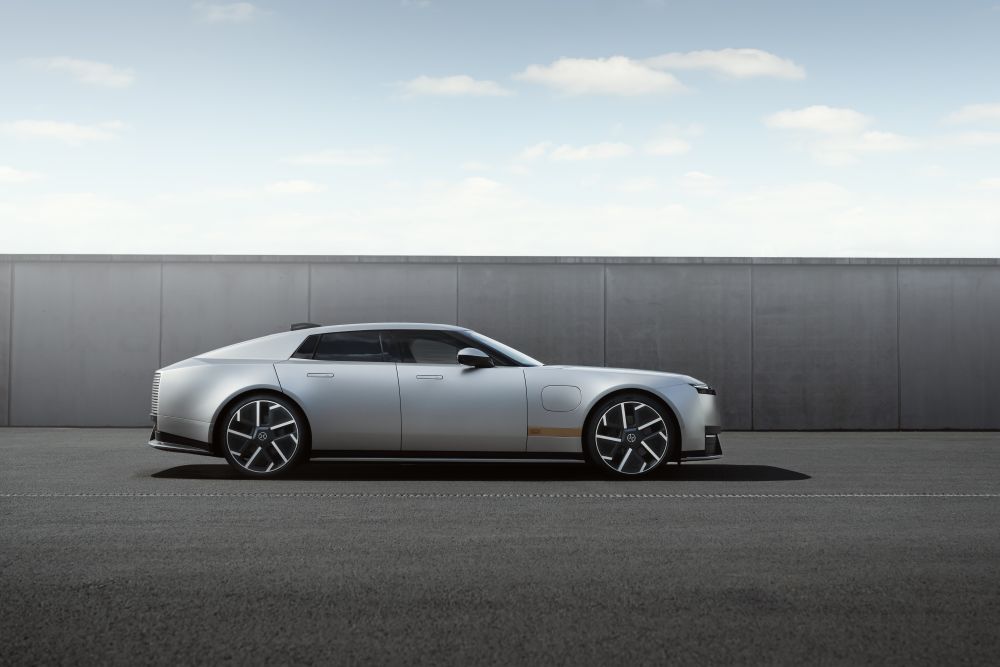
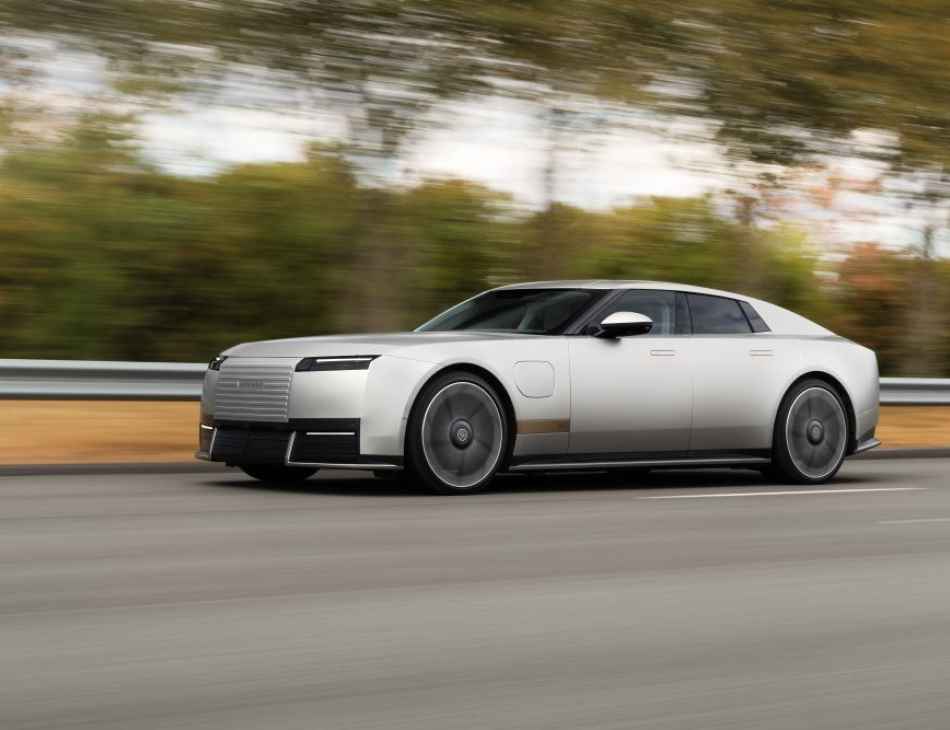
The Type 01 is certainly not a conventional motor car. Its exceptionally long bonnet, dramatically low roofline, substantial rear overhang and enormous 23-inch wheels create proportions that seem almost deliberately excessive.
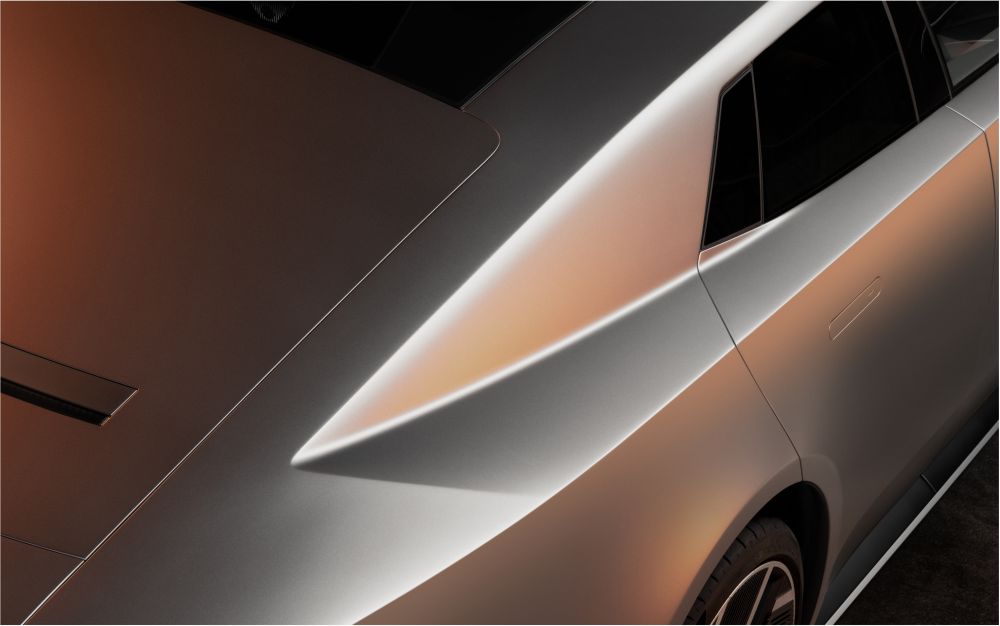
Some will undoubtedly find it breath-taking. Personally, I find elements of the design intriguing, although I remain unconvinced that its appearance will inspire the universal affection enjoyed by Jaguar's greatest creations. Nevertheless, the engineering achievement deserves recognition.
Despite its imposing proportions, the Type 01 has a drag coefficient of just 0.23, making it the most aerodynamic Jaguar yet. Active aerodynamic elements, including a deployable rear spoiler, help reconcile its dramatic appearance with the practical demands of electric motoring.
This is not simply an outrageous concept car wheeled onto a motor show stand to generate applause. It is a production Jaguar, designed, engineered and built in Britain. And that is something worth celebrating.
Whatever reservations might exist about its appearance, there can be few complaints about the performance figures. Three electric motors produce up to 1,030PS and a monumental 1,365Nm of torque, making Type 01 the most powerful Jaguar road car ever created.
Acceleration from 0–62mph takes just 3.2 seconds, while the sprint from 62 to 112mph requires a scarcely believable four seconds. Jaguar has also drawn upon the experience of its successful Formula E racing operation, developing sophisticated torque-vectoring technology to distribute power between the wheels. A near perfect 50:50 weight distribution, advanced suspension and all-wheel steering promise a car that combines sporting ability with the effortless refinement traditionally associated with the marque.
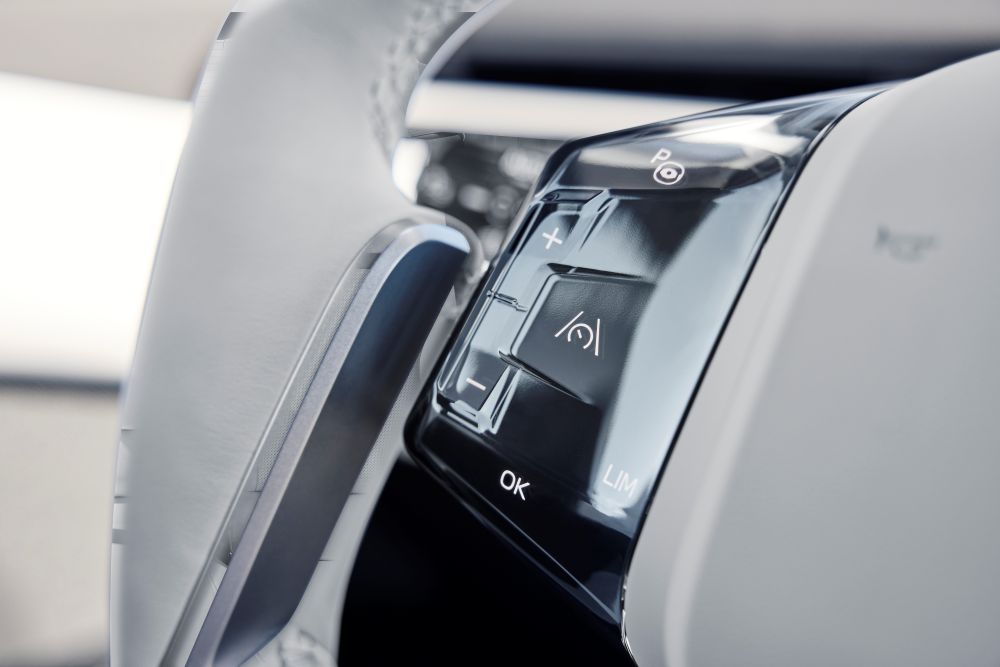
Inside, Jaguar has abandoned much of its traditional design language in favour of an almost architectural approach. A central spine extends through the cabin, creating four individual seating spaces, while brass-inspired detailing provides an unusual contrast to the contemporary materials. A 24-inch OLED driver's display dominates the technology offering, accompanied by a smaller seven-inch touchscreen for frequently used controls. There is also an elaborate immersive audio system, complete with a full width soundbar and sensory seats.
With a substantial 118kWh battery and advanced 850-volt electrical architecture, Jaguar anticipates a WLTP range of up to 450 miles. That is an impressive claim, particularly for something offering this level of performance. Under ideal conditions, rapid charging at 350kW could replenish approximately 200 miles of range in just 13 minutes. If those figures translate convincingly into everyday motoring, Type 01 could become a genuinely accomplished long-distance grand tourer.
With prices beginning at £130,000, Type 01 is entering a completely different marketplace from the Jaguars that preceded it. The company is no longer attempting to compete directly with mainstream premium manufacturers. Instead, it is positioning itself as a more exclusive luxury proposition, appealing to customers who might otherwise consider some rather prestigious alternatives.
There is logic behind the strategy. A smaller number of expensive, desirable vehicles could potentially prove more profitable than a larger number of relatively ordinary ones. But exclusivity and desirability are not the same thing. Despite the mixed opinions, I find myself wanting this car to succeed. Not necessarily because I love its styling, nor because I believe abandoning combustion engines was unquestionably the right decision. I want it to succeed because the alternative is considerably more depressing.
Jaguar has given the world some genuinely extraordinary motor cars. Its history includes sporting triumphs, remarkable engineering achievements and designs that remain beautiful generations after their introduction. After all, the engineering credentials are substantial, the performance figures are extraordinary and the willingness to create something genuinely different deserves at least a degree of admiration.
Whether Type 01 becomes the beginning of a glorious renaissance or an expensive lesson in automotive reinvention will depend on much more than its dramatic appearance.