
Bentley Torcal Makes Its Electrical Debut
With up to 876 bhp, a claimed 375-mile range and a soundtrack created by musicians, Bentley’s first electric SUV brings some distinctly British thinking to battery power.
Bentley Torcal
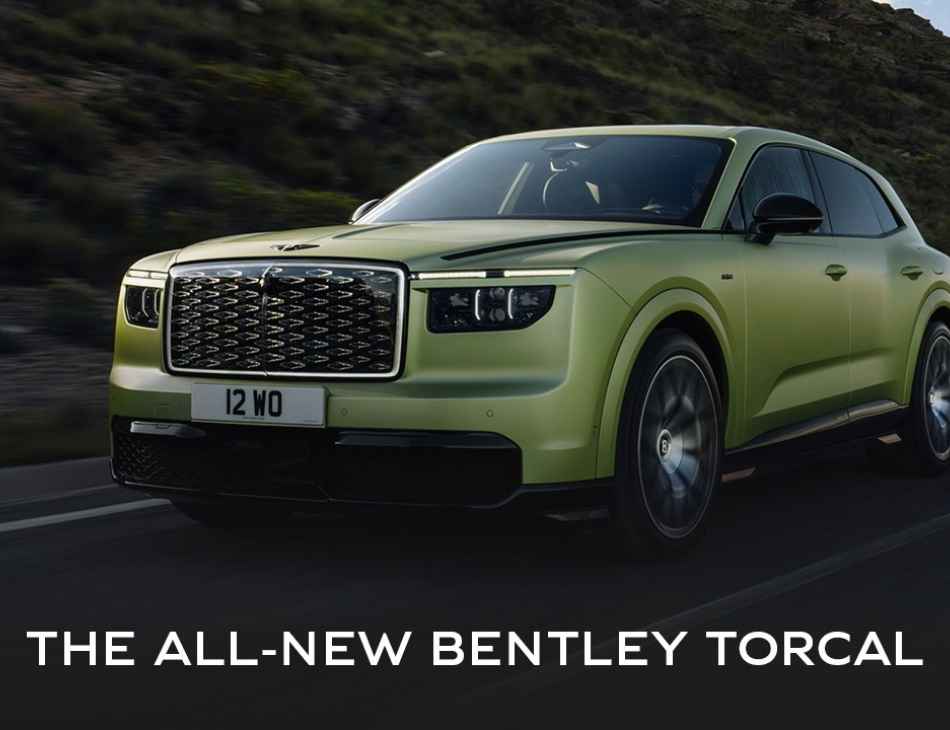
Bentley has unveiled its first fully electric car. The Torcal is a five-seat SUV with up to 876 bhp, a claimed range of 375 miles and a rather elaborate answer to the question of what a Bentley should sound like without an engine. It involves a viola. We shall come to that.
Revealed in London on the 23 of September, the Torcal becomes Bentley’s fourth model line, joining the Continental GT, Flying Spur and Bentayga. It is designed, engineered and built in Crewe, with suppliers across the UK supporting production. Electric power now sits alongside the company’s combustion and hybrid offerings.
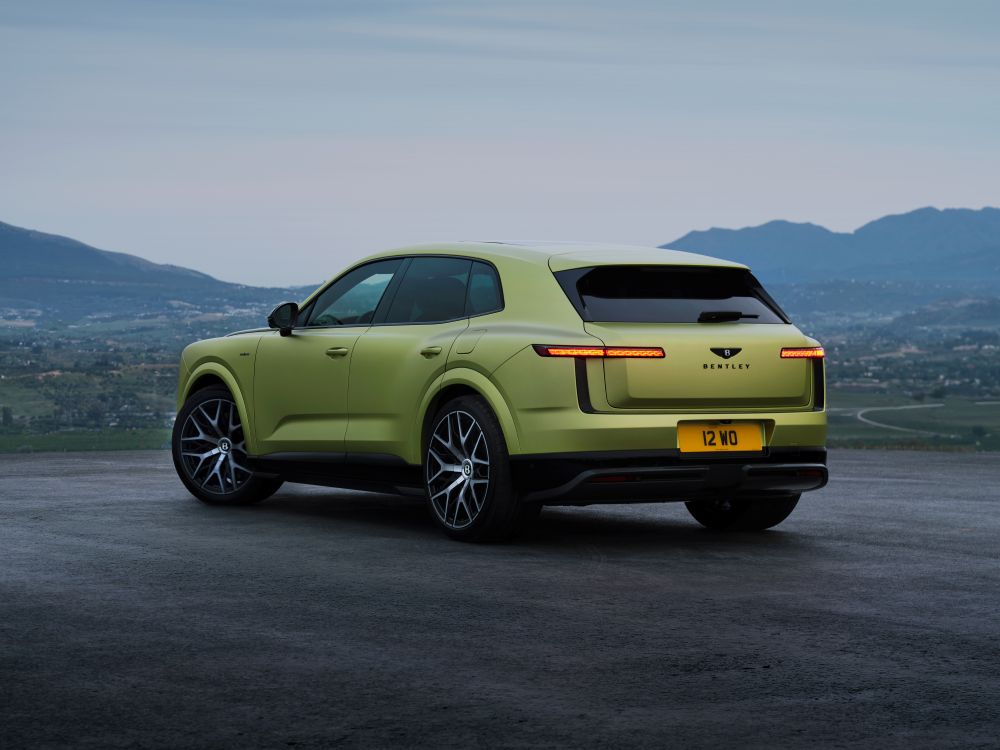
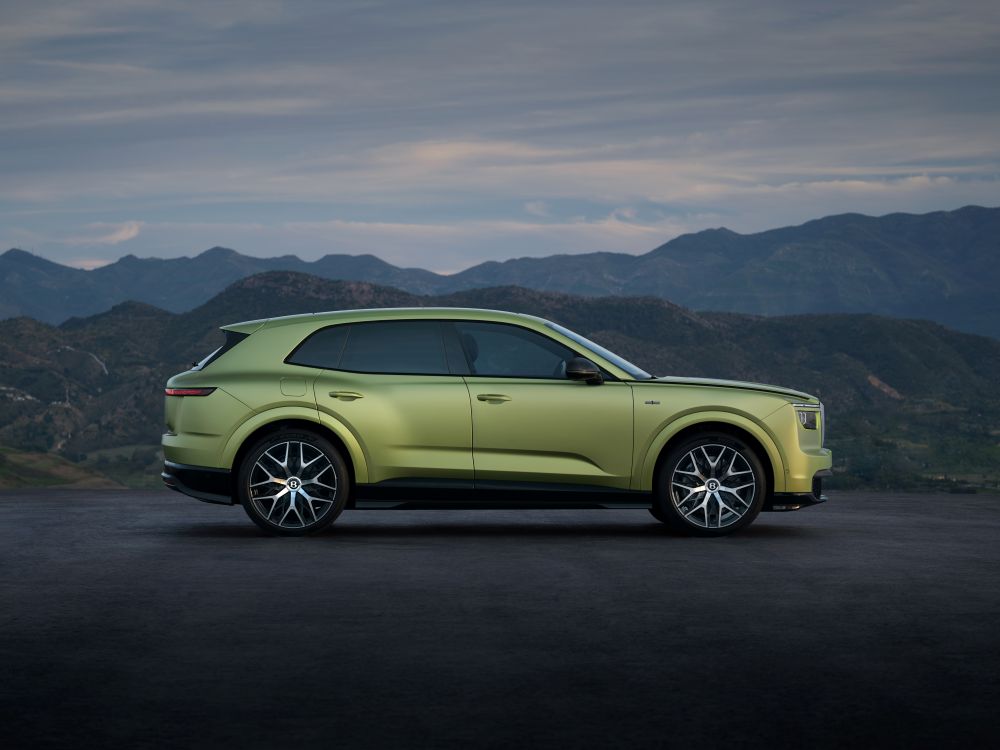
At five metres long, it is actually Bentley’s shortest four-door model. That requires a little perspective: five metres is still a substantial amount of car to introduce to a supermarket parking bay. Standard rear-wheel steering helps, turning the rear wheels by up to five degrees and reducing the turning circle in the mean time.
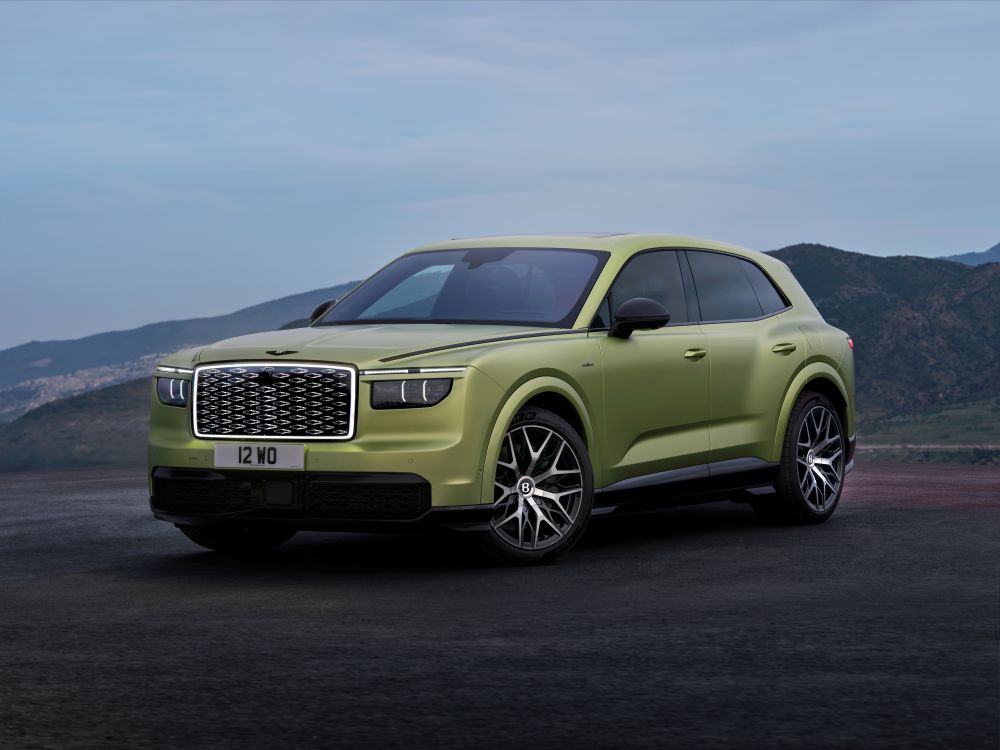
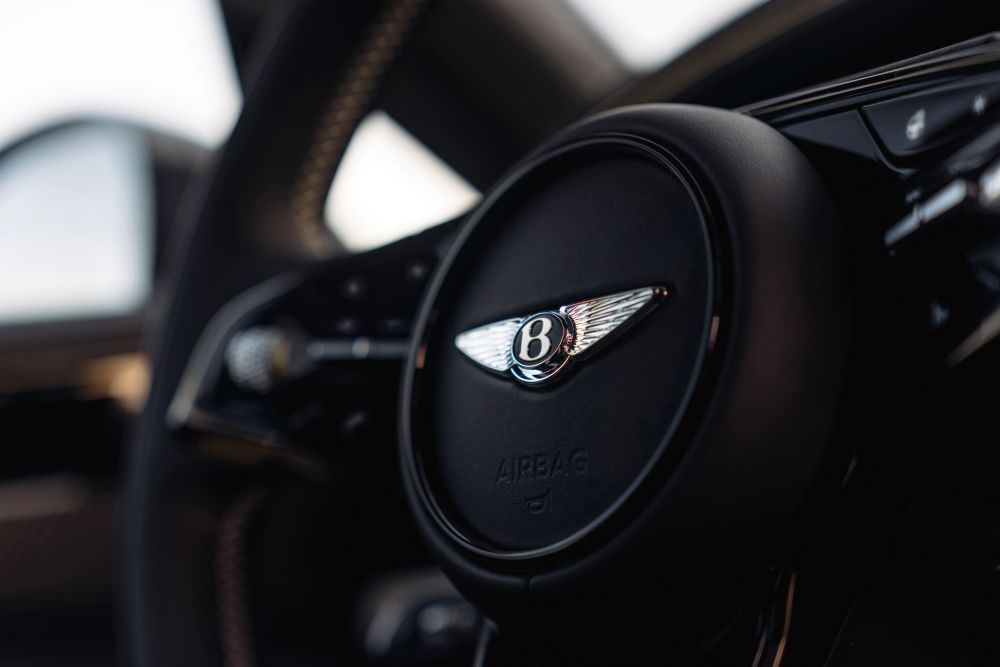
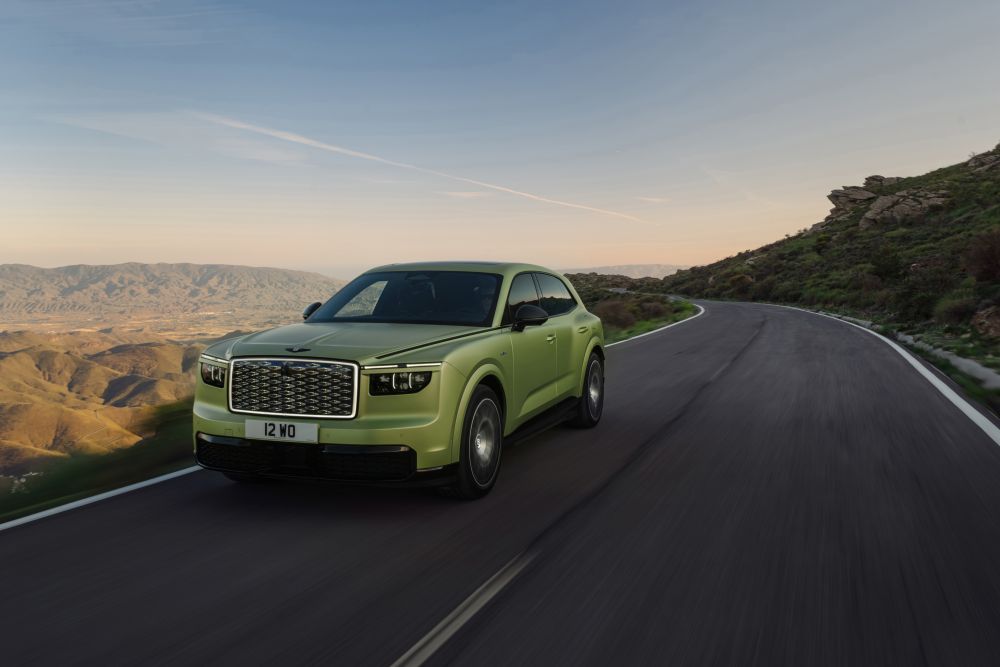
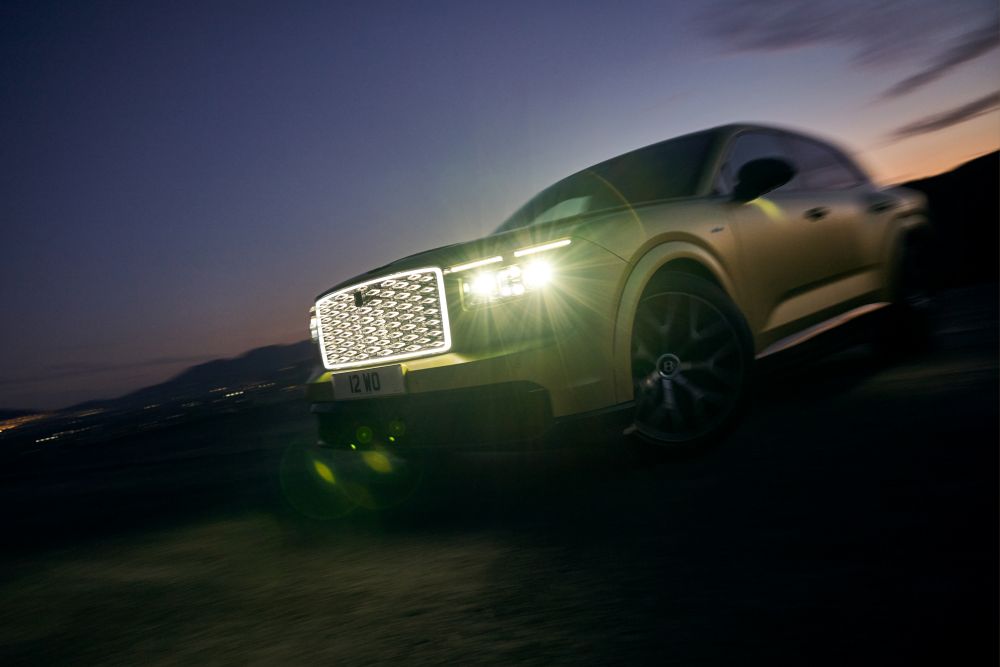
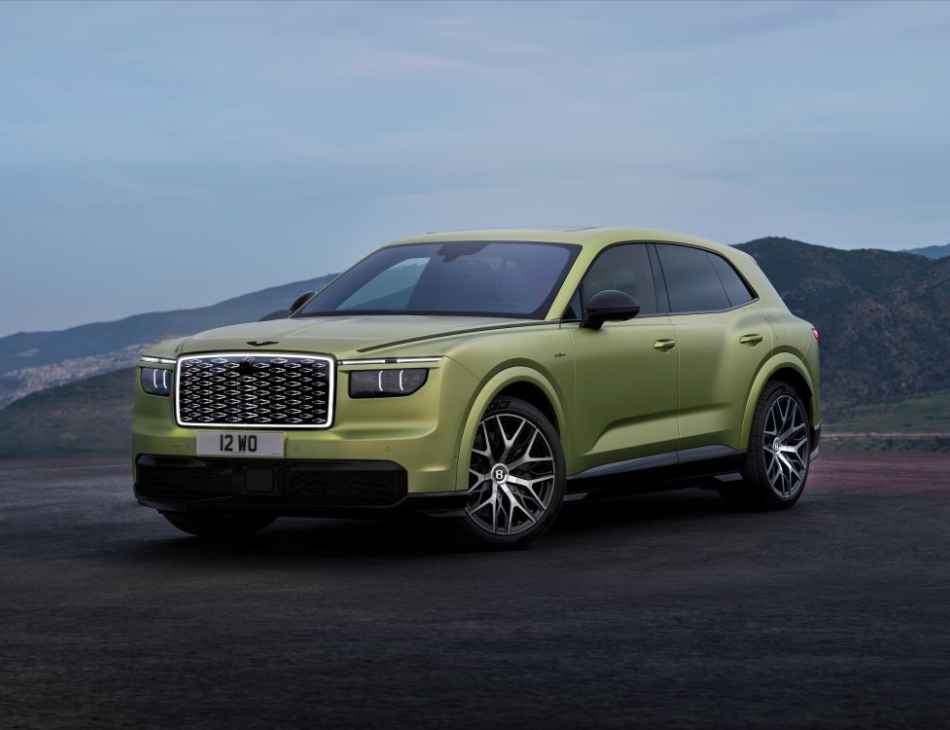
The shape introduces a fresh design direction under Robin Page. A long wheelbase and short overhangs sit beneath a cabin that narrows towards the rear, emphasising the broad haunches. The photographs show cleaner surfaces and a more upright face, with an illuminated diamond grille. It also becomes the first Bentley to wear the company’s redesigned emblem.
Two versions will be offered at launch. The standard Torcal produces approximately 810 bhp and 1,194 Nm of torque, with Bentley claiming 0–60 mph in 3.3 seconds and a 155 mph top speed. The Torcal S raises output to around 876 bhp and 1,350 Nm with Launch Control active, cutting the claimed sprint to 2.8 seconds and increasing top speed to 162 mph.
Bentley says the acceleration was deliberately kept at this level because customers find anything more extreme uncomfortable. There is something pleasingly Bentley about considering 2.8 seconds to 60 mph an act of restraint.
Both versions use two electric motors, with a locking rear differential helping manage the available torque. The battery has a net capacity of 113 kWh and an 800-volt electrical architecture. Bentley quotes up to 375 miles of WLTP range, although the release makes clear that EU range and consumption figures remain subject to type approval.
Charging capability reaches 400 kW, with Bentley claiming that approximately 100 miles of range can be added in seven minutes under suitable conditions. That is a useful headline for a car intended to cover serious distances, although actual charging speed will depend on the charger and battery conditions. The battery carries a 10-year, 100,000-mile warranty.
Arguably more interesting than the acceleration is what happens underneath. The Torcal introduces fully active suspension to Bentley, allowing each corner to be raised or lowered independently in response to the road and the driver’s inputs. The system also controls body roll, removing the need for conventional anti-roll bars.
Bentley’s ambition is to combine Flying Spur comfort with Continental GT Speed agility. That is a substantial claim and a proper assessment must wait until the car can be driven. For now, the engineering suggests that considerable effort has gone into controlling how the body moves, rather than simply generating an impressive power figure.
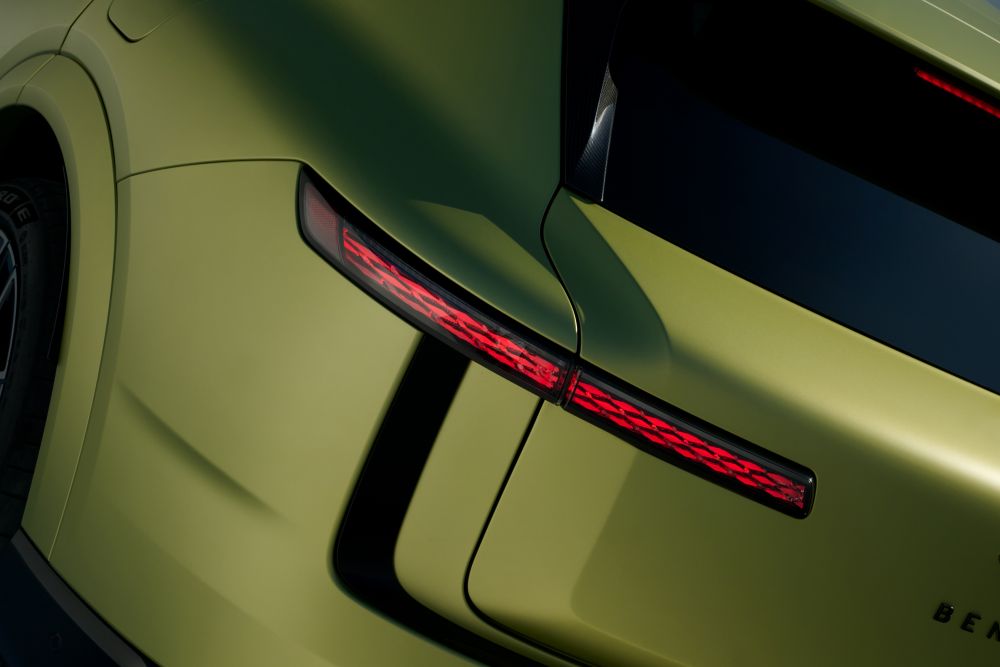
The S identifies itself through black exterior trim and mirror caps, darker rear lights, red brake callipers and a more assertive body kit. It also gets 22-inch wheels as standard, compared with the core car’s 21-inch set, plus its own upholstery treatment and piano black veneer.
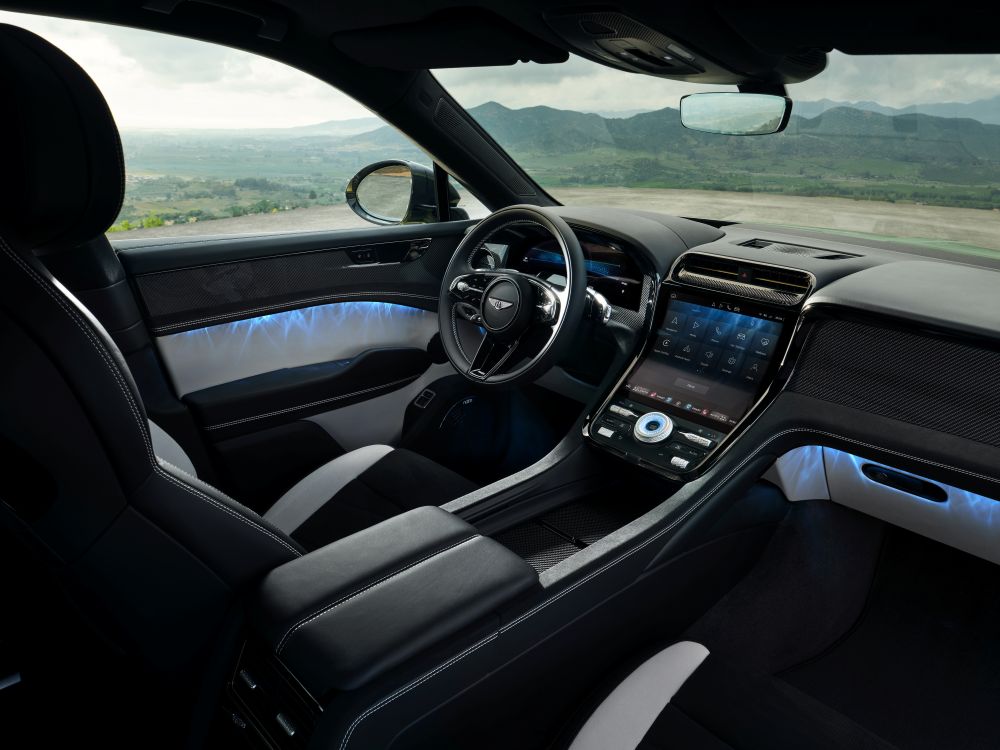
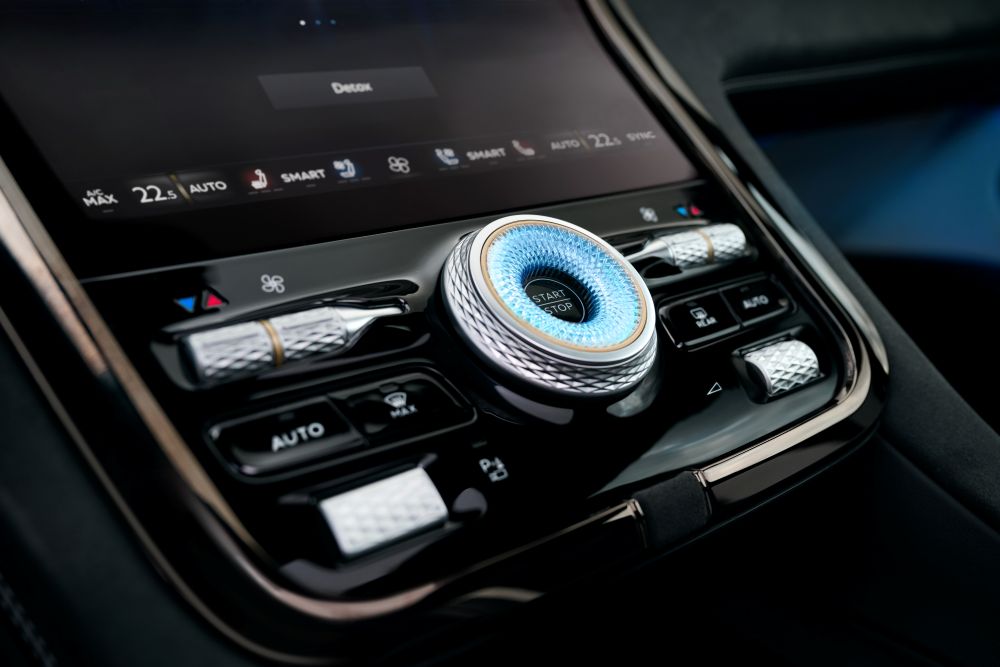
Inside, Bentley has retained physical controls on the centre console and steering wheel. The dashboard combines curved OLED screens with knurled switchgear and a new interpretation of the familiar bullseye air vents. An augmented-reality head-up display places navigation and assistance information in the driver’s view, while facial recognition can load individual preferences.
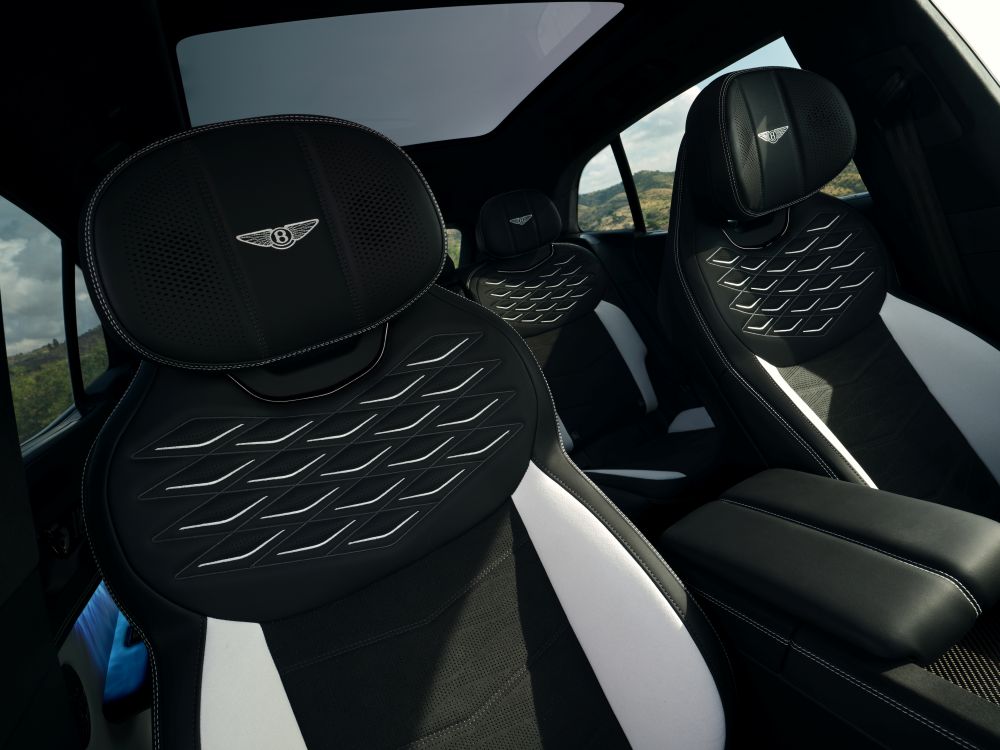
The materials deserve attention. Bentley has worked with Somerset textile firm Fox Brothers to develop what it describes as the world’s first automotive fabric made entirely from Merino wool. It also says this is the first automotive wool fabric certified to the Responsible Wool Standard.
Mulliner’s new Ombré Walnut finish uses up to 1,000 layers of walnut offcuts and recycled paper, pressed together and sliced to less than a millimetre thick. Different walnut shades create a graduated colour effect. A new Sunburst Aluminium finish offers another option, drawing on the engine-turned dashboards of earlier Bentleys.
Standard seats include 16-way adjustment, heating, ventilation, adjustable bolsters and massage. Optional systems alter pressure distribution and regulate seat temperature, while the Wellness Seat Specification extends massage to the legs. The three-seat rear bench folds electrically. Luggage space comprises a 460-litre boot and a further 90 litres under the bonnet.
Then there is the sound. Bentley has taken the rhythm of its 6¾-litre V8 as inspiration and asked musicians to create a new propulsion soundtrack using drums, viola and bass guitar. Called Bentley Dynamic Symphony, it responds to torque demand and vehicle speed, becoming more prominent in Sport mode.
It is an unusually considered response to a familiar electric-car problem, which is how to provide a sense of mechanical character when the mechanism is largely quiet. Whether the result feels natural remains to be heard. Owners who prefer silence can switch it off, which is a useful provision when your car has acquired a rhythm section.
The smaller sounds have received similar attention. The indicator noise comes from a recording of a hammer striking leather in Bentley’s upholstery workshop. Touchscreen and digital-assistant sounds draw on a crystal glass. Someone has clearly spent a very productive afternoon listening to the furniture.
For conventional music, the standard system has 16 speakers and 620 watts. An optional Naim installation increases that to 28 speakers and 1,780 watts, adding front headrest speakers, seat shakers and Dolby Atmos.
Four Experience Modes combine chassis and powertrain settings with changes to lighting, sound, climate and displays. Comfort mode can hide non-essential information, while Refresh increases fresh-air circulation and brightens the cabin. Powered doors can close when occupants fasten their seat belts and the driver’s door can close with a press of the brake pedal.
UK pricing is reported to start at £173,300. The Torcal’s appeal will depend on how convincingly all this technology serves the everyday business of travelling comfortably. Fast acceleration is already plentiful among expensive electric cars. The more interesting test for Bentley is whether the ride, controls and cabin give the Torcal a character owners will recognise.
That judgement will have to wait. On the evidence of its unveiling, however, the Torcal gives us plenty to look forward to: ambitious suspension, thoughtful materials and a welcome commitment to things you can actually press and turn. The viola is simply a bonus.