
Havana Club Releases Unión in Its Icónica Range
The Stunning Presentation
Havana Club Unión: Cuba Comes to Dinner in Paris
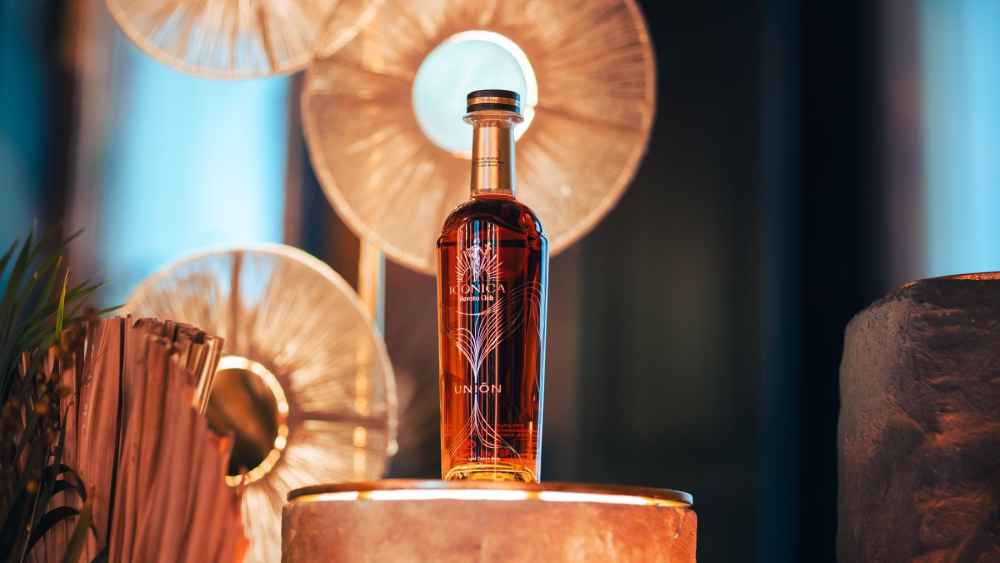
Havana Club’s latest release, Icónica Unión, completes its collection of six prestige rums. Drawing on reserves maintained by successive generations of rum masters, it brings together the producer’s approach to blending and ageing in a rum intended to accompany fine food. I travelled to Paris for the launch, where I had the opportunity to taste it alongside one of Havana Club’s Maestros del Ron Cubano.
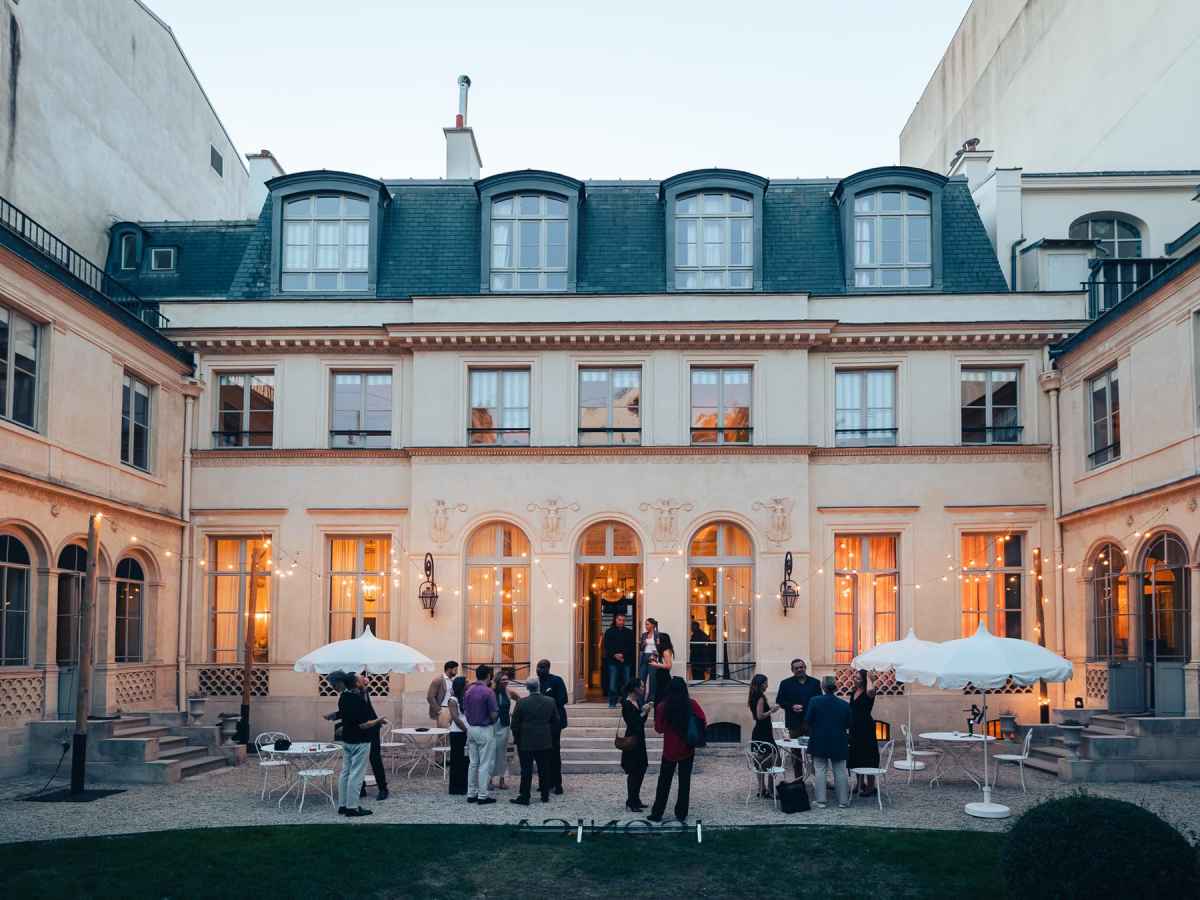
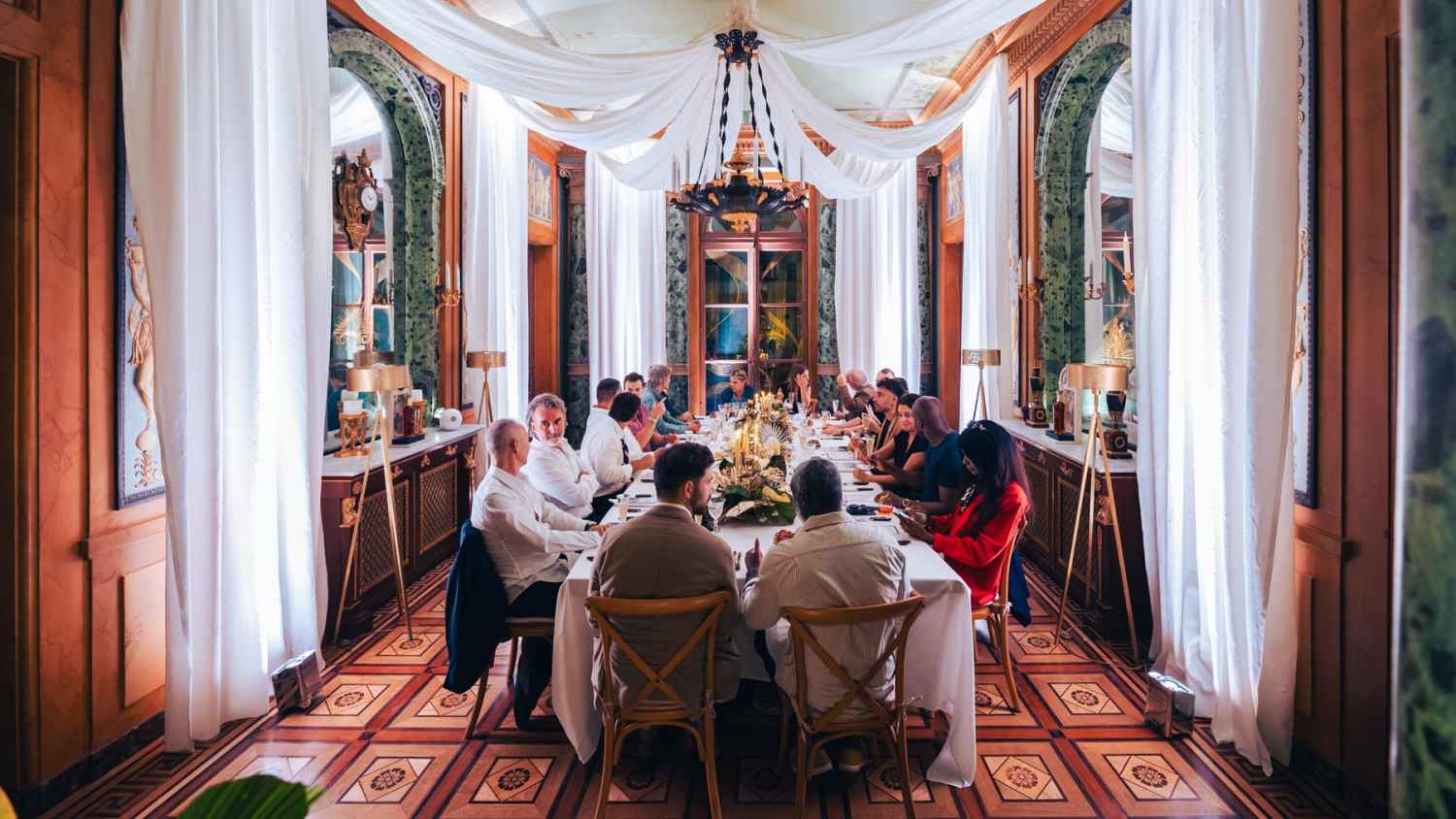
The event took place on a warm day in late September, in a private Parisian mansion with magnificent landscaped gardens. At twilight, I stood at the far end of the garden and looked back towards the house. The rich blue of the autumn sky contrasted with the warm glow from the windows. It was a magical setting.
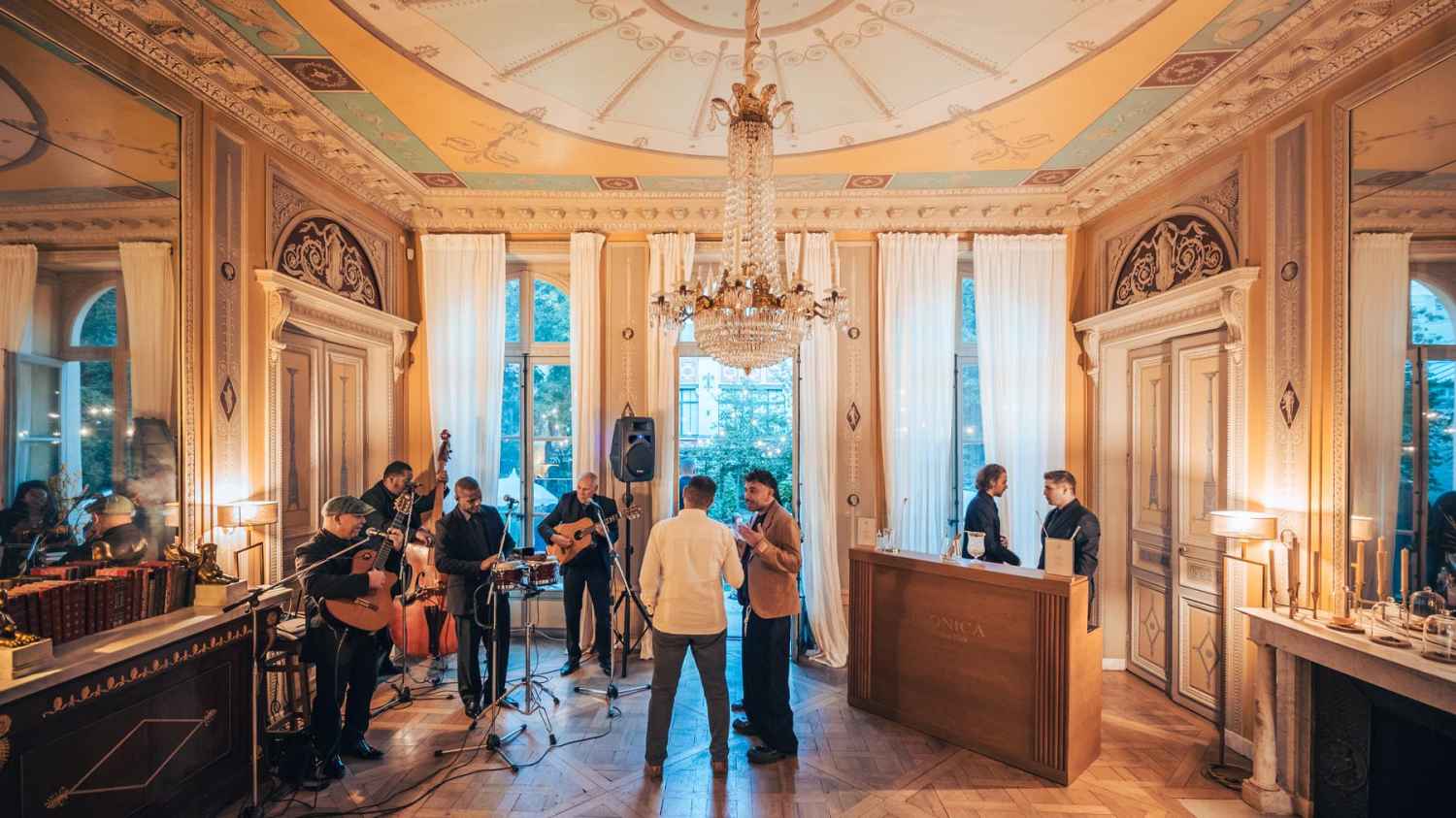
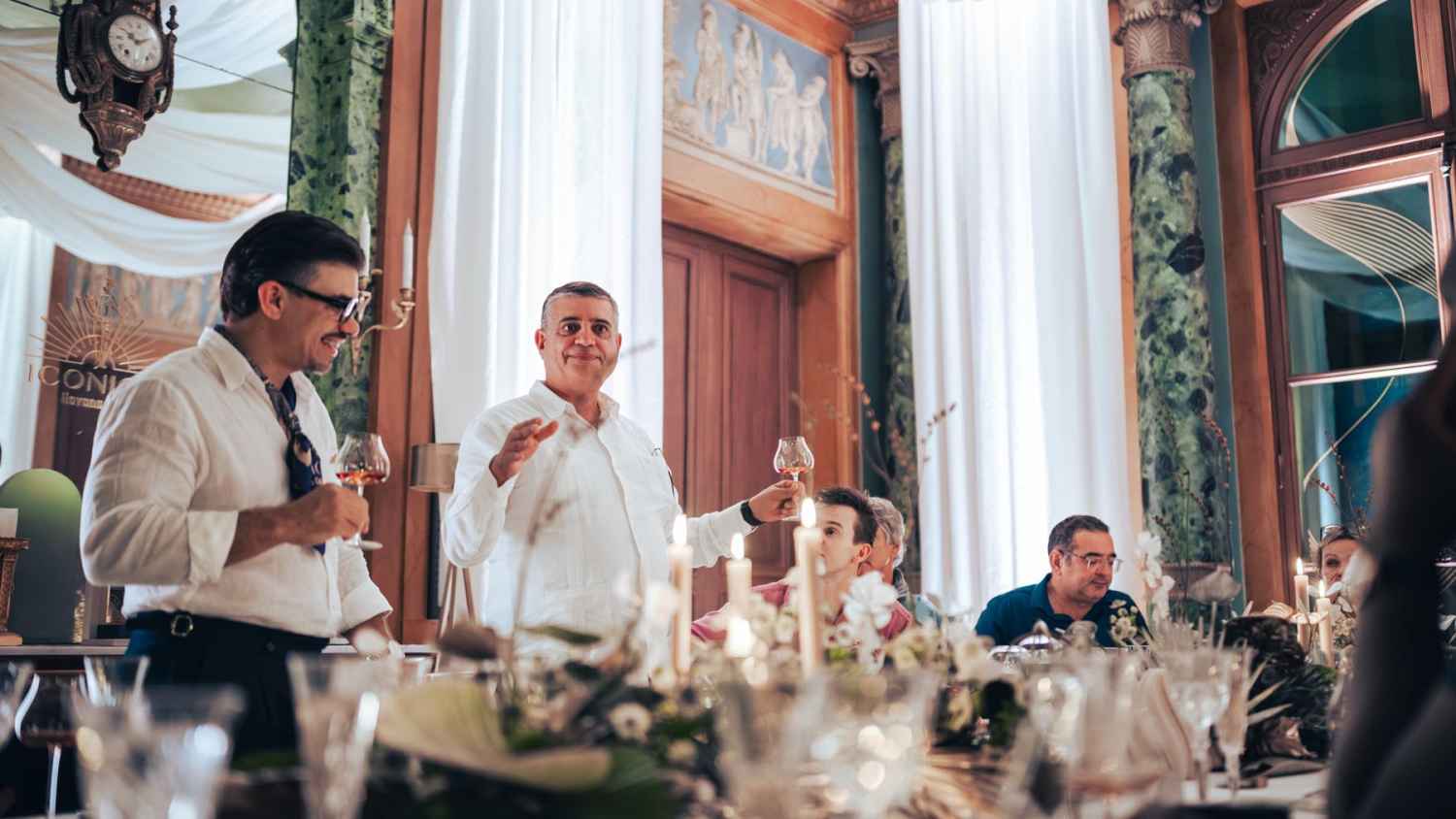
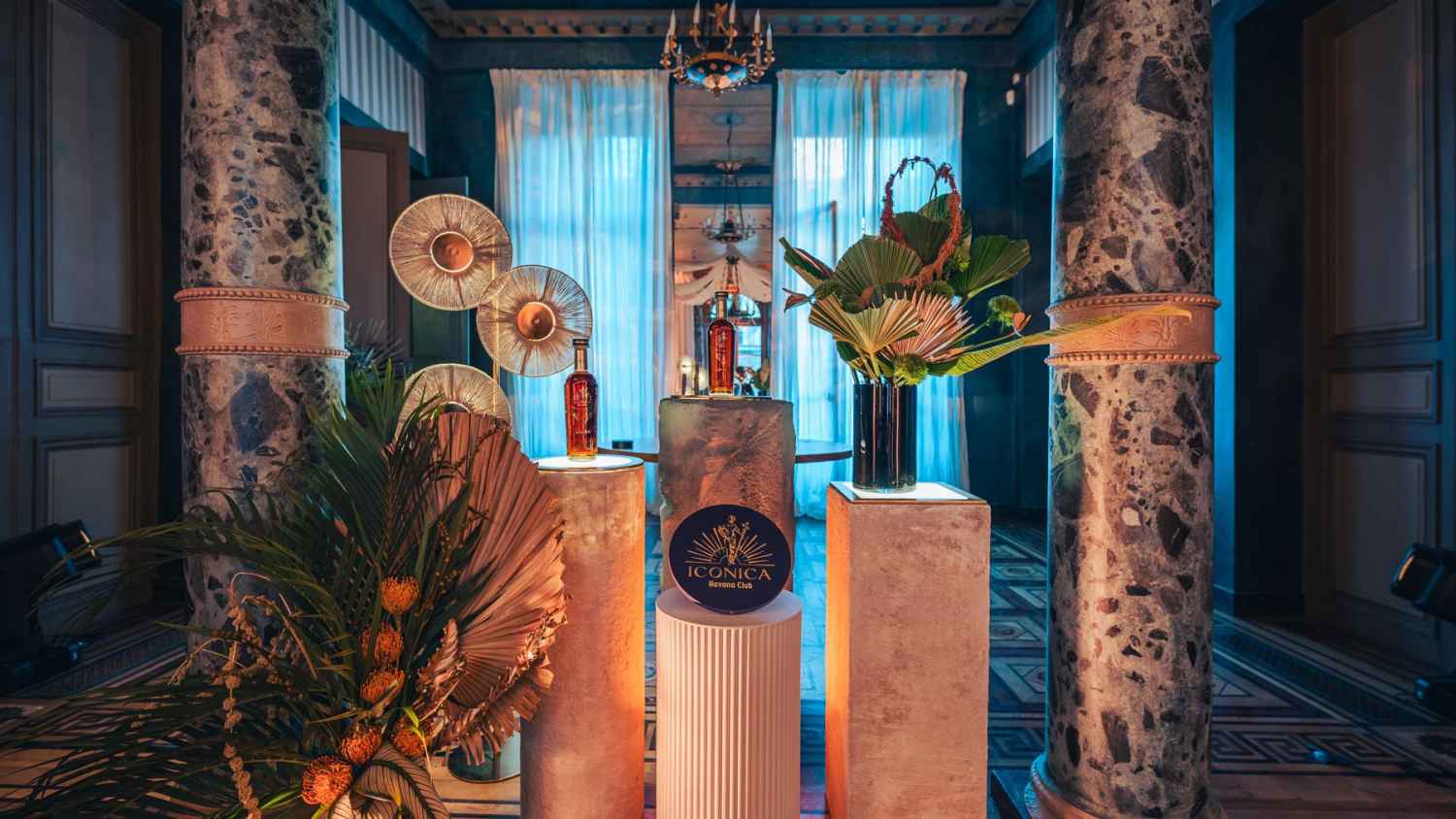
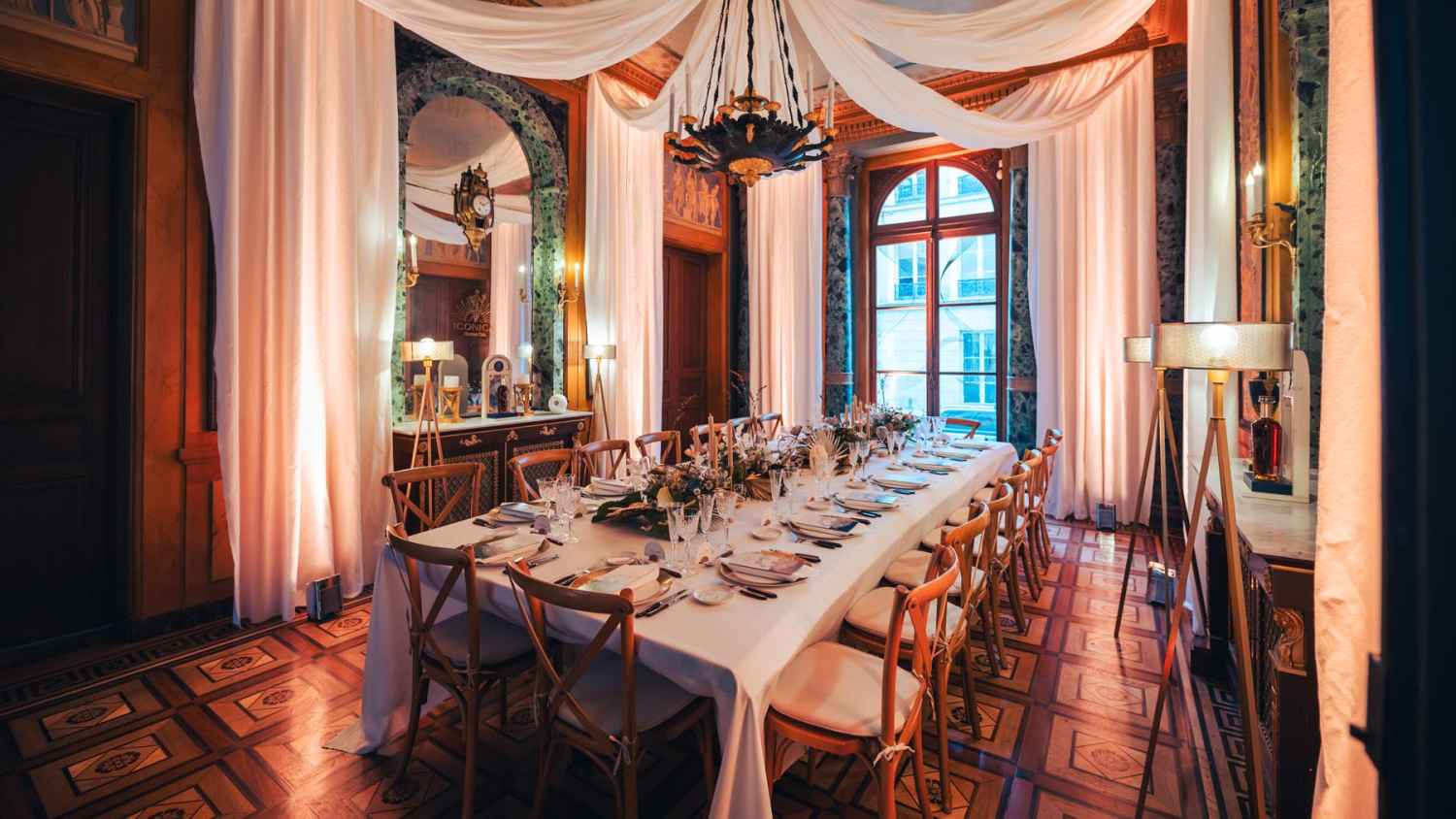
Havana Club cocktails flowed as live Cuban music accompanied the reception. There was time to catch up with fellow drinks writers before we were invited into a lavish dining room, complete with marble pillars. The place settings suggested that considerable thought had gone into the dinner ahead.
For many drinkers, Havana Club means a Daiquiri or a Mojito, but there is much more to discover. Its Icónica Collection brings together Selección de Maestros, Gran Reserva 15 Años, Don Navarro, Tributo, Máximo Extra Añejo and now Unión. These are rums that reward slow sipping, allowing time to consider their aromas, texture and developing flavours. Unión is multilayered and complex, yet approachable.
The name has a history. Havana Club first released a rum called Unión in 2015, developed by Maestro del Ron Cubano Asbel Morales in collaboration with cigar sommelier Fernando Fernández. It was designed to accompany the Cohiba Siglo VI cigar, bringing together two products closely associated with Cuba.
The tobacco references running through the Paris menu recalled that earlier collaboration. At this launch, however, the emphasis was on pairing rum with food.
There is a useful distinction between designing a meal around a spirit and serving that spirit with every course. In Paris, Unión was reserved for dessert, while Champagne accompanied the savoury dishes. The preceding courses introduced flavours associated with the rum, giving the evening a clear progression. By the time we tasted Unión, vanilla, cacao, sugarcane and tobacco had already appeared on the menu in different forms, which was a great build up to it.
Understanding the rum itself requires a closer look at how Havana Club manages its mature stocks. Unión brings together four aged components from its reserves, each of which has undergone further maturation within the producer’s continuous ageing system.
The principle is easier to understand as a succession of blending and maturation decisions. Rums spend time in oak, selected stocks are brought together, and those blends return to cask for further ageing. Portions of mature reserves are retained for future blends, carrying characteristics developed over many years into subsequent releases.
To make sense of the rum, you have to look at the way Havana Club handles its cellars. It is not a straightforward matter of filling a barrel, waiting a decade, and dumping it into a tank. The house relies on an unbroken chain of continuous ageing.
Think of it as an ongoing liquid archive. Rum spends years in white oak, components are married together, and those new blends go right back into seasoned casks for another spell. When a batch is drawn for bottling, a portion of the mature liquid stays behind to seed the next iteration. A single exceptional cask might contribute to several successive generations of spirits, carrying an older thread of flavour into releases decades down the line.
The late José Navarro formalised this approach back in the nineteen seventies. It demands an encyclopaedic memory and exceptional sensory discipline. In practice, the maestros must juggle two distinct distillates from Cuban molasses: the robust, intensely flavourful aguardiente and the crisper, lighter cane spirit. Maturation in older barrels softens the wood influence, allowing the rum to evolve without being overwhelmed by aggressive oak tannins.
For anyone who drinks Scotch single malts or bourbon, this requires a mental shift away from the comfort of an age statement. The phrase “extra aged” tells you very little about the calendar years involved, nor should it. This is all about balance, integration and mouthfeel.
Four years ago, UNESCO added Cuba’s rum making heritage to its register of Intangible Cultural Heritage. The safeguard is not for the buildings or the stills, but for the accumulated human memory: the ability to read a warehouse of silent casks, anticipate how disparate parcels will converse in the vat, and pass that unwritten lexicon down to the next generation. Sitting in that dining room, that lineage felt entirely tangible.
The menu interpreted the rum’s flavours through a delicious sequence of dishes. It drew on ingredients associated with Cuba while incorporating influences from elsewhere, with each course carrying a heading linked to production: Maturation, The Golden Age, Distillation and, finally, The Revelation.
Crisp langoustines were served with puffed quinoa, aji amarillo and vanilla butter. Blue lobster followed with blond tobacco brown butter and plantain. These opening dishes introduced vanilla and tobacco in a culinary setting, preparing the ground for the more substantial flavours of the main course.
Wagyu fillet, grilled over sugarcane charcoal, arrived with an aji panca and cacao jus alongside smoked manioc. Sugarcane provided a direct connection to rum’s raw material, while cacao established a link with the chocolate course to come.
RSRV 4.5 Champagne accompanied the savoury courses. With Unión held back until dessert, there was time to enjoy each dish before turning our attention to the rum.
A sensational palate cleanser of lime and passion fruit sorbet with coconut milk preceded an Araguani chocolate ganache with subtle smoke, vanilla roasted pineapple and cocoa nibs caramelised with tobacco.
Unión was poured alongside it. In the glass, I found roasted coffee, bitter chocolate, dried orange peel and dry wood, giving the dessert several points of connection. Chocolate was the most obvious, but the pineapple and vanilla gave the plate more range, while the tobacco recalled Unión’s association with cigars.
The pairing also gave me a reason to keep returning to the glass just to nose it. I find that doing this alongside food encourages you to find individual flavours.
It has been bottled at 40% ABV and there is definite pleasure in simply taking your time with it, allowing the aromas to develop and considering how the fruit, wood and darker flavours sit together.
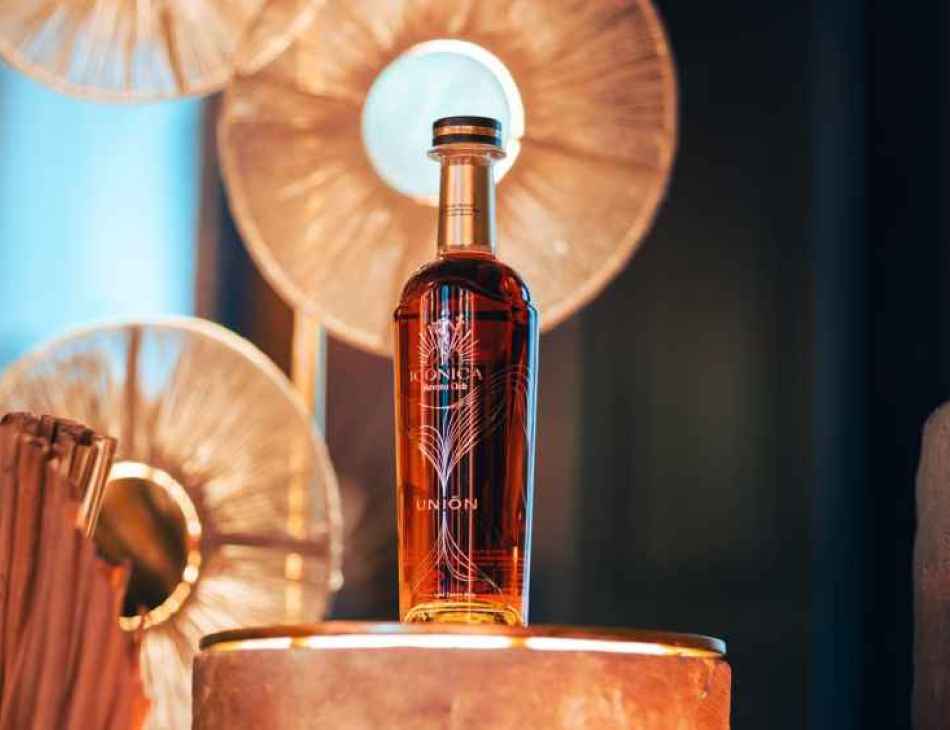
Its presentation reflects the importance Havana Club places on this rum. The decanter has gold detailing intended to show the passage of rum between generations. The Giraldilla appears on the stopper, while the presentation box is made entirely from paperboard, with a rotating interior that displays the bottle.
It would make an impressive gift, although I would like this for myself. At home, a measure of Unión alongside a square of good dark chocolate would offer a straightforward way to explore the combination. I would begin by tasting the rum on its own, then return to it after the chocolate. You may not have the Parisian mansion, the marble pillars or the Cuban musicians, but the pairing is simple enough to enjoy in your own home.
Union is available from Master of Malt for £399