

New Honda Prelude at Harewood Downs Golf Club: Old-Fashioned Standards, Modern Thinking
An immaculate course, spectacular Chiltern scenery and a genuinely welcoming atmosphere. Harewood Downs Golf Club proves that tradition and progress can coexist rather successfully. Chris Walsh visits with Honda's award-winning new Prelude.
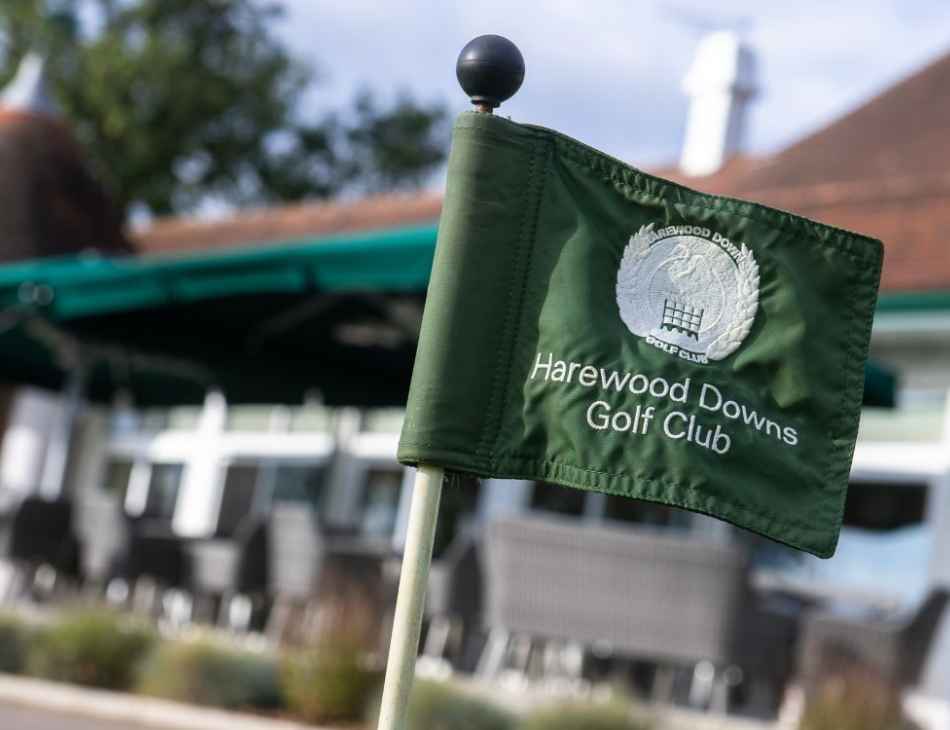
Harewood Downs Golf Club
There is something particularly British about organising two days of golf and discovering that the weather has other ideas. Our first day at Harewood Downs Golf Club in Buckinghamshire was, to use the appropriate meteorological terminology, a complete washout. Not the occasional shower that encourages a golfer to demonstrate a little determination, but proper, sustained rain that makes you question whether golf was ever a sensible outdoor pursuit in this country.
There was, however, something revealing about the experience. Despite the conditions, the course held up remarkably well. The greens remained immaculate, the hazards were beautifully maintained and the general standard of presentation was difficult to fault. It was an impressive demonstration of the work taking place behind the scenes and suggested that Harewood Downs would make a particularly dependable choice during the less hospitable winter months.
Situated near Amersham, overlooking the Misbourne Valley and rolling Chiltern Hills, Harewood Downs occupies a particularly attractive stretch of countryside. Established in 1907, the club has more than a century of golfing history behind it but there is nothing tired or complacent about the way it presents itself today.
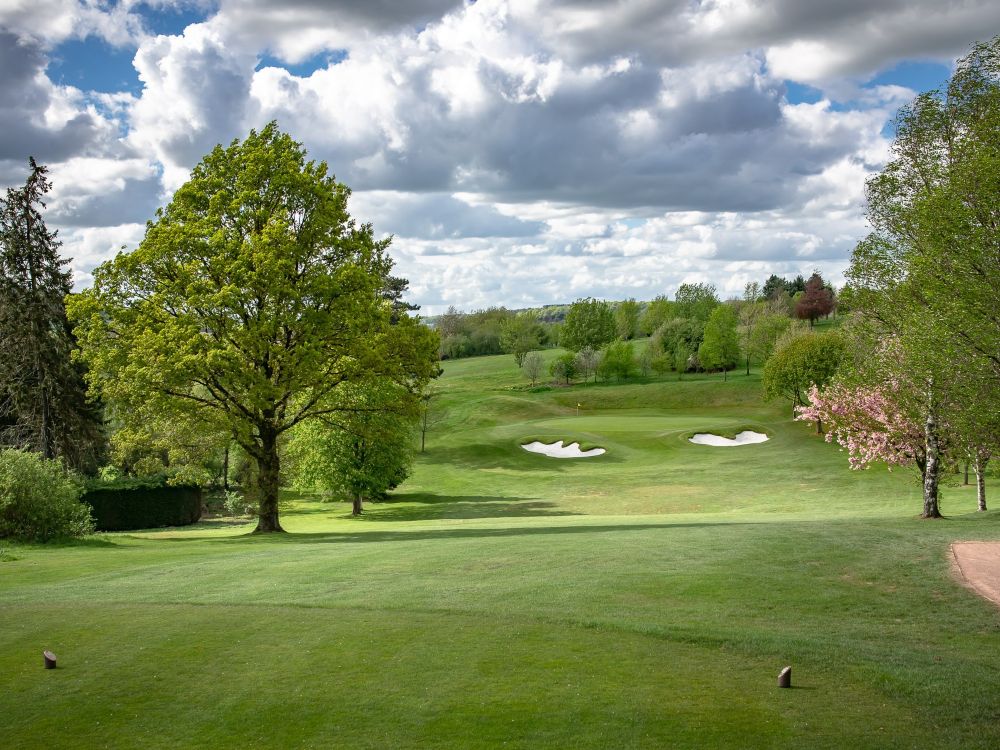
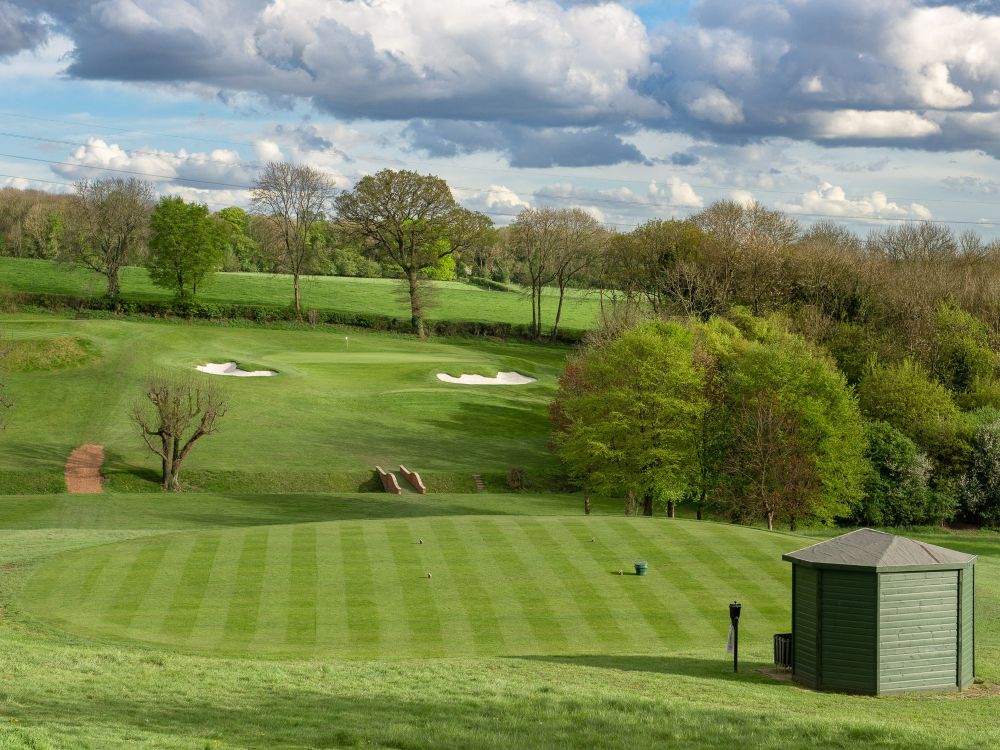
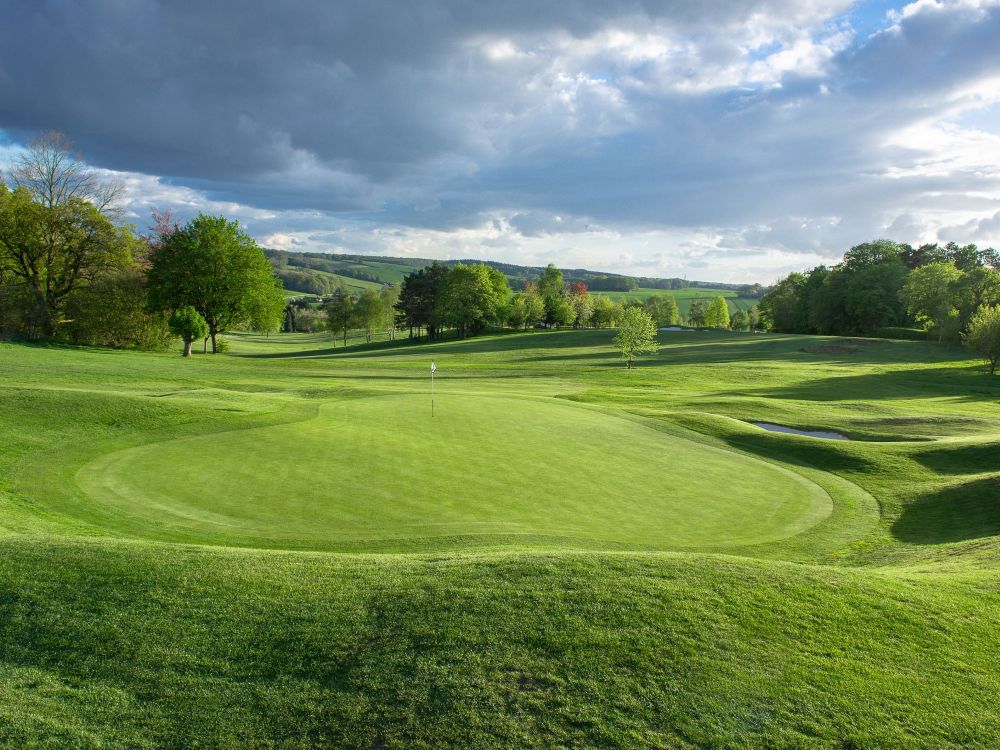
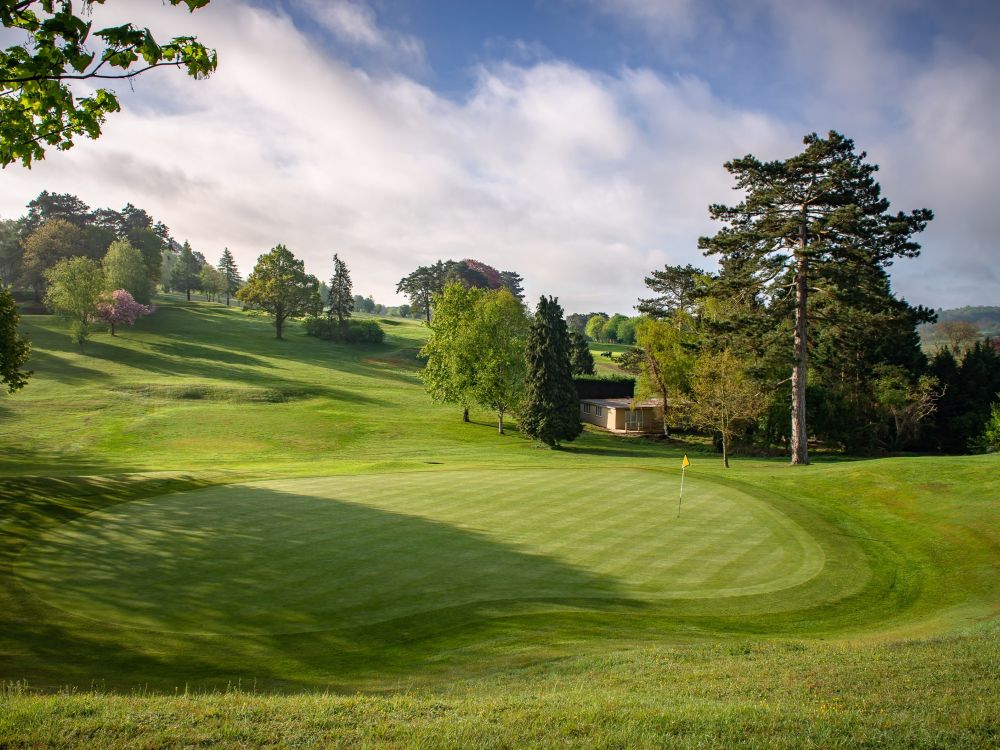
The landscape is immediately appealing. Mature trees frame the fairways, the surrounding hills provide an attractive backdrop and the course follows the natural contours of the land rather than attempting to disguise them. Those undulations are central to its character, with elevated tees and numerous blind drives requiring a little faith, particularly on a first visit when you are asked to select a line towards a distant point and trust that something resembling a fairway exists beyond it.
At around 6,000 yards from the white tees and playing to a par of 69, Harewood Downs is not especially long by modern standards. With five par threes, the more optimistic visitor might anticipate a respectable score. Unfortunately, the designers appear to have anticipated this line of thinking and made alternative arrangements.
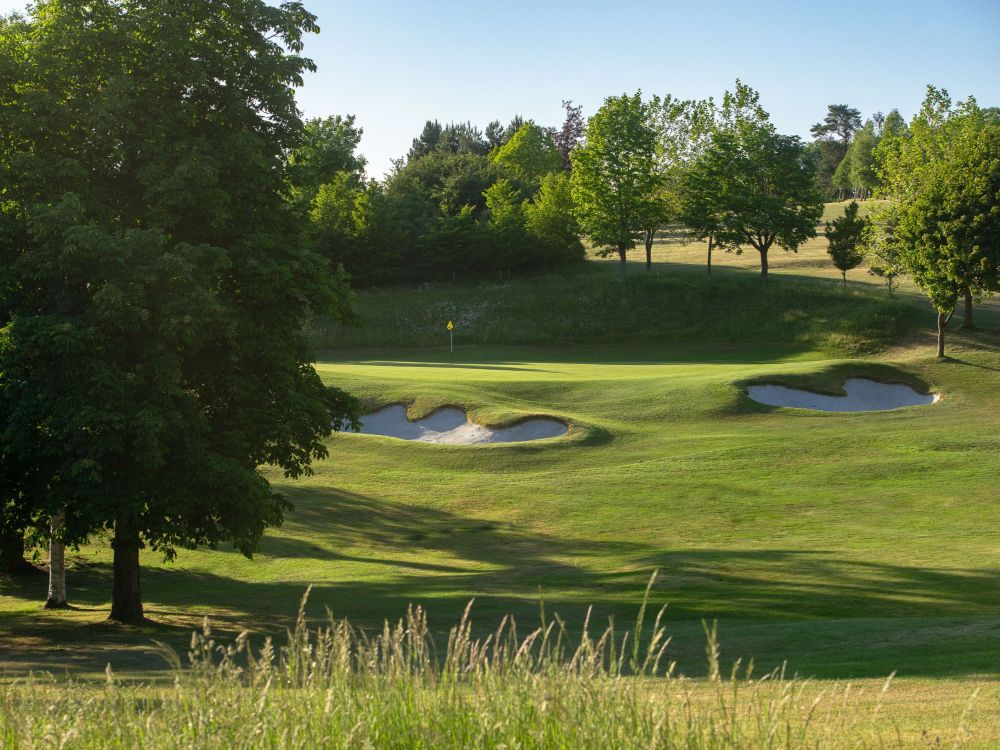
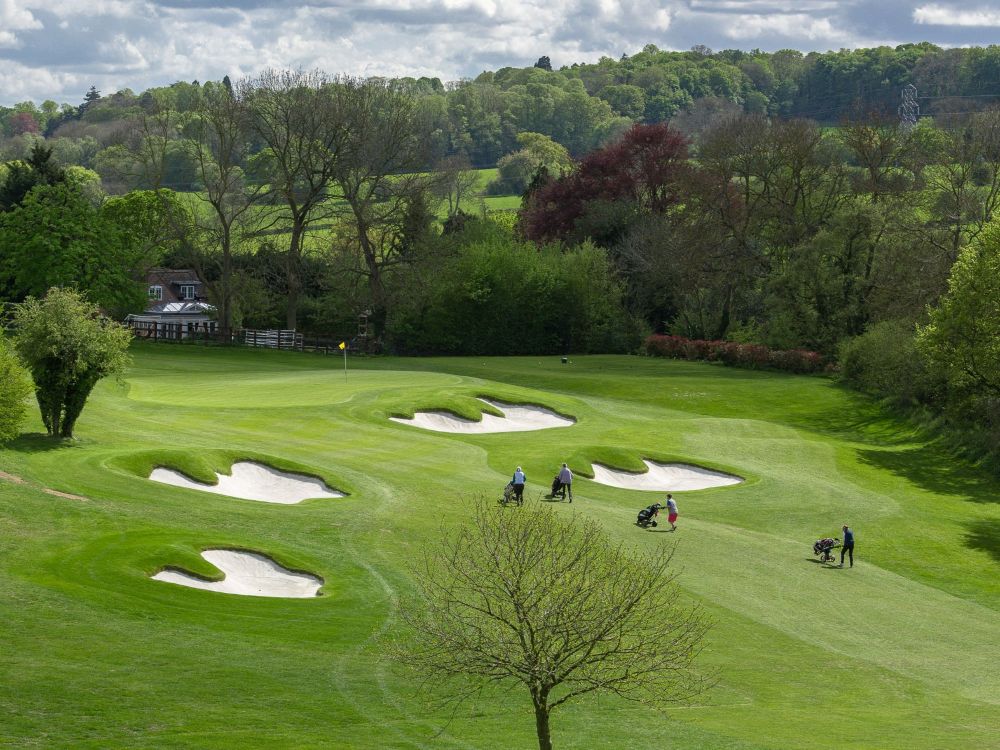
The course makes excellent use of its topography, with sloping approaches, cleverly positioned bunkers and well-defended greens demanding considerable accuracy.
What impressed me most was how distinctive the holes felt. On some courses, particularly those constructed across relatively featureless terrain, the holes begin to merge into one another. Not here. Each has enough individuality to remain memorable, whether through its elevation, surrounding landscape or particularly demanding approach.
As a higher-handicap golfer, I found the course challenging without becoming unnecessarily punishing. There was a satisfying balance between difficulty and reward, with good shots generally receiving the recognition they deserved. Poor shots, naturally, received a rather different response.
Two holes in particular deserve attention. The par-three 8th, measuring 198 yards from the white tees, is beautifully presented, with strategically positioned bunkering protecting an inviting green. The task appears straightforward enough: select the appropriate club, strike the ball cleanly and admire the result. Except that my interpretation of what constitutes a 198-yard shot appears to differ quite considerably from the laws of physics.
The 12th offered little opportunity for redemption. At 200 yards, this is another formidable par three, with a beautifully sculpted green complex and bunkers that appear specifically designed to collect golf balls from people who have overestimated their abilities. Once again, my approach fell embarrassingly short of its intended destination.
Both holes are excellent, although I suspect I would appreciate them considerably more after another visit and a more realistic assessment of my own distances.
The quality of the playing surfaces deserves particular praise. Even following the dreadful weather, the greens were in outstanding condition, while the bunkers and surrounding hazards reflected an obvious commitment to course maintenance. This is no accident. The club has undertaken substantial improvements, including the reconstruction of its greens to USGA specifications and an extensive bunker renovation programme with respected architects Mackenzie & Ebert.
Harewood Downs has also invested in the technology and infrastructure required to maintain those standards. Five autonomous Belrobotics BigMow machines assist with fairway maintenance, allowing the greenkeeping team to concentrate on more specialised work. There is something faintly amusing about an Edwardian golf club employing robotic lawnmowers, but the environmental and operational benefits are considerable.
More significant still is the completion of a substantial reservoir capable of storing approximately 19,500 cubic metres of water. Designed to capture and recycle drainage water for irrigation, it reduces the club's reliance on mains supplies during prolonged dry periods. With increasingly unpredictable British summers, this is a particularly sensible investment and demonstrates a longer-term approach to protecting the quality of the course.
There is plenty of history here, too. Harewood Downs has welcomed some distinguished figures, including six-time Open champion Harry Vardon, former Ryder Cup captain Luke Donald and Justin Rose. Its association with the Douglas Johns Trophy is particularly noteworthy, with the prestigious junior competition hosted by the club since 1993. Rose won the event in 1995, long before his major championship success, while other former champions include Oliver Fisher, Marco Penge, Alex Fitzpatrick and Kris Kim. Hampshire youngster Tiago Fernandes added his name to the list in 2026.
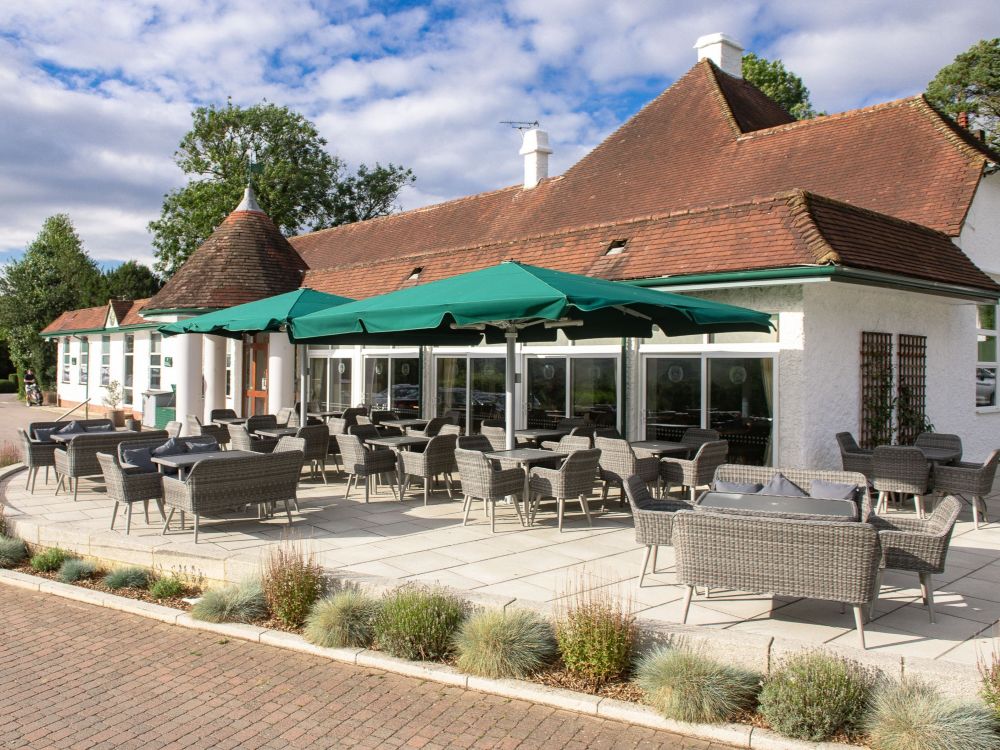
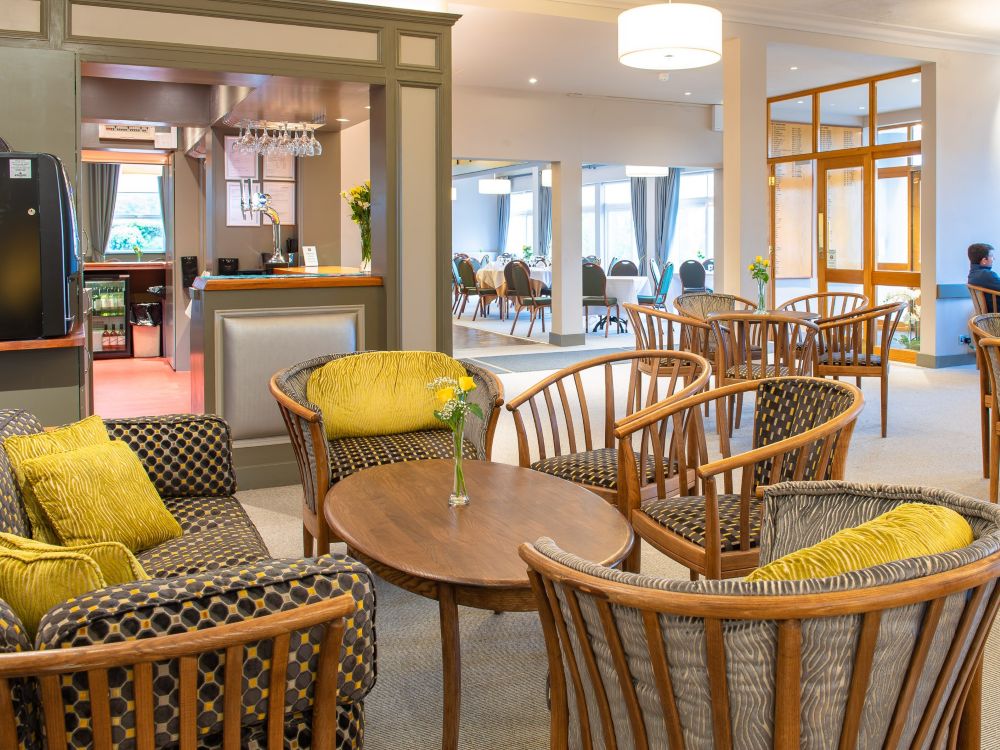
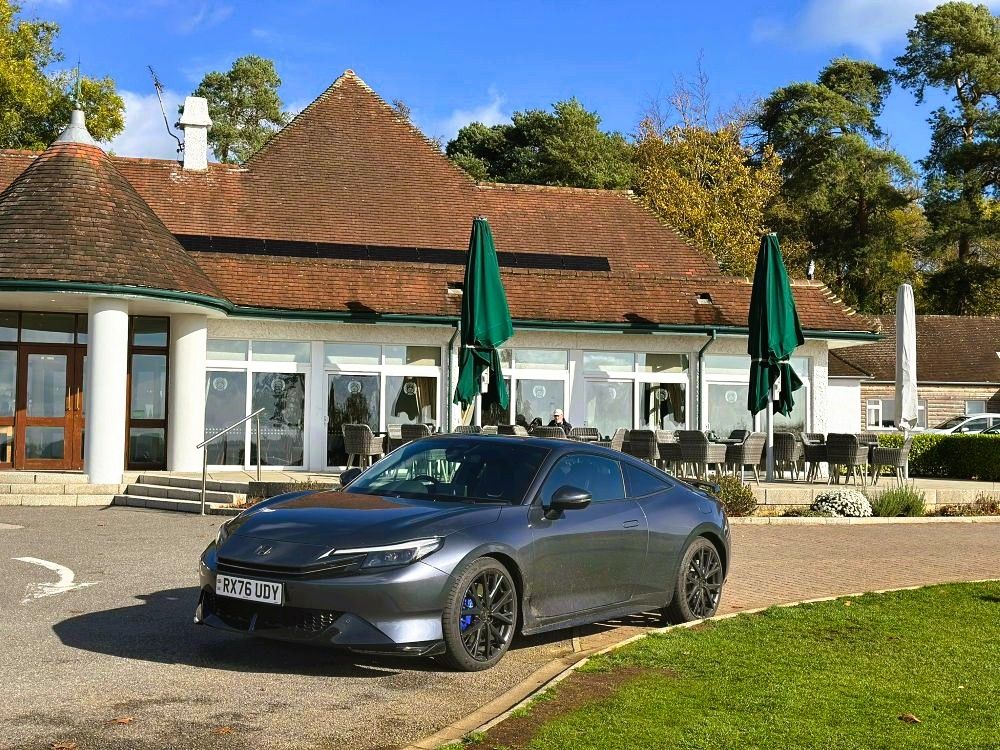
Away from the fairways, the club provides extensive practice facilities, professional coaching, a well-stocked golf shop and an indoor Swing Studio. Yet perhaps the most noticeable improvement is the clubhouse itself, which has undergone an extensive refurbishment. The results are excellent. The interior is smart, contemporary and comfortable without becoming unnecessarily fashionable, while the substantial outside terrace offers lovely views towards the course and the Chilterns.
It is a considerable improvement on the dated interiors still encountered at some traditional members' clubs, where the furnishings occasionally appear to have been selected around the same time as the original membership rules. At Harewood Downs, the clubhouse feels properly modernised while retaining the atmosphere of an established golf club. It is an excellent place to spend time, whether enjoying a meal, discussing the round or simply making the most of the surroundings.
But good facilities are only part of the equation. The people at Harewood Downs were genuinely lovely. From the initial welcome through to the atmosphere around the club, there was a refreshing absence of the aloofness sometimes associated with traditional members' establishments. It felt friendly, relaxed and thoroughly professional.
The club's commitment to staff development, including specialist management training through the Club Management Association of Europe, is further evidence of an organisation investing in the people responsible for its success.
As a golfing destination, Harewood Downs makes a convincing case for itself. The setting is beautiful, the course memorable and the standard of maintenance exceptional. Add the refurbished clubhouse and excellent hospitality and it becomes somewhere I would happily recommend, particularly to golfers who appreciate traditional parkland golf without the unnecessary ceremony.
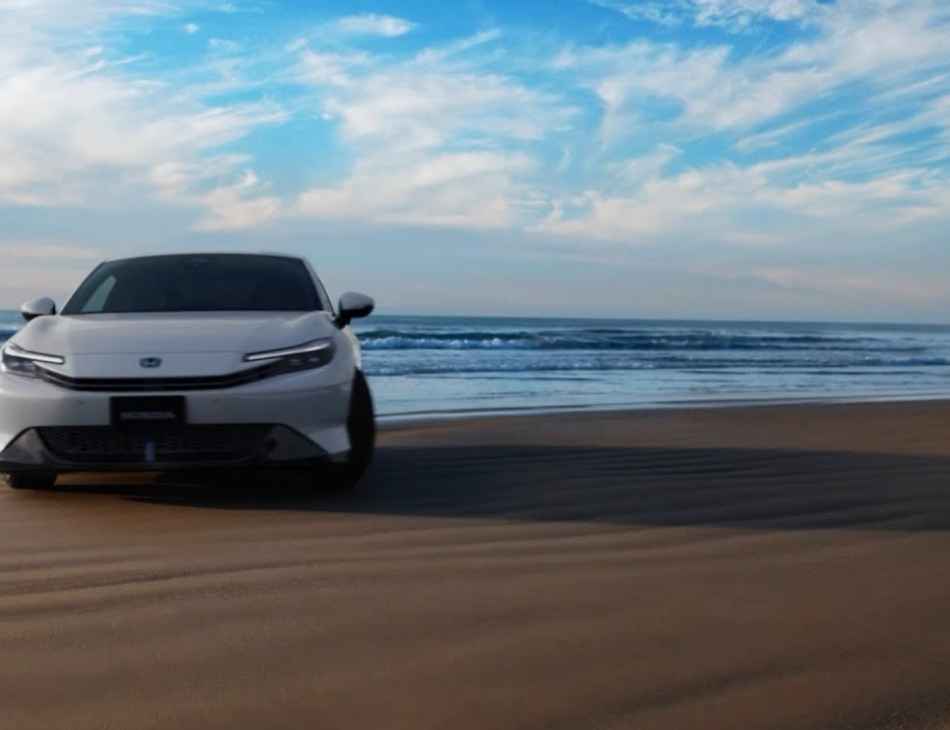
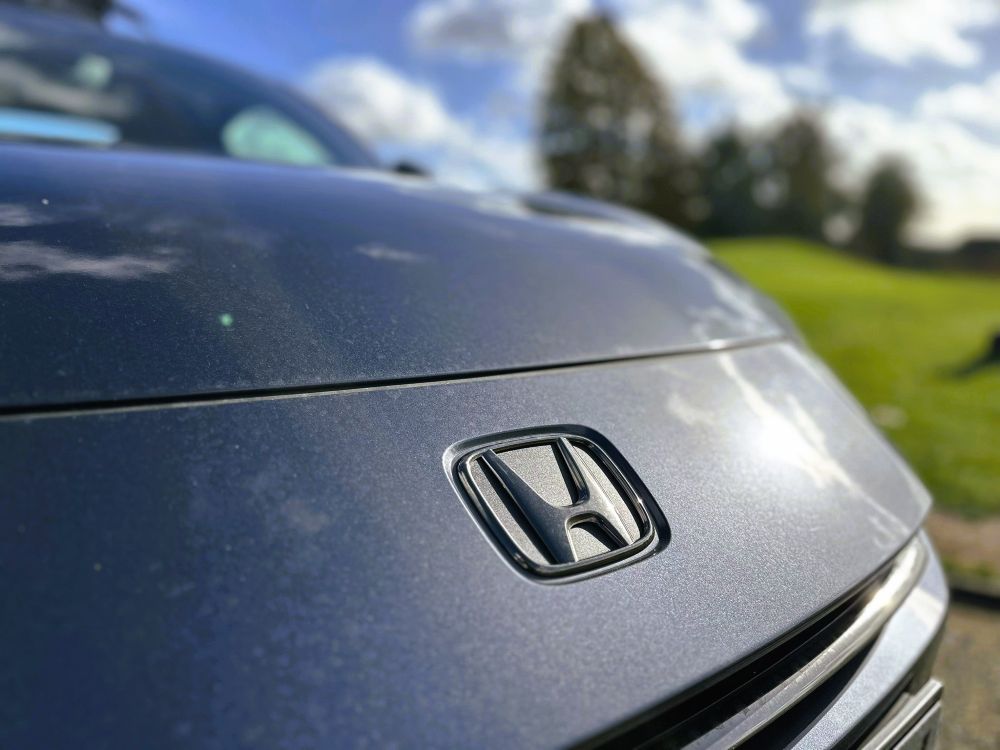
For this particular journey, my transport was Honda's new Prelude, a car that has attracted considerable attention since the return of the famous nameplate after a 25-year absence. More recently, it was named Best Hybrid Car at the 2026 Autocar Awards, an accolade that might initially seem surprising when examining the performance figures.
Powered by Honda's 2.0-litre e petrol-electric hybrid system, the Prelude produces 184PS (or approximately 181bhp) and reaches 62mph in 8.2 seconds. Its top speed is a comparatively modest 117mph. Hardly the sort of figures that ordinarily generate excitement among sports car enthusiasts, particularly when relatively ordinary electric saloons can deliver acceleration that would once have embarrassed a supercar.
Yet the Prelude is a considerably more interesting machine than those numbers suggest. The hybrid system automatically switches between electric, hybrid and engine-driven operation depending on the circumstances. Much of the time, the electric motor provides propulsion while the petrol engine generates electricity, occasionally running without directly powering the wheels. It is clever engineering, although it takes some getting used to when the engine starts operating for reasons apparently unrelated to your right foot.
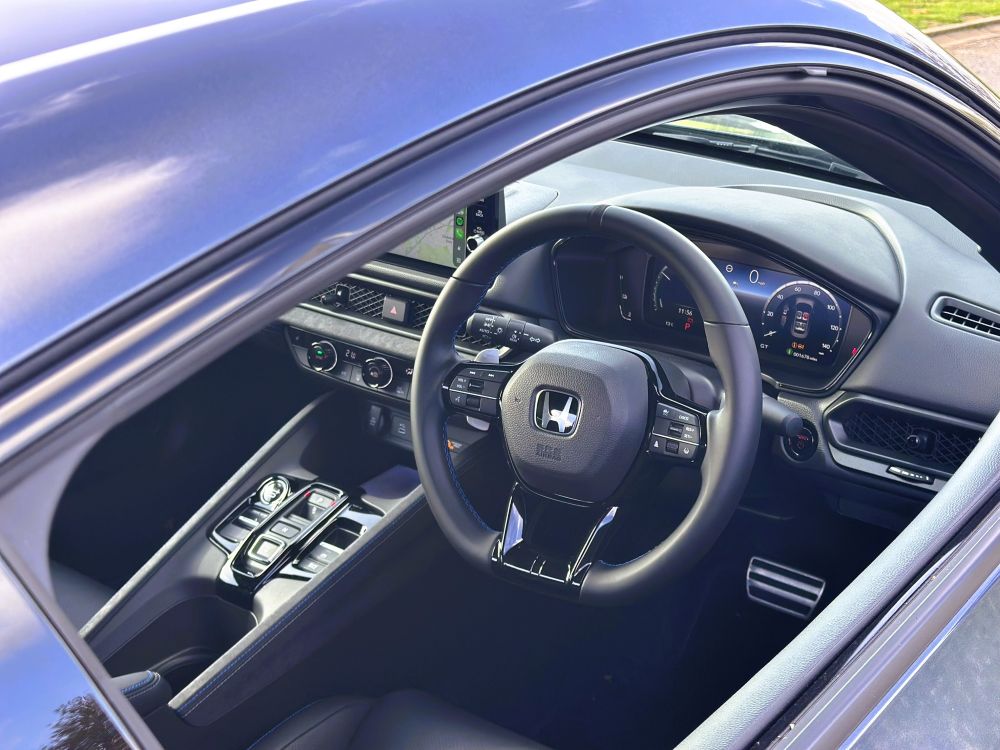
Honda has also introduced its S+ Shift system, which simulates conventional gear changes, complete with paddle controls and electronically managed engine sounds. On paper, digitally recreating a gearbox that doesn't actually exist sounds faintly ridiculous. Yet the system is surprisingly convincing, adding a degree of interaction and theatre that might otherwise be missing from the driving experience.
But the Prelude's real strength is its handling. Using chassis and suspension technology developed from the Civic Type R, the car possesses a remarkably composed and engaging character. The steering is accurate, the suspension beautifully controlled and the front end responds with an eagerness that rather disguises its modest power output. There is genuine pleasure in maintaining momentum through a series of bends, a welcome reminder that driving enjoyment need not be measured exclusively in horsepower.
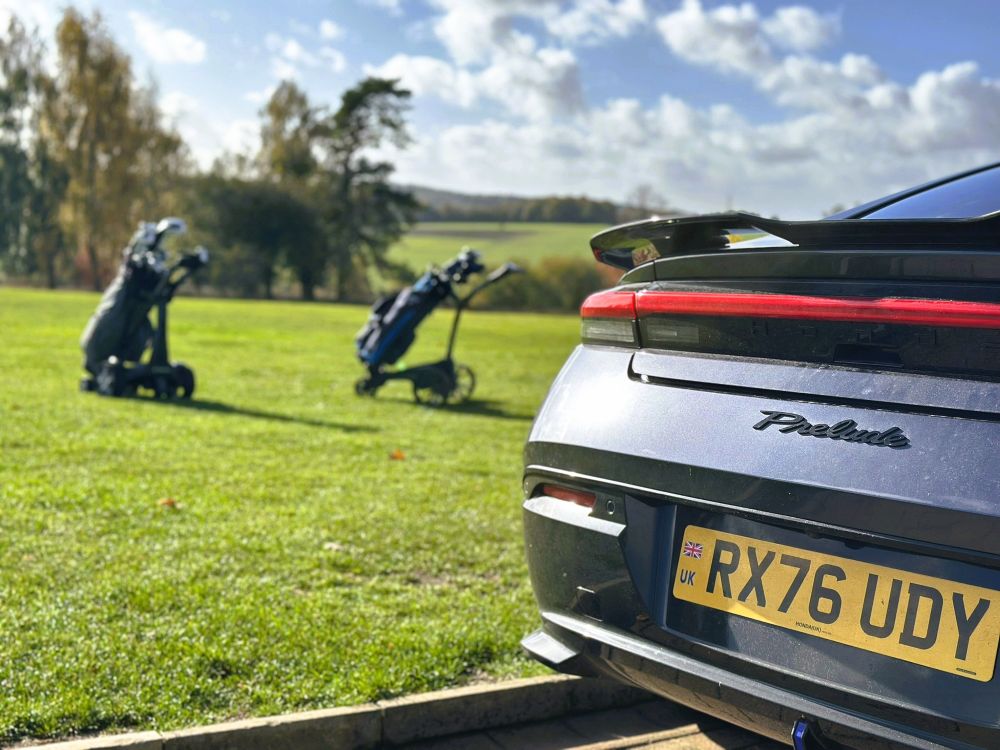
It is also a handsome car. My Meteoroid Grey Metallic example, complete with black alloy wheels, blue Brembo brake calipers and an optional rear spoiler, looked particularly smart. Inside, the driving position is low, the front seats provide excellent support and the controls are arranged with refreshing logic. The rear seats, however, are so small that their inclusion appears largely ceremonial. Fortunately, the folding rear seats and hatchback tailgate offer sufficient luggage flexibility to accommodate a couple of golf bags.
At £44,265 as tested, the Prelude is not inexpensive, particularly when judged against its straight-line performance. However, its official combined economy of 54.3mpg, excellent chassis and unusual character present a compelling argument. The Autocar award is well deserved. Honda has produced a modern hybrid that places genuine driving enjoyment near the top of its priorities rather than treating it as an unfortunate consequence of getting from one place to another.
As for Harewood Downs, I left with a very favourable impression. There are courses with greater reputations and considerably longer scorecards, but many would struggle to match the overall quality of the experience here. The course is memorable, beautifully presented and sufficiently challenging to demand a return visit, while the refurbished clubhouse and excellent hospitality complete a thoroughly enjoyable package.
I would happily return, preferably with better weather and a slightly more realistic understanding of how far I can hit a golf ball.
The 8th and 12th, in particular, have some unfinished business with me.
Course: Harewood Downs Golf Club
Location: Chalfont St Giles, Buckinghamshire
Established: 1907
Course: 18-hole parkland
Par: 69 (white and yellow tees)
Course length: 6,008 yards (white tees)
Course rating: 70.1 (white tees)
Slope rating: 131 (white tees)
Signature holes: 8th (198 yards) and 12th (200 yards), both par 3
Most difficult hole: 7th – 461 yards, par 4 (SI 1)
Facilities: Clubhouse, restaurant, bar, pro shop, practice facilities and golf academy
Model: Honda Prelude Advance 2.0 i-MMD Hybrid
OTR Price: £40,995 (£44,265 as tested)
Engine: 2.0-litre petrol-electric full hybrid
Transmission: Automatic e-CVT
Drive: Front-wheel drive
Power: 181bhp
Torque: 315Nm
0–62mph: 8.2 seconds
Top speed: 117mph
Fuel economy (WLTP): 54.3mpg
CO₂ emissions: 117g/km
Boot capacity: 264 litres
Kerb weight: 1,480kg