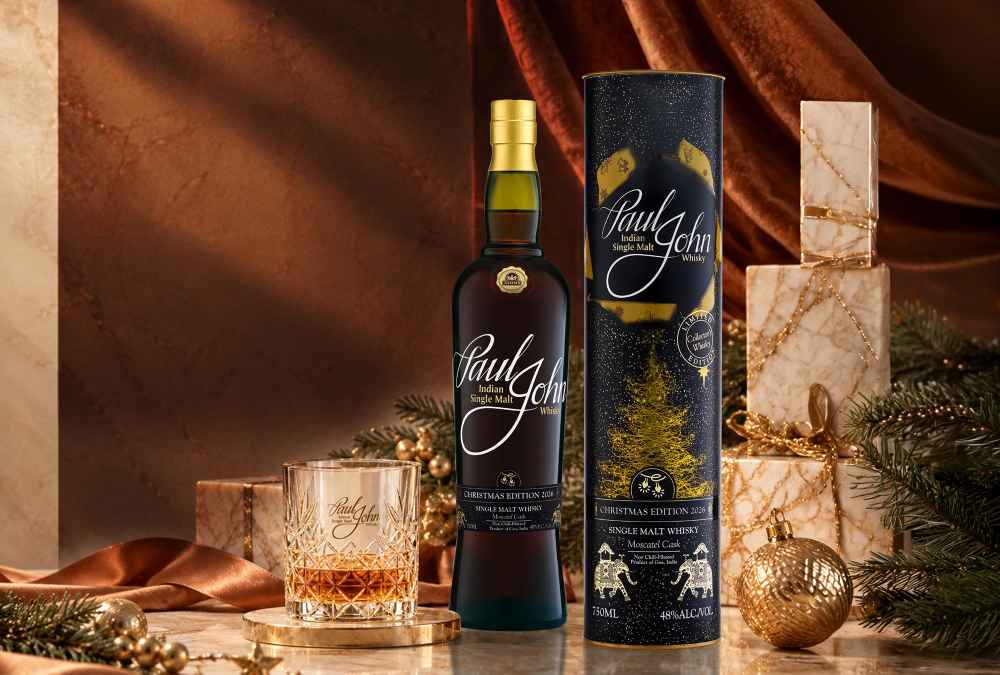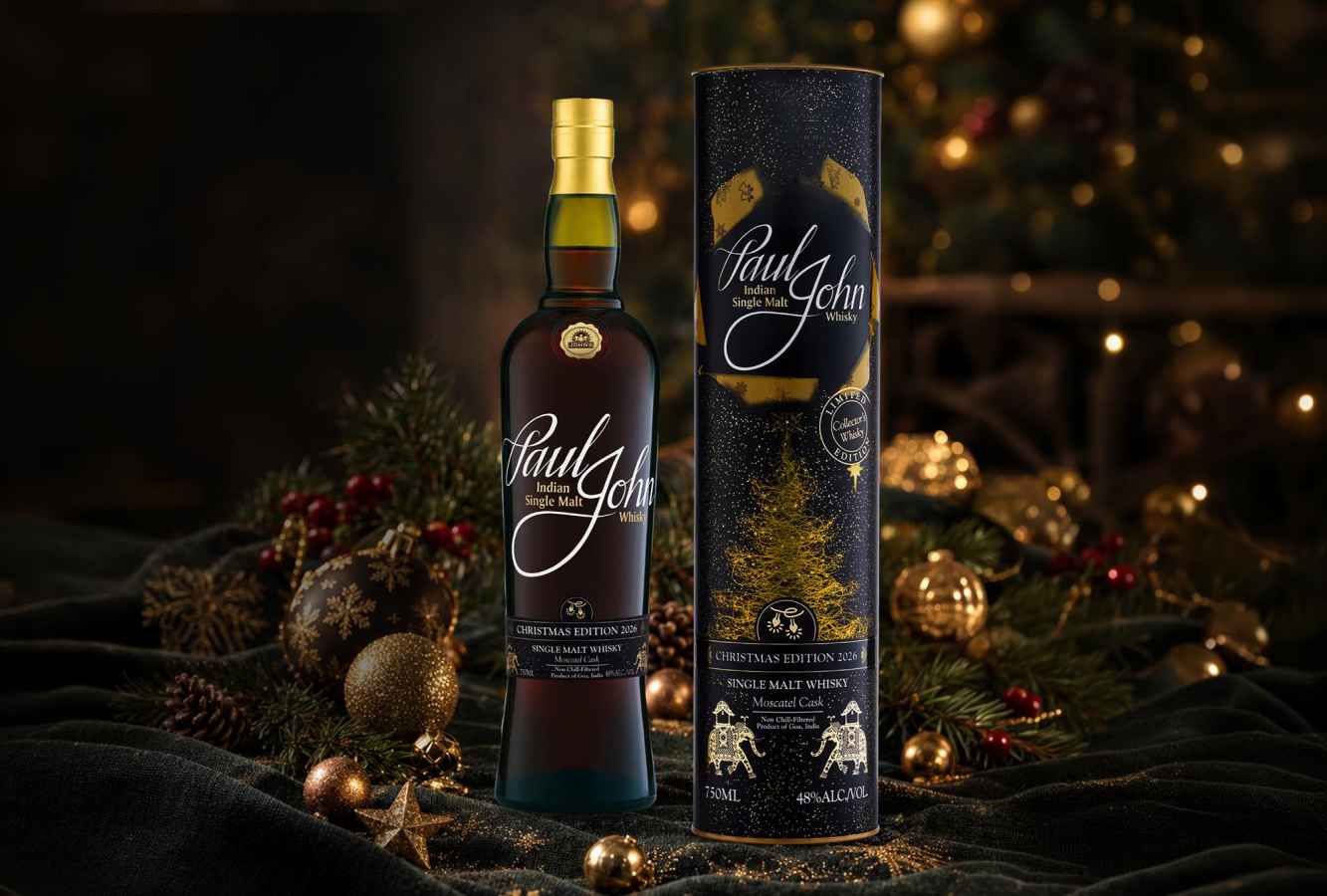

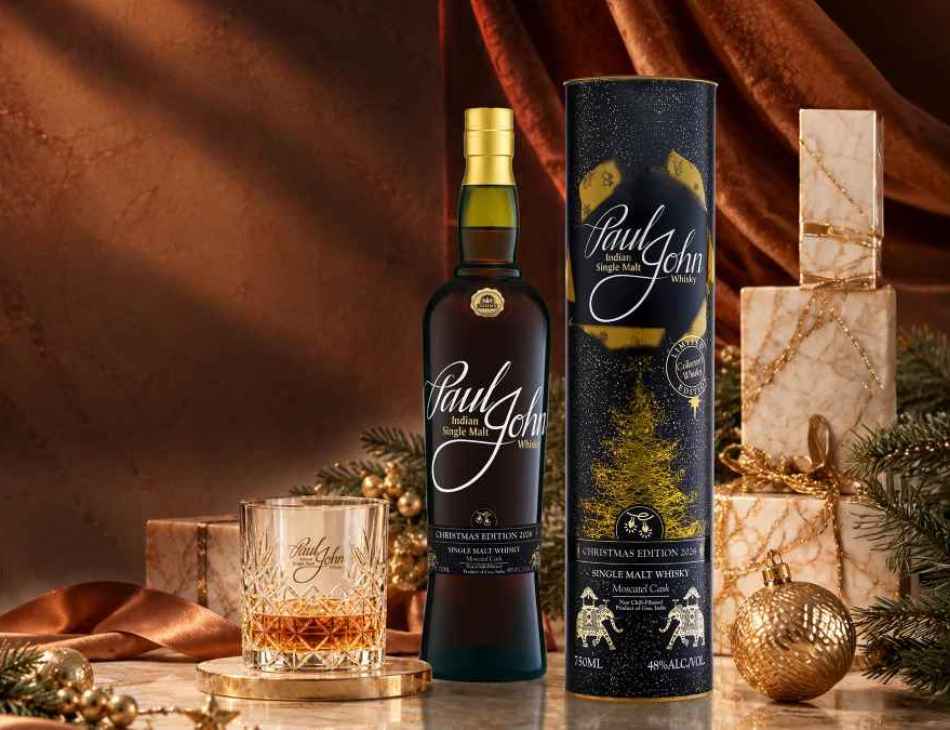
Paul John Christmas Edition 2026
A Release I Always Look Forward To
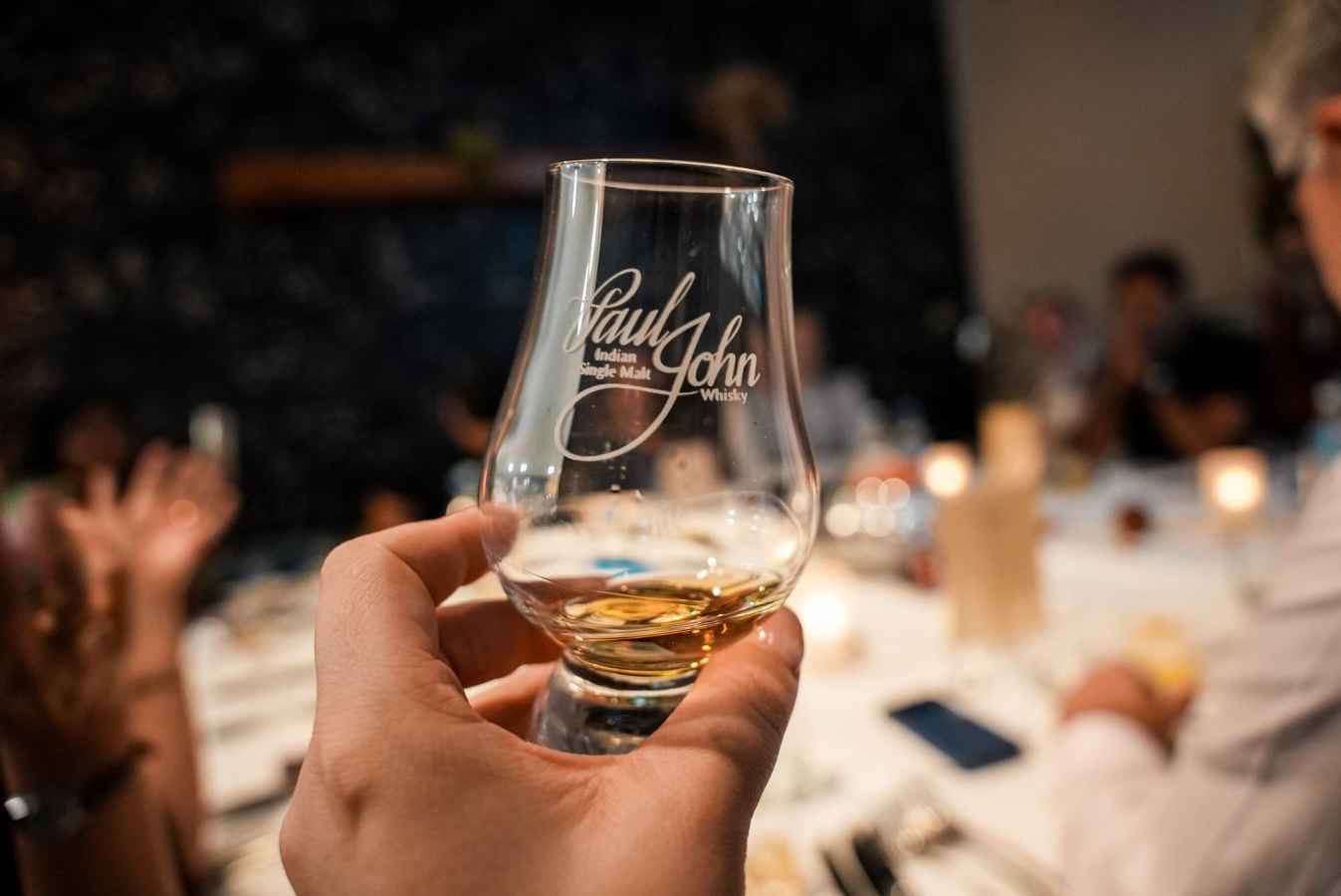
Christmas came early at Cinnamon Kitchen in London, where I recently joined Paul John for dinner and a taste of its Christmas Edition 2026. Our host, Anees Saboowalla, acknowledged the timing with good humour, although sometimes Christmas press events can happen in midsummer! Mid October therefore felt fine and thankfully there were no decorations on show.
Now in its ninth year, the series gives master blender Michael D’Souza an opportunity to experiment with casks beyond Paul John’s regular range. For 2026, the focus is Spanish Moscatel, with the whisky bottled at 48% ABV, and I imagine it will be just as sought after as their previous releases.
This year’s edition is unpeated, initially matured in American oak before spending 18 months finishing in Moscatel casks. The aromatic sweet wine introduces floral and honeyed notes, adding another cask type to a collection that has already explored sherry, Port, Madeira, brandy and rum.
Tasting several editions together offered a useful insight into how the collection has developed since 2018. It also prompted a wider conversation about making whisky in Goa, from the barley used in production to the constant attention required in its warm warehouses.
Paul P. John, who attended the dinner, shared a story that will be familiar to anyone who has tried to track down a favourite bottle. The first Christmas Edition held particular significance for him, and he had contacted distributors in the hope of finding one still tucked away. His search had been unsuccessful. It was a shame, as I would have loved to taste the whisky that started the series.
Paul explained that he works with Michael on the profile of each release and approves the final whisky, making him hands on. The collection also provides somewhere for Michael to explore ideas that might eventually influence the wider range.
That freedom depends on knowing the stock. Casks are regularly tasted as they mature, with their eventual destination determined by how they develop. Some will suit an established expression; others may offer something worth exploring in a future release.
In Goa, those decisions can come around quickly. The distillery cites annual evaporation losses of around 8 to 10 per cent, while the heat encourages rapid interaction between spirit and wood. Anees illustrated the pace by comparing one year in Goa with four in Scotland.
It is a great comparison, though it should not be taken as a formula for calculating age. Maturation involves more than extracting flavour from oak, and the conditions in Goa produce their own results. Regular tasting is essential to judge when a cask has reached the balance the team wants.
For this release, their was a level three char on the Spanish finishing casks. An 18 month finish is a substantial period in those conditions, making the regular assessment of the whisky particularly important.
We also discussed barley, which is endlessly fascinating to me (especially how it influences the new make spirit and if terroir exists in whisky). Paul John uses Indian six row barley sourced from northern regions, including Rajasthan, Haryana and the Himalayan foothills. The name describes the arrangement of the kernels on the ear, and these varieties generally have more protein and a higher proportion of husk than the two row barley commonly used for malting.
The team spoke about the contribution of their barley to the texture of the spirit. It was an interesting subject to have in mind when tasting, particularly as the cereal character of the new edition stood out to me. Texture isn’t something we read about enough in drinks writing, so something to explore in a future piece.
Looking back through the Christmas releases, the variety of casks is exciting. The 2020 edition brought together virgin oak, bourbon and Oloroso influences, with a little peat. Port and Madeira followed in 2021, then brandy casks in 2022. Caribbean rum casks and virgin oak featured in 2024, before a return to sherry influences in 2025.
The bottling strength has changed, too. The editions were initially released at 46% ABV until 2024, rising to 48% in 2025. The new release continues at that strength, which Anees explained as a decision about the balance of the whisky.
For all the discussion of casks, it was the grain that first caught my attention in the 2026 edition. On the nose, I found nutmeg, rich honey and nuts, with a suggestion of citrus further back. The Moscatel influence gave us plenty to discuss, but I kept returning to that cereal note, especially after hearing about the barley earlier in the evening. I very much enjoyed this expression and shall be seeking out a bottle or two for myself, such is the quality to price ratio. And it tastes very good!
The recommended retail price is £65 for a 70cl bottle, available through specialist spirits retailers. The global release comprises 6,500 bottles, with 480 allocated to the UK. That is a modest allocation, particularly for anyone hoping to follow the series from year to year.
The 2027 release will be the tenth Christmas Edition. Having tasted several of its predecessors together, I will be interested to see which casks the team chooses for that anniversary.
That is part of the appeal of tasting these editions together. The changing casks provide a reason to return each year, while the whisky underneath gives the series continuity. I would still like to try the 2018 release, if Paul John has left any bottles for the rest of us to find!