
Aberlour Launches Its 21 And 25 Year Old Whiskies In Paris
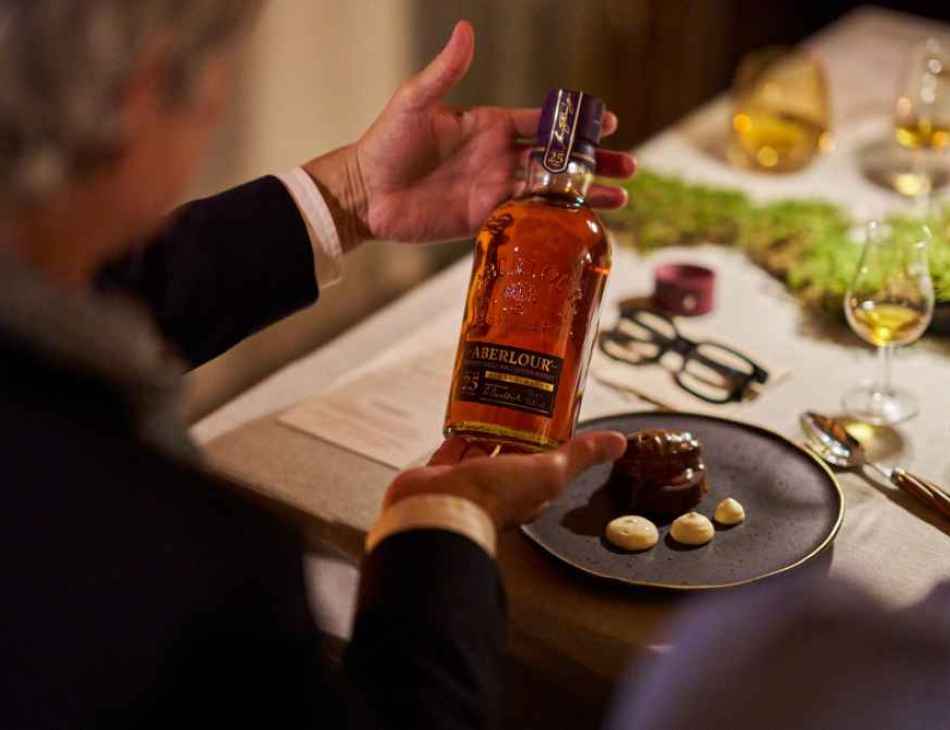
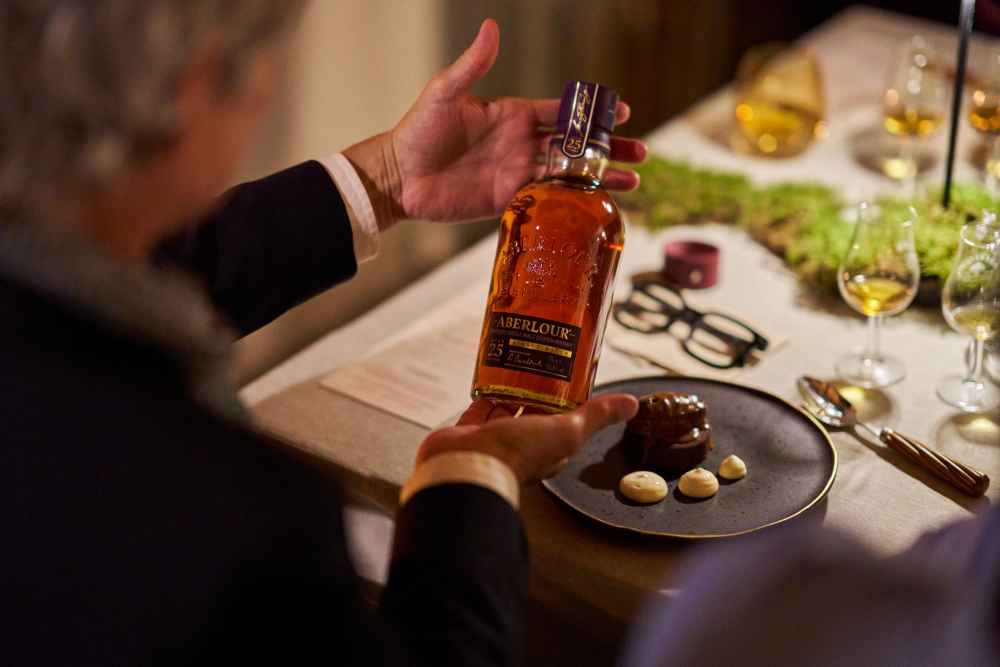
The Aberlour 25 year old
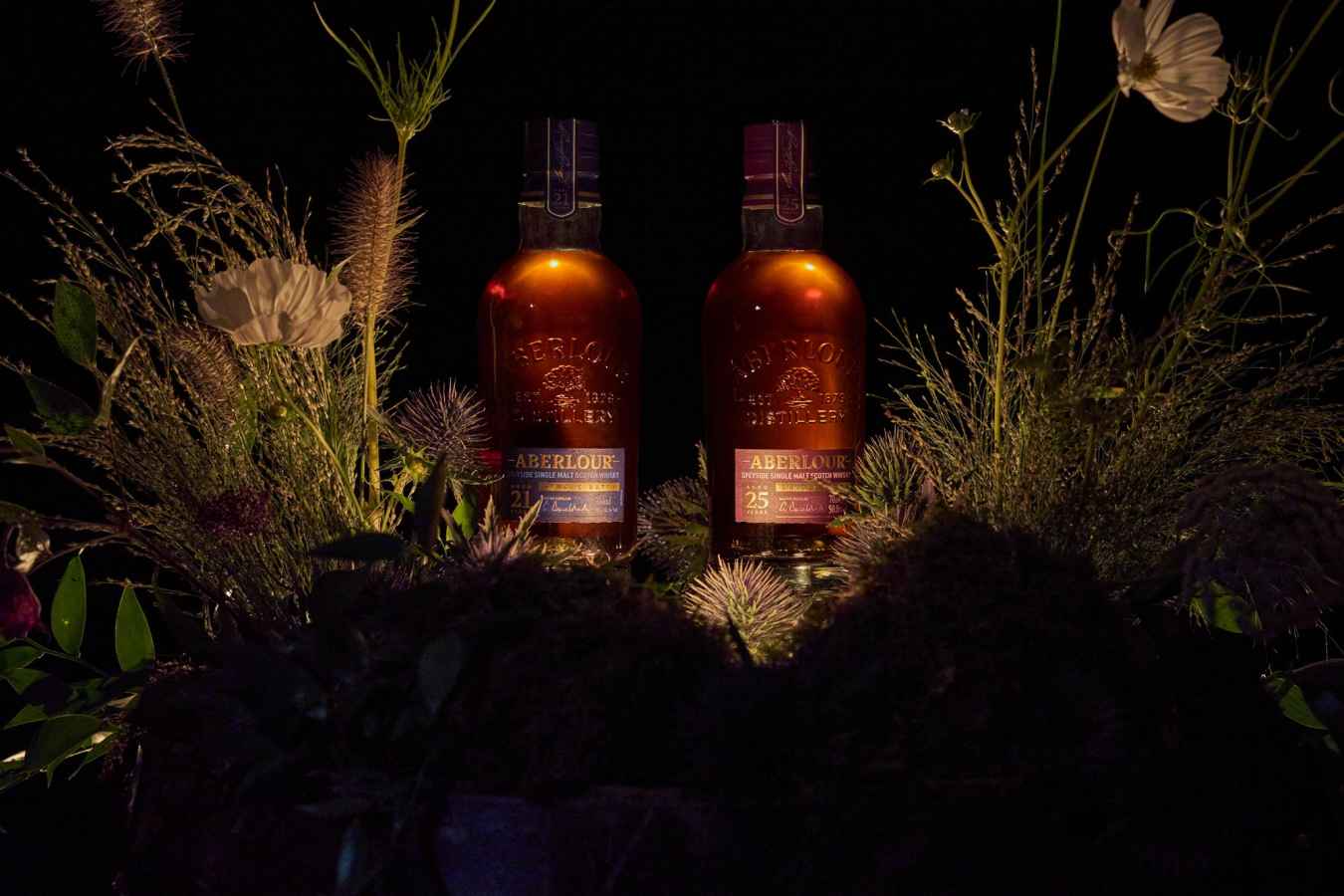
I was recently in Paris for the launch of Aberlour’s new 21 and 25 Year Old whiskies, the oldest expressions in its permanent collection. Tasting them together revealed two quite different characters, shaped by more than two decades of maturation and the individual casks selected for each release. Both had plenty to offer, but I was particularly drawn to the perfume and fruit of the 21 Year Old.
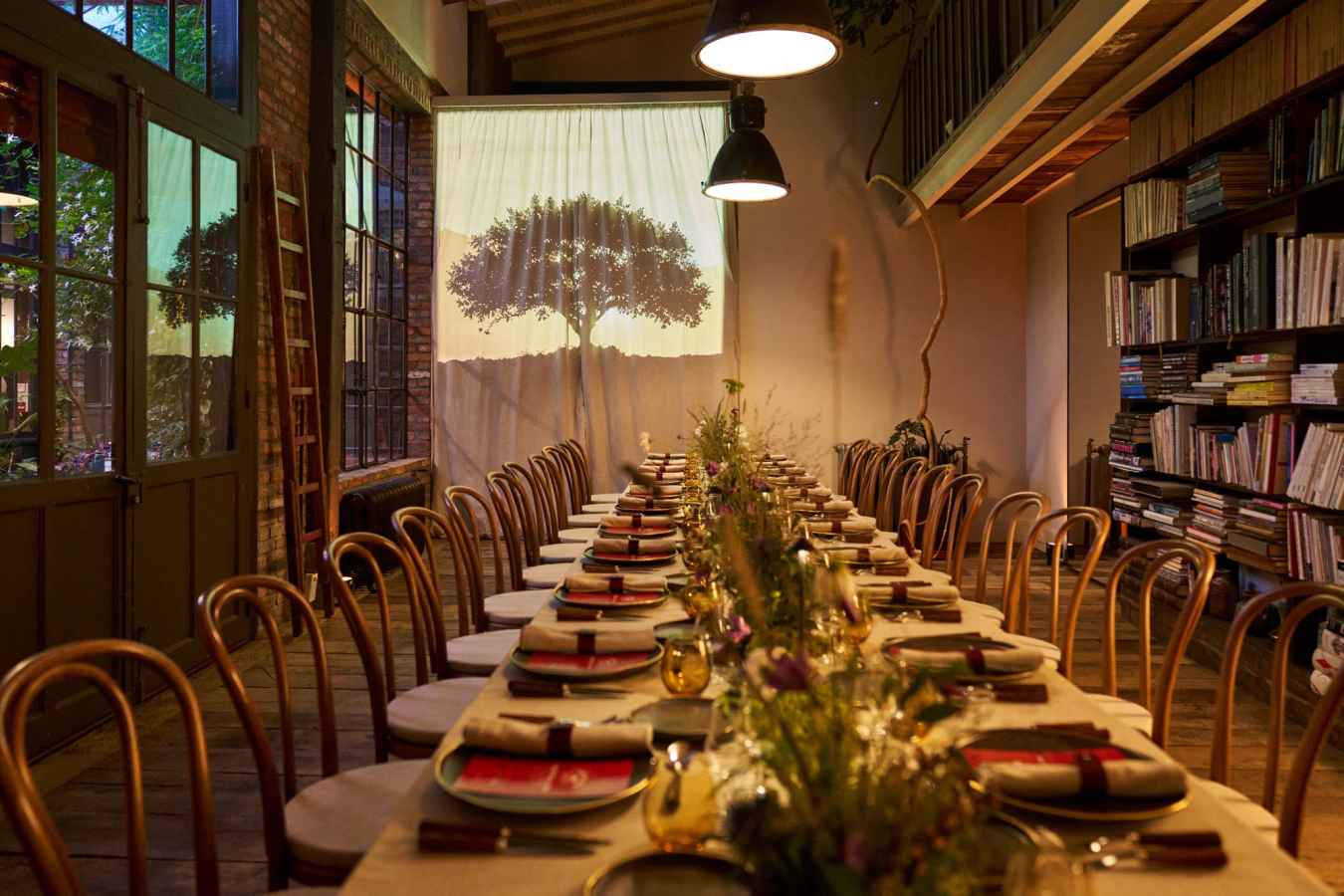
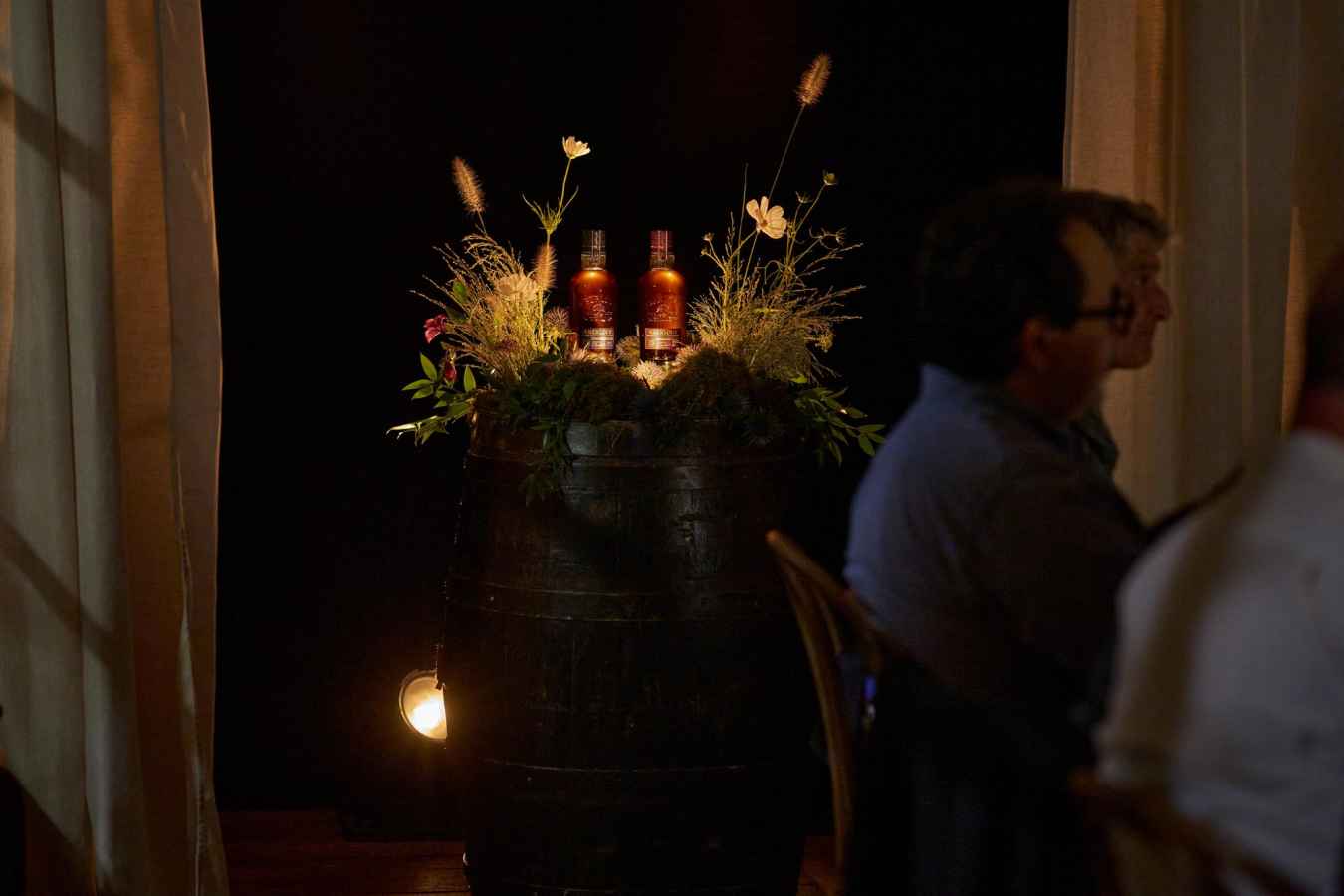
The setting gave little away from the street. A large, weathered door opened onto a tropical garden, with a winding path leading through generous planting towards a historic townhouse. I had come for a dinner marking the international debut of the two releases during Whisky Live Paris. Beyond the discreet entrance, Aberlour had brought a little of Speyside with it.
Objects from the distillery’s past were displayed inside, including a set of original keys discovered in a cellar by its archivist, Robert Athol. Handled with protective gloves, they prompted speculation about who had last used them and how they had ended up there. Their appeal lay in that unanswered history: ordinary working objects, once familiar to someone at the distillery, now being examined at a whisky launch in Paris.
Behind the bar stood a red warehouse door brought from Aberlour. It made an imposing centrepiece, although the cocktails provided ample reason to return to the bar without its help. It was here that I was able to catch-up with my fellow whisky writers, who had come from as far away as the USA, and more closely, Germany.
The new releases will each appear annually as a limited single batch. The intention is to retain their respective characters while allowing some variation between successive bottlings. They are the oldest expressions in Aberlour’s permanent collection, offering two distinct perspectives on the whisky.
Established by James Fleming in 1879, Aberlour has a long association with sherry casks. The distillery describes its new make spirit as having blackcurrant, red berry and citrus notes. Tasting that will have to wait for a visit to the distillery, located on the outskirts of the village from which it takes its name, close to where the Lour Burn meets the River Spey. It had recently undergone a refurbishment, so a perfect excuse to visit. The magnificent Dowans Hotel (https://www.dowanshotel.com) is just a short walk away, so a visit before dinner seems ideal.
If walking in the countryside, free of pollution and with views that command attention, you may like to know that the Speyside Way passes through Aberlour, and there is a path that follows the burn towards Linn Falls. A walk there, with a measure of Aberlour in a hip flask, sounds a particularly enjoyable way to enjoy the whisky and discover a part of Speyside I have yet to explore. Maybe next year…
We tasted the whiskies over a delicious dinner that incorporated chocolate and cocoa into both savoury and sweet dishes. It was an opportunity to consider their influence beyond dessert and explore how those flavours interacted with the fruit, spice and oak in the glasses.
Broccolini was served with lamb jus, malted brown butter, parsley snow, a fresh herb salad and an oat cracker, accompanied by raw cocoa beans from Thailand. The main course paired Angus beef fillet and roasted roots with a risotto made using malted barley from Aberlour. Chocolate from Peru was infused into the meat jus, bringing cocoa into the savoury heart of the meal.
Dessert brought the most direct connection: a cake made with chocolate from Guatemala, an Aberlour infused whisky ganache, malt salted caramel and vanilla cream, finished with cocoa nibs. Across the three courses, cocoa appeared in different forms, giving us several opportunities to return to the whiskies and consider them alongside the food.
The 21 Year Old combines whisky matured in American oak and sherry casks and is bottled at 48% ABV without chill filtration. Its tasting profile runs from spiced baked apples, dates and toffee on the nose to cranberry, blood orange, dark cocoa and warm spice on the palate.
For me, its perfume was the attraction. The fruit drew me back repeatedly, and there was enough depth beneath it to sustain that interest. It had the complexity I hoped for in a whisky of this age, with a structure that gave the flavours definition. Of the two releases, this was the one I preferred.
There is also a personal connection for Master Distiller Graeme Cruickshank, who says he followed the whisky from its initial distillation through to bottling. Twenty one years is a considerable span in any working life. Seeing spirit produced earlier in his career reach release gives him a connection with this whisky that extends well beyond the final selection of casks.
The 25 Year Old took us in a different direction. Drawn from a smaller parcel of casks, including a single first fill sherry hogshead alongside American oak, it is bottled without chill filtration at a natural cask strength of 50.8% ABV for this first release.
Wood was more prominent here, with a profile encompassing stone fruit, Seville orange, butterscotch and marzipan, followed by dried apricot, plum, vanilla and ground ginger. It offered a useful comparison with the more perfumed 21 Year Old. There will undoubtedly be people who prefer the 25, and that is the beauty of whisky (and drinks in general) in that we all have personal tastes.
During dinner, chocolatier Hasnaa Ferreira led a paired tasting that helped draw attention to particular flavours in each whisky. Alongside the chocolate, I found the warm baking spices of the 21 Year Old more apparent, while the dried fruit and vanilla of the 25 Year Old came to the forefront.
Keen to understand how these releases had come together, I asked Graeme about the spirit he had helped produce more than two decades earlier, the selection of mature casks and what we can expect from future batches.
You have followed the 21 Year Old since it was distilled. How was the distillery different then to how it is now?
Being at the distillery when this spirit was produced more than two decades ago, your primary concern as a distiller is the quality of the new-make spirit flowing from the stills and whether we've achieved the quality we expect at Aberlour. At that stage, you don't necessarily think about what that liquid might become 21 years later, but you have confidence that our cask management and maturation process can take a good spirit on that journey. Looking at the 21 Year Old today, I think we've succeeded.
It's interesting to look back at the process and quality records from that time. They show the new make was in good shape, despite some changes in the process over the years, including the move from caked or bagged yeast to liquid yeast.
What also stands out to me is the continuity of knowledge. The distillery team at the time included three second-generation distillers, carrying forward standards established over decades before them. That sense of knowledge being passed from one generation of makers to the next remains an important part of Aberlour today.
When you identify a cask with potential for longer maturation, how do you follow its development? Does its position in the warehouse play a part?
You can recognise quality and potential in a cask, but you can never completely prescribe how it will develop over 20 or 25 years. A lot of that potential reveals itself through maturation.
When we're preparing bottlings from the core range, whether that's 12, 14 or 16 Year Old, samples are drawn from mature casks and occasionally you uncover an exceptional example where the combination of spirit, cask and warehouse has taken the whisky's character to another level. If we're able to hold those casks for longer, they can be set aside to see where further maturation might take them.
Parcels of casks filled at the same time won't necessarily all be bottled at the same time either. Casks can be moved as part of warehouse consolidation, but we maintain sight of where an individual cask is and continue to follow its development until we feel the time is right to release it.
A good example of that philosophy is our Distillery Reserve Collection: single-cask and small-batch bottlings at different ages that allow us to showcase particularly interesting examples of Aberlour's distillation and maturation.
I found the 21 Year Old more perfumed and fruit driven than the 25 Year Old. Does that reflect a deliberate difference in the cask selection to give very different flavour profiles?
There wasn't a deliberate target to create two contrasting flavour profiles. For us, the exciting part was seeing where extended maturation could take Aberlour while remaining true to our house style.
With the 21 Year Old, when the selected casks were finally brought together, what mattered was that the resulting whisky still had Aberlour's double-cask matured character and DNA at its heart. You find those notes of cherry and baked spiced apple, then darker chocolate and treacle alongside sweet cinnamon and nutmeg spice. I think it feels like a natural progression for someone exploring older Aberlour whiskies.
The 25 Year Old has taken its own journey. It's created from a much smaller number of exceptionally rare hand-selected casks, including a first-fill Sherry hogshead, and has a distinct fruit-forward profile of orange, peach and apricot alongside butterscotch, marzipan and spice.
That's what makes tasting the two together interesting. With whisky at these ages, the individual casks become increasingly important. We're not trying to force them towards a predetermined flavour profile; we're selecting exceptional mature casks and making sure the final whisky remains true to Aberlour.
What guided your decision to bottle the 21 Year Old at 48% ABV, while releasing the 25 Year Old at natural cask strength?
The 21 Year Old is bottled at 48% ABV, a strength we've used successfully before across Aberlour. Compared with our standard 40% bottlings, that higher strength brings an additional level of intensity that complements the fruity, smooth character of Aberlour at this age, while also allowing us to bottle the whisky without chill filtration.
The 25 Year Old takes a different approach. It's bottled at its natural cask strength, which for this first release is 50.8% ABV. Because each annual batch will be created from a different selection of casks, that natural strength will vary from release to release.
In practice, the difference between 48% and 50% ABV is relatively small from a sensory perspective. What's more important is that we've chosen the right approach for each whisky: a set strength for the 21 Year Old that gives us the intensity and character we're looking for, and natural cask strength for the smaller-batch 25 Year Old.
What proportion of Aberlour’s maturing stock is old enough to be considered for releases of this age, and how do you decide what to keep for future years?
We don't disclose the proportion of our stocks sitting at these ages, but what is important is that whisky of this maturity is naturally rare and finite. Aberlour has introduced the 21 and 25 Year Old with the intention of releasing them annually in small batches, so we're always thinking about both the whisky we can release today and the stocks we're nurturing for the future.
The selection of those future batches is very much a team effort. Our inventory and blending experts work alongside the distillery team to assess the mature stocks available and identify the combination of casks that can deliver a whisky we're proud to put the Aberlour name on.
Age alone isn't enough. Each cask develops individually over time, so selection comes down to quality, character and judgement. That will also mean each annual batch has its own nuances, shaped by the exceptional casks selected for that particular release.
For me, that's part of their collectability. These are permanent expressions, but they're being created from finite stocks in limited annual batches rather than trying to reproduce exactly the same liquid year after year.
When you taste these two side by side, which feature most clearly distinguishes the effect of four additional years in cask from the effect of different cask selection?
I think the first thing to say is that we're not simply tasting the effect of an extra four years. We're tasting two different selections of casks, each of which has followed its own maturation journey for more than two decades.
That journey starts with the initial cask selection and continues throughout the whisky's entire time in wood. So much flavour and texture develops over that period that it becomes very difficult to isolate one particular element and say, “that's the additional four years,” or “that's purely the cask”.
If I were to identify one thing, it would be the experience of our distilling and blending teams in understanding how different cask types work individually and how best to bring them together. We've learned over many years how American oak and Sherry oak can each shape Aberlour, and the skill lies in recognising when those casks can be combined to showcase something greater as a whole.
So for me, the interesting distinction isn't really 21 versus 25 as a simple measure of age. It's how time, the character of the individual casks and careful selection have come together in two distinctly different whiskies.
What would you like someone who knows Aberlour through its younger releases to recognise in these whiskies?
I'd like them to recognise Aberlour first and foremost. Throughout the range you'll find the sweet, fruity character associated with our Speyside style, alongside notes such as vanilla, toffee, chocolate and spice. Someone coming to the 21 and 25 Year Old from our younger expressions should recognise elements of that character, but also appreciate what more than two decades of maturation and the selection of a very limited number of mature casks can bring.
Double cask maturation is an important part of the Aberlour house style, but we also have expressions such as A'bunadh and A'bunadh Alba, matured exclusively in Oloroso Sherry casks and American oak casks respectively. Working with these cask types individually has given us a deep understanding of the influence each can have on our whisky.
That knowledge becomes particularly important with the 21 and 25 Year Old, where we're bringing the two cask influences together after more than two decades of maturation. The judgement is in understanding when the combination of the casks and the time is right to release.
So these whiskies aren't about changing the Aberlour style. For someone who already knows the range, I hope they offer that balance of familiarity and discovery: recognisably Aberlour, but with the additional depth, individuality and character that comes through with age and careful cask selection.
Aberlour 21 and 25 years olds are available in selected Global Travel Retail stores and selected specialists.