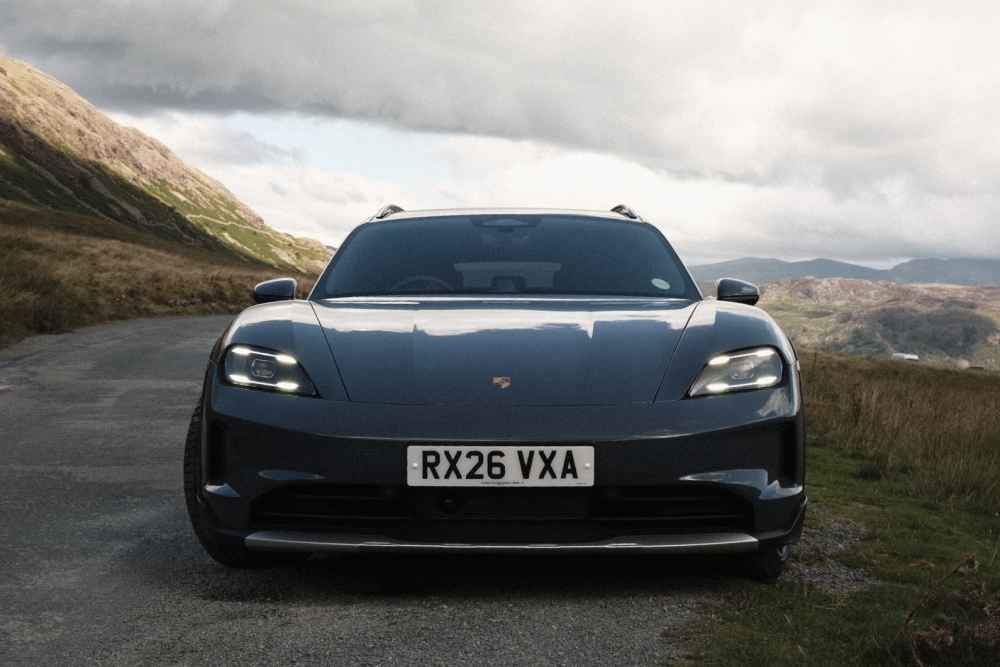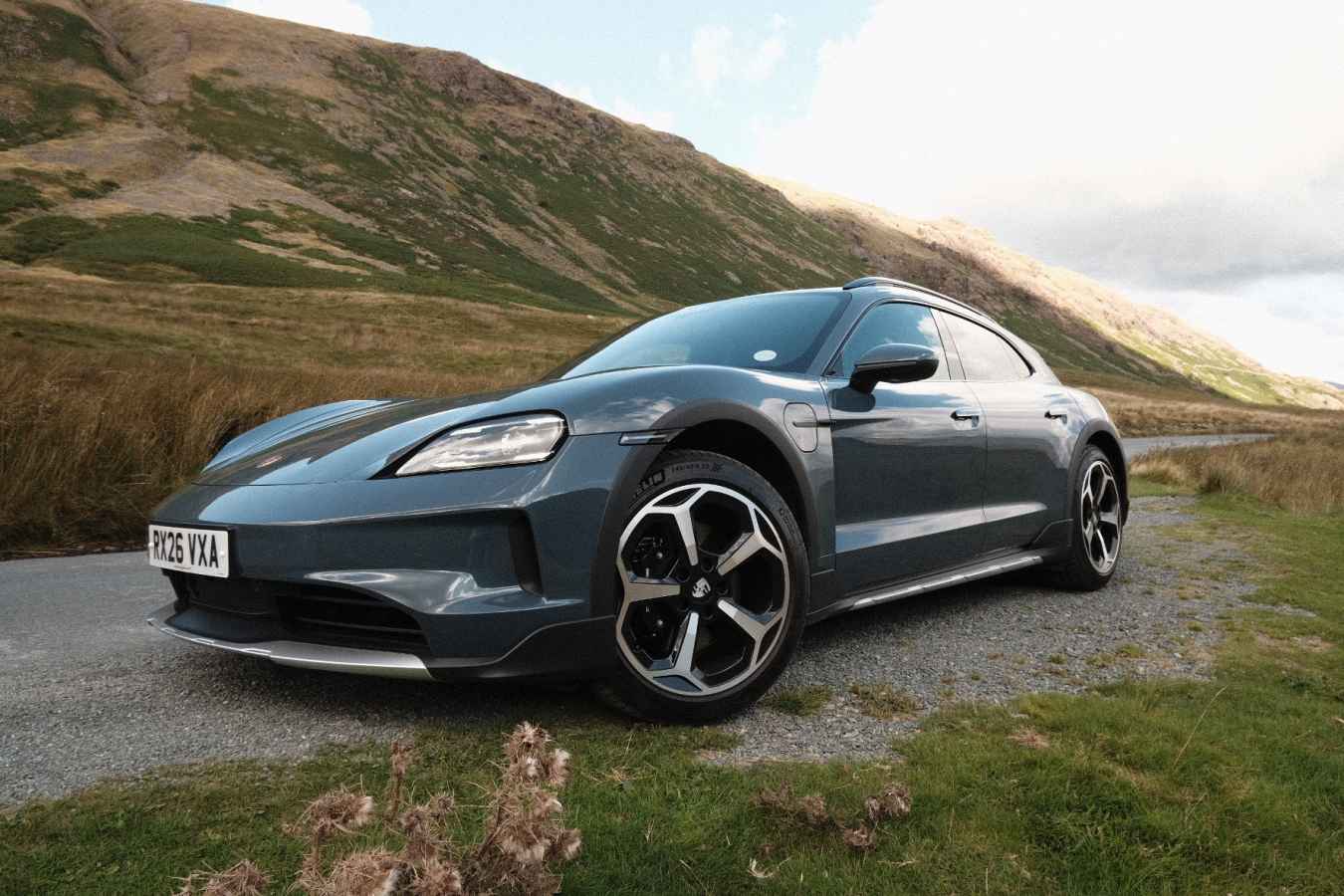
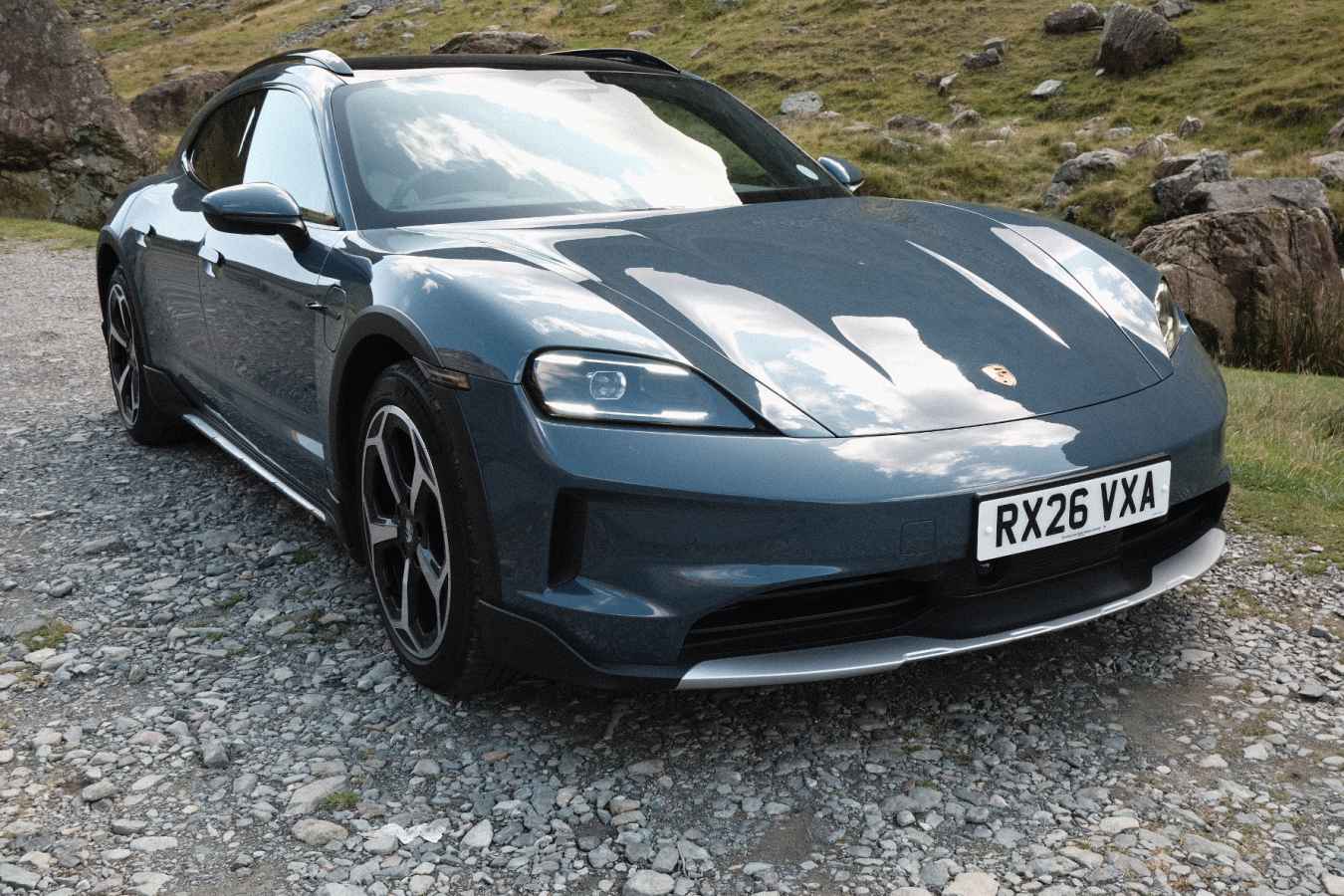
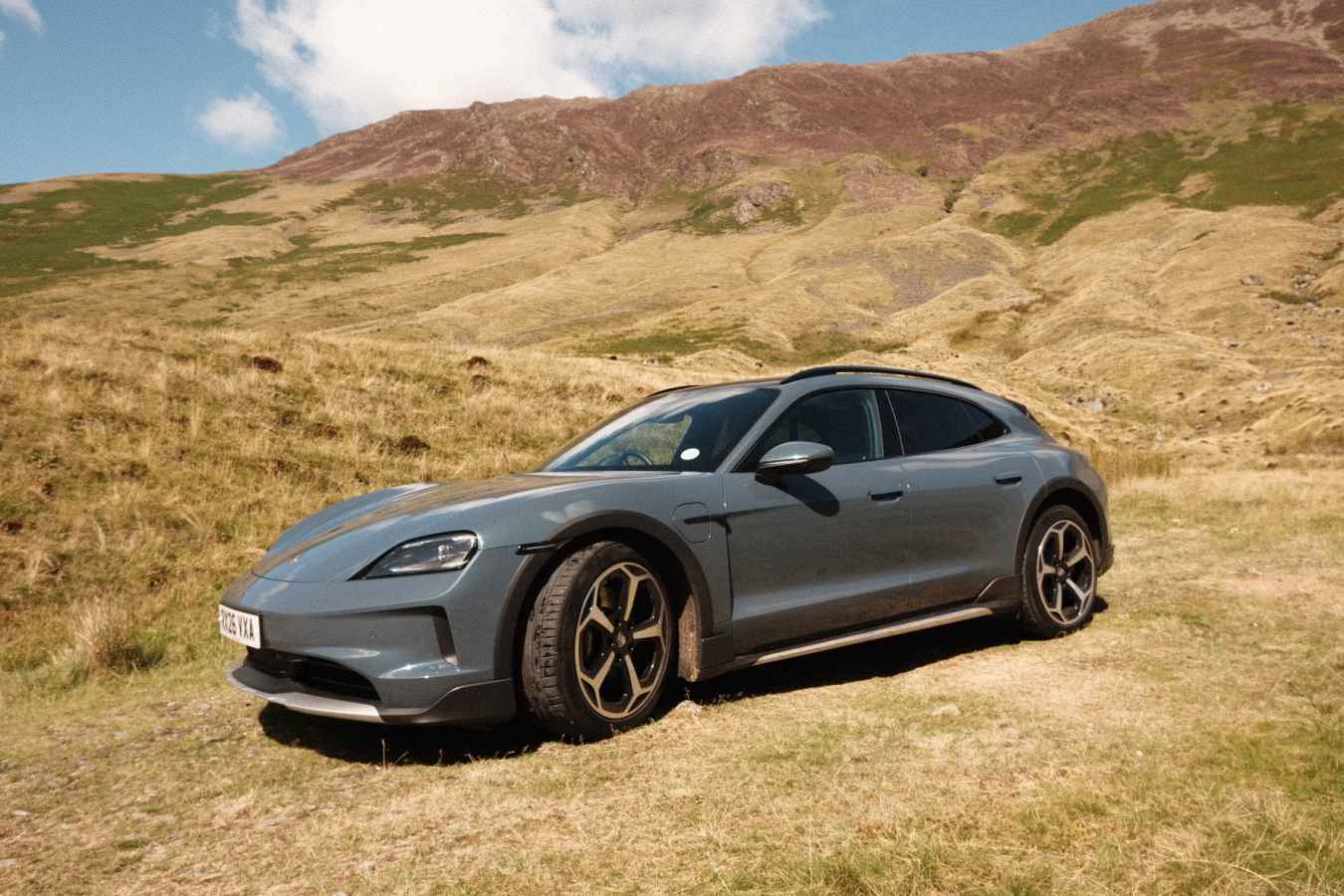
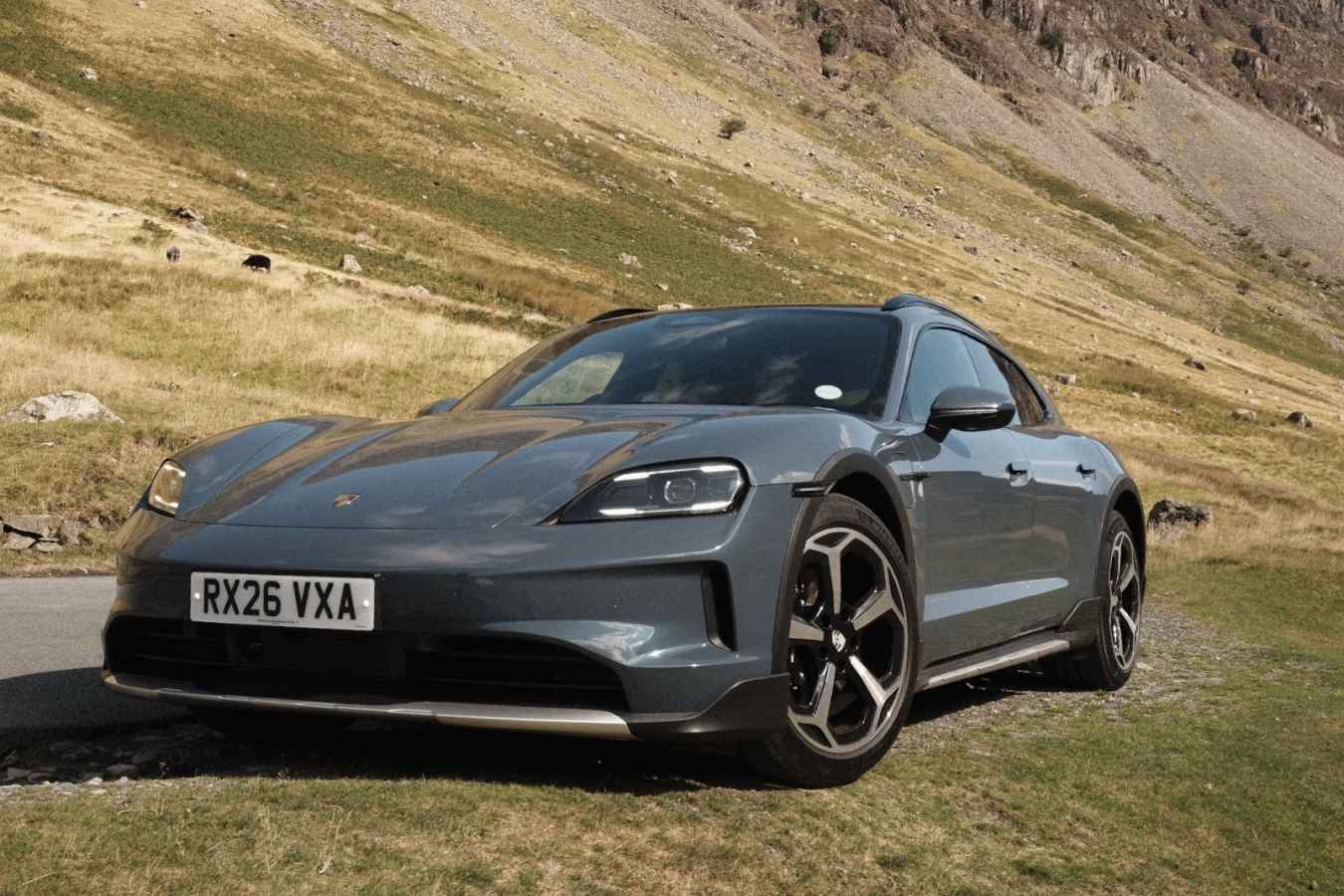
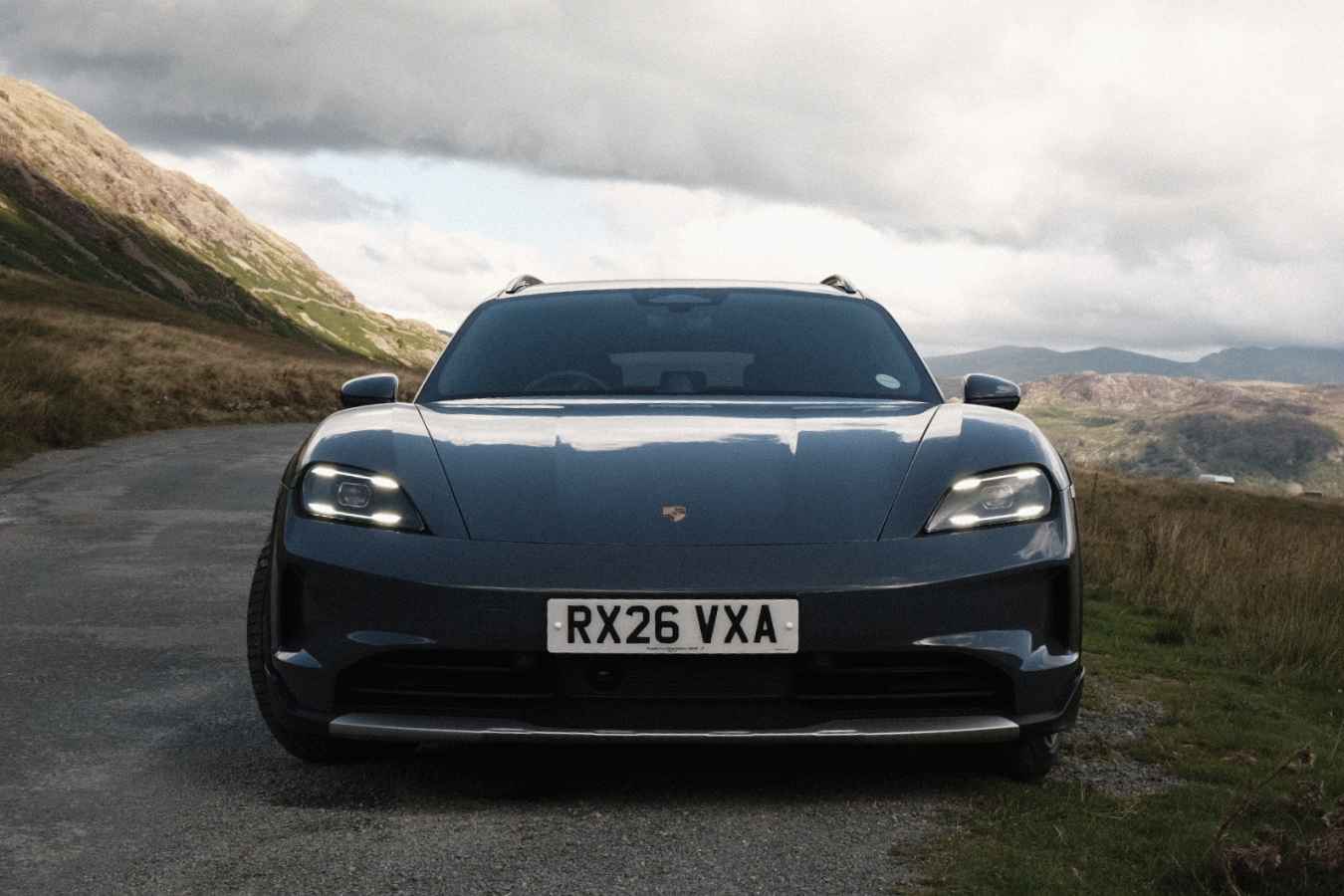
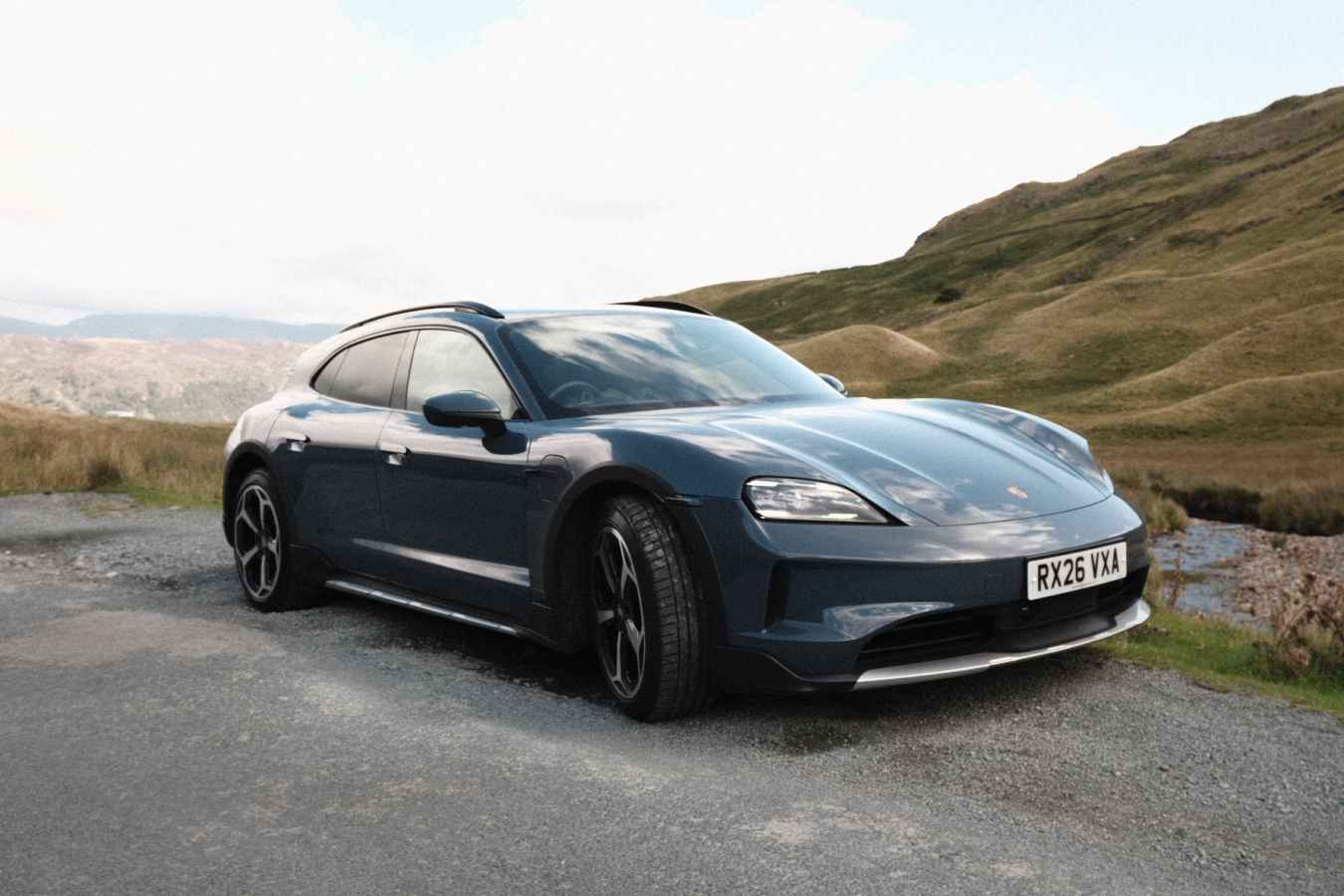
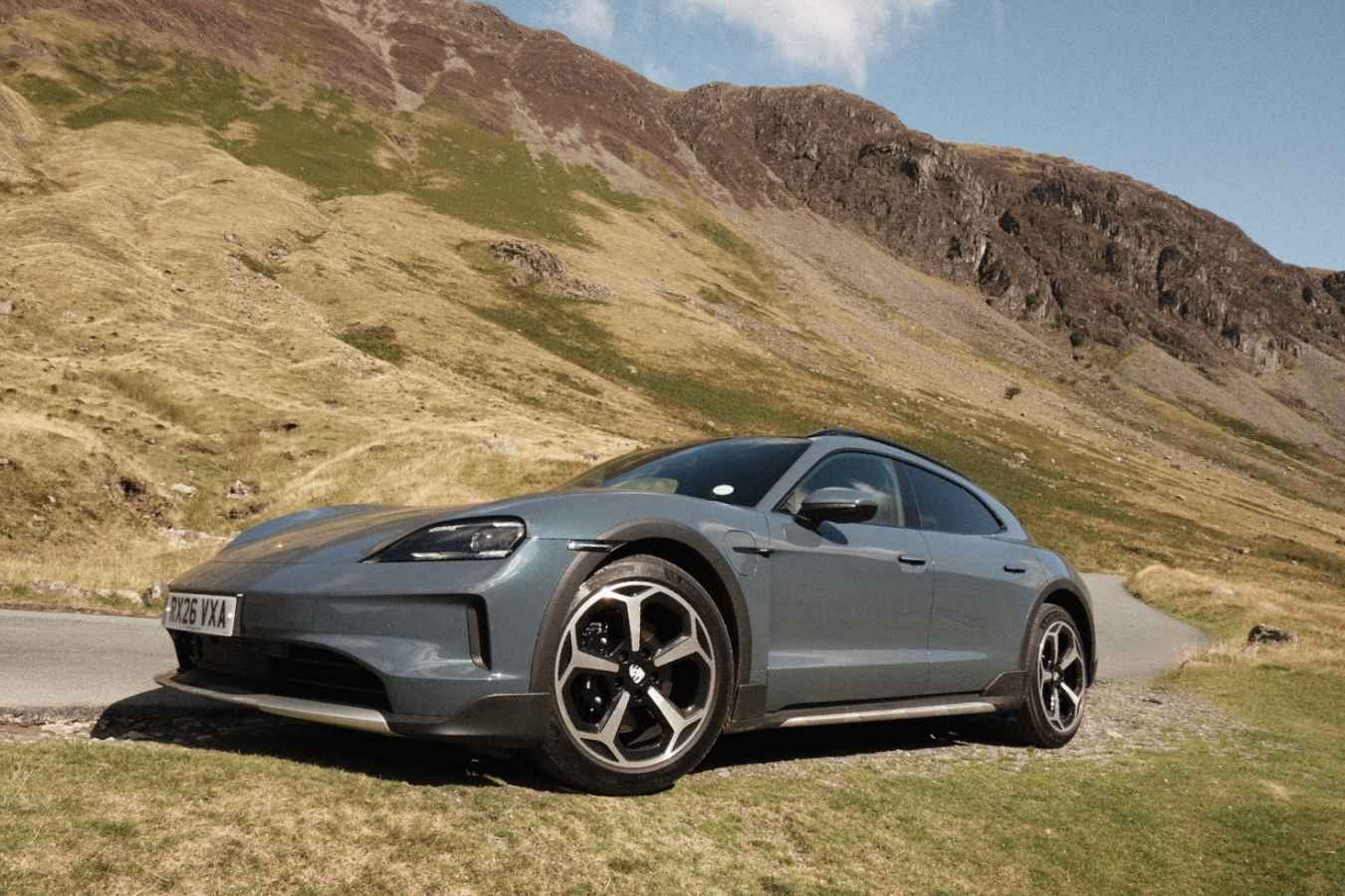
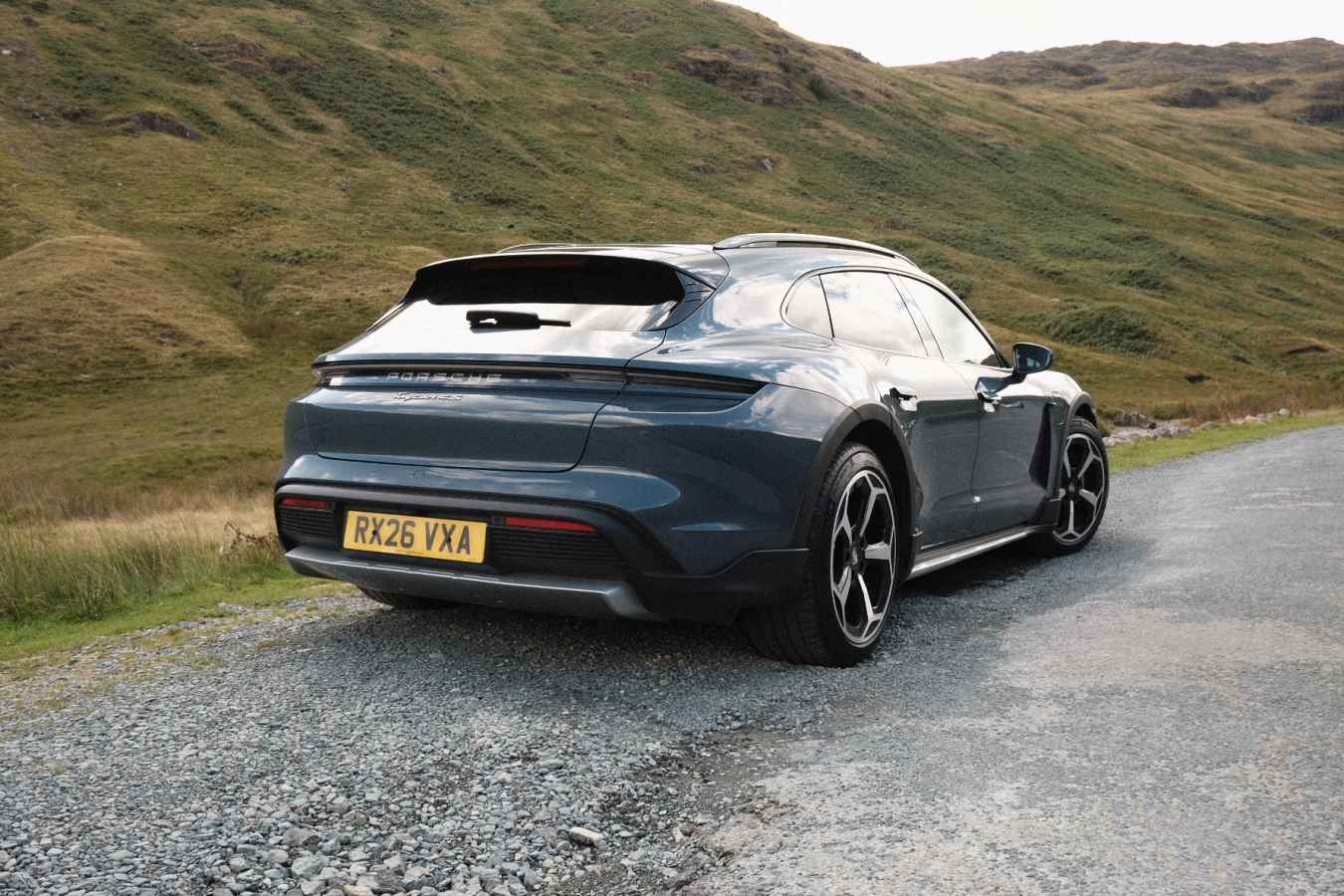
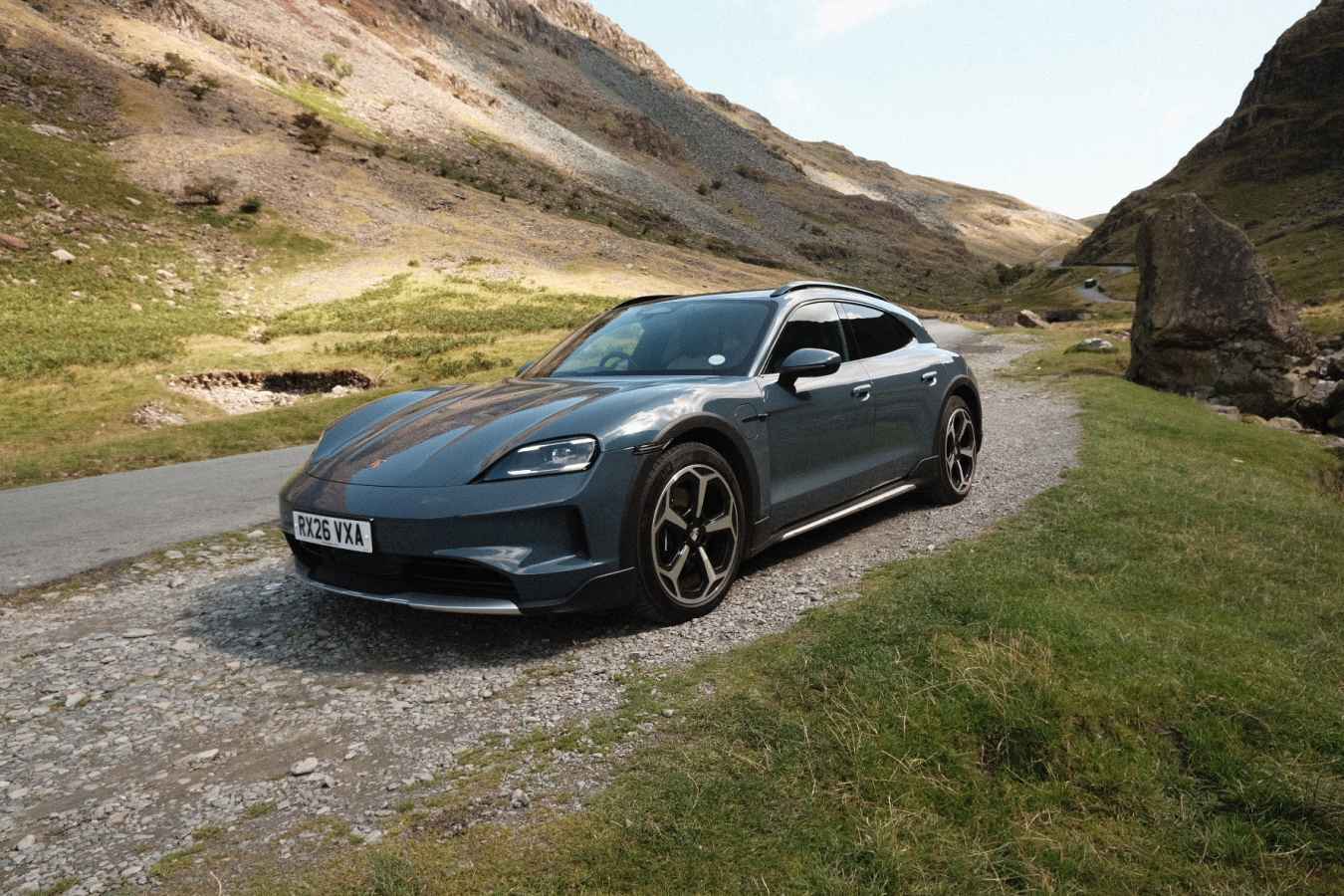
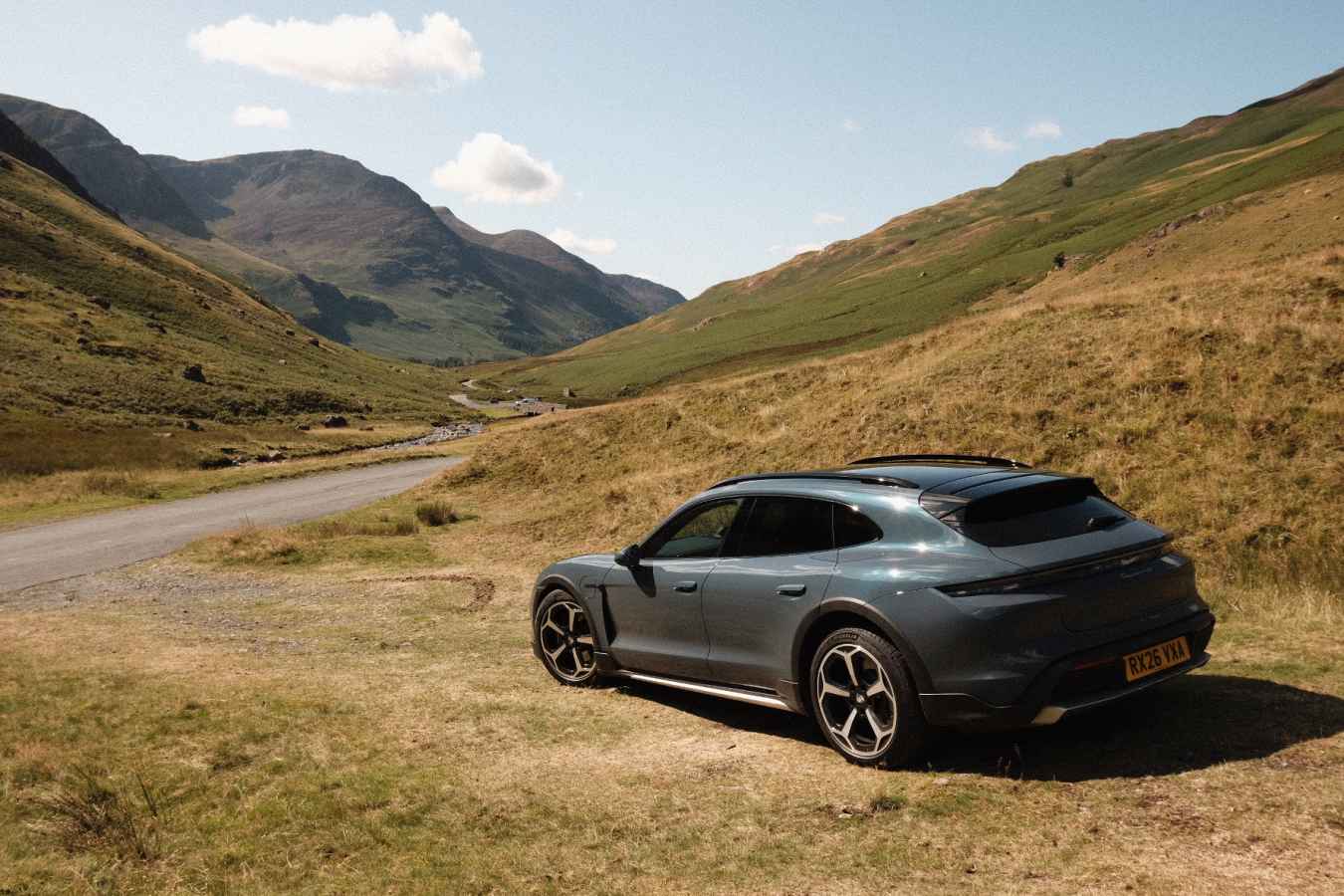
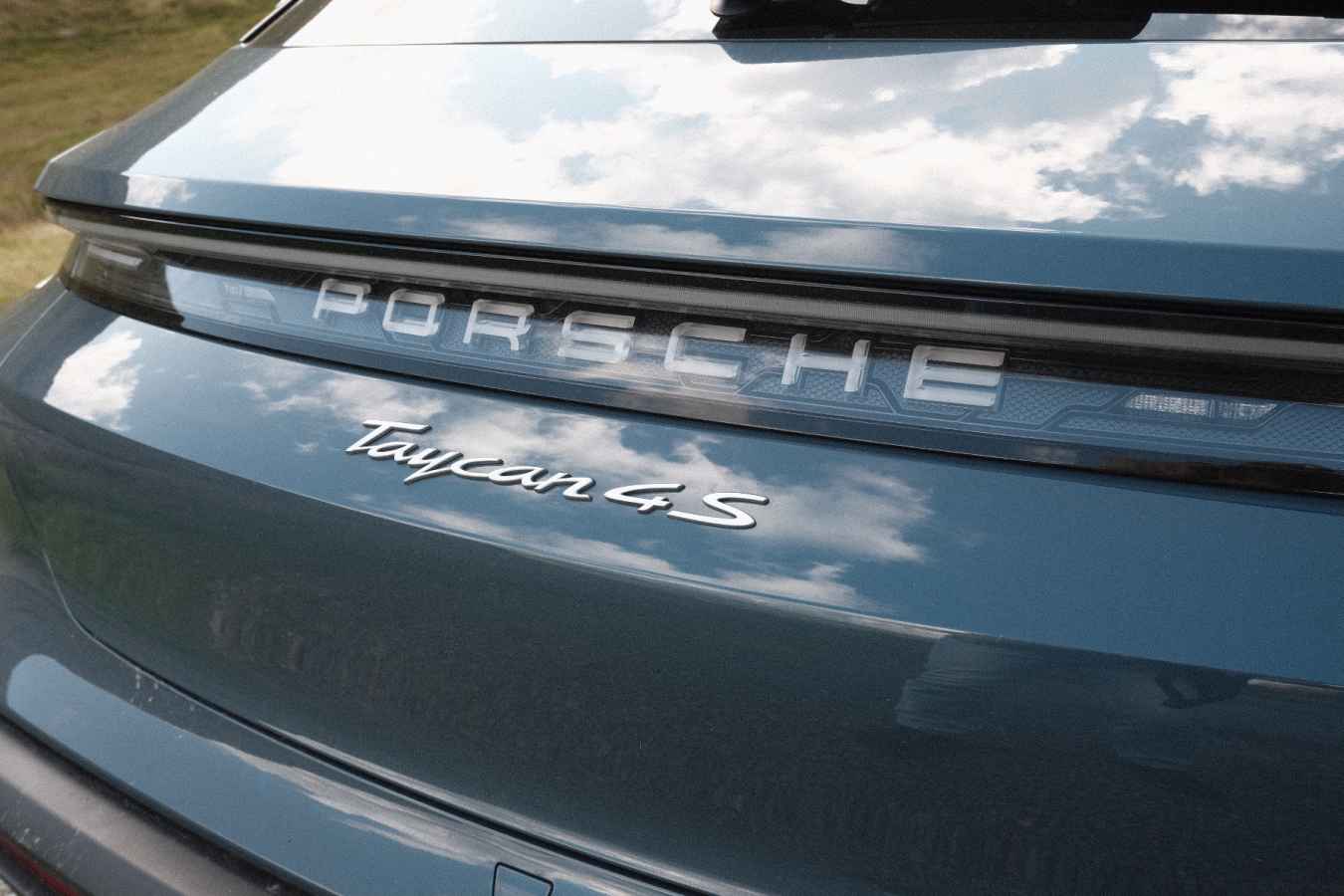

Porsche Taycan 4S Cross Turismo: Taking on the Lake District
An EV sceptic takes Porsche’s all-electric Cross Turismo from motorway to mountain road, with surprising results.
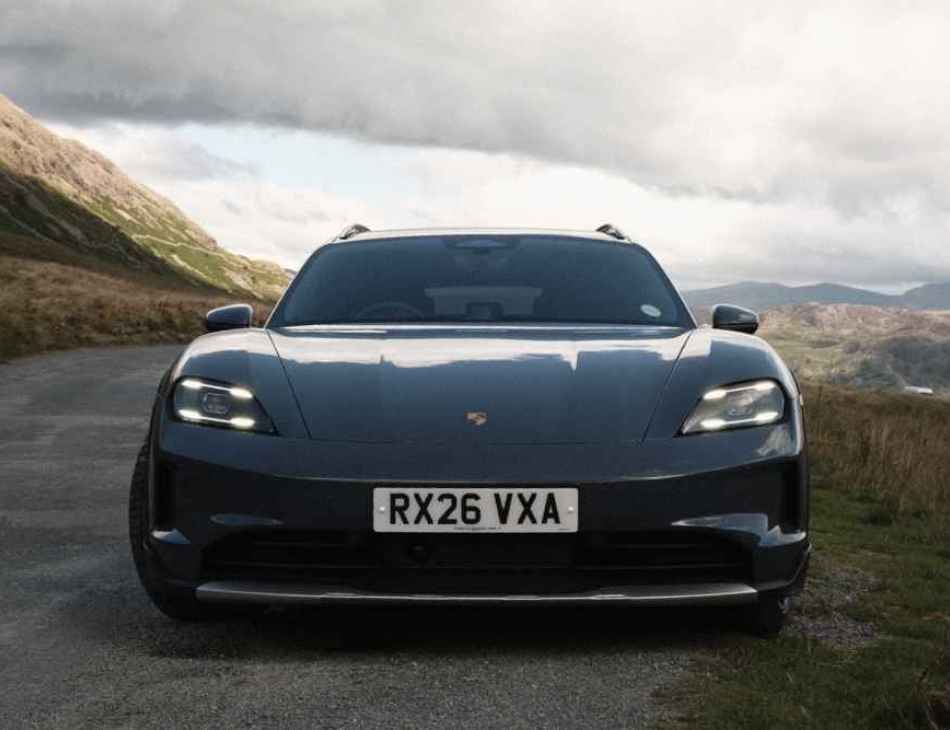
Porsche Taycan 4S Cross Turismo
I should probably start this review with a confession: I’ve never really wanted an electric car.
I understand the arguments for them. They produce no tailpipe emissions, they’re quiet, increasingly practical and, depending on how and where they're charged, can significantly reduce the carbon footprint of everyday driving. But I like cars, and much of what has been sold to us as the future of motoring has seemed designed for people who would rather their car behaved like an appliance. Too much tech, too many interventions, too much being told what to do. And, of course, the lurking anxiety that any journey beyond the weekly shop is going to involve several hours sitting beside a charger in a retail park.
Then I spent a few days with the Porsche Taycan 4S Cross Turismo.
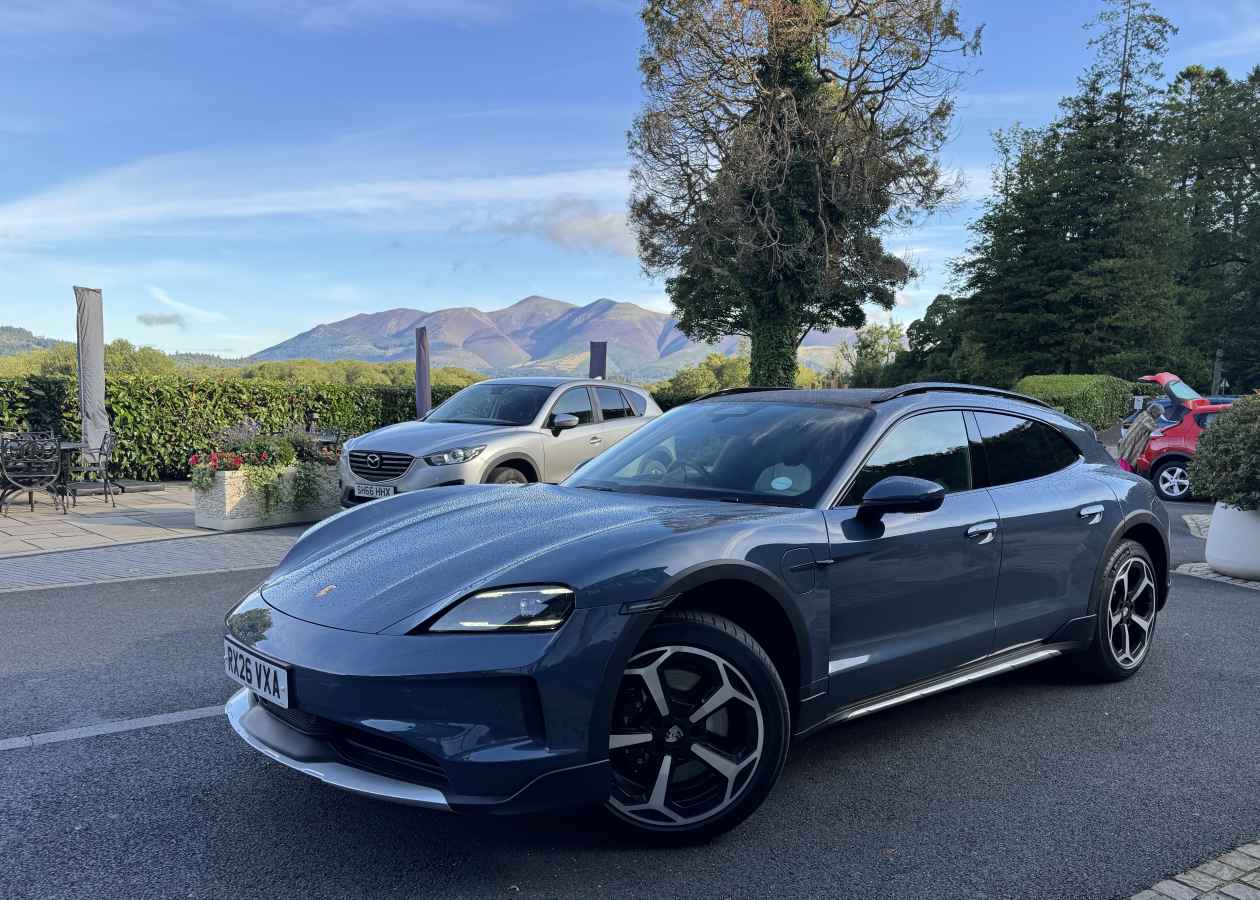
Our test car had an options list long enough to push the £99,200 base price to £129,898. It was also heading somewhere that felt like a reasonably good test of Porsche's more outdoorsy Taycan: the Lake District, with hiking kit in the back and several hundred miles of motorway, mountain road and assorted rough stuff ahead.
The bit I was expecting to hate
First, the charging.
This was my biggest reservation about taking an EV on a proper road trip and, somewhat annoyingly, it turned out to be almost a non-event.
The Taycan 4S Cross Turismo has a 97kWh usable battery and an official WLTP range of 359 miles. Porsche quotes a maximum charging rate of 320kW and a 10 to 80 per cent charge time of just 18 minutes under ideal conditions.
More importantly in the real world, the car does much of the thinking for you.
Put your destination into the navigation and Porsche's Charging Planner calculates where you'll need to stop, how long you'll need to charge and what time you'll subsequently arrive. It also preconditions the battery on the approach to the charger, getting it to the optimum temperature to take power as quickly as possible.
In our case, we charged once on the way to the Lakes and once on the way home. Both stops took around 20 minutes. By the time we'd used the facilities, bought a coffee and acquired the inevitable service-station snacks, the car was ready.
That was it.
As someone who'd always assumed long-distance EV travel would be a bit of a faff, it was remarkably painless.
Brace, brace
The bigger surprise was what happened when we got back onto the road.
Because the Taycan is fast.
The 4S has 517hp in normal running, rising to 598hp with Launch Control, along with 710Nm of torque. For some context, that is more peak power than a current 911 Carrera GTS, and 0-62mph takes just 3.6 seconds.
Numbers don't really convey it.
There is no pause while a gearbox works out what you want, no waiting for an engine to get into its stride. Put your foot down and 710Nm arrives with such immediate violence that my co-driver and I quickly developed a system. Before deploying anything approaching full acceleration, the driver would announce "brace, brace" so the passenger had time to secure their head to the headrest.
Juvenile? Possibly. Necessary? You'd be surprised.
It's the closest I've come in a road car to that strange stomach-shifting sensation of acceleration on take-off. The Porsche Electric Sport Sound fitted to our car adds some theatre, but the drama really comes from the sheer physical force of it.
What makes it much more impressive is that the rest of the car seems entirely untroubled by what's going on.
A Taycan 4S Cross Turismo is not small and it certainly isn't light, yet on the twisting roads of the Lake District it never felt unwieldy or remotely hairy. There's huge grip, beautifully judged steering and, even when you start making use of all that performance, it never feels as though the car is about to get away from you.
Our car had some serious chassis options helping here, including Porsche Active Ride, rear-axle steering and Porsche Torque Vectoring Plus. Active Ride is a particularly clever piece of engineering, designed to keep the body almost level under acceleration, braking and cornering. The result from behind the wheel is less technical: you simply have enormous confidence in the car.
You can carry frankly ridiculous speed without the Taycan ever feeling like it is getting away from you.
A Porsche you can get muddy
The Cross Turismo also makes rather more sense for a weekend in the Lakes than the regular Taycan.
It sits slightly higher and brings the more practical estate-style body, while our car also had the Off-Road Design Package. We weren't attempting to scale Scafell Pike in it, obviously, but single-track lanes, gravel, uneven parking areas and rough approaches to walking routes presented no problem.
Rear-axle steering was particularly useful. At low speeds the rear wheels turn in the opposite direction to the fronts, effectively shortening the wheelbase and making a nearly five-metre-long car considerably easier to manoeuvre than you'd expect.
And when you've spent six hours being battered by Lake District weather, the Taycan becomes an exceptionally nice place to return to.
Our car had the optional massage function and front-seat ventilation, as well as heated front and rear seats. On warmer days the cooled seats were glorious. After one particularly wet, cold and bracing hike, seat heating felt less like an optional extra and more like emergency medical treatment.
The massage seats, meanwhile, are genuinely good rather than a gimmick. Climbing into the car filthy and tired, pressing the massage button and pointing it back towards the hotel might have been my favourite use of £1,425-worth of optional equipment all week.
Technology that doesn't tell you off
There was another thing I hadn't expected to like quite so much.
Modern cars can be exhausting.
Some seem determined to remind you constantly that they know better. They bong because you've crossed a line, bong because the speed limit changed, bong because your hands aren't exactly where they would like them on the steering wheel, then hide the control to switch the bonging off three menus deep in a touchscreen.
The Porsche does bong when you stray over the speed limit, but it’s relatively discreet, doesn’t keep nagging you and, crucially, it’s incredibly easy to turn off, with the press of a button rather than a trawl through touchscreen menus every time you get in.
The same goes for lane keep assist. It’s genuinely useful on the motorway, but rather less welcome on a twisting country road where you naturally want to use more of the available road when it’s safe to do so. Press and hold a button on the cruise control stalk and it’s off.
The same applies elsewhere. Forget your seatbelt and a warning appears. Take your hands off the wheel and it’ll remind you. But there isn’t a constant soundtrack of electronic disapproval.
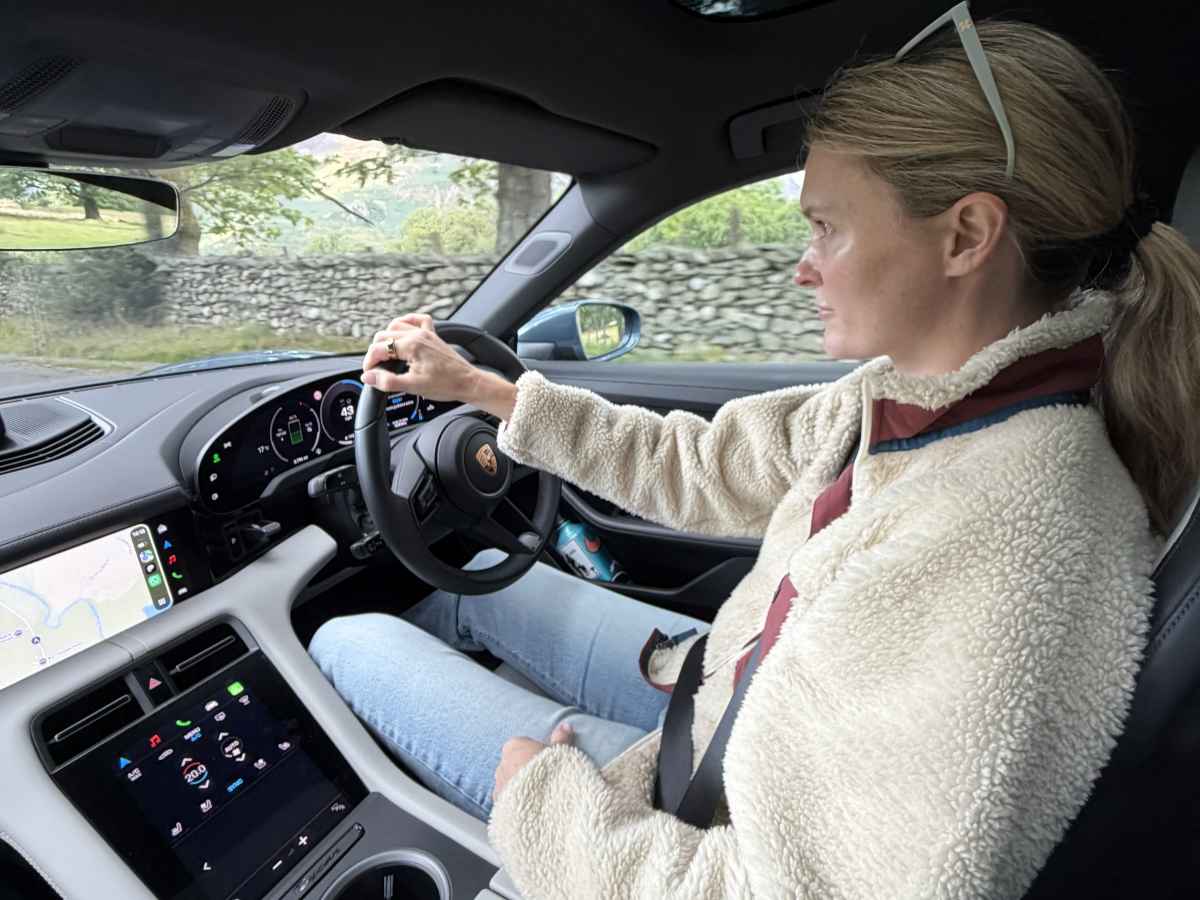
There's plenty of technology here, but it generally feels as though it's working for you rather than supervising you. The controls and screens are relatively intuitive too. I didn't need a lengthy handover or several days of ownership before I could operate the basics.
Adaptive cruise control proved particularly brilliant when we hit a traffic jam on the M6. Set the system and the Taycan deals with the tedious accordion of slowing, stopping and moving again, turning what would normally be an irritating stretch of motorway into something remarkably relaxing. Switch the massage seat on at the same time and sitting in traffic starts to feel suspiciously like having a treatment.
That distinction sounds small, but it gets to the heart of why I liked the Taycan so much. Porsche hasn't used technology to remove the driver from the equation. It has used it to deal with the boring bits, leaving you to enjoy the good ones.
So, has it converted me?
Rather inconveniently for someone who started the week as a committed EV sceptic, I think it might have.
The Taycan demolished most of the arguments I had prepared against it.
Range wasn't a problem. Charging wasn't a problem. Taking it somewhere rural wasn't a problem. It swallowed our hiking gear, coped happily with Lake District roads and transformed itself into an extremely comfortable long-distance cruiser for the motorway home.
More importantly, none of that came at the expense of actually being fun to drive.
That's the clever bit. The Taycan doesn't feel like Porsche has built an excellent electric car. It feels like Porsche has built an excellent Porsche that happens to be electric.
For someone who went into the week deeply sceptical about EVs, that's probably the highest compliment I can give it.
Porsche Taycan 4S Cross Turismo
Price: £99,200
Price as tested: £129,898.03
Power: 517hp, 598hp with Launch Control
Torque: 710Nm with Launch Control
0-62mph: 3.6 seconds
Top speed: 149mph
Battery: 105kWh gross / 97kWh usable
WLTP range: 359 miles
Maximum charging power: 320kW
10-80% charging: 18 minutes
Boot: 446 litres, 1,212 litres with rear seats folded